So much online content is about other people, what they are doing or not doing. How much time do you spend thinking about yourself, what you’re doing & why? A mix of self-referencing vs focusing on the actions & motivation of others is healthy. A skewed ratio too far in *either* direction reflects a lack of mental health. Everyone has their default mode, but can consciously adjust it too, using specific protocols.
Energy sources vs. energy sinks.
Learn to sense the difference. It can be tricky because both evoke internal arousal. Energy sources enable you to do your best work, live fully and contribute in meaningful ways. Energy sinks lead to the opposite. Tune up your (internal) sensors.
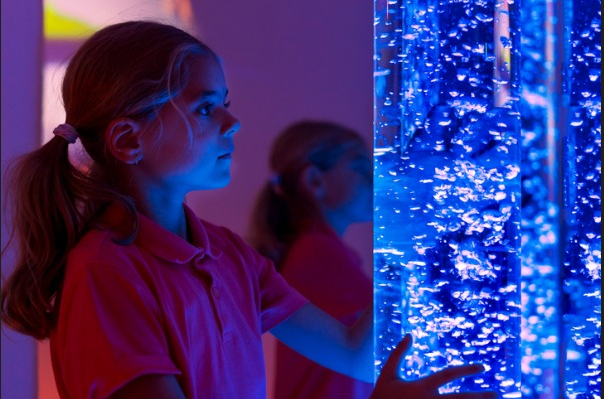
🌟Unlocking the Power of Sensory Rooms🌟
Delve into the value of sensory rooms with @Sarahhopp143, uncover the science behind their effectiveness and how these spaces have transformed lives.
https://t.co/Kkrz6iZJBp
#InclusivityMatters#SensoryRooms#oeblog
"By widening our understanding of the definition of being human, neurodiverse people can feel included and flourish too" 👏
In honour of #NeurodiversityCelebrationWeek this month's #PeopleOfCity features Dr @Sarahhopp143, Student Disability & Neurodiversity Service Manager [1/2]
Delighted to be presenting at the Westminster Higher Education Forum on 24th February, getting the message out there! Thank you for the opportunity @WHEFEvents
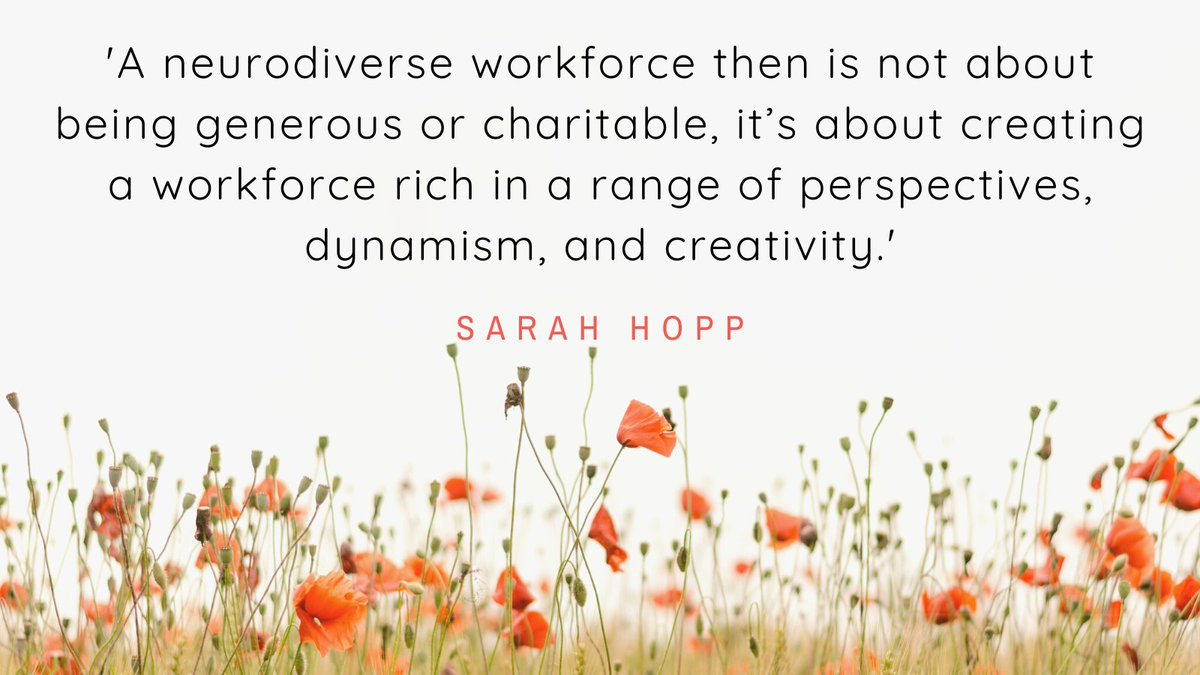
@Sarahhopp143 explains the importance of leading by example and creating a fully inclusive, diverse workforce.
Find out more here!
https://t.co/Qqz0AK1OMs
#neurodivergent#diverse#oeblog
A big congratulations to @Sarahhopp143 for writing our most viewed blog post published in 2022!
For anyone who would like to take a read, click the link below.
https://t.co/EmmXfYOfuc
#oeblog#congratulations #2022





![CityStGeorges's tweet photo. "By widening our understanding of the definition of being human, neurodiverse people can feel included and flourish too" 👏
In honour of #NeurodiversityCelebrationWeek this month's #PeopleOfCity features Dr @Sarahhopp143, Student Disability & Neurodiversity Service Manager [1/2] https://t.co/EmUeyse2Po](https://pbs.twimg.com/media/FrWoCABWwAAy0uV.jpg)