Big week for breast cancer at #ASCO26. A few highlights from the meeting:
Metastatic
TROPION-Breast02 + ASCENT-03 (TNBC, PD-L1 ineligible): Two practice-changing Trop2 ADC options for 1L. Subsequent analyses confirm benefit. 2 good options.
VIKTORIA-1 (HR+/HER2-, PIK3CA-mutated, 2L post-CDK4/6i): Gedatolisib + fulvestrant beat alpelisib with a much cleaner toxicity profile. Triplet did not add anything with palbociclib. Less hyperglycemia, less diarrhea. Stomatitis remains a challenge. Will be a nice doublet option if approved. IV drug.
SERENA-6 (HR+/HER2-): Switching to camizestrant when ESR1 mutation is detected on ctDNA, before progression, yielded 51% ctDNA clearance vs 1.9%. Compelling biology. Let’s see what the FDA does.
persevERA (HR+/HER2-, 1L): Giredestrant + palbociclib did not beat letrozole + palbociclib (33.1 vs 28.2 mo, p=0.15). The 1L SERD moment has not arrived yet. Metastatic SERD benefit appears limited to ESR1-mutant disease.
Early Stage
lidERA (HR+/HER2-): First new adjuvant endocrine therapy in decades. Giredestrant cuts recurrence risk about 30% across pre and postmenopausal patients in subgroup analyses. Premenopausal patients need OFS. FDA submission underway.
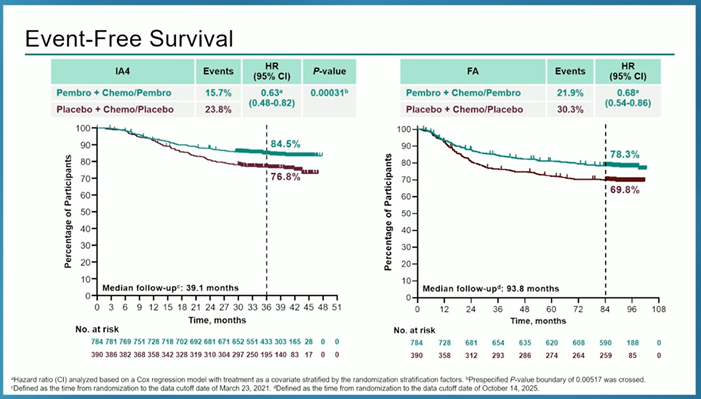
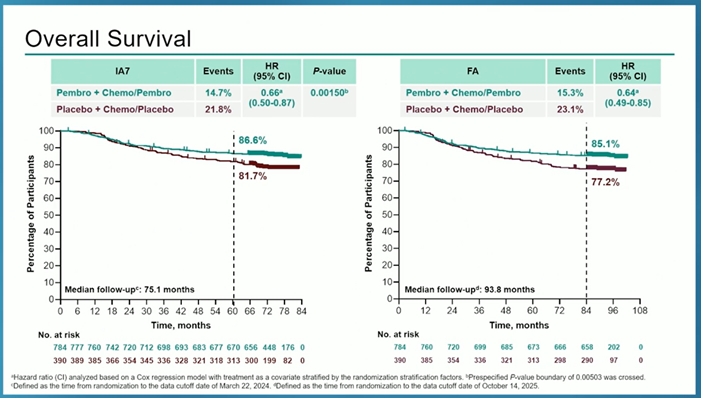
KEYNOTE-522 at 7 years (TNBC, stage II-III): EFS 78.3% vs 69.8%, OS 85.1% vs 77.2%. The benefit is durable and real. But real-world irAE rates up to 54%. We need a biomarker to identify who can safely skip immunotherapy.
OPTIMA (HR+/HER2-, node-positive): Chemo omission non-inferior in low genomic risk node-positive patients including N2 using Prosigna. Practice changing for postmenopausal patients. For premenopausal, the key insight is that chemo benefit in low genomic risk patients is largely driven by ovarian suppression, not cytotoxicity. Still need more premenopausal N2 data. Enroll to OFSET.
OASIS-4 (HR+, on ET): Elizanetant improves hot flashes AND sleep across tamoxifen, AI, and GnRH agonist therapy. Non-hormonal and safe for HR+ patients. An adherence tool we have really needed.
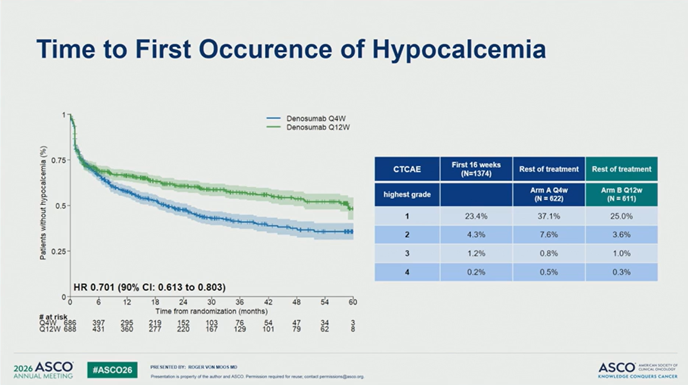
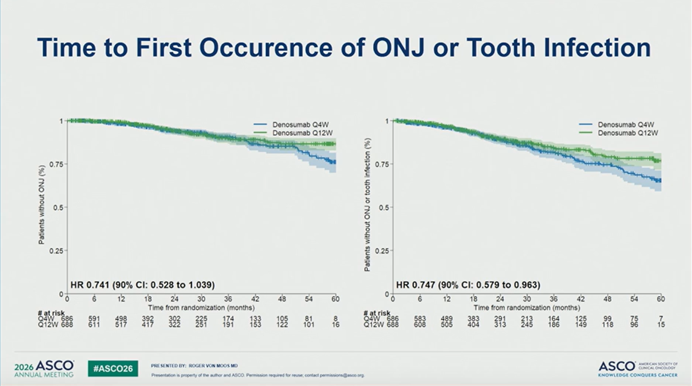
REDUSE (bone mets): Denosumab every 12 weeks after induction is non-inferior to every 4 weeks for skeletal-related events, with less hypocalcemia, less ONJ, and more than 50% reduction in drug costs. Smarter de-escalation with no efficacy tradeoff.
GLP-1 RAs: Real-world data showing 43% reduction in metastatic progression and 30% mortality reduction in HR+/HER2- patients on ET + CDK4/6i. Still observational, but the tumor GLP-1 receptor expression data suggests this is more than just a metabolic effect. Prospective studies needed.
Grateful for the science.
#BreastCancer #BCSM #Oncology #MedTwitter
One of my favorite abstracts of this #ASCO26 - reduced denosumab dose intensity (q12w) is NON inferior to q4w in pts with mBC or mCRPC, with improved safety profile in terms of risk of hypocalcemia and osteonecrosis of the jaw
Practice changing!!
@OncoAlert
IRIS: capecitabine+ trastuzumab early HER-2+ #bcsm
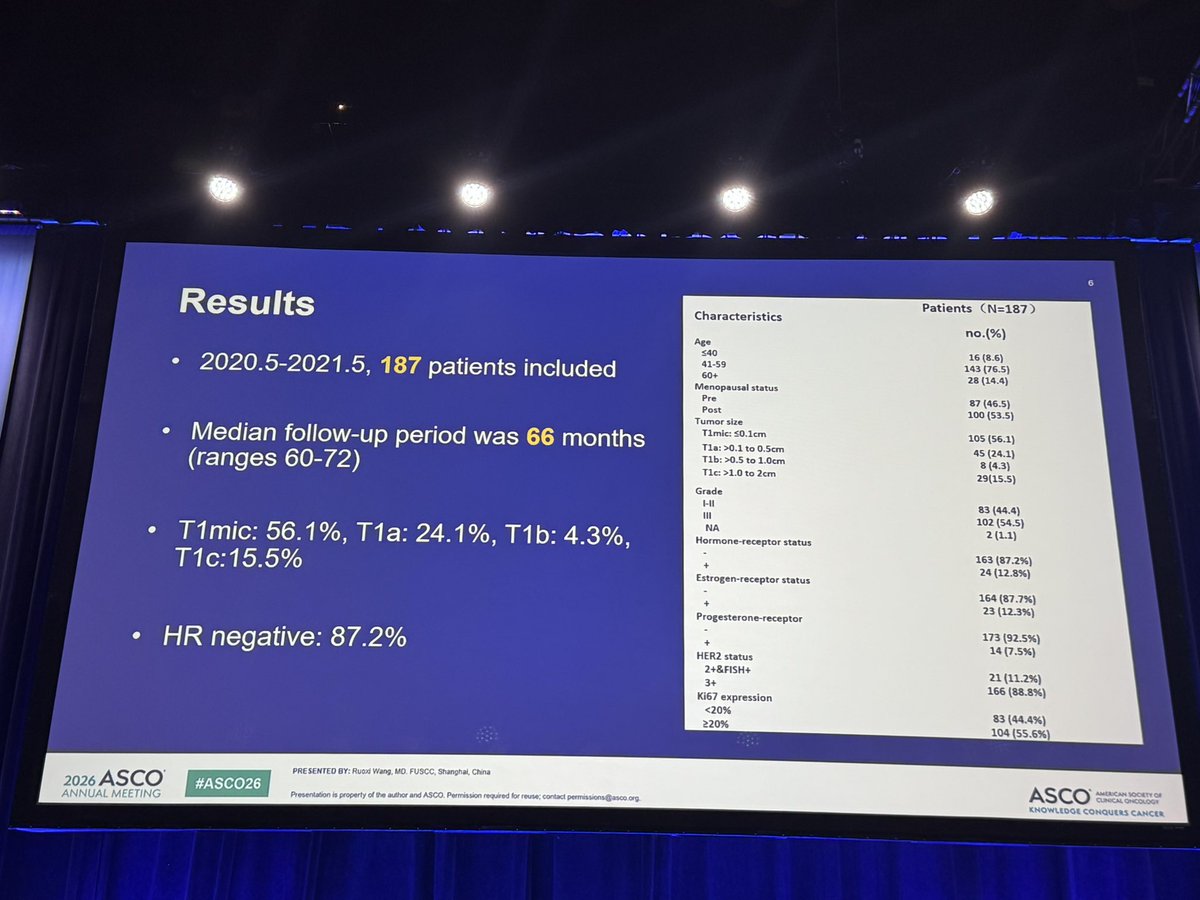
⏰ w/ f/u 66 months, only 4 events occurred
📌5 yr iDFS 97.8%
📌5 yr RFS 98.9%
Cape + tras could be an oral chemo alternative for small node negative HER-2+ #bcsm#ASCO26
#ASCO26 | DESTINY-Breast05 safety
With post-neoadjuvant T-DXd, the ILD signal is higher than with T-DM1, as expected.
But most events were low-grade and reversible.
For me, the key point is radiotherapy: concurrent or sequential RT did not seem to add a major pulmonary safety signal.
ILD still needs active monitoring with T-DXd, but RT alone does not look like a major barrier.
#ASCO26
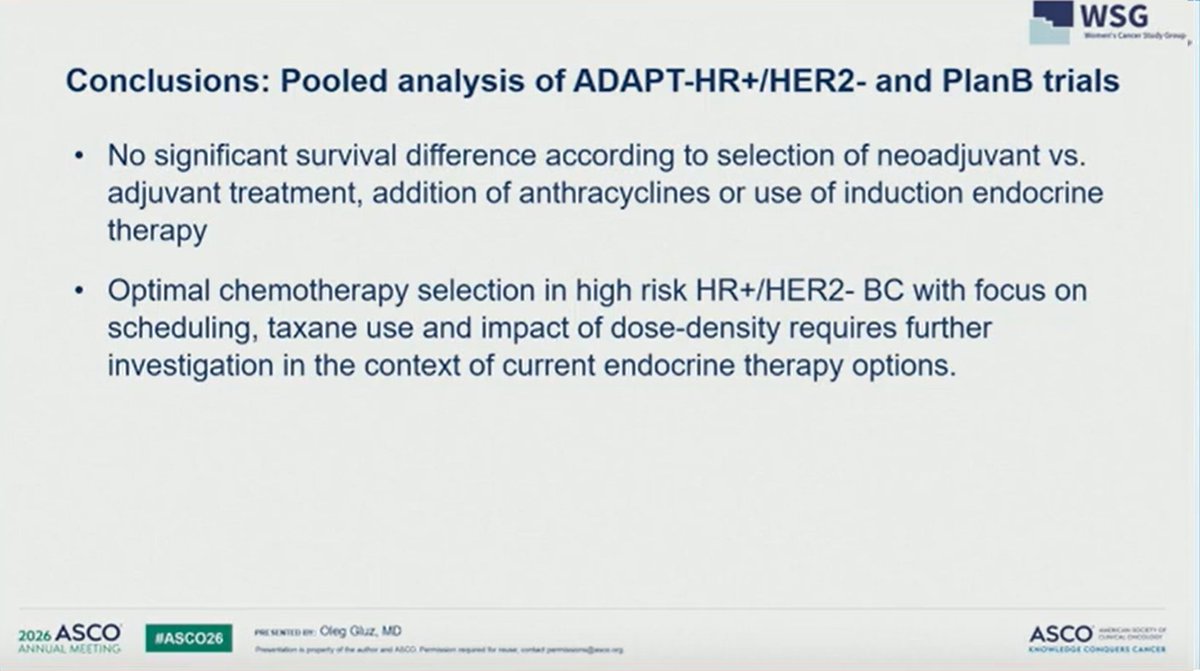
ADAPT + PlanB pooled analysis in high-risk HR+/HER2− eBC:
Neoadjuvant vs adjuvant chemotherapy: no difference
Addition of anthracyclines: no significant survival benefit
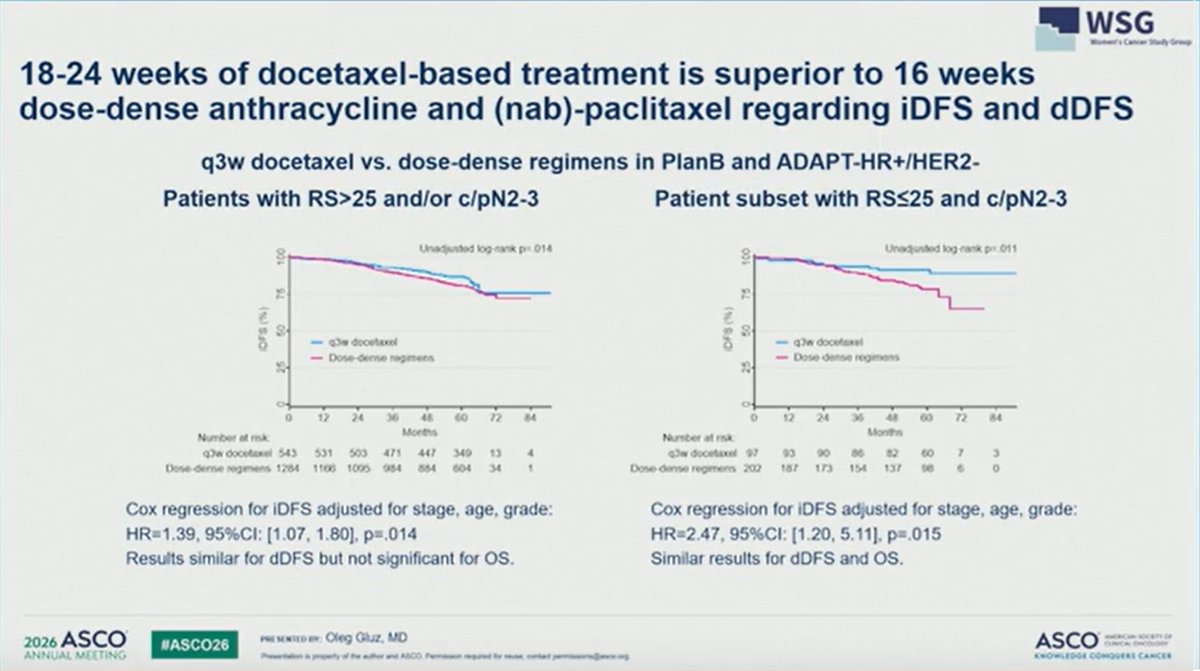
q3w docetaxel-based therapy showed a better iDFS/dDFS signal than dose-dense paclitaxel/nab-paclitaxel → anthracycline-based approaches.
#ASCO26
High-risk HER2− early breast cancer.
Rilvegostomig + T-DXd achieved similar pCR to control in Immune+ tumors, but may allow response-adapted de-escalation from conventional Taxane–AC.
Main toxicity: ILD
Any-grade ILD 11.4%
Grade ≥3 ILD 1%
Important to note two things:
1) this was ''non-invasive breast neoplasia,' (ie DCIS or hyperplasia) not breast cancer.
2) low-dose tamoxifen had no effect in premenopausal women, arguably the group most interested in this approach.
Caution warranted in cancer patients.
Can selected patients w/HR+/HER2− mBC benefit from continuing ET+CDK4/6i beyond PD?
Results from the 🇮🇹 PALMARES-2 study at #ASCO26 suggest the answer may be yes, with a median rwPFS beyond PD of 10.5 months
Kudos to #ClaudioVernieri and all investigators
More data at #ESMO26!
Interesting sub-analysis of DB09, showing tremendous (and comparable) outcomes with 1L T-DXd/P among patients with HER2+ MBC that achieve a CR or a deep PR. Median maximum tumor reduction observed at 11 months. #ASCO26
#ASCO26
ER+, HER2- breast cancer management is becoming less about “one-size-fits-all” and more about precision escalation vs precision de-escalation.
The future is clear:
🧬 Biomarkers decide who gets chemo
💊 CDK4/6 inhibitors move earlier
🩺 Endocrine therapy intensifies in high-risk disease
⚖️ Obesity and supportive care become survival interventions
Key themes from ASCO 2026:
▪️ Anthracyclines may still matter in selected genomically high-risk patients
▪️ Some node+ patients may safely avoid chemotherapy
▪️ OFS + AI remains critical for high-risk premenopausal disease
▪️ Adjuvant abemaciclib and ribociclib continue reshaping standards
▪️ Oral SERDs are entering early breast cancer
▪️ Weight management may become part of oncologic care itself
Breast oncology is shifting from anatomy-driven to biology-driven treatment selection.
Which biomarker do you think will have the biggest impact in early ER+ breast cancer over the next 5 years? 👀
@OncoAlert@ASCO@myesmo@esmo_open@larvol
#OncoTwitter #MedTwitter #BreastCancer #bcsm #PrecisionOncology
#ASCO26@JavierCortesMD presents the FINAL results of KEYNOTE-522 (median follow-up 94 months, ie, ~8 years)
Long term results confirms the results of prior interim analysis, supporting benefit in EFS and OS with (neo)adjuvant pembrolizumab
@OncoAlert
#ASCO26
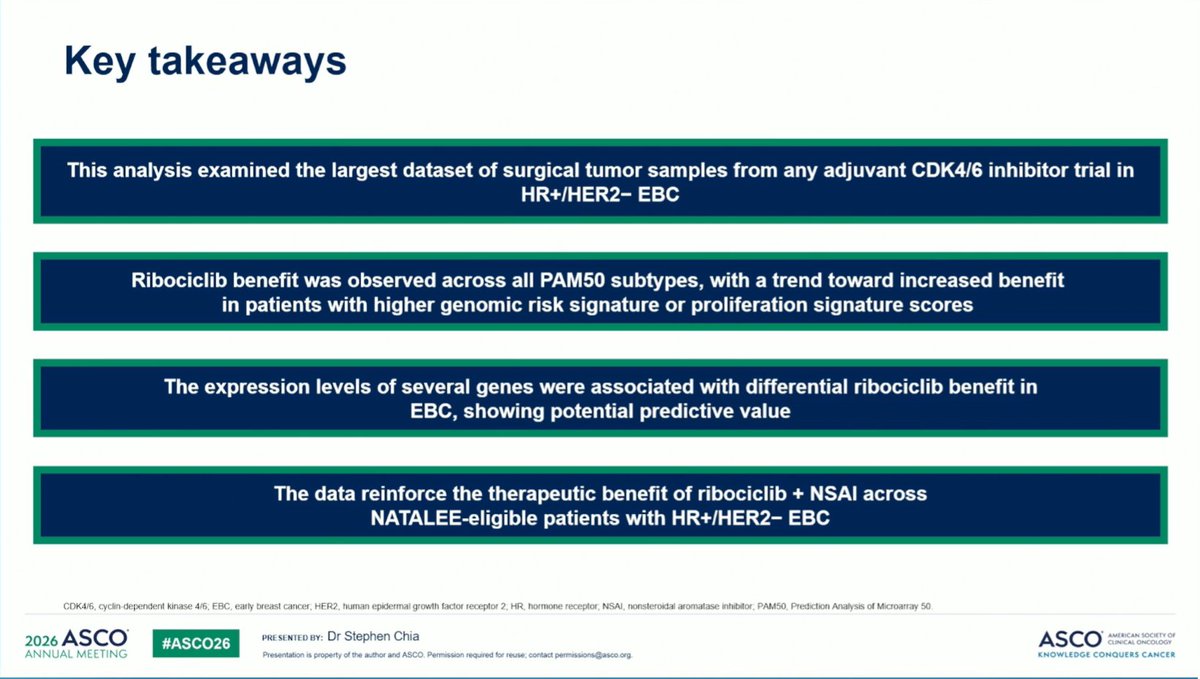
NATALEE trial: PAM50 subtypes
PAM50 subtypes were prognostic: compared with Luminal A, the risk was higher in Luminal B, HER2-enriched, and basal-like subtypes.
The HRs for ribociclib were 0.77 in Luminal A, 0.71 in Luminal B, 0.50 in HER2-enriched, and 0.42 in basal-like disease. However, the treatment interaction test was not significant.
So, the efficacy signal appears to be maintained across subtypes.
The key caveat is that the number of patients in the HER2-enriched and basal-like subgroups was very small, so the stronger numerical HRs in these groups should be interpreted cautiously.
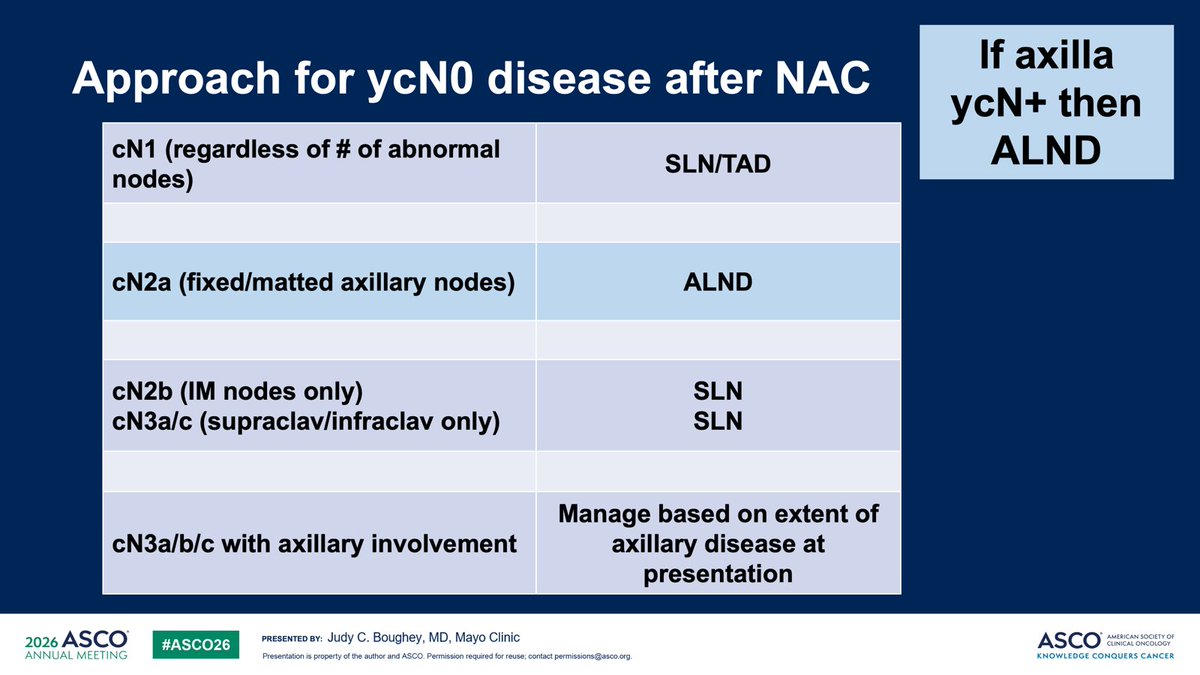
practice-changing shifts in early breast cancer surgery at #ASCO26.
🧠 Proposed algorithm:
• Age ≥50 + ER+/HER2- + cN0 → omit axillary surgery entirely
• Younger or biologically higher-risk disease → SLNB-guided escalation
• ALND reserved mainly for ≥3 positive nodes
From “maximum surgery” → “minimum necessary surgery.”
QoL is finally driving the conversation too.
@ASCO@OncoAlert@myesmo@esmo_open@larvol #OncoTwitter #BreastCancer
#ASCO26
Axillary dissection may finally be fading into history.
SENOMAC confirms that in patients with clinically node-negative breast cancer and 1-2 SLN macrometastases, omission of completion ALND is non-inferior for overall survival.
🧪 Phase 3 randomized non-inferiority trial
👥 ~2500 patients
🎯 Primary endpoint: OS
Key results:
🔹 5-year OS
• Completion ALND: 93.4%
• Omission ALND: 94.4%
🔹 HR 0.89 (95% CI 0.67-1.17)
✅ Non-inferiority confirmed (p<0.001)
Why this matters:
➡️ Less arm morbidity
➡️ Better QoL & arm function
➡️ Supports further surgical de-escalation
Importantly, most patients also received locoregional RT, so this is de-escalation within a multimodality framework.
Could ALND soon become the exception rather than the rule in early breast cancer?
📖 Presented at #ASCO26
#BreastCancer #OncoTwitter #MedTwitter @OncoAlert@ASCO@myesmo@esmo_open@larvol
#ASCO26
KEYNOTE-522 final analysis
Median follow-up: 7.8 years.
Neoadjuvant pembro + chemo followed by adjuvant pembro maintains its long-term OS benefit in high-risk early-stage TNBC.
7-year OS: 85.1% vs 77.2%
pCR achieved: OS 94.5% vs 91.1%
HR: 0.64; 95% CI 0.37–1.14
#ASCO26
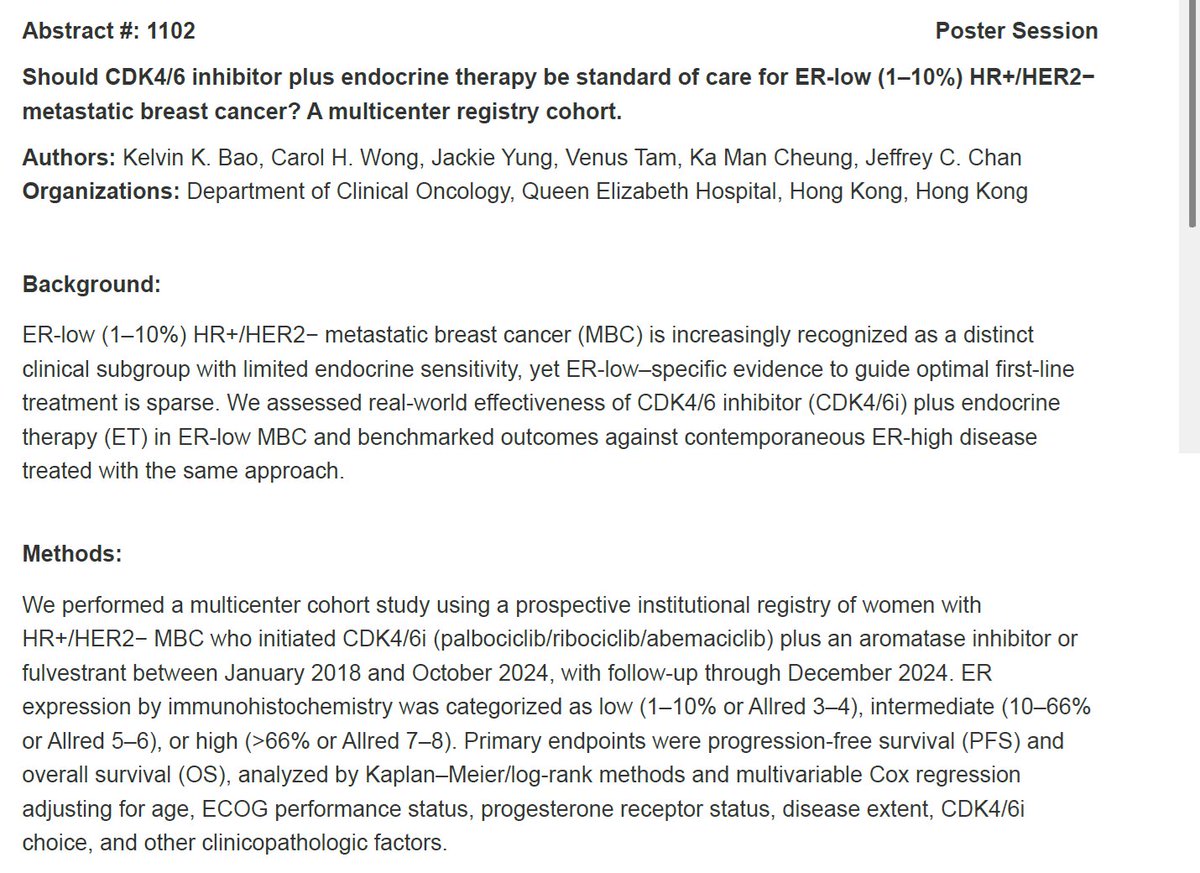
Does CDK4/6i really work in ER-low disease?
I had also really wanted to study the efficacy of CDK4/6 inhibitors in ER-low tumors, but I could not collect enough data. This study addresses exactly this important question. First of all, congratulations to the investigators.
In ER-low HR+/HER2− MBC, CDK4/6i + ET does not seem to deliver the expected HR+ benefit: PFS was 2.9 months. In ER-high patients, PFS was 23.3 months.
Despite the small sample size and the inherent limitations of a retrospective study, the observed behavior is consistent with what we would expect from ER-low tumors. ER-low disease should not simply be placed into the classic HR+ category with automatic CDK4/6i + ET. This subtype behaves closer to TNBC.