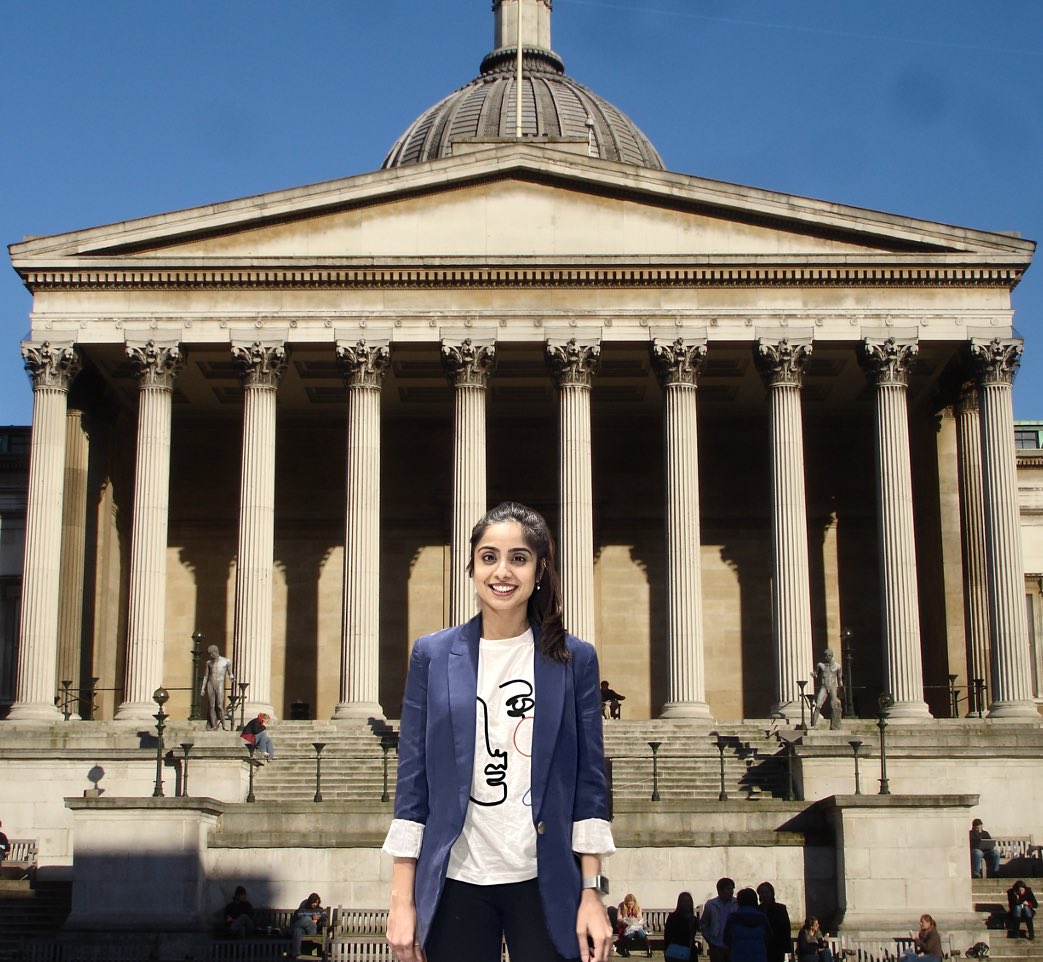
Delighted to share that starting Fall 2023, I’ll join the Department of Psychology at University College London as a Lecturer! I’m thrilled to work alongside scholars who have inspired my work & look forward to expanding my research in this incredible department! @UCLPALS@EP_UCL
Happy to share our new paper!! Moral praise signals what is typical and expected, indicating that an action goes above the norms. Ironically, this could lead to decreases in people’s willingness to behave as prosocially in the future (1/4)
https://t.co/FDYAy89J8J
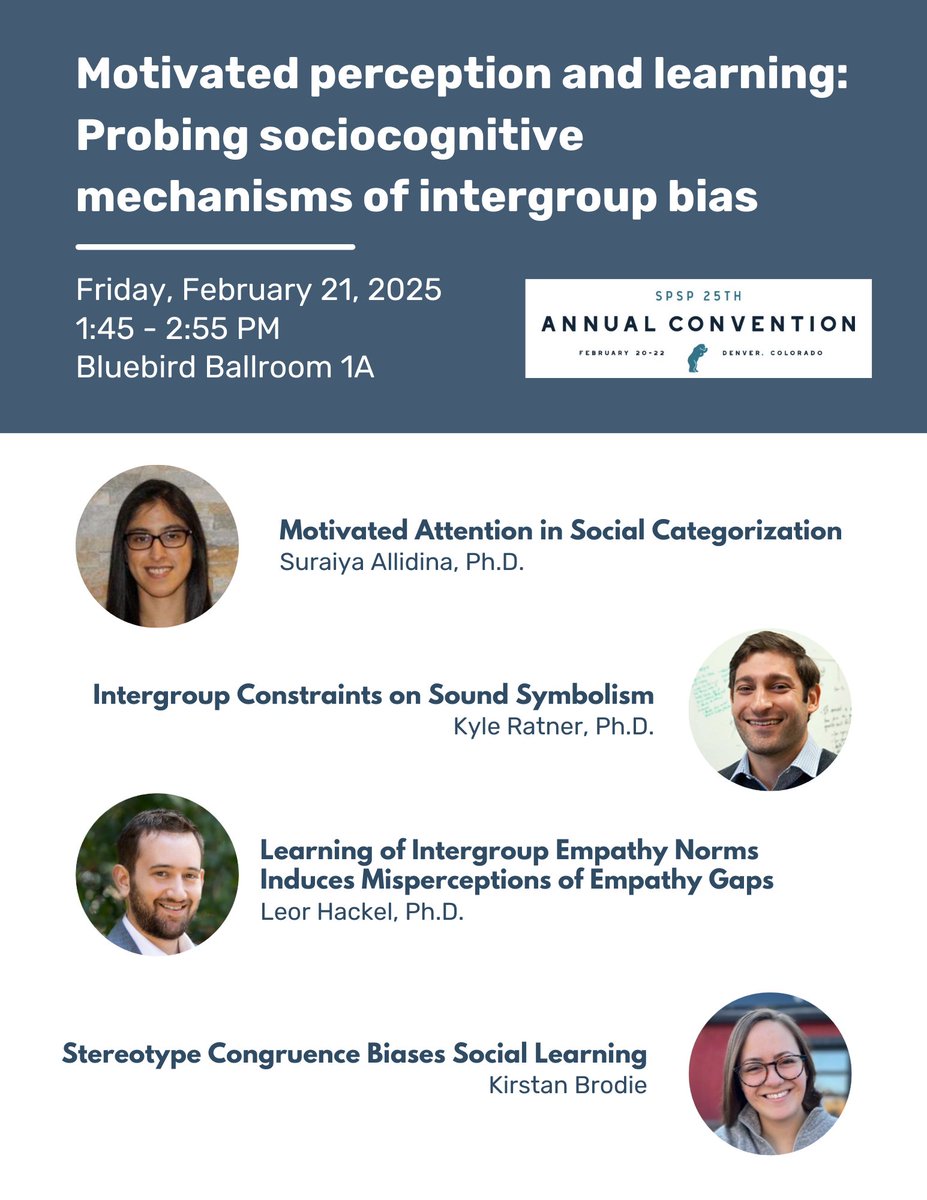
🚨Excited to announce the return of the Moral Psychology pre-conference at #SPSP2025! A crowd-pleaser for over 20 years!
We have an incredible lineup of speakers! And we're accepting posters; deadline to submit is Oct 17 https://t.co/MqzlCO28KD. PS there's a best poster award!
@DAJchicago @xphilosopher @fierycushman Another motivation (and an aspect of this paper that made it particularly fun to work on!) was to think why such a concern with ‘failure of thought’ might be valuable. To do so, we examined recent developments in the literature on consideration sets and what comes to mind!
@DAJchicago @xphilosopher @fierycushman However, as @xphilosopher points out, a key motivation for the paper was to understand how ordinary people think about and respond to negligence. Our work suggests a disconnect between common reactions to negligence and the legal framework guiding punishment for such cases.
@xphilosopher @DAJchicago @fierycushman @TeneilleBrown Exactly! People naturally think about mental states when they think about negligence but the law asks them to disregard it - which seems hard and unintuitive!
@levinguever @DAJchicago @xphilosopher @fierycushman You’re right - criminal law does sometimes punish negligence. The question isn’t about that - but rather, what exactly is the punishment for? Is it because of the bad outcome? The failure to take necessary precautions? Or simply because the right thought didn’t come to mind?
@DAJchicago @xphilosopher @fierycushman I agree with @xphilosopher that exploring the relationship between legal standards and public perceptions of negligence is fascinating. @TeneilleBrown and I have had some engaging discussions on the topic!
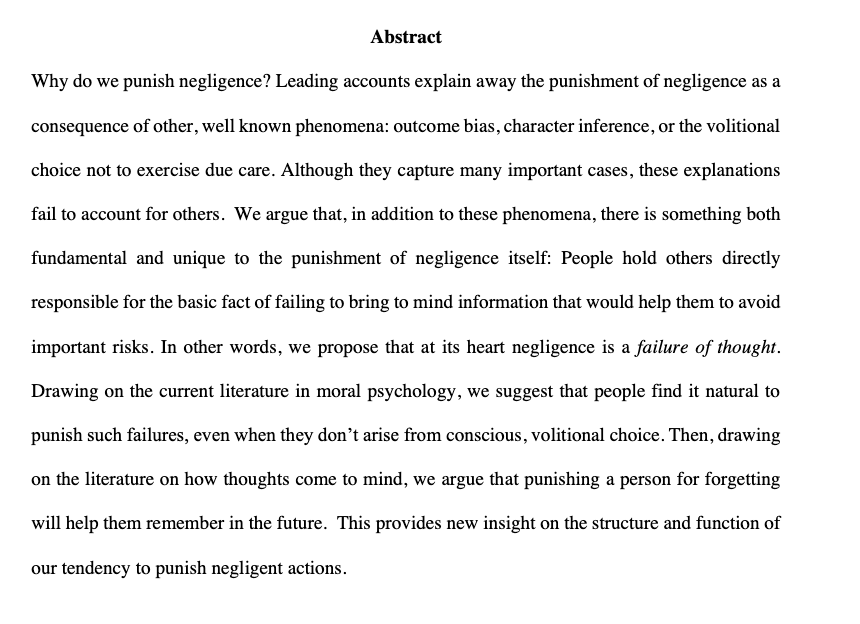
In our latest paper, @fierycushman & I argue that punishing negligence isn’t just about the consequences of bad outcomes or poor planning. Instead, it also involves holding people accountable for ‘failing to have the right thought at the right time’. 💭💡
https://t.co/QZ9M3Sstg6
Why do we punish people for negligence?
New paper argues it is a matter of punishing people for a *failure of thought* -- i.e., for failing to bring certain things to mind
By @SarinArunima and @fierycushman, in Psych Review
https://t.co/u5hNGeKqrA
Delighted to share that starting Fall 2023, I’ll join the Department of Psychology at University College London as a Lecturer! I’m thrilled to work alongside scholars who have inspired my work & look forward to expanding my research in this incredible department! @UCLPALS@EP_UCL
I’m so grateful for this opportunity and indebted to many people. A special shout-out to the absolute best mentor @fierycushman and others: @mark_ho_@MoralityLab@david_lagnado, in addition to my friends & family for their endless support, guidance, & encouragement!