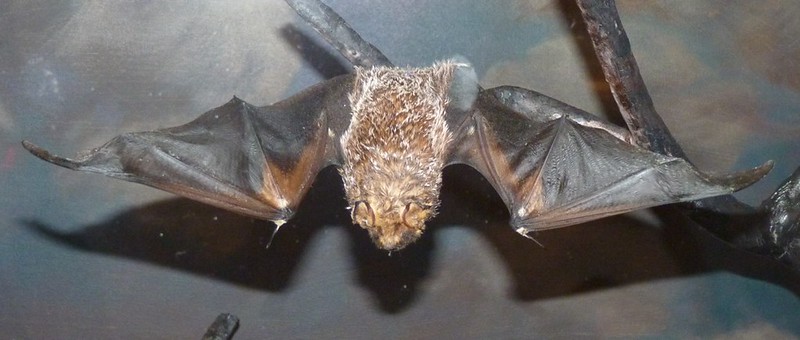
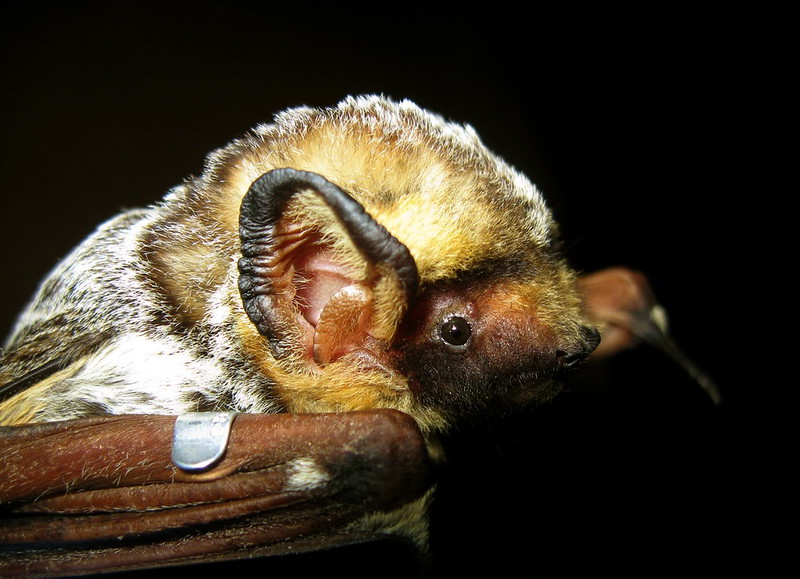
Human made sounds are impacting bat species, like the Hoary Bat! The sounds from cars and machinery can affect bat communication with each other or their ability to use echolocation to locate prey.
#SARSweetTweet#naturesask
Image: Flickr Creative Commons/ Forest and Kim Starr
Long-lived species like the Hoary Bat (can live for up to 15 years!) are bioaccumulators. This means that because they eat of a lot insects & each insect has a tiny amount of a toxin in it, that over time, these toxins accumulate in them.
Image: freshwaterconservationcanada
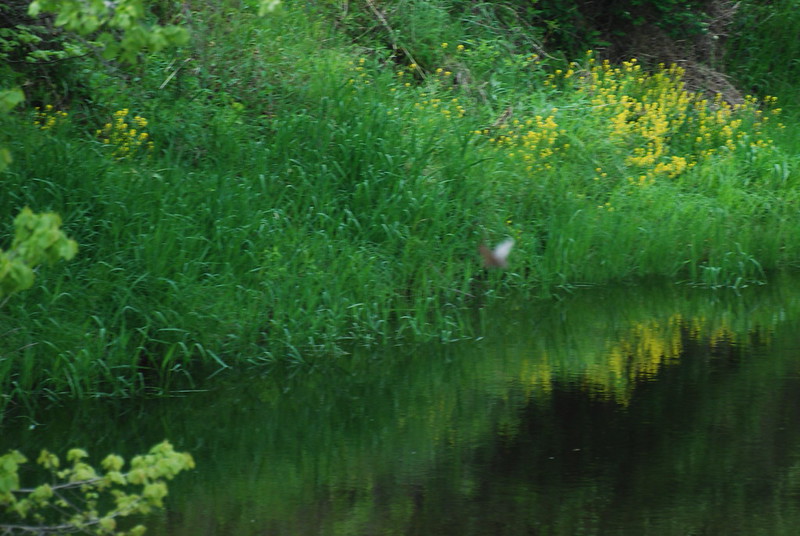
Hoary Bats use wetlands to hunt & drink. Algal blooms of toxic cyanobacteria from runoff can large mortality events for bat species. Personal care products & pharmaceuticals can also find their way into waterbodies & impact bat species!
Image: FlickrCreativeCommons/ Joshua Mayer
Historical accounts from early 1900-1950 suggest the Hoary Bat was found in flocks of over 100 individuals migrating. Unfortunately, there have been no recent accounts of large flocks. Acoustic data suggests population declines.
Image: Flickr Creative Commons/ Jerry Oldenettel
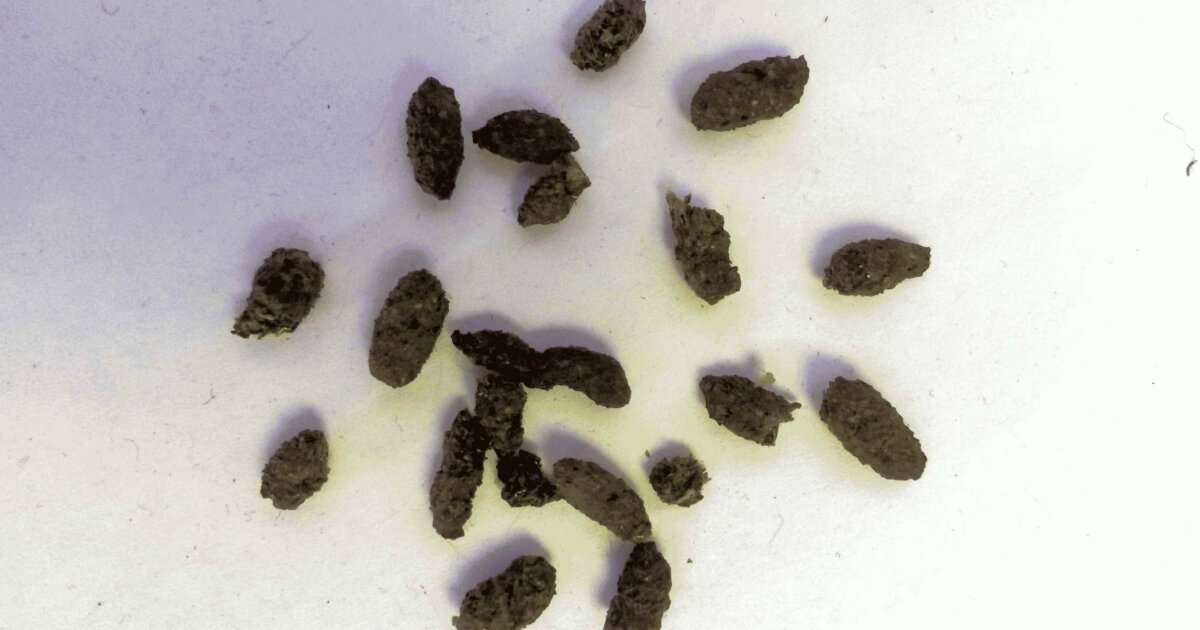
In order for scientists to monitor bat populations, they use a variety of methods. Mist netting , counting bats as they emerge from their roost at sunset, guano traps or thermal imaging can all be used
#SARSweetTweet#bats#saskparks#saskwildlife
Image: https://t.co/B1NgaTL2Xk
Unfortunately, migrating Hoary Bats maybe become casualties of wind energy facilities. Scientists think they may mistake the turbine for a tall tree and then get drawn in.
#SARSweetTweet#naturesask#saskparks#nature4all#bats
Image: Flickr Creative Commons/ SaskPower
Windfarms attract insects, which in turn attract bats to feed. Constructing wind farms near migratory stopover sites can impact migrating critters. @CWF_FCF has resources about windfarms for wildlife:
https://t.co/m33fPOKcRu
FlickrCreativeCommons/ windturbinegreenenergy futures
Hoary Bats mate in the summer. Females store sperm over the winter. After 80-90 days of gestation, 1 to 2 pups are born in late June. Like other mammals, the mama bat will nurse her young.
#SARSweetTweet#saskparks#nature4all#pcapprairie
Image: FlickrCreativeCommons/ Tom Benson
Scientists have a lot to learn about Hoary Bats! Hoary Bats migrate to the Southern USA but their routes are not known. They hibernate in the winter, but again these locations are not known.
#SARSweetTweet#naturesask#saskparks#nativeprairie
FlickrCreativeCommons/ Bryant Olsen
Wild about Bats? Everything you wanted to know about prairie bats! Find out in our past webinar by the Wildlife Conservation Society of Canada
https://t.co/saUERC9LHp
#SARSweetTweet#naturesask#saskparks#nature4all#agmorethanever
Image: Flickr Creative Commons/ Tom Benson
Hoary bats need foliage to roost. This provides protection from predators and allows them to safely raise young. South face trees allow bats to warm up in the sun. Hoary bats may use several trees during the breeding season &may return to the same trees, year after year.
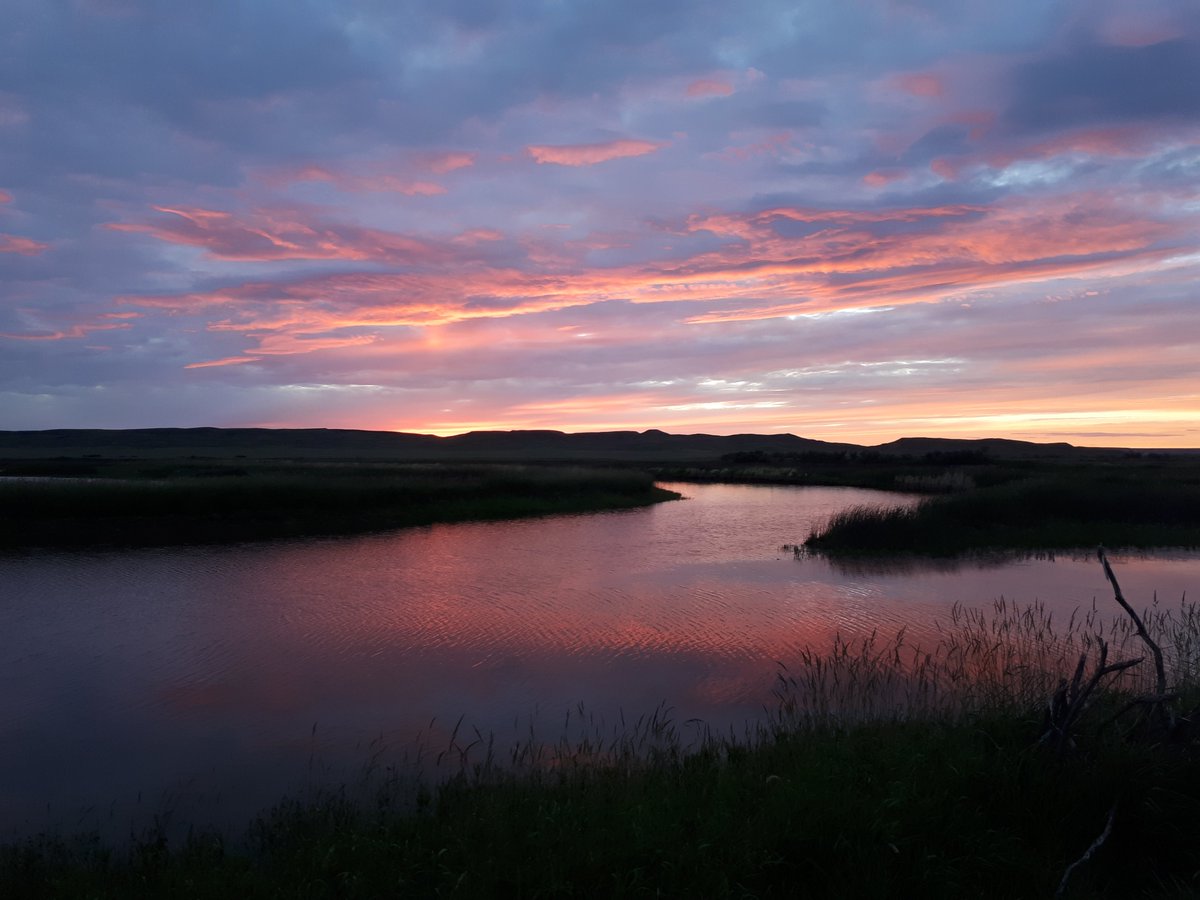
Hoary Bats and other migratory bats have a few different habitat needs. In the summer, they need open habitats like lakes, meadows or grasslands to forage and drink. They also need treed sites to roost.
#SARSweetTweet#naturesask#saskparks#nature4all#agmorethanever
Researchers have a tough job searching for bats! Acoustic detectors are used to survey for which bats may occur. But bat species can confuse these detectors with similar vocalizations! As acoustic detection isn’t perfect, visual observation is best!
Image: NationalParkService
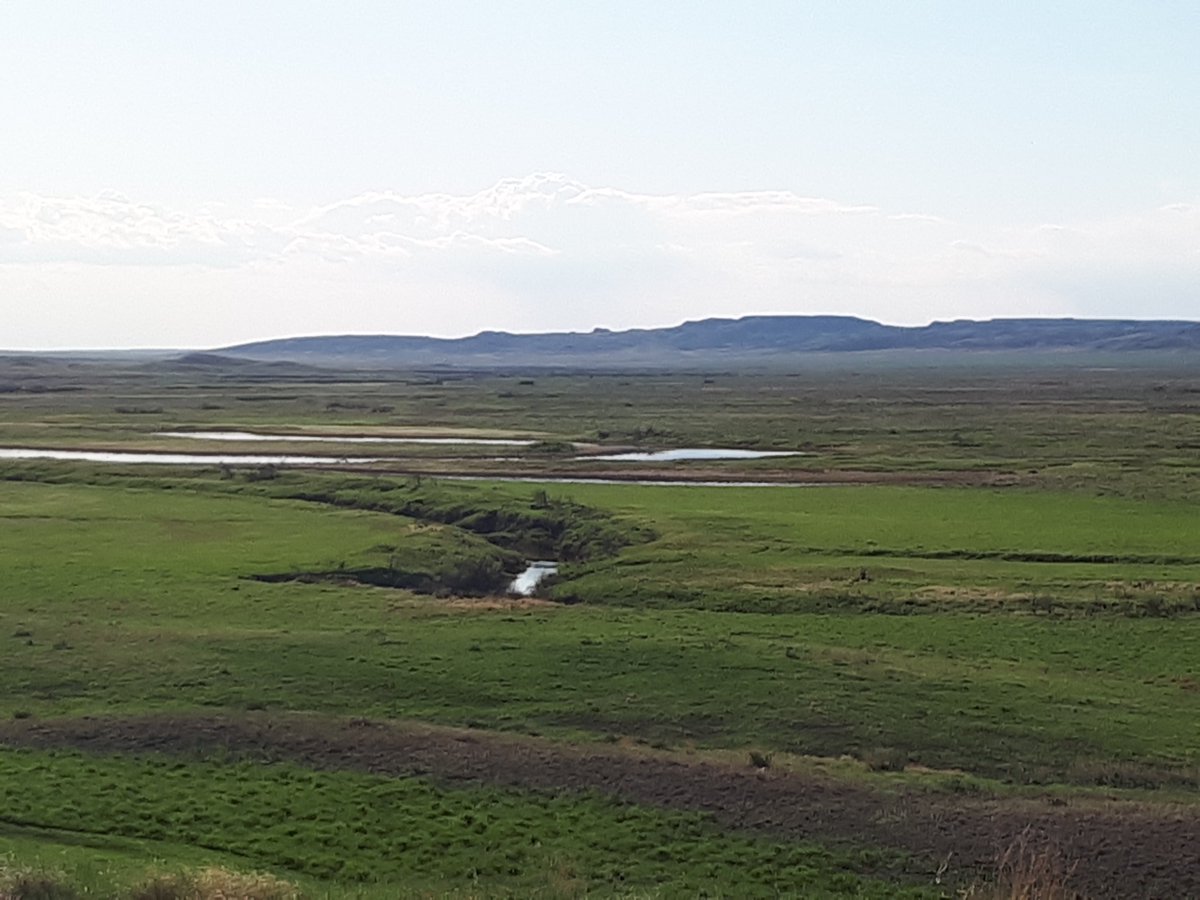
Hoary Bats are known to roost in trees. However, large expanses of open prairie are important for them to breed & migrate. They may use trees associated with rural towns across the prairies.
#SARSweetTweet#naturesask#saskparks#nature4all
Image: FlickrCreativeCommons/Tom Benson