📊 ¿Sabías que el 41% de las #PYMEs españolas ya usa IA en su día a day, liderando el ranking en Europa según @YouGov ? 🇪🇸
Pero cuidado: meter datos de tu negocio en herramientas abiertas está trayendo problemas de privacidad y caos operativo
Léenos:
https://t.co/SIGoIvtIiN
📱 Cambiamos entre apps
más de 1.200 veces al día.
Los equipos pierden hasta un 40 % de su tiempo por interrupciones @Hubstaff
💡 El problema no es la tecnología.
Es la falta de integración.
https://t.co/AN0YD8dhvA
[email protected]#SatinelSystem#productividad
💭 El problema es cuando el equipo siente que usarlo el #software complica más el trabajo
Un buen diseño #UX consigue lo contrario:
🚀tareas más rápidas
🛠️menos errores
🤝herramientas que la gente realmente quiere usar
La tecnología debe adaptarse a las personas
#SatinelSystem
🇪🇸 A threat actor is advertising an alleged dataset tied to Spain’s Agencia Tributaria electronic platform — the country’s official tax administration portal.
According to the listing, the exposed records allegedly include:
• full names
• DNI/NIE/CIF national identity identifiers
• birth dates
• residential information
• multiple phone numbers
• country/province data
• taxpayer-related metadata
• technical indicators/flags
And if authentic, this is exactly the kind of dataset cybercriminals love most:
high-confidence identity infrastructure.
Why?
Because government-linked identity datasets dramatically increase the effectiveness of:
• financial fraud
• tax scams
• identity theft
• synthetic identity creation
• banking impersonation
• social engineering
• telecom fraud
• SIM swapping
• account recovery abuse
One especially important point:
DNI/NIE identifiers are foundational identity attributes in Spain.
When attackers combine:
• national IDs
• phone numbers
• birth dates
• residence information
they can often build highly convincing fraud profiles.
And modern cybercrime is increasingly about:
identity correlation.
Not just “stealing passwords.”
Another major concern:
tax-related data carries unusually high trust value.
People panic when they receive:
• tax notices
• audit warnings
• refund alerts
• “missing payment” messages
Attackers know this extremely well.
So datasets like these can become fuel for:
• phishing campaigns impersonating tax authorities
• fake refund operations
• identity verification fraud
• malicious e-signature requests
• banking takeover attempts tied to tax filings
And yes…
some phishing emails now have better branding consistency than government portals themselves.
The listing also references:
• electronic certificates
• digital signatures
• taxpayer verification systems
which is particularly notable because trust ecosystems around digital identity infrastructure are now prime targets globally.
Governments increasingly rely on:
• centralized citizen identity systems
• e-government platforms
• electronic signatures
• digital tax workflows
which means compromise impact scales rapidly.
Another trend worth watching:
large citizen identity datasets are becoming strategic underground assets.
They are reused repeatedly across:
• fraud marketplaces
• credential stuffing ecosystems
• KYC bypass operations
• crypto onboarding fraud
• mule recruitment
• financial identity laundering
because verified identity data is now effectively a commodity.
At this stage, the authenticity and scope remain unverified.
However, organizations operating national-scale digital identity infrastructure should continuously monitor for:
• credential exposure
• unauthorized API access
• abnormal taxpayer queries
• identity enumeration activity
• phishing campaigns abusing government branding
• suspicious document verification requests
• e-signature abuse attempts
• underground marketplace activity targeting citizen records
Because once identity infrastructure data enters criminal ecosystems, the downstream effects can persist for years.
🇪🇸 #DDW #Intelligence #CyberSecurity #DarkWeb #Spain #DataLeak #ThreatIntelligence #IdentityTheft #Infosec #Fraud
@Esqueriguela Cuando un cliente nos contacta, lo primero es una auditoria de sus procesos, estudiamos su método de trabajo (desde todos los frentes) para aplicarlo al desarrollo.
Hacemos software a medida que resuelva sus problemas.
🌐 #DíaDeInternet ¿Cuánto depende ya nuestro negocio de él?
Con internet funcionan miles de negocios cada día.
Pero esta dependencia también trae retos:
🔐 ciberseguridad
⚙️ integración de sistemas
🤖 automatización e IA
https://t.co/AN0YD8dhvA
#DiaDeInternet#PYMES#Software
🔐 La ciberseguridad no es solo para empresas tecnológicas
@INCIBE ha lanzado una guía práctica para que directivos y #PYMES puedan proteger su negocio sin necesidad de conocimientos técnicos
💡 Concienciación + buenas prácticas = la mejor prevención
https://t.co/AN0YD8dhvA
🔴 Google refuse de corriger une faille critique d’Android 16 permettant à n’importe quelle application de contourner les VPN et d’exposer l’adresse IP réelle des utilisateurs, même avec les protections “Always-On VPN” et “Bloquer les connexions sans VPN” activées.
👉 Tous les VPN Android seraient potentiellement concernés : ProtonVPN, NordVPN, Surfshark, ExpressVPN, Mullvad et les autres fournisseurs utilisant le système VPN natif d’Android.
Le plus inquiétant : Google aurait classé le signalement de la faille comme “non faisable”, tandis que GrapheneOS a déjà déployé un correctif de son côté.
➡️ Selon les chercheurs en cybersécurité, une application malveillante pourrait envoyer certains paquets réseau en dehors du tunnel VPN afin de révéler l’adresse IP réelle de la victime.
Cette fuite pourrait permettre :
• le suivi des utilisateurs ;
• la géolocalisation réelle ;
• la surveillance d’activité ;
• le contournement de l’anonymat offert par les VPN.
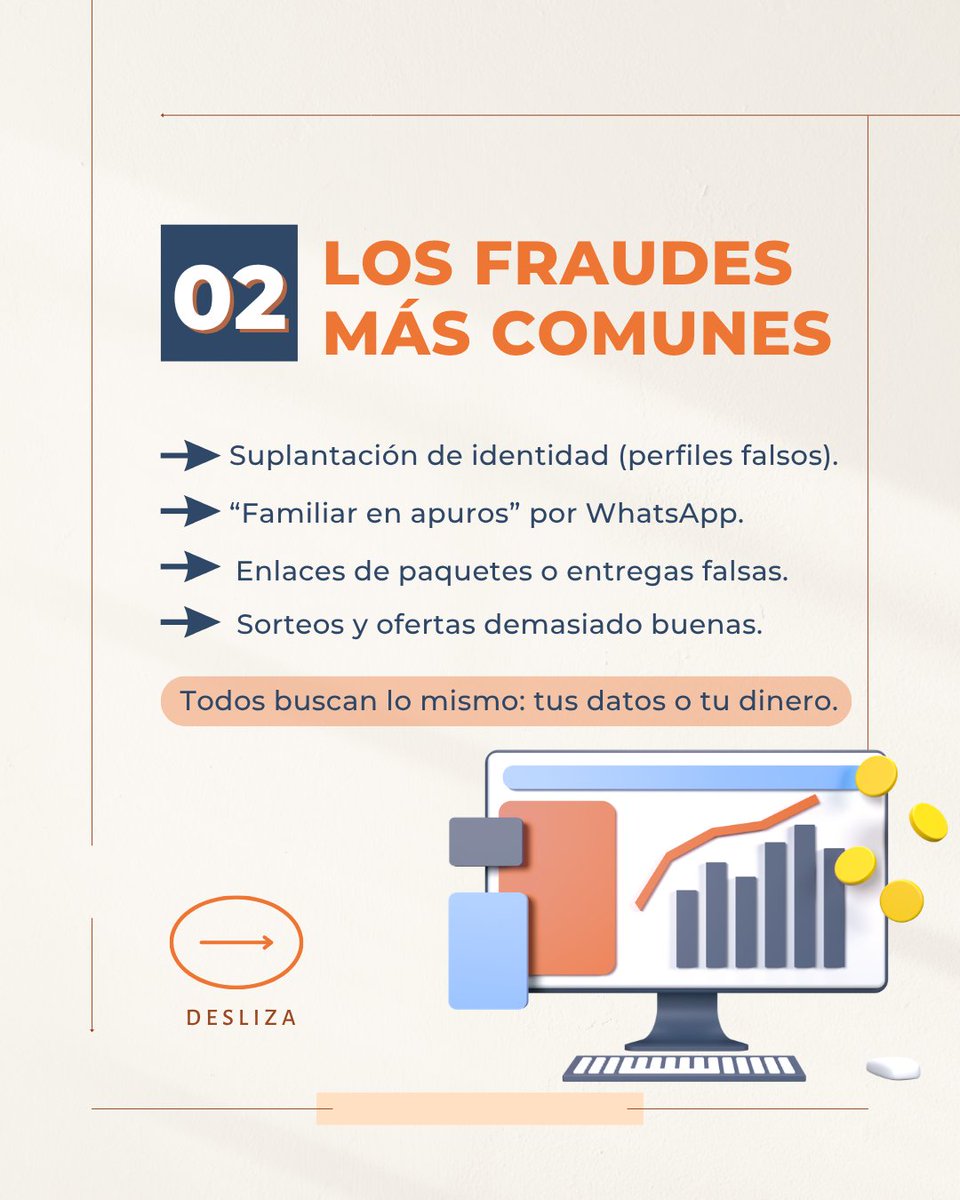
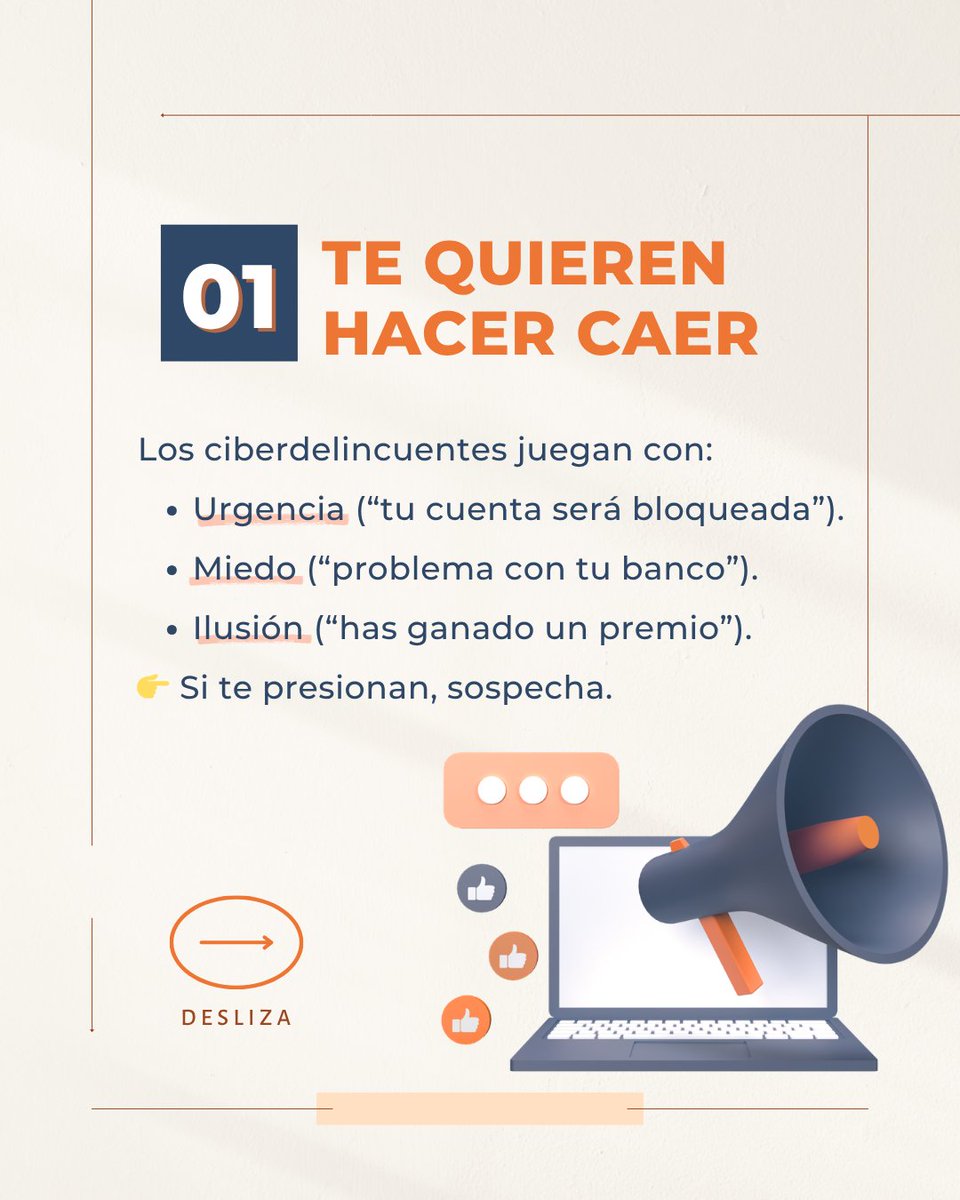
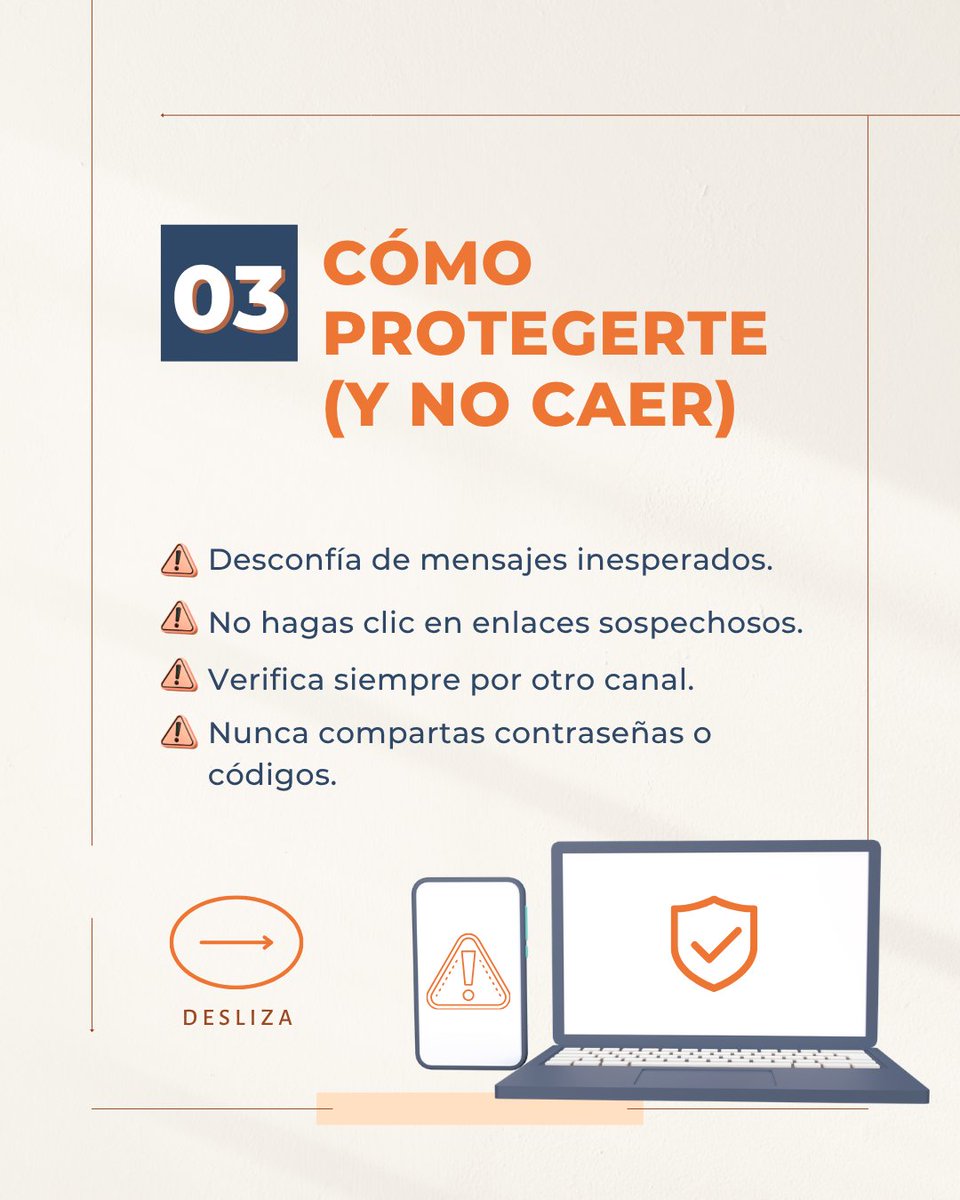
😱 Un clic y puedes perderlo todo 😱
Así funcionan muchos fraudes en redes y WhatsApp: rápidos, falsos y muy creíbles.
No piques. Infórmate 👉 https://t.co/URB79HDoZi
💭 Lo confieso: muchas veces el problema no está en el software, sino en el proceso
La tecnología no arregla el caos
Lo amplifica
Si hay claridad, multiplica resultados
Si no la hay, acelera los problemas
En @SatinelSystem antes de programar, escuchamos
#TransformacionDigital
🔐 Hoy es el #DiaMundialDeLasContraseñas
¿Sabías que el inventor de las contraseñas digitales tenía raíces españolas? 🇪🇸
60 años después, siguen siendo clave para proteger empresas y datos…
💡 La ciberseguridad empieza con buenos hábitos.
https://t.co/AN0YD8dhvA
#PasswordDay
"La interacción entre academia, empresa y sociedad es fundamental". Un orgullo para Satinel System ser el partner tecnológico en este tipo de proyectos de transferencia. 🤝✨
¡No te pierdas la entrevista completa! #Software#UCA#Lingüística#Innovación#SatinelSystem
🚀 ¿Cómo se digitaliza la ciencia? Hoy en el blog de Satinel hablamos con Alba Macías (investigadora de la @univcadiz ) sobre el proyecto GETERDOC.
Una herramienta clave para la lingüística desarrollada mano a mano con nuestro equipo. 🧵👇 https://t.co/2u21Tpy740
GETERDOC no es solo una base de datos; es una multiherramienta que une bibliografía especializada, un corpus multilingüe y el modelo patentado DOCUTERM para el análisis de términos. La tecnología al servicio del conocimiento. 🌐💻