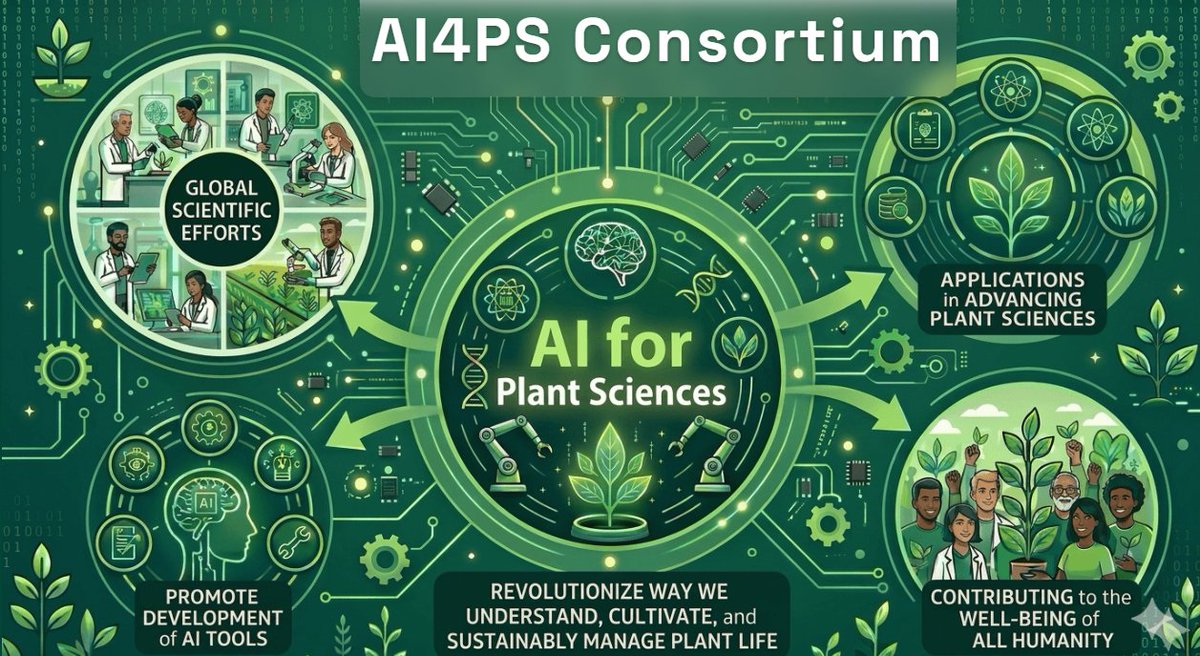
Excited to announce the launch of the AI for Plant Sciences (AI4PS) consortium🎉Uniting global efforts to advance AI tools and applications in plant science for the benefit of humanity. Website: https://t.co/Pvg0peHFC2 Stay tuned for updates, resources, and opportunities!
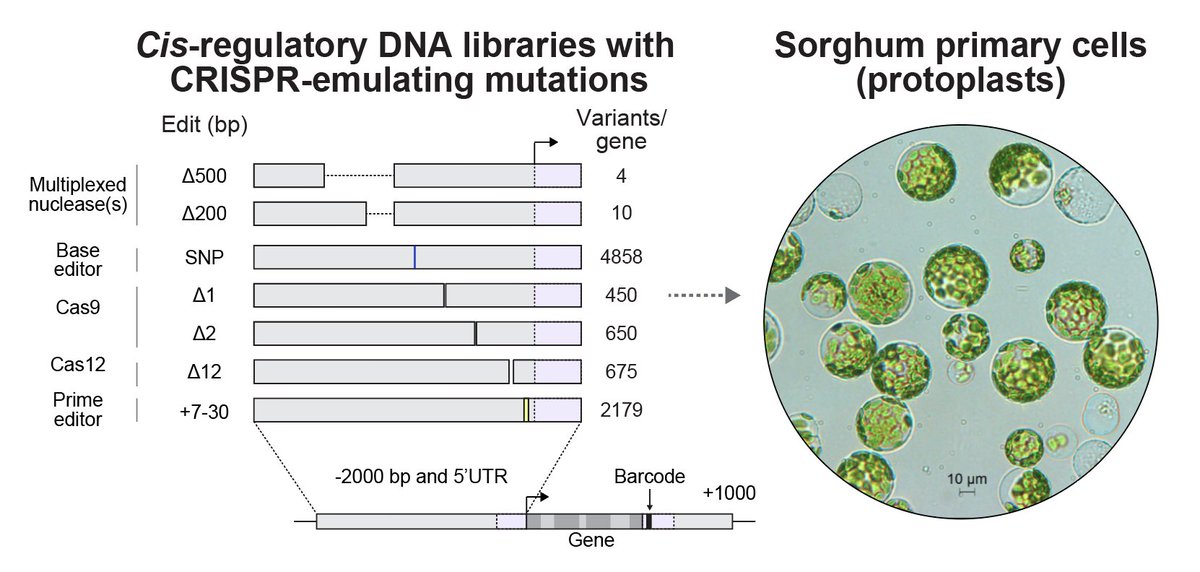
Can CRISPR edits enable precise tuning of plant gene expression? We think: yes.
In our newest manuscript, we measured the effects of >30,000 CRISPR-like promoter mutations in sorghum protoplasts.
Activista: «El uso de agua para la carne de res es obsceno. Miles de litros por kilogramo.»
Productor: «Eso es lluvia.»
Activista: «¿Qué?»
Productor: «La cifra incluye toda la lluvia que cae sobre el pasto. Las vacas beben del arroyo. La lluvia cae, haya una vaca aquí o no.»
Activista: «Sigue siendo consumo de agua.»
Productor: «¿Debería impedir que la lluvia caiga en mi campo?»
Activista: «Cultiva cosechas en su lugar. Es más eficiente.»
Productor: «Esto es una pendiente de 35 grados en las colinas de Gales. Enséñame el cultivo.»
Activista: «La tecnología...»
Productor: «¿Para hacer que los tractores suban montañas?»
Activista: «Debe haber una solución.»
Productor: «La hay. Se llama una vaca.»
Activista: [revisa el teléfono]
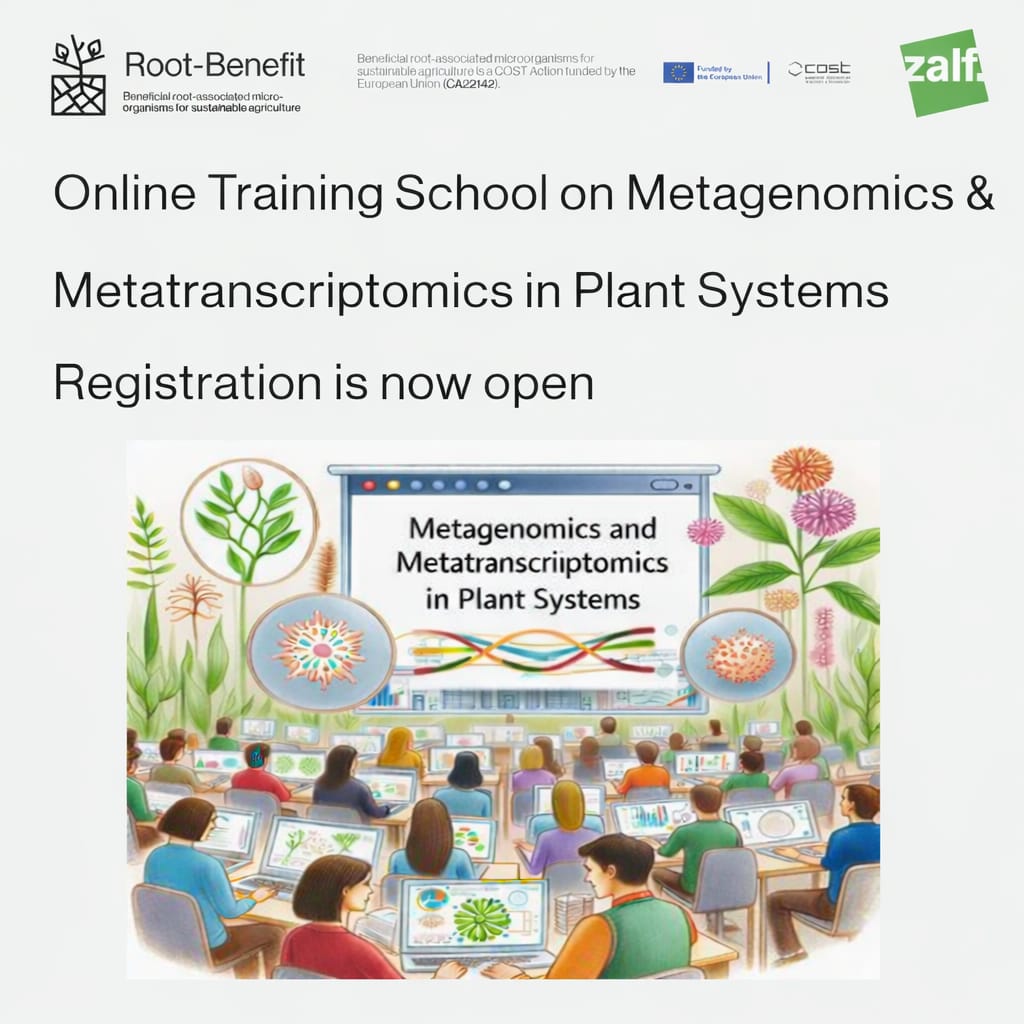
Online Training School on Metagenomics & Metatranscriptomics in Plant Systems
🌱💻 Expert talks + hands-on bioinformatics training on plant microbiomes.
Limited practical slots. Registration closes 8 March 2026.
Link: https://t.co/yWYYXtUgZ9
🇨🇱 | Un equipo de científicos del Instituto Antártico Chileno (INACH) captó por primera vez en alta resolución el espectacular buceo de pingüinos barbijo mientras buscan alimento en aguas antárticas.
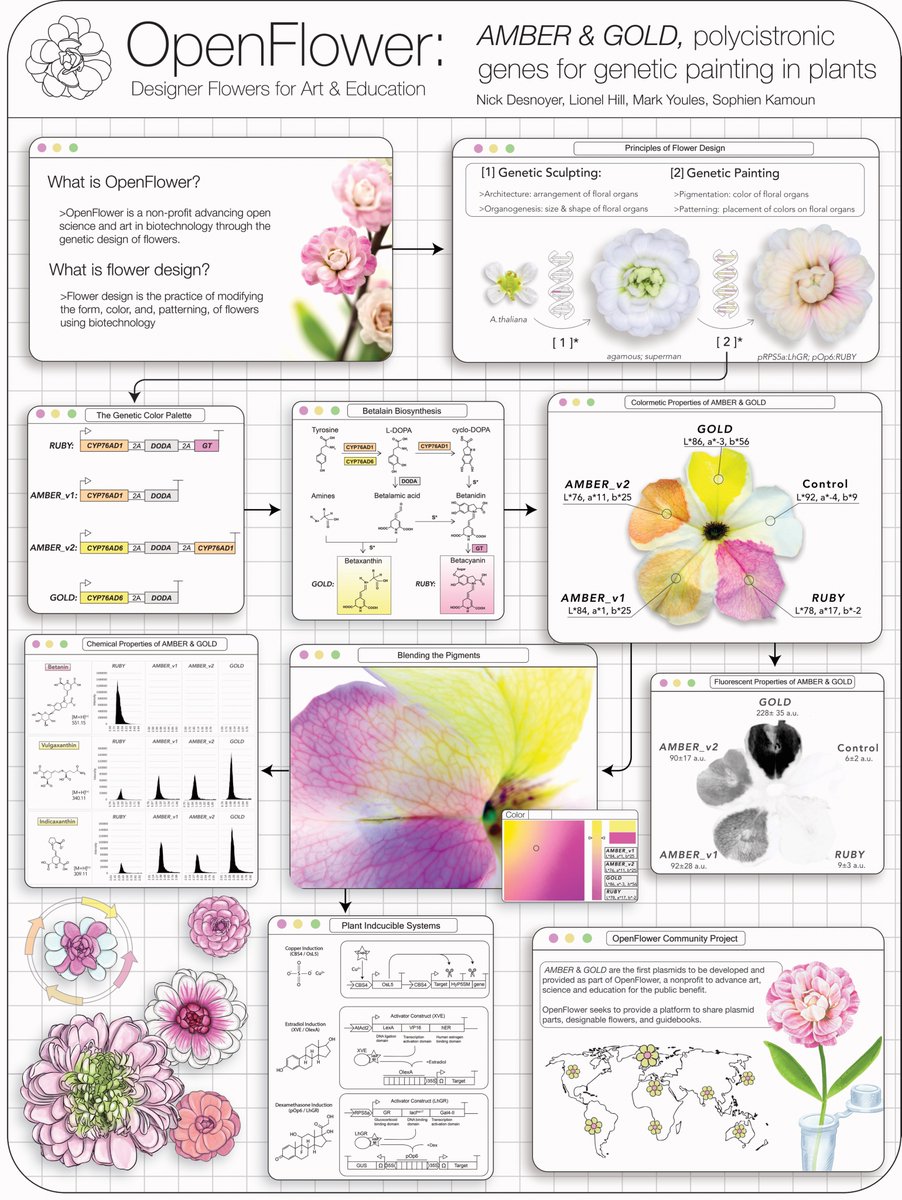
Thanks everyone for the overwhelming support of my flower bioengineering poster!
Full-resolution poster + citation: https://t.co/IcWBchjnSJ
Paper: https://t.co/lk5MwUOVlR
📢 El sector científico y académico tiene un rol clave en la transformación de los #SistemasAgroalimentarios.
Participa en la Consulta regional preparatoria para la #LARC39
🗓️ 14/01/2026 | Evento híbrido.
Regístrate➡️https://t.co/tVcasMfZPE
#FAOEscucha
Fuerte y claro: RESFRIADO COMÚN ≠ GRIPE (por INFLUENZA A H3N2)
A propósito de los dos primeros casos de influenza A H3N2 subclado K confirmados pr el MINSA AYER en Lima, permítanme aclarar algo que es muy importante: No es un resfriado común, veamos;
🟦 RESFRIADO COMÚN
(Generalmente leve)
•Inicio gradual
•Congestión nasal
•Estornudos
•Dolor de garganta leve
•Sin fiebre o fiebre baja
•Permite continuar actividades
🔴 GRIPE – INFLUENZA A H3N2 (subclado K)
(Puede complicarse, si eres parte de la población de alto riesgo y no estás vacunado)
•Inicio brusco
•Fiebre alta (≥38 °C)
•Dolor intenso de cabeza y cuerpo
•Cansancio extremo / postración
•Tos seca
•Escalofríos
👉 Si “te tumba”, no es un resfrío.
⚠️ ¿POR QUÉ ES PELIGROSA LA INFLUENZA?
•Puede causar neumonía
•Puede requerir hospitalización
•Puede causar muerte
¿Quiénes son la población de alto riesgo?
•Adultos mayores
•Niños pequeños
•Gestantes
•Personas con enfermedades crónicas
•Personal de salud
🛡️ ¿QUÉ DEBES HACER?
✔ Vacúnate contra la influenza
✔ Quédate en casa si tienes los síntomas
✔ Usa mascarilla si tienes síntomas para que no contagies a los demás.
✔ No te automediques, menos con antibióticos, solo te vas a complicar!
✔ Acude a tu centro de salud más cercano si empeoras o te falta el aire!
🔎 MENSAJE CLAVE: La influenza no es un resfrío y minimizarla es un error peligroso.
Saludos cordiales
Antonio M. Quispe MD, PhD
Bioinformatics has revolutionized biological research, enabling scientists to analyze large sets of biological data, derive meaningful insights, and make more accurate predictions. https://t.co/BJPnAeccyB
#DataScience#rstats#DataScientist#datavisualization#bioinformatics
📌 2 Two Graduate Assistantships in Plant Phylogenomics at Department of Integrative Biology, University of Guelph, Canada 🇨🇦, See details at: https://t.co/yxbeRxwfA7 via @agristok
TULIP International Summer School 2025
"Biological interactions from genes to ecosystems"
🗓️ From June 21 to 27
🏔️at Germ, French Pyrénées
Registration OPEN ✅
https://t.co/xdVTd9oh6F
Open to PhD students, masters students and postdocs.
For any plant pathologists or fungus enthusiasts doing DNA barcoding, here’s a one-tube rapid DNA extraction method from diseased tissue or tiny immersed fruitbodies that might be useful for DNA-based identification of plant pathogens.
The method was developed by Dong et al. (2022) for use in diagnosing rice blast lesions in rice (causal agent Pyricularia oryzae =Magnaporthe oryzae) using PCR and specific primers.
It involves heating a 2x2 mm fragment of a disease lesion at 95 °C for 10 minutes in an extraction buffer composed of 25 mM Tris-HCl (pH 8.7), 2.5 mM EDTA (pH 8.0), 250 mM KCl, and 0.02% Tween 20 (a detergent). 1 μL can then be used directly for PCR.
The extraction method was capable of producing PCR-ready DNA that produced amplicons of 570 bp to 1,139 bp in length without additional dilution or PCR additives. DNA extracts frozen at -20 °C were stable enough to produce PCR amplicons for three months after extraction (longer testing was not reported).
Breaking down the buffer composition, it’s a pH-buffered (via Tris-HCl) high osmotic pressure (via KCl) solution containing EDTA to inhibit nucleases and a non-ionic detergent (Tween-20) to aid in wetting and cell lysis.
It's very similar to several other published methods but I don't think I've seen this exact formulation combined with heat lysis and direct PCR before. Let us know if you have!
The formulation is safe, inexpensive, and should have a good shelf-life at room temperature. It also seems very effective for rice blast lesions, suggesting that it might work well for detection of similar plant disease-causing microorganisms.
The 10-minute one-tube thermal lysis for direct PCR approach makes it easy to use on single samples, for high-throughput approaches, or for rapid field extractions, for example when using Bento Lab in the field.
All of these factors could make it a great additional DNA extraction method for professional or "DNA-enabled" field mycologists interested in plant-associated microfungi or plant diseases!
The method has also been recently cited in three studies on plant pathogenic fungi (by a different research group), where it was used to extract DNA from fungal cultures. It probably has many other possible applications too!
You can find the article here:
Dong et al. (2022). A rapid and simple method for DNA preparation of Magnaporthe oryzae from single rice blast lesions for PCR-based molecular analysis. The Plant Pathology Journal, 38(6), 679. https://t.co/rVX2qZqisy
Image shows a photo of rice blast symptoms on rice stalks by Donald Groth, USDA Forest Service.
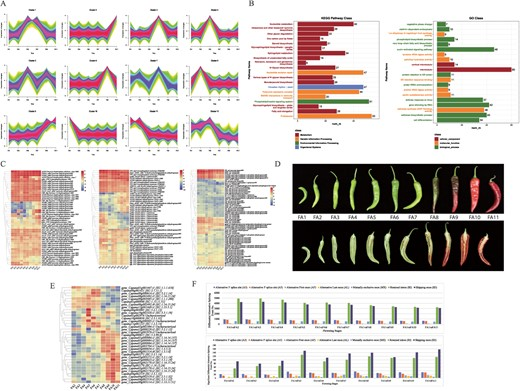
Chili pepper transcriptome reveals novel genes & transcripts! 450K+ novel RNAs found, impacting fruit dev & capsaicin biosynthesis. PFTVD 1.0 launched for data analysis. #ChiliPepperTranscriptome#LongReadSequencing@OxfordJournals
Details:https://t.co/wfyqVcWUYO







![Vincentt1987's tweet photo. Activista: «El uso de agua para la carne de res es obsceno. Miles de litros por kilogramo.»
Productor: «Eso es lluvia.»
Activista: «¿Qué?»
Productor: «La cifra incluye toda la lluvia que cae sobre el pasto. Las vacas beben del arroyo. La lluvia cae, haya una vaca aquí o no.»
Activista: «Sigue siendo consumo de agua.»
Productor: «¿Debería impedir que la lluvia caiga en mi campo?»
Activista: «Cultiva cosechas en su lugar. Es más eficiente.»
Productor: «Esto es una pendiente de 35 grados en las colinas de Gales. Enséñame el cultivo.»
Activista: «La tecnología...»
Productor: «¿Para hacer que los tractores suban montañas?»
Activista: «Debe haber una solución.»
Productor: «La hay. Se llama una vaca.»
Activista: [revisa el teléfono]](https://pbs.twimg.com/media/HD2MLJSXUAEwWZA.jpg)