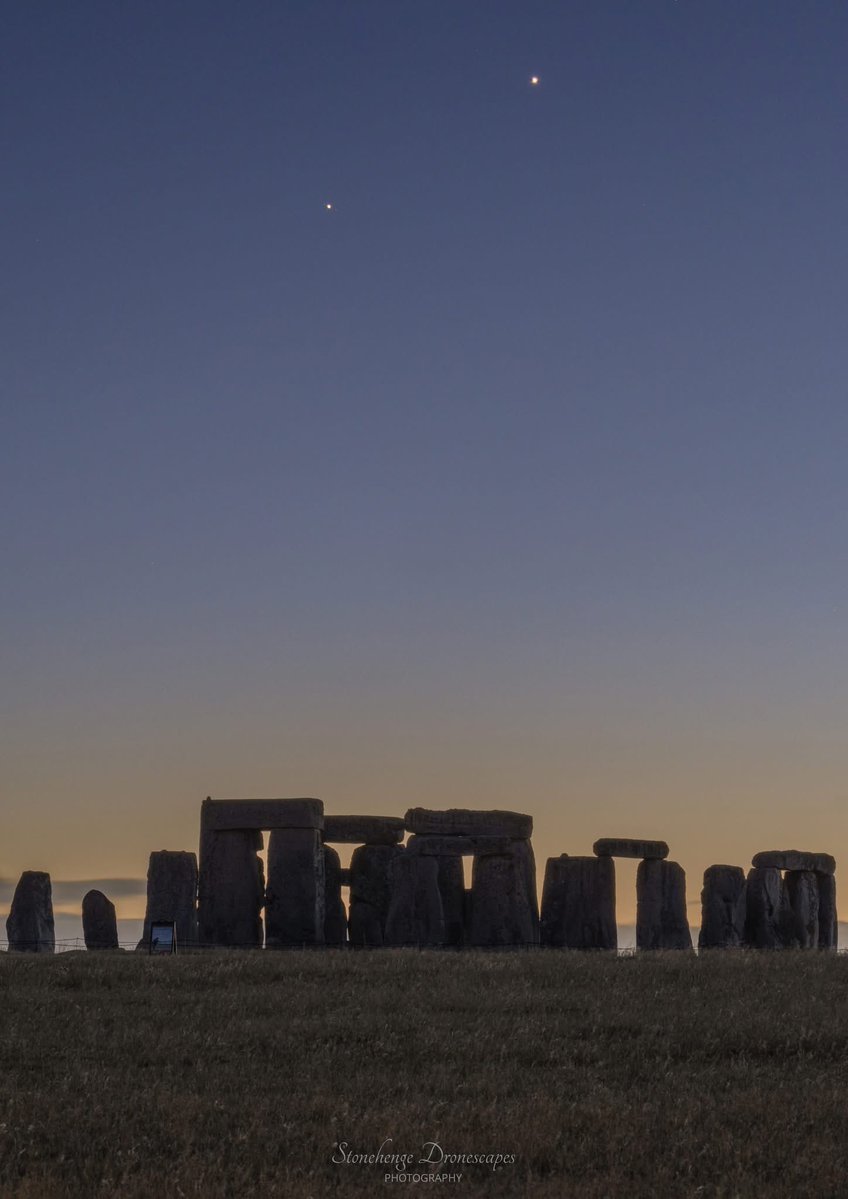
Two beautiful planets, Jupiter & Venus, glowing above Stonehenge in last night's twilight sky—a stunning sight to end the day. 😍🪐✨
If you zoom in to Jupiter, the smaller of the 2 planets you can just make out 3 of her Moons 🧐🤩 Photo credit Nick Bull 🙏
#Jupiter #Venus #stonehenge #twilight #Summer #astrophotography #planets #planet #June #nightsky
The Ethiopian Bible is considered the oldest and most complete Christian Bible on Earth. Created around the early fifth century, it was carefully written on goat skin, ensuring its preservation over centuries. Remarkably, it is also the world’s first illustrated Christian Bible, featuring intricate artwork that accompanied the sacred texts. Its survival provides a rare and invaluable glimpse into early Christian religious practices and manuscript traditions.
This ancient Bible reflects both the spiritual devotion and the artistic skill of its creators. The illustrations were not only decorative but also served to enhance understanding and engagement with the scriptures. Each page demonstrates the careful craftsmanship and reverence with which early Christian communities approached their sacred texts.
Today, the Ethiopian Bible remains a testament to the durability of early manuscripts and the cultural importance of preserving religious heritage. Scholars and historians study it to understand early biblical interpretation, Christian art, and the transmission of religious knowledge across centuries. Its existence highlights the deep historical roots of Christianity in Ethiopia and beyond.
Tener un perro contribuye a envejecer de forma saludable, pues mejora la memoria y el ánimo, fomenta la disciplina y ayuda a mantener un propósito 🐶❤️. Lee más en @Gaceta_UNAM > https://t.co/LAShXyompE
This video features Andrés Segovia performing Bach’s Gavottes I and II from the Sixth Cello Suite (BWV 1012), which he transcribed for guitar himself. Filmed in 1976 when he was 84 years old, it was shot at the historic Alhambra palace in Granada, Spain—his childhood city—and is part of the documentary Andrés Segovia: The Song of the Guitar. A fun tidbit: despite his advanced age, Segovia delivers the lively Gavotte I transitioning seamlessly into the more subdued Gavotte II around the 1:54 mark, proving why he’s credited with elevating the classical guitar from a folk instrument to a respected concert staple, all while performing up to 160 shows a year in his
Una semana entera sin internet, sin una visita y sin atención de @TELMEXSoluciona… DE NO CREERSE 🤬🤬🤬 ¿alguien que me ayude o me recomiende alternativas?
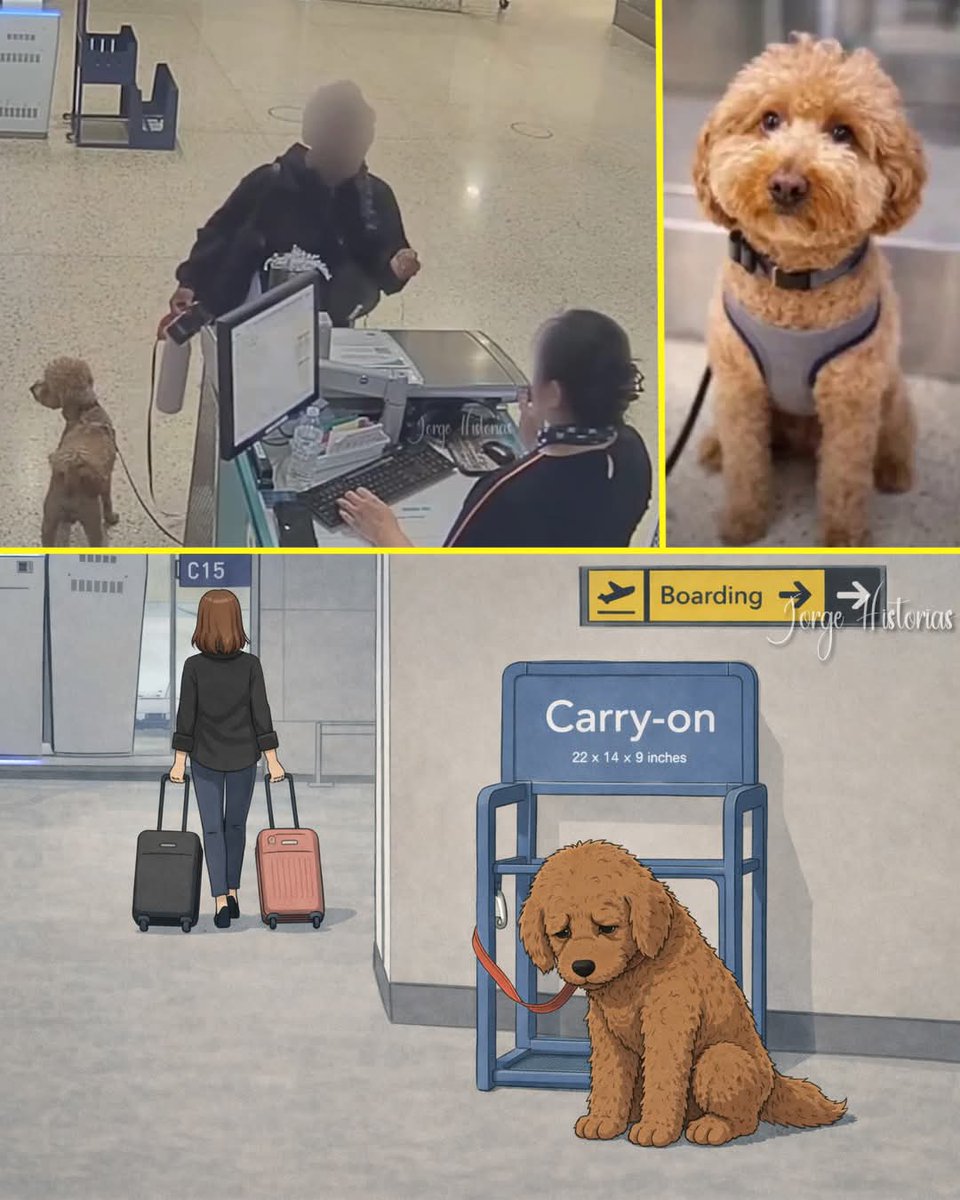
Para no perder su vuelo, una mujer decidió abandonar a su perrito en el aeropuerto.
Llegó con su golden doodle de dos años, pero sin el papeleo necesario para subirlo al avión. La aerolínea le negó el embarque y, con toda la frialdad del mundo, ató al perrito al medidor de equipaje de mano y caminó directo hacia la puerta de salida sin voltear.
Cuando los oficiales la encontraron, ella explicó que el animal tenía un rastreador GPS y podía regresar solo a casa. Obviamente, eso no convenció a nadie. La arrestaron por ab4nd0no de animal, resistencia al arr3st0 y declaración falsa a un oficial.
Afortunadamente, las autoridades del aeropuerto se percataron a tiempo y el perrito quedó al cuidado de una organización de rescate en Las Vegas, donde fue bautizado como "Jet Blue". Decenas de personas se ofrecieron para adoptarlo.
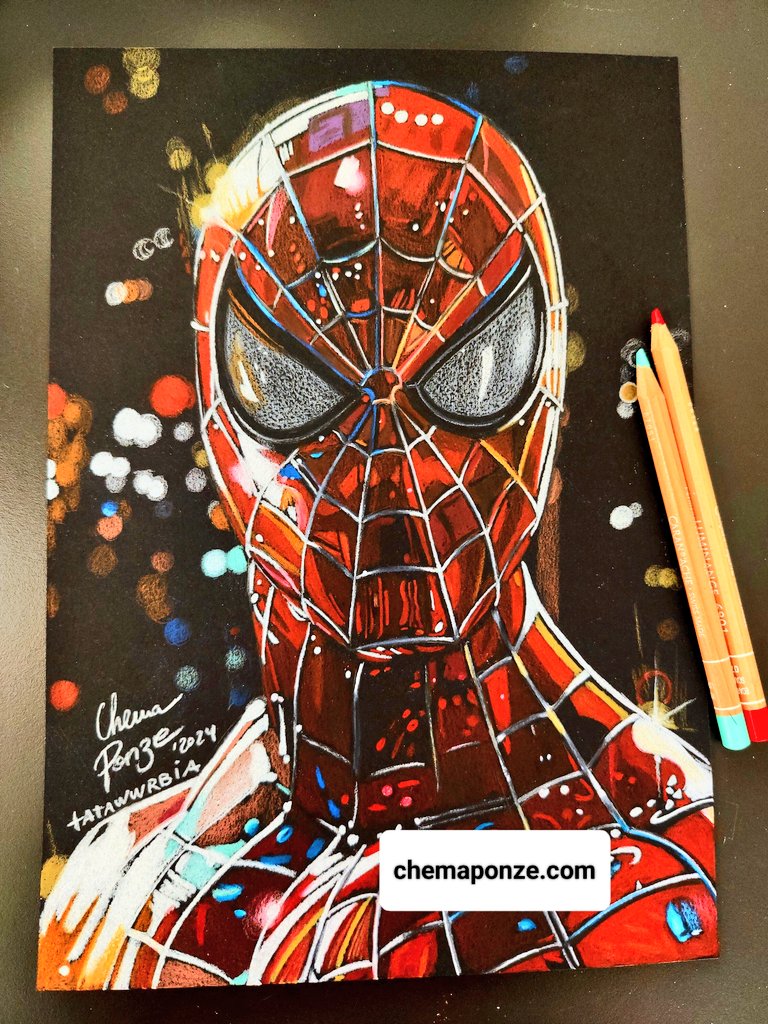
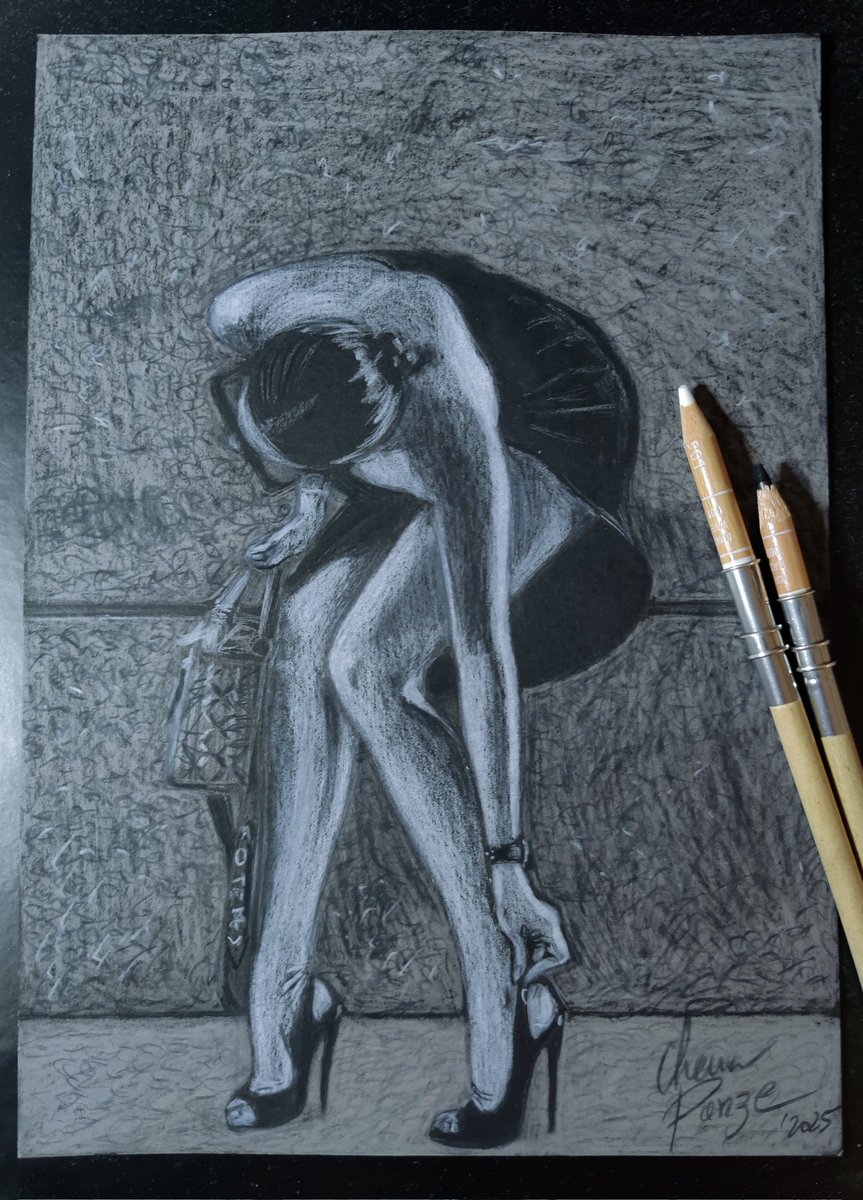
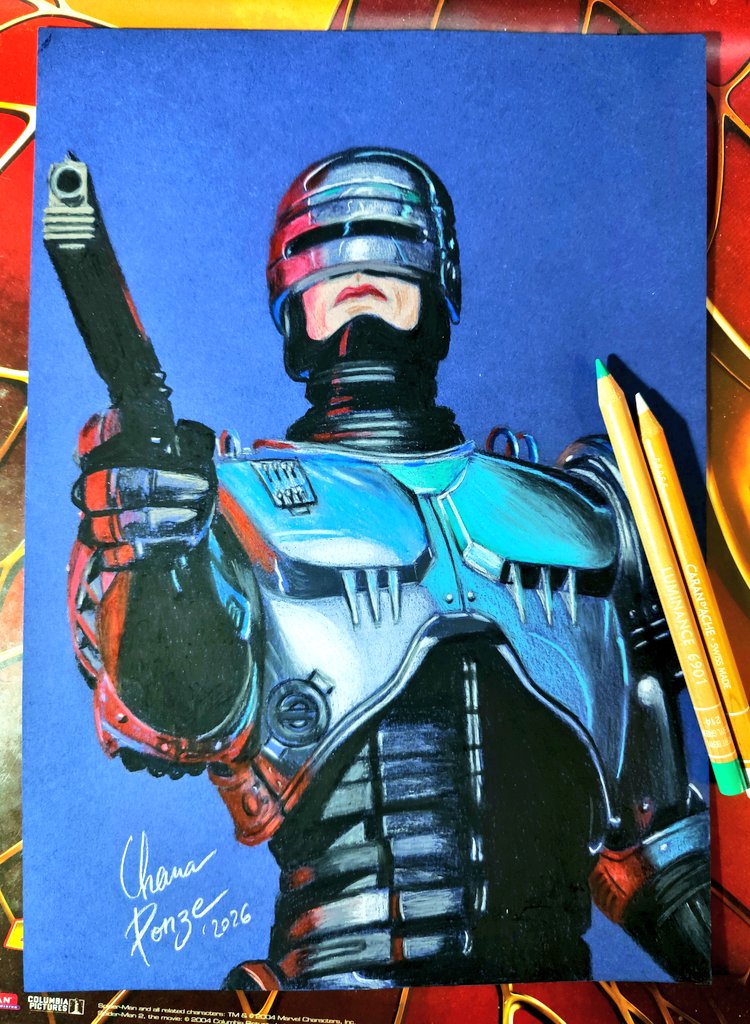
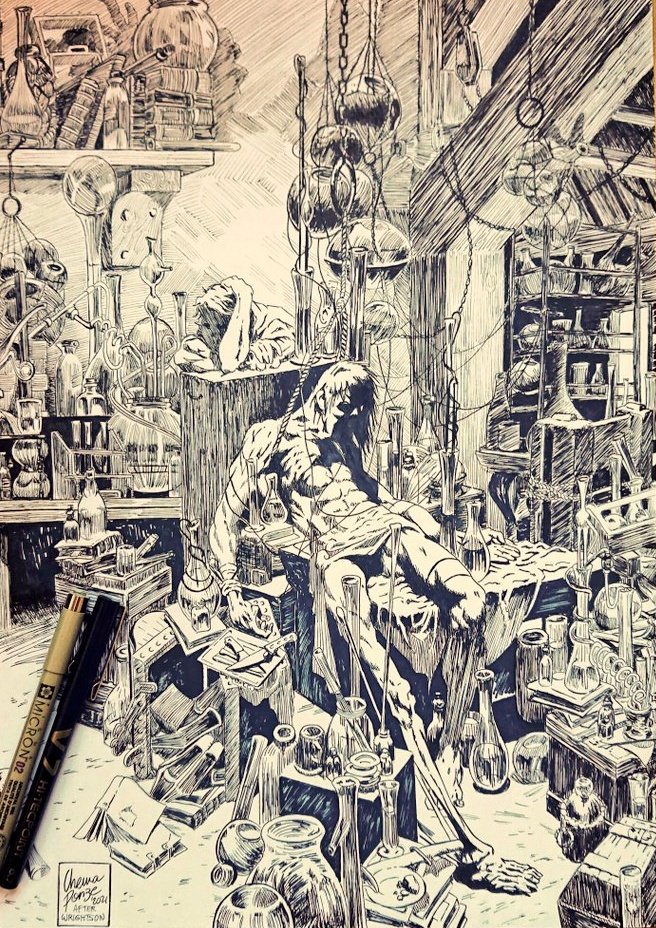
Me llamo Chema y soy dibujante tradicional. Desde que llegó la IA casi no tengo trabajo, pero yo seguiré dibujando mientras pueda.
¿Me ayudas a difundir mis obras? Por cada retuit ayudas a compartir el arte generado por las personas y Skynet pierde una batalla. ¡Gracias!
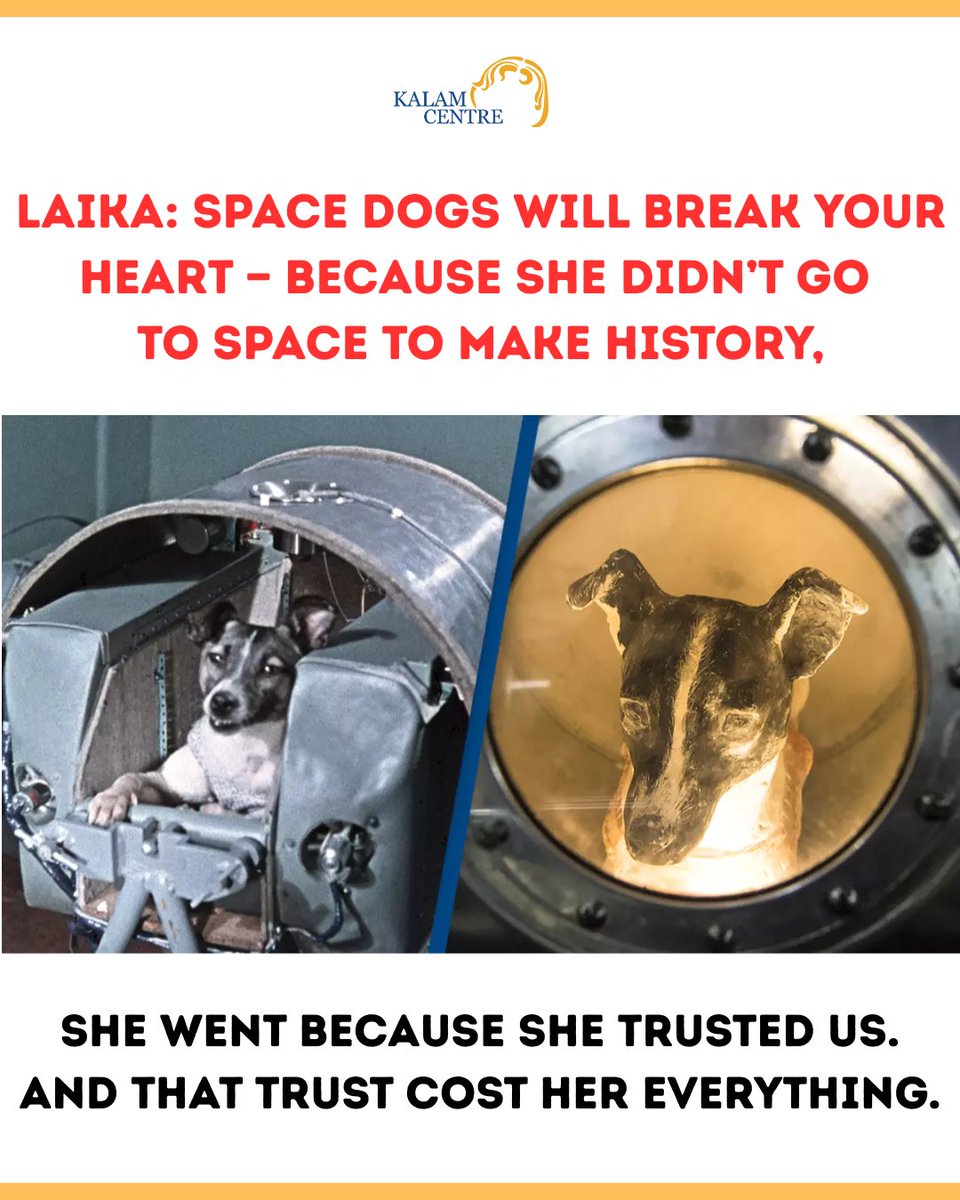
It has been 67 years since she left Earth…
yet her story still weighs on the human conscience like an unanswered prayer.
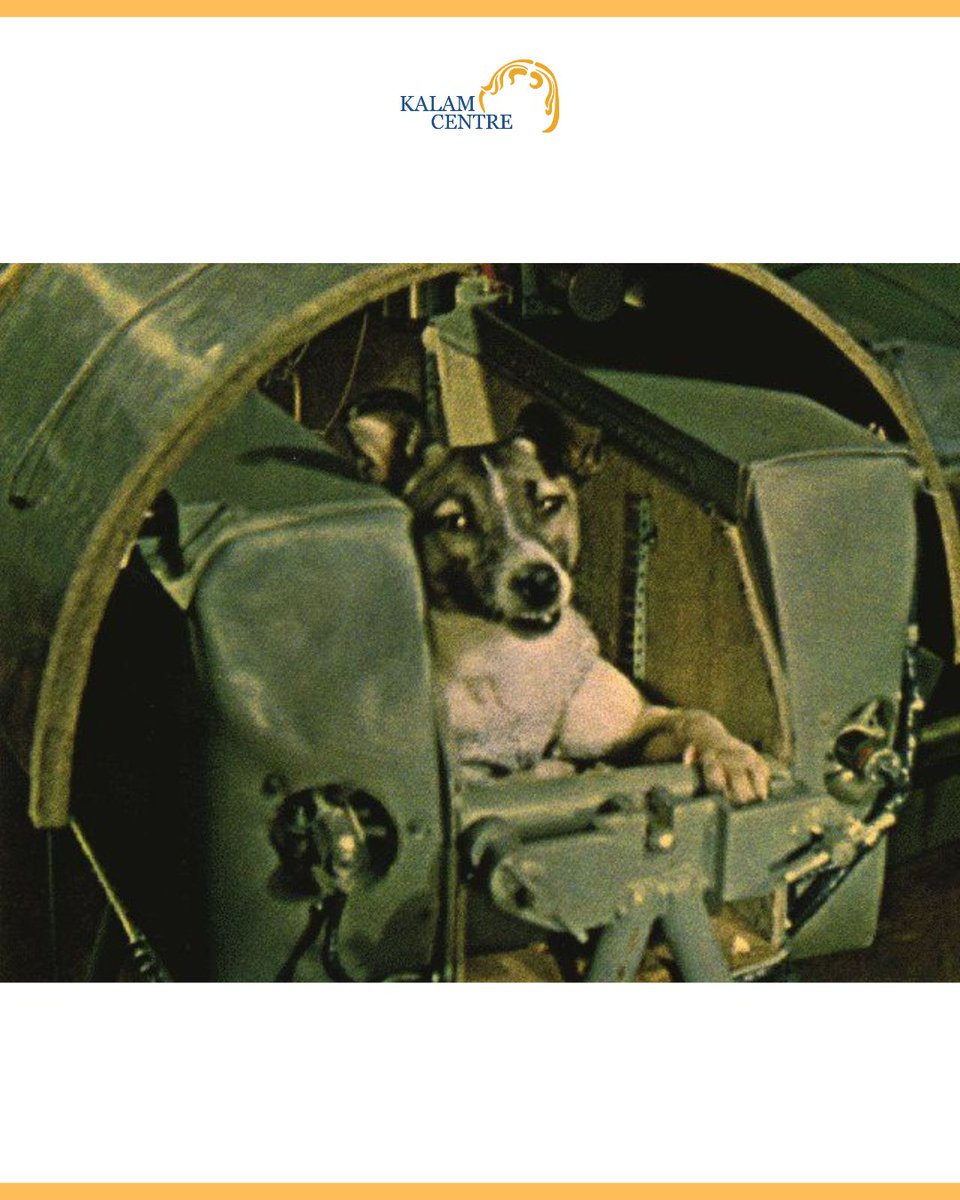
Laika was not just a dog sent into space.
She was trust wrapped in fur.
A quiet heartbeat that believed humans would keep her safe—
because that is what dogs do.
They believe. Even when they shouldn’t.
Her real name was Kudryavka — “curly.”
A nameless stray from the frozen streets of Moscow.
No home.
No warmth.
No voice in her own fate.
She wasn’t chosen because she was special.
She was chosen because she was obedient,
because she stayed calm,
because she endured pain without protest.
As if suffering itself became her qualification.
On November 3, 1957, she was sealed inside Sputnik 2.
The capsule had food.
It had water.
It had soft walls to cushion her body.
But it had no return plan.
No mercy.
No promise.
No way home.
She didn’t know she was going to die.
She didn’t know what space was.
She didn’t know the world was watching.
Some say she lived a few hours.
Some say a few days.
But what we know for certain is this—
Her final moments were spent alone.
Orbiting a planet she could never touch again.
Surrounded by heat, fear, and silence.
Below her, humans celebrated progress.
Above them, she suffered quietly—
a victory built on a life that never consented.
Laika circled Earth 2,570 times.
A small body carrying the unbearable weight of human ambition.
Months later, her capsule burned during re-entry,
and she vanished into the same fire that turned her into history.
Laika never chose to be a pioneer.
She never asked to be remembered.
She never understood science, politics, or glory.
She only trusted.
And in that trust, she became the first living being
to cross the space between Earth and the stars.
Today, we do not remember her with pride alone.
We remember her with gratitude.
With regret.
With a quiet ache that never fully heals.
Because progress without compassion leaves scars.
And some of the bravest hearts do not roar.
They beat softly.
They wait patiently.
They love without condition.
And sometimes—
they change the world forever…
without ever coming home.
#Laika #NeverForgotten #SpaceHistory #SilentHero #Courage #Sacrifice #HumanityAndScience #Gratitude #Guilt #StarsWithAHeartbeat
It has been 67 years since she left Earth…
and yet, her story still sits heavy on the human conscience.
Laika was not just a dog in a rocket.
She was trust, wrapped in fur.
A quiet heartbeat that believed humans would protect her—
because that is what dogs do.
Her real name was Kudryavka, meaning “curly.”
A stray from the frozen streets of Moscow.
No crown. No shelter. No choice.
She was chosen not for greatness,
but because she was calm, obedient, and strong enough to endure pain.
As if suffering itself became her qualification.
On November 3, 1957, she was placed inside Sputnik 2.
The capsule had food.
It had water.
It had padded walls.
But it had no return plan.
No goodbye.
No understanding.
No way home.
Some say she lived for a few hours.
Some say a few days.
What we know for certain is this—
Her final moments were spent alone,
orbiting a planet she could no longer touch,
surrounded by silence, fear, and heat—
unaware that the world below was cheering a victory built on her life.
Laika circled Earth 2,570 times.
A small body carrying the weight of human ambition.
Until, months later, her capsule burned up on re-entry—
and she disappeared into the same fire that made her a legend.
Laika never chose to be a pioneer.
She never asked to be history.
She never understood science, politics, or progress.
She only trusted.
And in that trust, she became the first living being
to bridge the distance between Earth and the stars.
Today, we don’t remember her with pride alone.
We remember her with gratitude,
with regret,
and with the quiet promise that progress should never forget compassion.
Because sometimes,
the bravest hearts don’t roar.
They beat softly…
and still change the world forever. 🐾🌍✨
#Laika #NeverForgotten #SpaceHistory #SilentHero #Courage #Sacrifice #HumanityAndScience #Gratitude #Guilt #StarsWithAHeartbeat
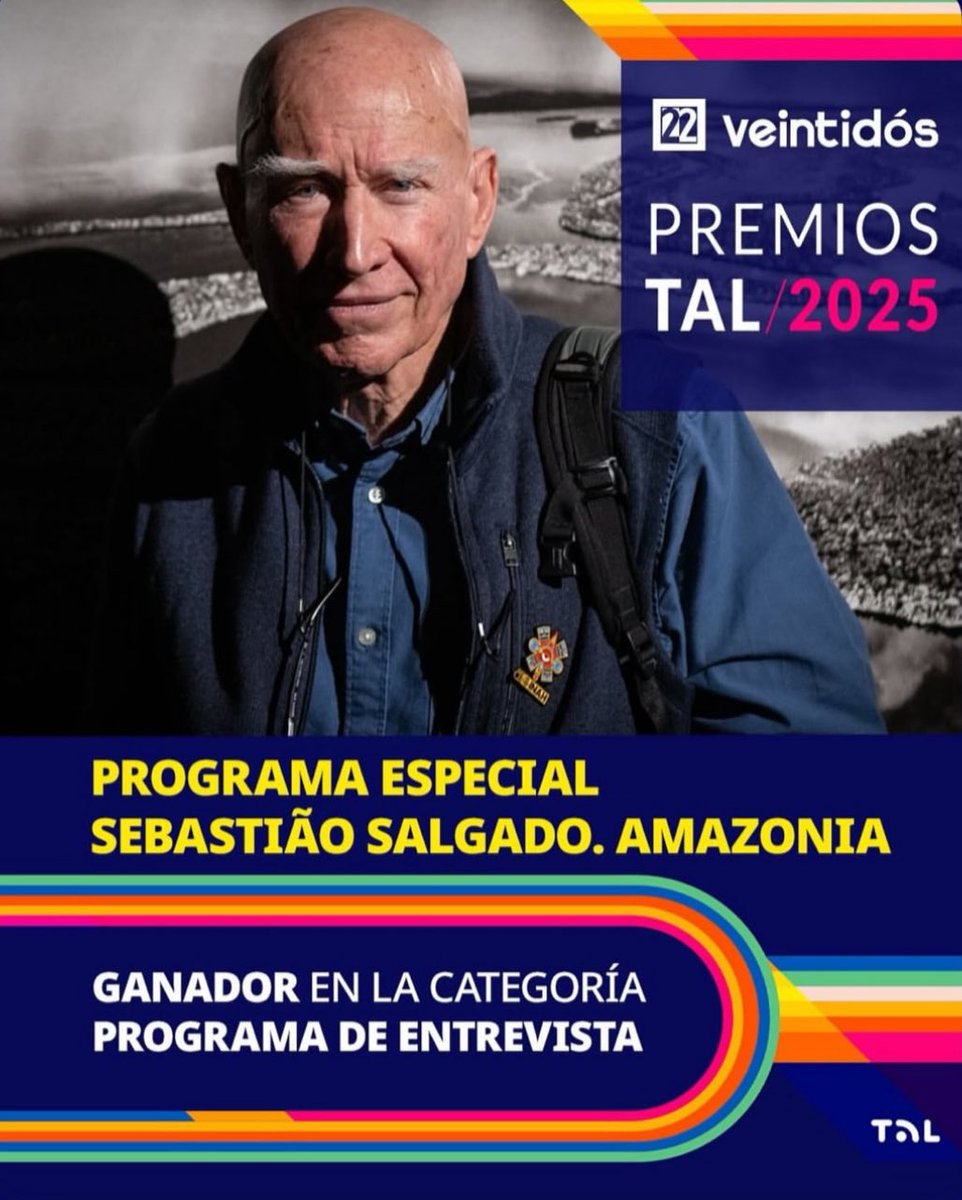
Qué honor tan grande ser una pequeñita parte de tremenda maravilla que organizó @Canal22 junto con el @INAHmx: una de las últimas entrevistas que dio nuestro héroe Sebastião Salgado 📸🤍 A todas y todos quienes formaron parte de esta joya, ¡muchísimas felicidades! Y mil gracias por dejarme participar en esta aventura @RedTALtv 🙏🏽😭💖