It is a beautiful day for a beautiful halo.
Wonder why halos are so frequent in the Antarctica?
We do.
Therefore, as a joint effort between Italian National Research Council @CNR_INO, @KITKarlsruhe and schnaiTEC we study ice particles at the #DomeC station at #Antarctica
We will have the change to launch 🚀 our new development and become part of the @esa#startup family through the #esabic Baden-Württemberg @bwihk
Stay tuned for some cool technology updates!
Now you can find all the details, including performance and applicability for long-term measurements, of our four-wavelength Photoacoustic Aerosol Absorption Spectrometer (PAAS-4λ) in one paper #innovation#AirQualityMonitoring https://t.co/XB3VWF0I1r
The #PHIPS cloud probe helps @SnowIMPACTS investigators to get a detailed view on ice microphysics in winter storms. Improved understanding of ice crystal habits can help to improve the predictability of heavy snowfall.
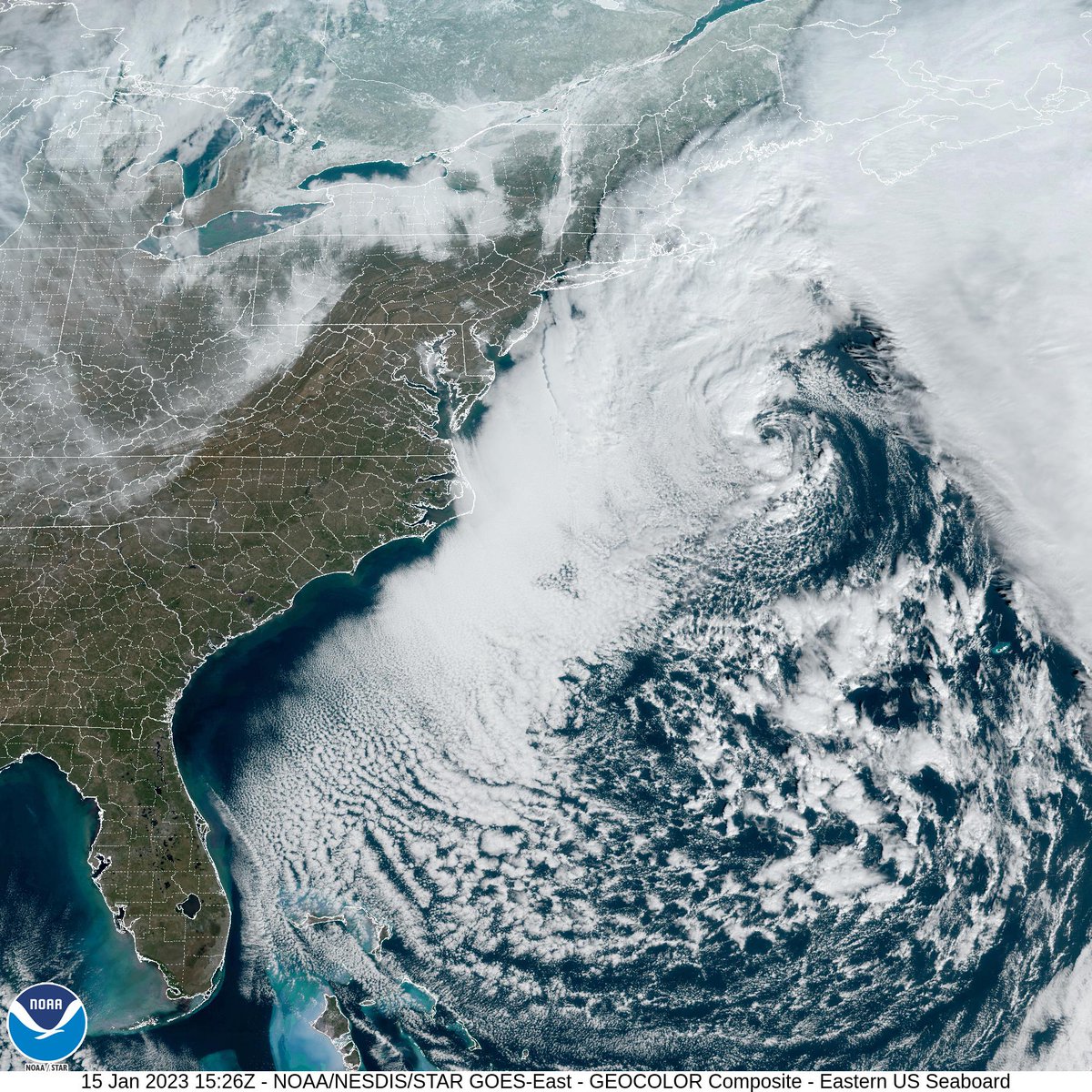
During #IMPACTS2023 RF02 we sampled a tight cyclonic system off the coast of Virginia.
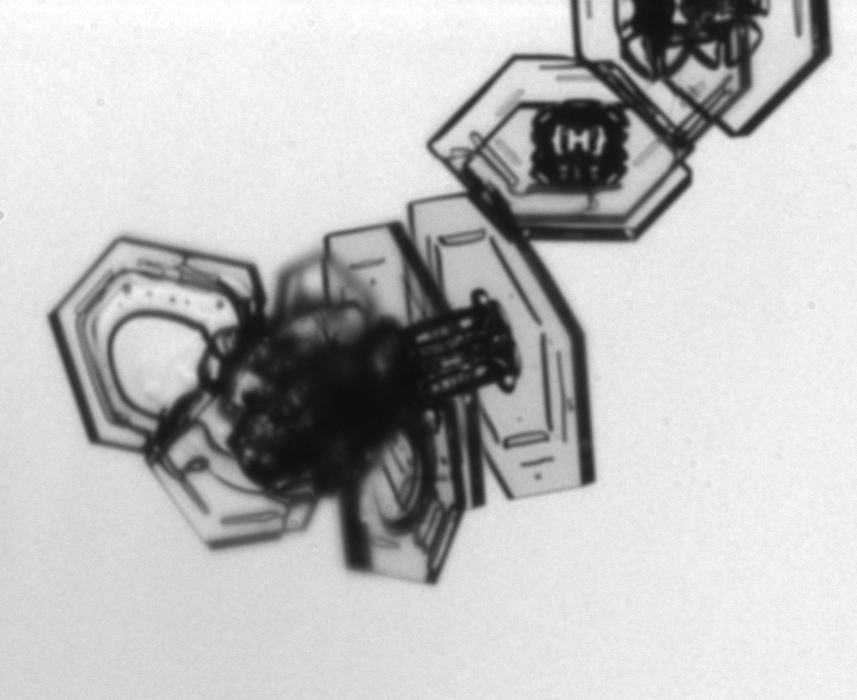
The most stunning observation was to find (chain-like) plate aggregates and capped columns throughout the system down to the lowest levels at -3°C indicating mixing of ice habits. #IceCrystals
Happy New Year! Our start to the new year has been extra happy as we can finally share with you our manuscript describing the performance of the first commercial Four-Wavelength Photoacoustic Aerosol Absorption Spectrometer https://t.co/J0Z0s27243
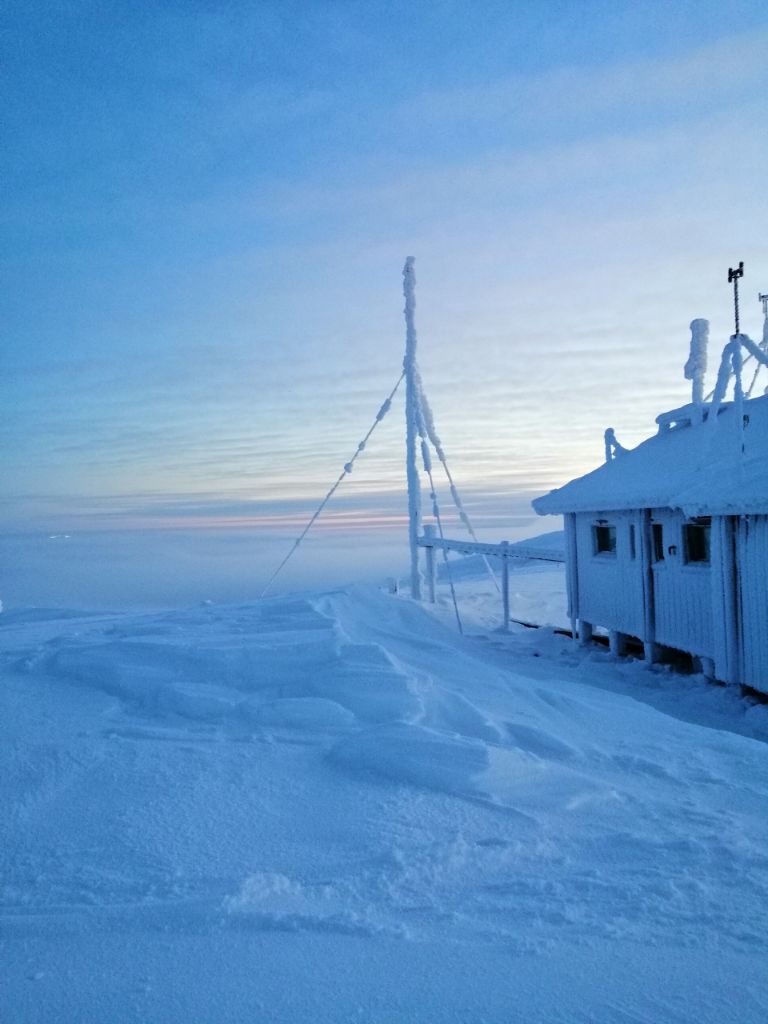
schnaiTEC is performing the first routine maintenance after nine months of deployment at the @IlmaTiede Sammaltunturi station as a part of @atmo_access project #SMEscience
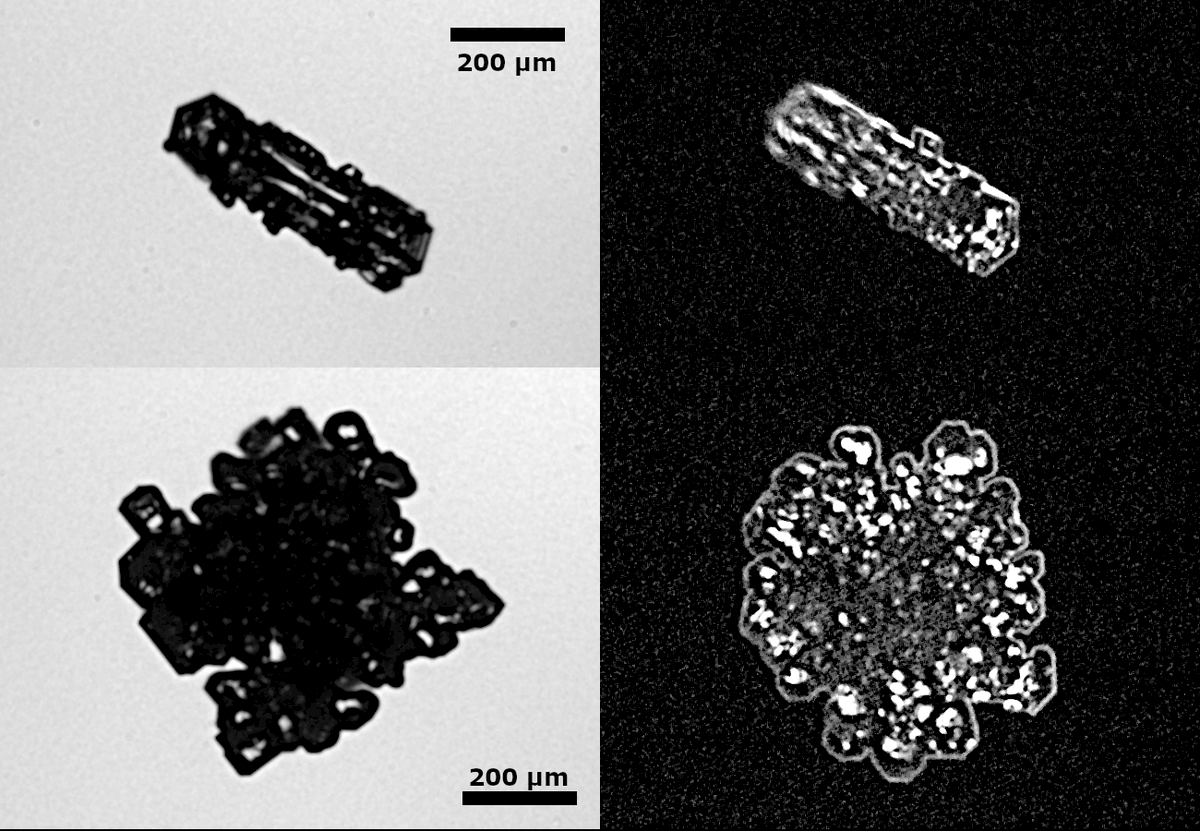
First dark field images of ice crystals. We used the final flight of the #NASAExpeditions@SnowIMPACTS mission to successfully test this setup in #PHIPS. The dark field illumination gives a deeper insight on how ice crystals redistribute solar radiation.
Ever wondered what a snowflake looks like from the clouds?
You might be surprised that not all look like the emoji ❄️
Our airborne crew with IMPACTS have captured some amazing images that show us not all snowflakes are the same.
First two months of PAAS-4λ deployment at the
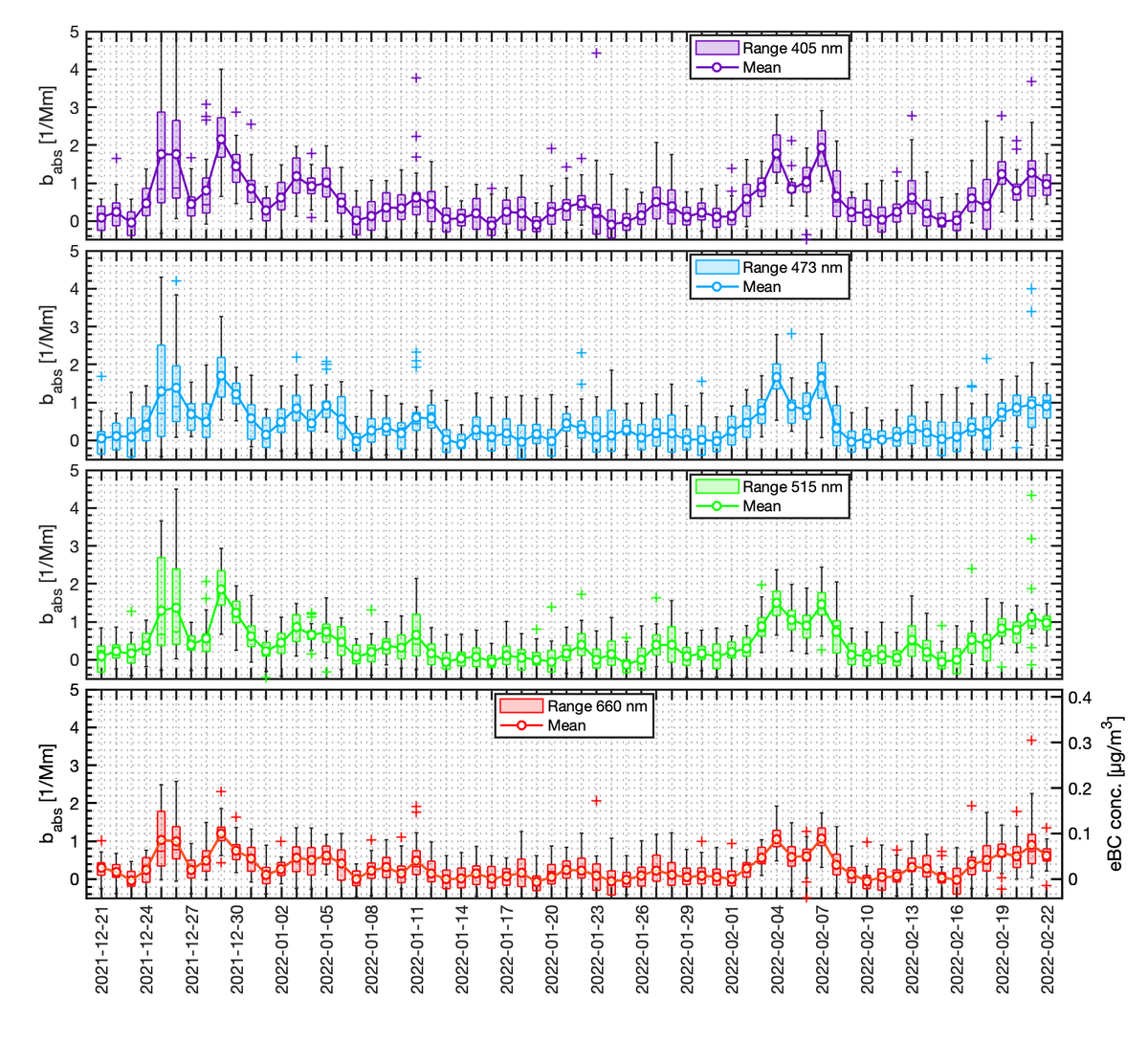
@IlmaTiede Pallas GAW site supported by @atmo_access successfully completed. This data already indicates the good instrument performance under unattended remote conditions. #AirPollution#SMEScience
Merry Christmas to us! Our new and shiny second generation PHIPS instrument manufactured by @SchnaiTec is here. New existing science is going to happen! ❄️🛩 #innovation#AirborneScience
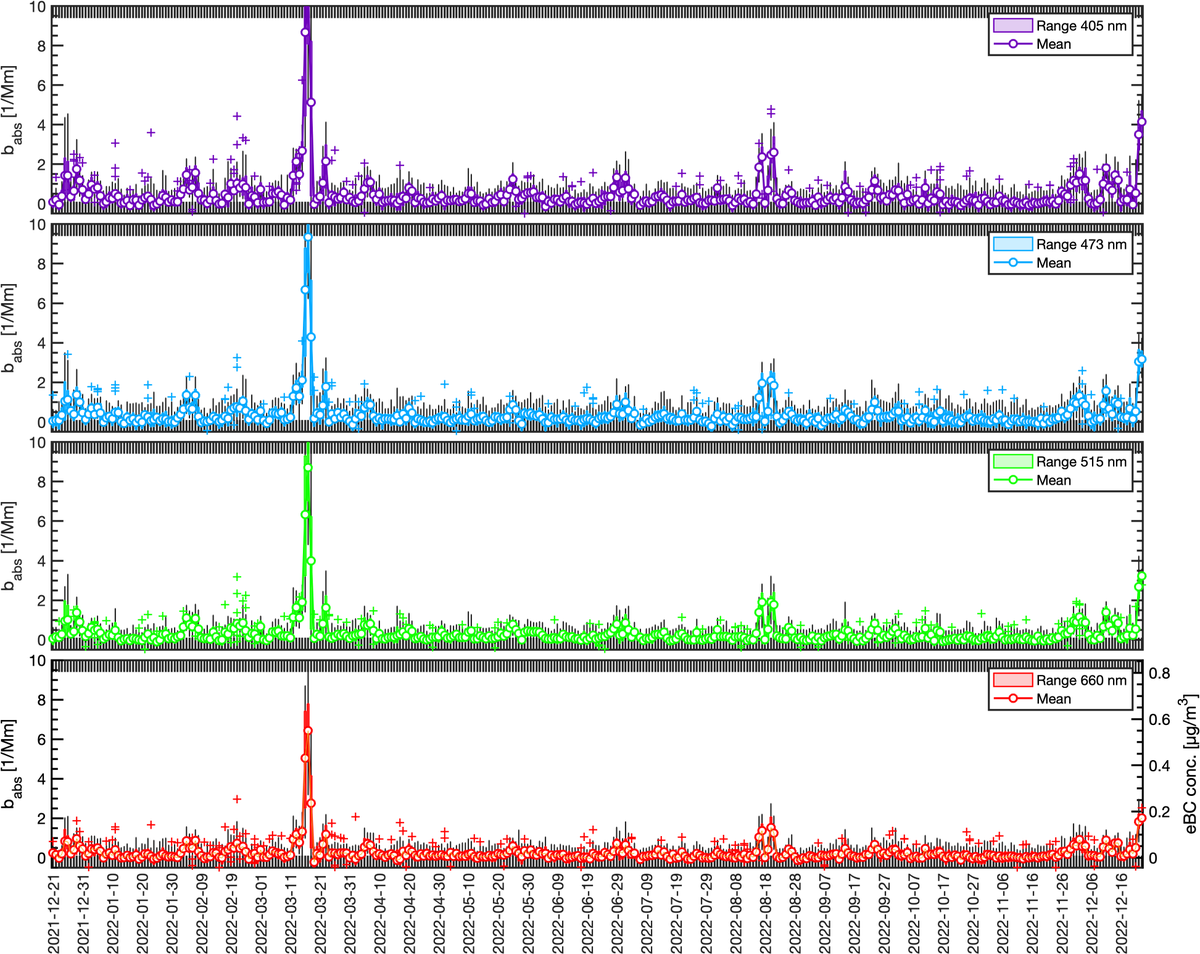
We investigate the PAAS-4λ capability to detect pollution events in a pristine Arctic environment during long-term measurements at the @IlmaTiede Pallas GAW site. #AirPollution#SMEScience
Weekly preliminary data will be available here
https://t.co/N8k9rNnqZx
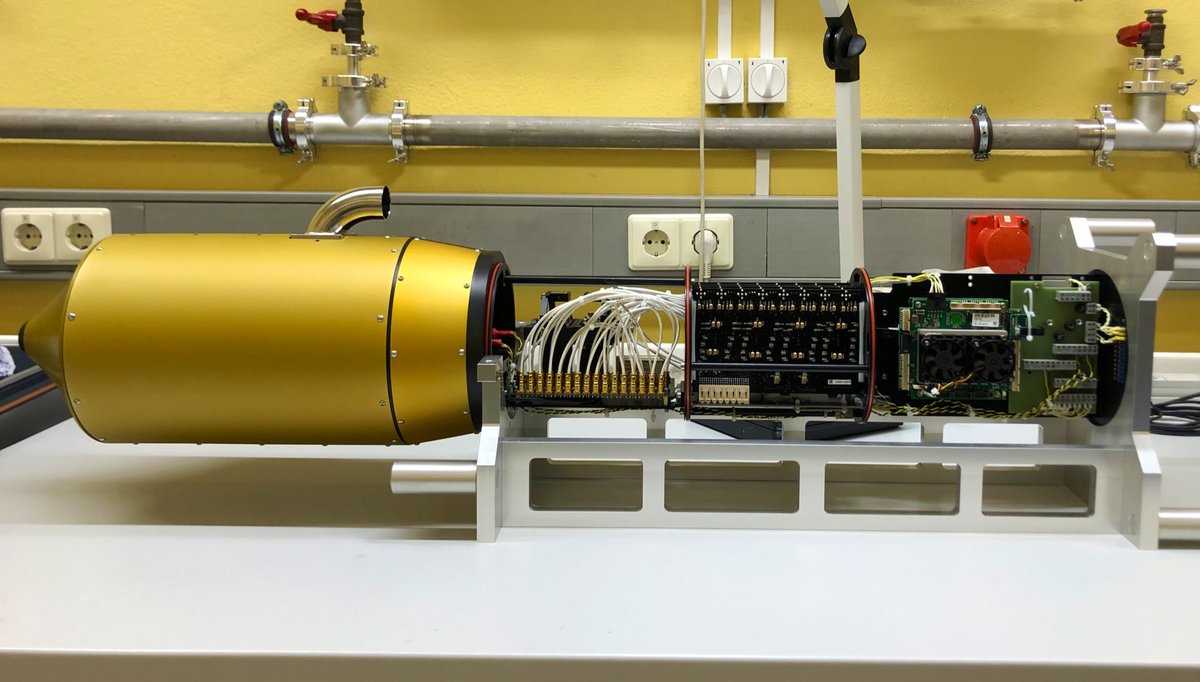
The schnaiTEC PAAS family just got bigger with a new four wavelength instrument. Now "breathing on its own" with an incorporated flow system.
This kiddo will head to Finnish #arctic as part of the @atmo_access project supported by scientists @IlmaTiede. #research#SME#BC
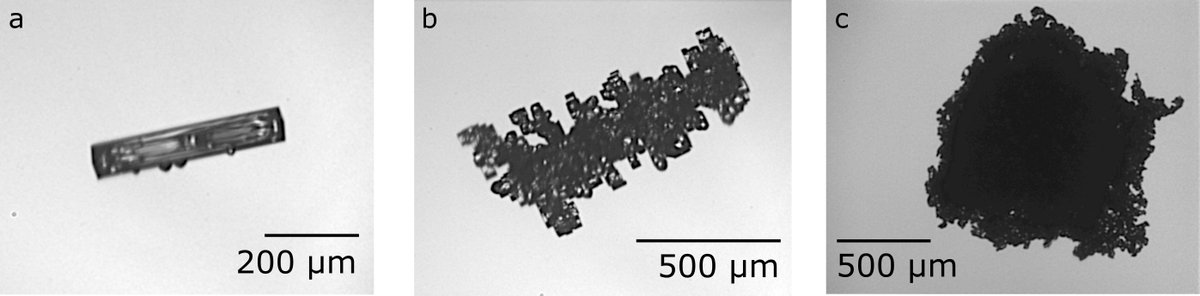
These three ice crystals were found in mixed-phase clouds. What differentiates them is the amount of liquid droplets that they have gathered in the riming process.
For his #PhDwork Fritz investigated riming. Now his preprint is online! #AirborneScience
https://t.co/pNFsizCl0y