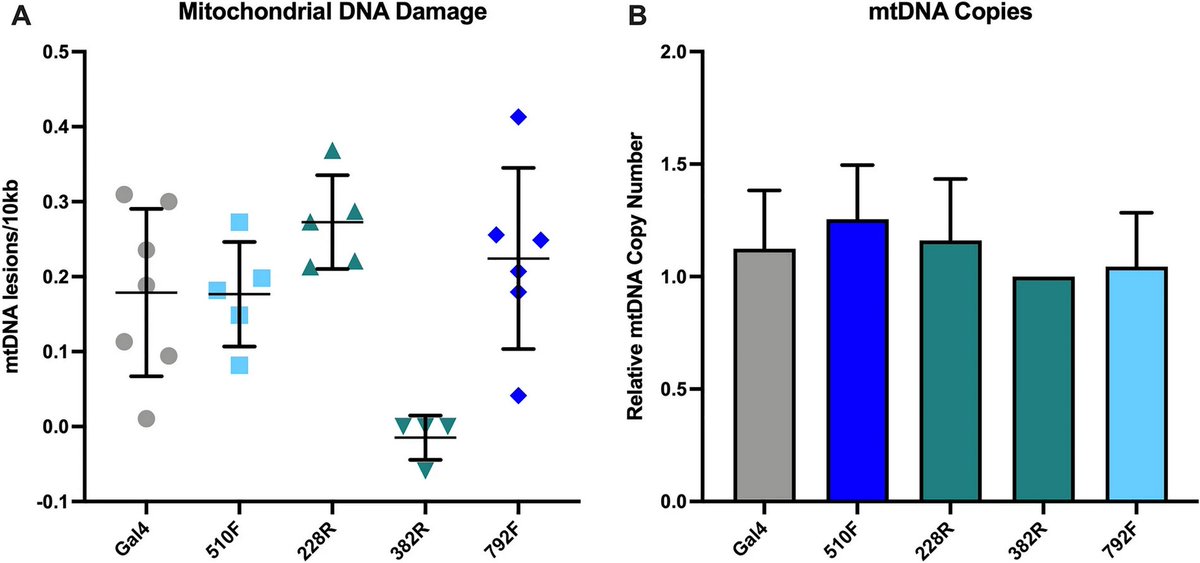
Our new Neurology Genetics paper shares preliminary evidence that ATXN10 motif architecture, not just expansion length, may influence onset in SCA10.
This is the first step. More sequencing, larger cohorts, and deeper analyses are coming.
https://t.co/wk4g3m1MRN
Exciting new study shows intermediate ATXN10 alleles in healthy Peruvian population. So much more to learn about repeat expansion disorders! https://t.co/3cwLW1moh0
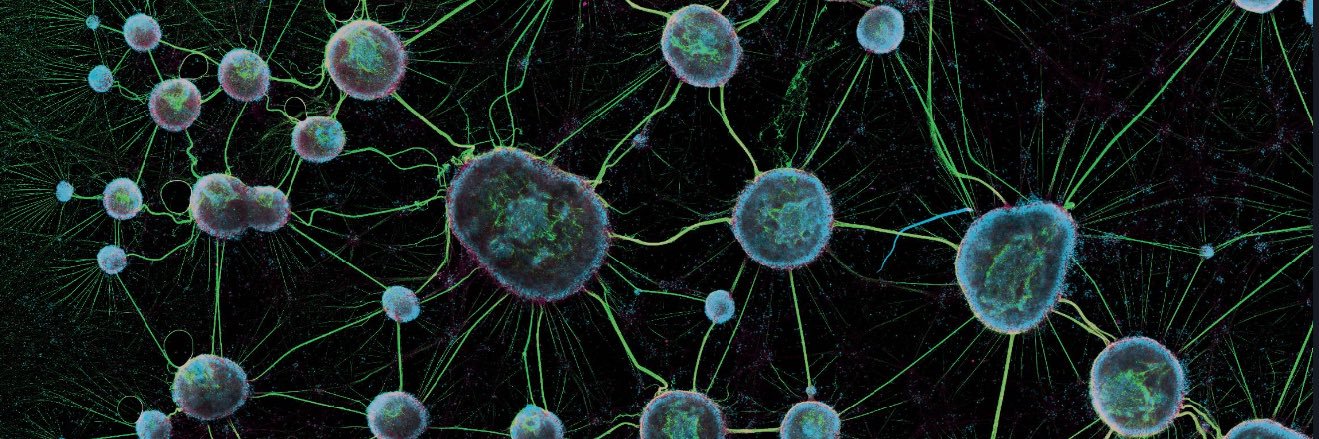
We have an open position for a cell culture technician for an exciting new initiative to build a protein atlas for neurodegenerative diseases. Are you interested? Please see the link:
https://t.co/CIezaWG2dF
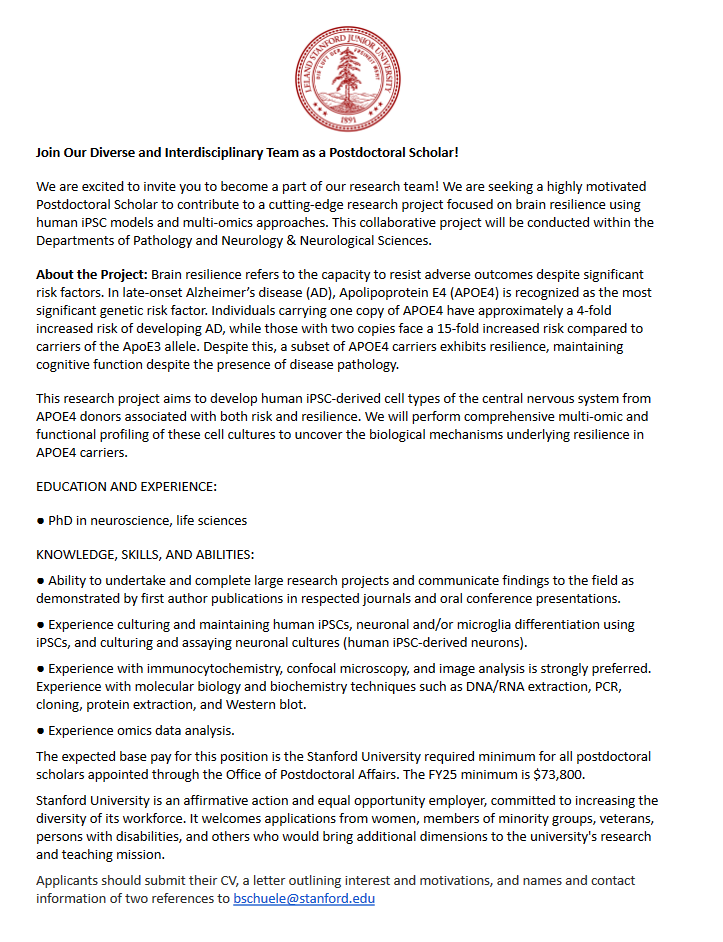
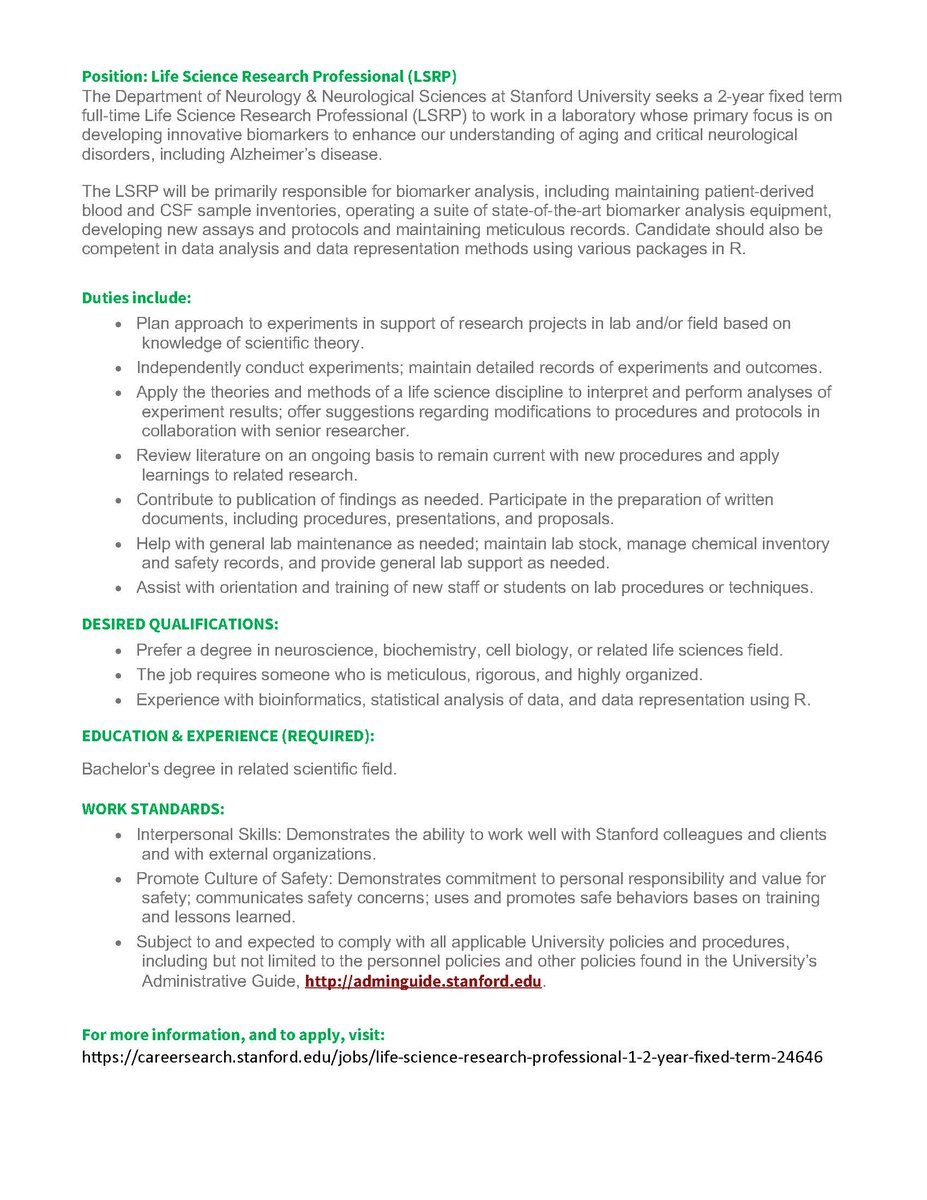
📣Please RT! Our lab @Stanford_Neuro has an immediate opening for a full-time Research Assistant studying biomarkers of neurodegenerative disease!
🔬🩸🥼
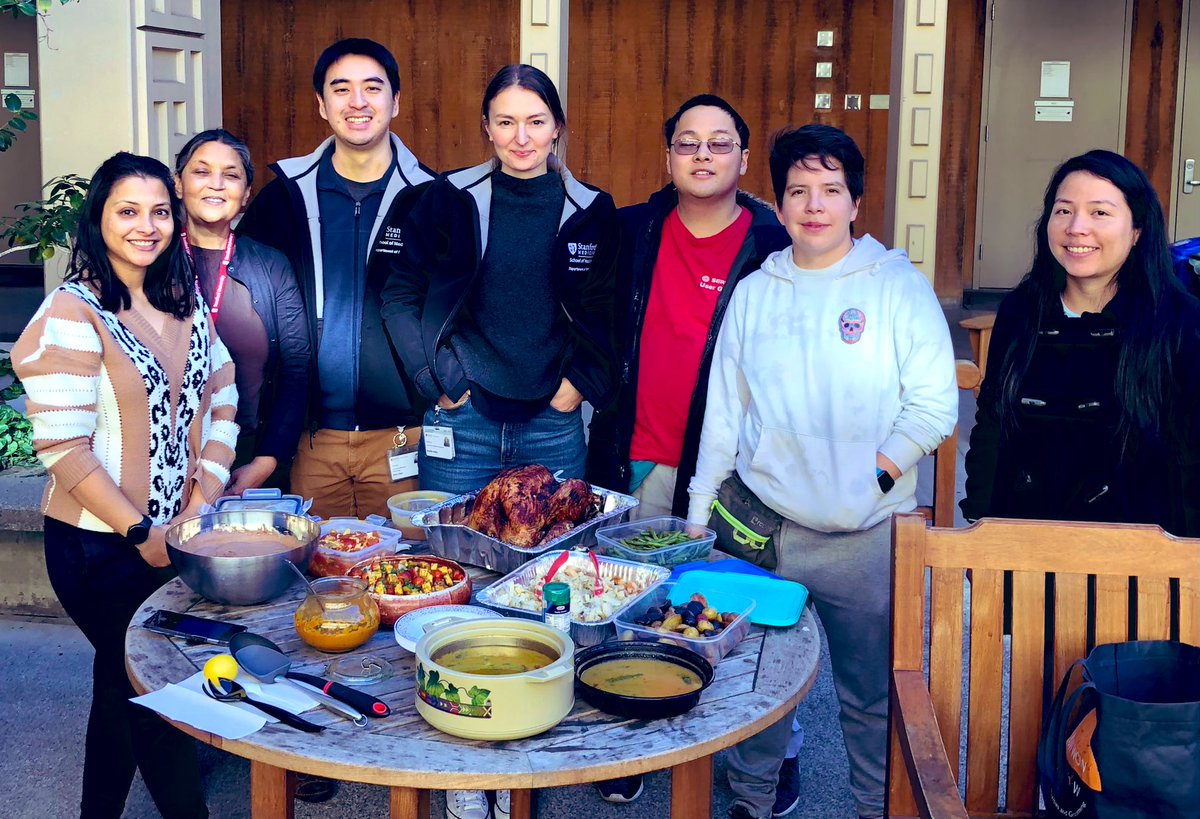
Fun & supportive training environment with fantastic colleagues!
For more info & to apply visit:
https://t.co/TMryiJtI9a
Our Department of Pathology at Stanford University is seeking an exceptional scientist to join us as a tenure-line Assistant, Associate, or Full Professor.
@StanfordMed, @StanfordPath
Please share:
https://t.co/DvOIk8f3y6
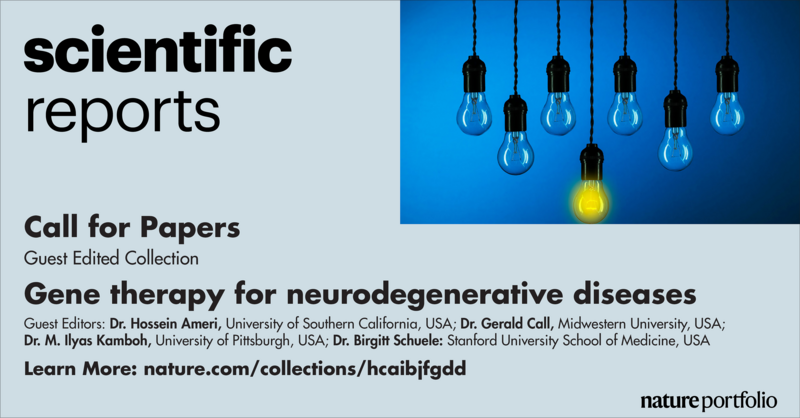
Are you interested in publishing your latest research in the field of gene therapy for neurodegeneration with @SciReports? There is a new collection, we just launched.
We deposited a CRISPR-edited alpha-synuclein gene dosage human iPSC model with @officialatcc supported by @MichaelJFoxOrg. I hope this will be a valuable tool for #Parkinsons research community.
https://t.co/TX01yfxfkK
If you attend #Sfn23, check out our poster on multiplex imaging of human post-mortem brain, LRRK2, Parkinson’s disease in collaboration with @AkoyaBio and supported by @MichaelJFoxOrg
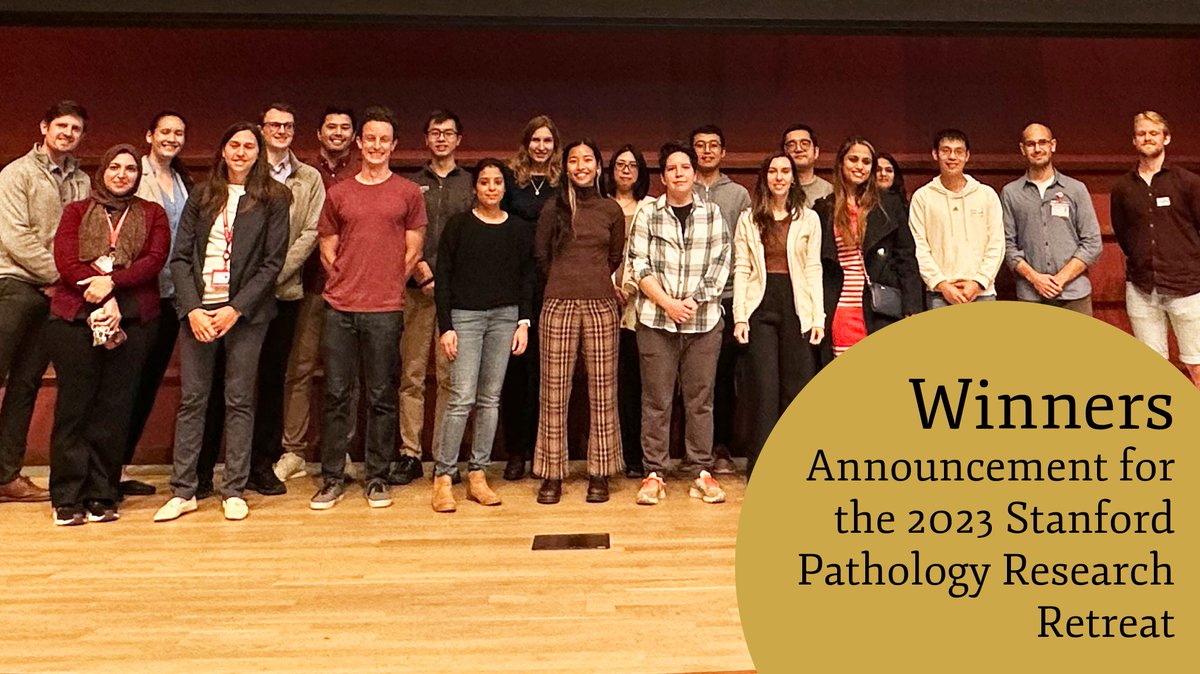
Congratulations to Ale Morato Torres for winning a poster prize at the Stanford Pathology retreat @StanfordPath for her in vivo work - knockdown of human alpha-synuclein as a therapeutic strategy.
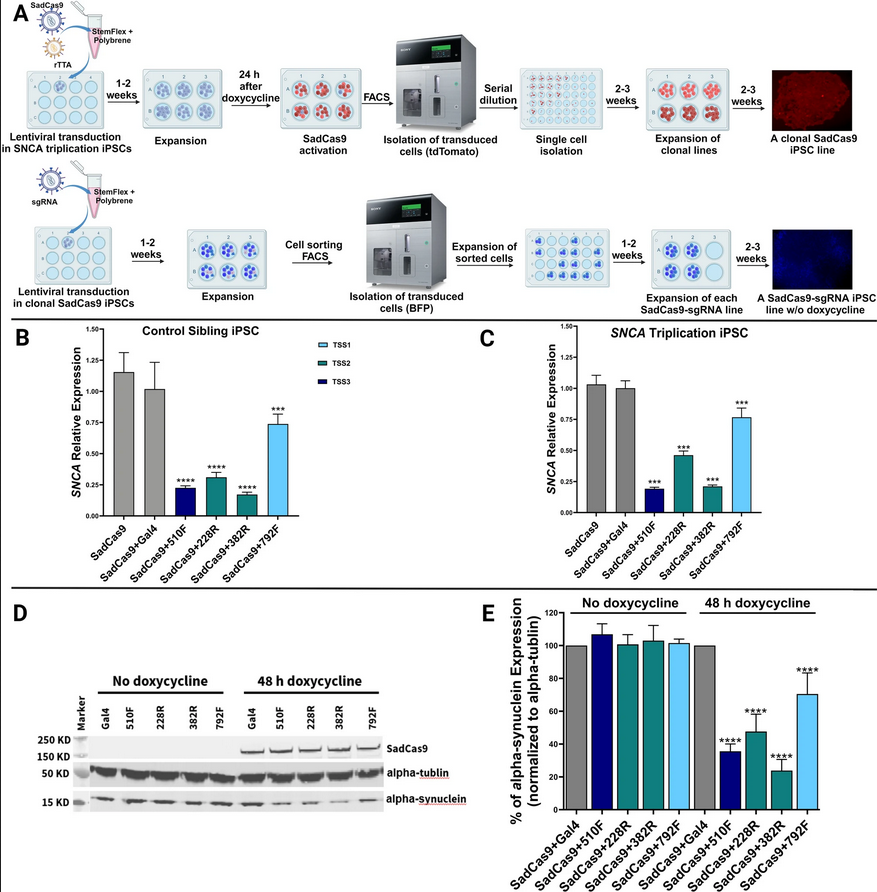
New research from @DanutaSastre@SchueleLab & @StanfordMed colleagues provides proof-of-concept in vitro targeting of the SNCA gene promoter using a #CRISPR interference (CRISPRi) system to controllably repress #Parkinsons-associated alpha-synuclein
https://t.co/8LUjk1zhH8
The journey has an end! Thanks for everyone who supported this study! It could have been a lot easier and faster, if we can all focus on the science! https://t.co/WpJugSyfum
My postdoc work is finally out! We used #CRISPR to lower alpha-synuclein in #Parkinsons#iPSC neurons, achieving functional recovery. #invivo work coming out soon from the team at @SchueleLab@StanfordMed pre-print here while in #PeerReview https://t.co/UjUwBSLsti