The youngest Nobel Prize laureate ever, Malala Yousafzai, was only 17 years old at the time of the award.
She was born on 12 July 1997 in Pakistan and was named after an Afghan poet, Malalai of Maiwand. Her father ensured that she received proper schooling and educated her at his private school. He added her name to the family register and she was allowed to stay up late and debate politics. From a young age Malala dreamt about becoming a doctor.
Malala had a gift for public speaking and she began to speak up for girls’ rights to education. In 2009, Yousafzai started an anonymous blog for BBC Urdu. After her identity was revealed, the New York Times made a short film about her and her fight for education for all.
As Yousafzai became more known, a death threat was issued against her. In 2012, Malala was shot by a masked gunman on a school bus. He threatened to kill all students on the school bus if she didn’t identify herself. The gunman also shot two of Malala’s friends.
After intensive rehabilitation in the United Kingdom, she survived the attack. Fearlessly and with determination, Yousafzai kept fighting for girls’ right to education. Today, she is a role model for many young girls.
In 2014, Malala Yousafzai received the Nobel Peace Prize for her bravery and work to ensure girls’ rights to education.
Learn more: https://t.co/OGbhCVW5MR
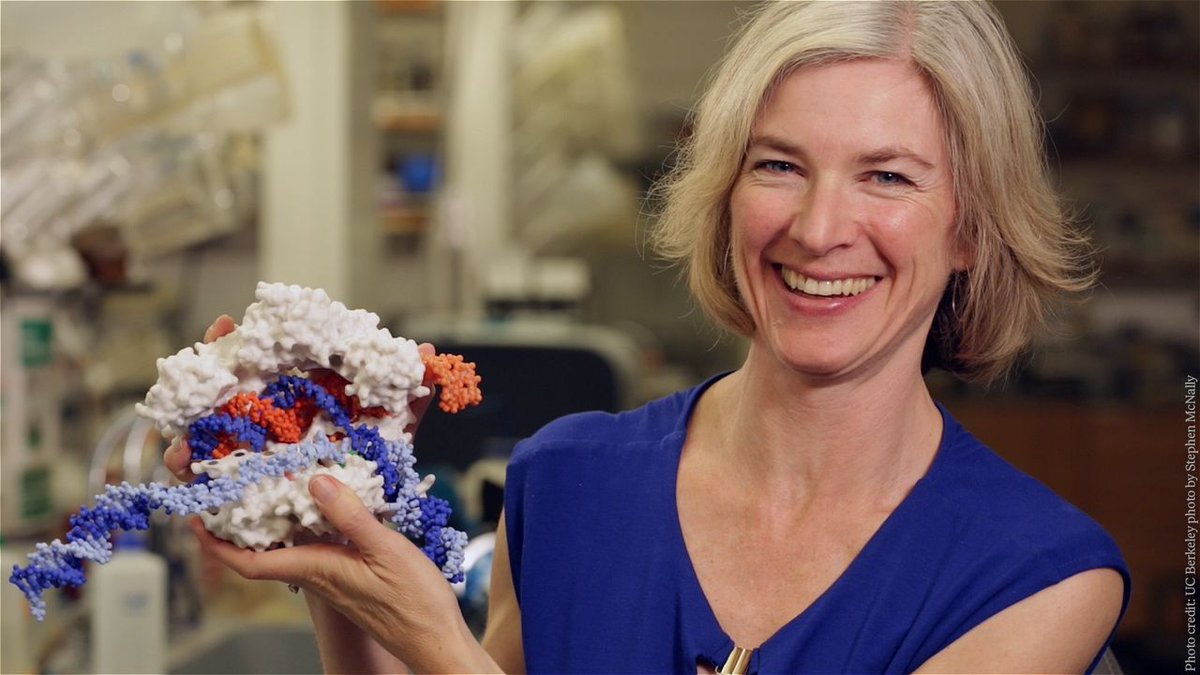
”The possibilities are endless.” - chemistry laureate Jennifer Doudna
In her 2020 Nobel Prize lecture, Doudna spoke about all the new opportunities created by the development of the gene-editing tool CRISPR-Cas9.
Watch her full lecture here: https://t.co/JRyxuoQ3pC
What if discarded plastic could become engine oil? Scientists at Virginia Tech have developed a process that converts hard-to-recycle PVC into high-performance lubricant material in just 3 hours. A promising step toward sustainable manufacturing!
https://t.co/HBMFRwOCfh
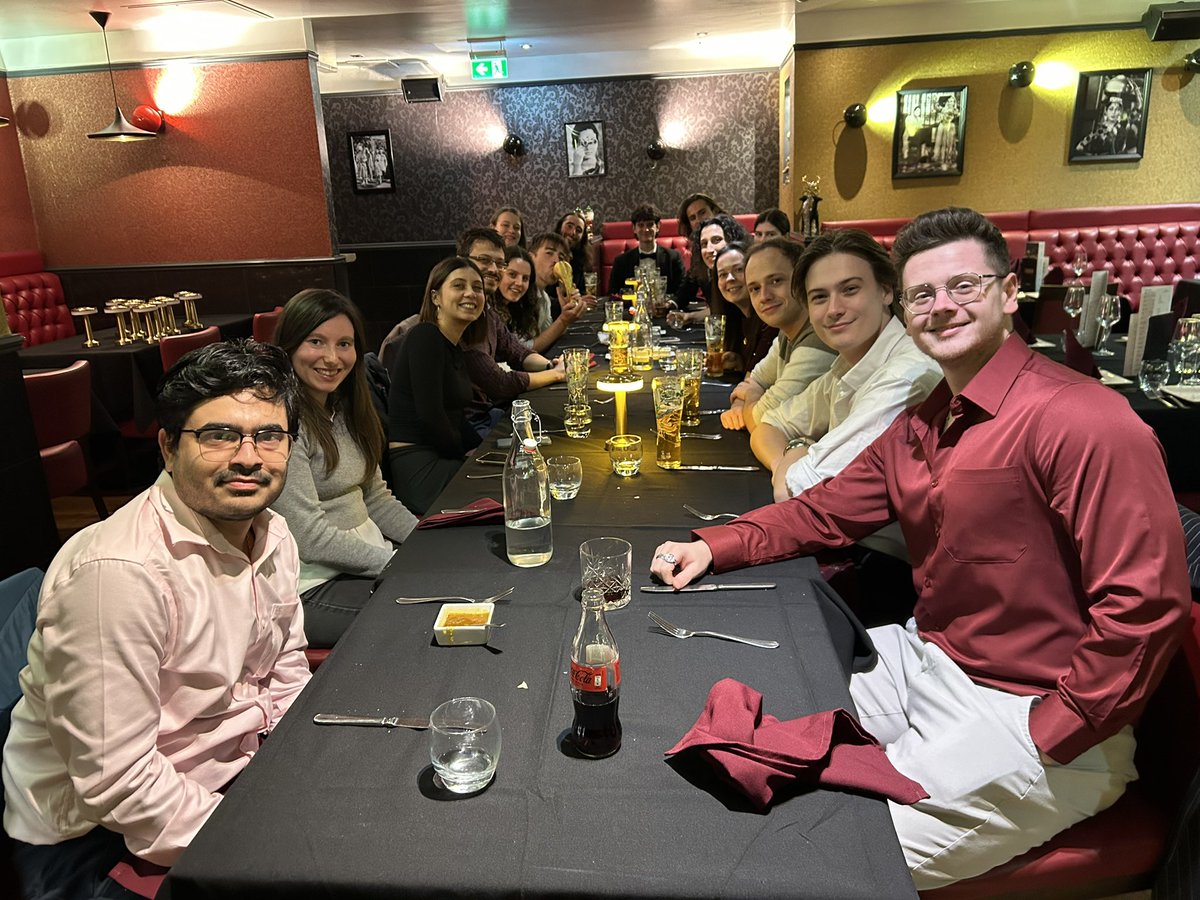
Congratulations to Filippo Ficarra on passing his viva this week! He’s been an absolute star in our group, and we look forward to seeing what he achieves next! Many thanks to examiners @VarinderAggar11 and Hon Wai Lam. @ChemistryUoN@UniofNottingham
#ICIQPhD
🎓 Congratulations, Dr. Filip S. Meger from Prof. Martin's group!
📚He successfully defended his thesis entitled "Photoinduced Decarboxylative Unimolecular Fragment Coupling"
Read more🔗https://t.co/b31Ud8hSsI
@iCERCA@_BIST@SOMM_alliance
Richmond is featured in an "In situ" piece in Chemistry World:
https://t.co/n9PyvYKOAl
He will also be "In Conversation" with Chemistry World on December 3:
https://t.co/etGypiKsfR
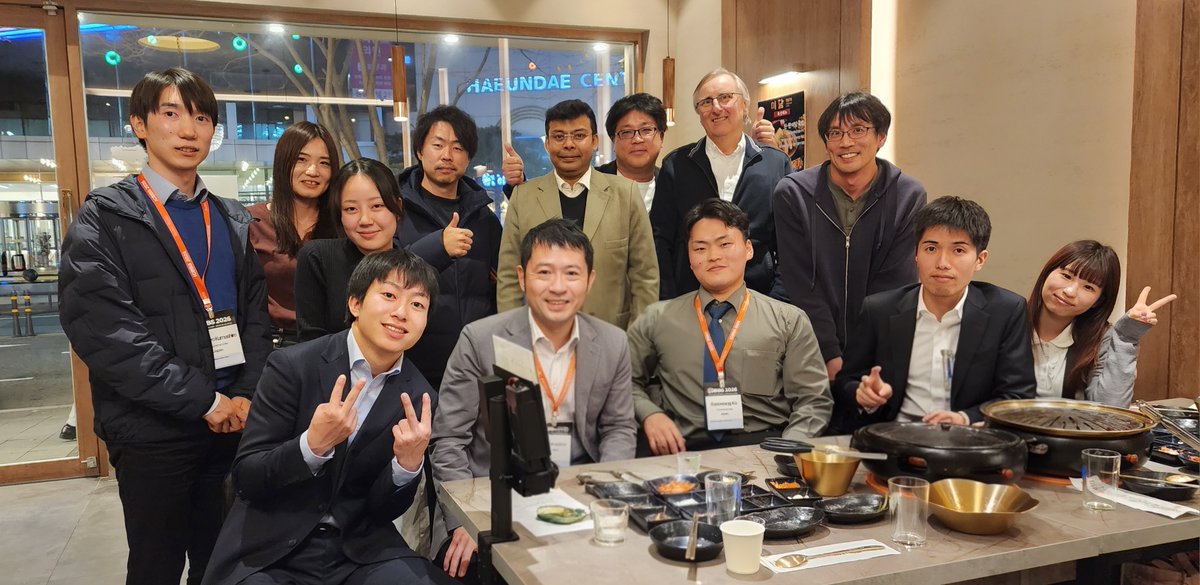
Early this week, I had a quick visit to Busan, South Korea, to speak at the International Conference on Biophysics and Biomedical Sciences, organized by the Korean Society for Structural Biology & other societies in Japan. Thanks, Takahiro & Tomohide, for the invitation to speak.
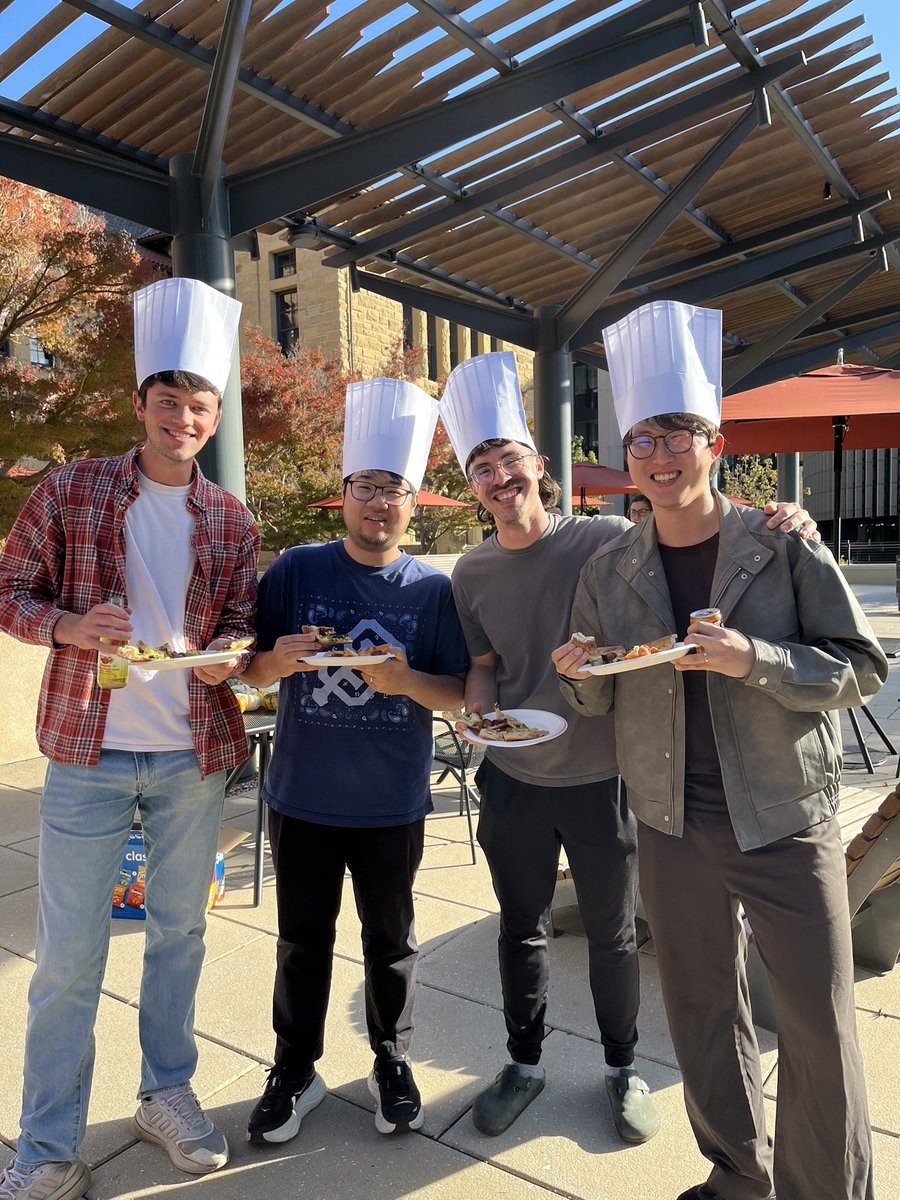
🎉 Join us this Friday for a Chemistry Student Services Open House! Stop by the Sapp Egg from 10:30 AM–12:30 PM to meet the team and our new Peer Advisors, learn about student services, and enjoy a treat! 🧪
Check out our latest study in @JACS on using substituted cubenes to access new, highly functionalized “fused cubes”! Congrats to Sarah, Christina, and Kasey! Read it here: https://t.co/3OC8LVg6EE
@UCLA@UCLAchem@houk1000
ChemE graduate Sydney Antal is now in the NYU Tandon School of Engineering Ph.D. program, but she has some great advice for current UF students. Read about it here: https://t.co/KMmYdawWiL #GatorEngineering#NYU#AcademicLife
A critical turning point came in 1865 when Clausius coined the word ‘entropy’ to label an issue which had concerned him for years – the fact that although energy cannot be created or destroyed, over time it becomes more dispersed & less available.
https://t.co/dFvQUjl402
Metal–Organic Frameworks/Covalent–Organic Frameworks-Based Materials in Organic/inorganic Pollutant Elimination and CO2 Reduction Applications (Xiangke Wang and co-workers)
News by #ChemAsianJ, #AsianJOC & #ChemNanoMat.
https://t.co/E7iKD4Lnn4
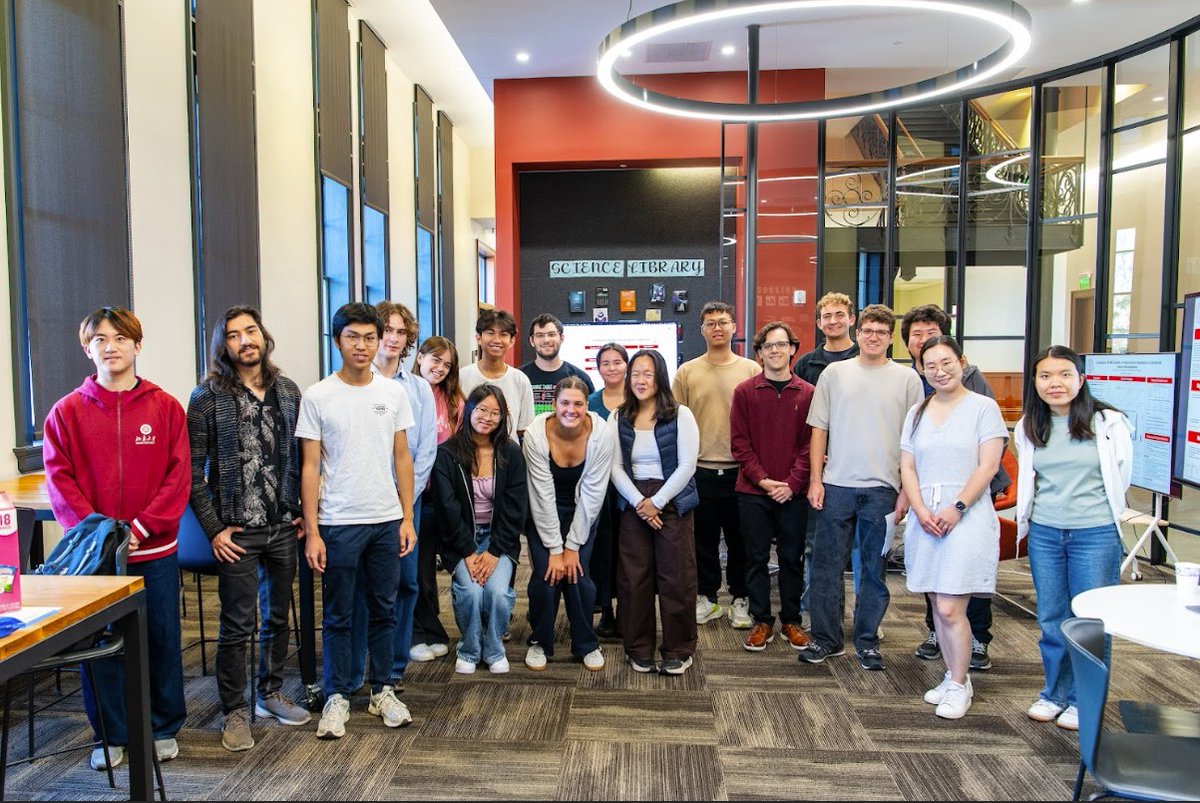
Chem 131 students recently showcased their Spring 2026 final projects at the SAPP poster session! 🔬 Led by our Lecturer, Xinyu (Jenny) Liu & Prof. Fang Liu, the course blends theory and hands-on training with GC, LC, XPS, ICP, MS & UV–Vis. Congrats to our talented student researchers! #StanfordChem
For the last seminar of the AY, please join us for Prof. Michael Erb's (Scripps) Chem Bio talk on "Rewiring chromatin-regulated processes with proximity pharmacology" today at 3PM in STLC 114. https://t.co/QFUi8OMO7k