Embedding structural constraints into policy learning can help robot swarms transfer their learning from simulation to the real world.
Learn more in Science #Robotics: https://t.co/75KFlgh91j
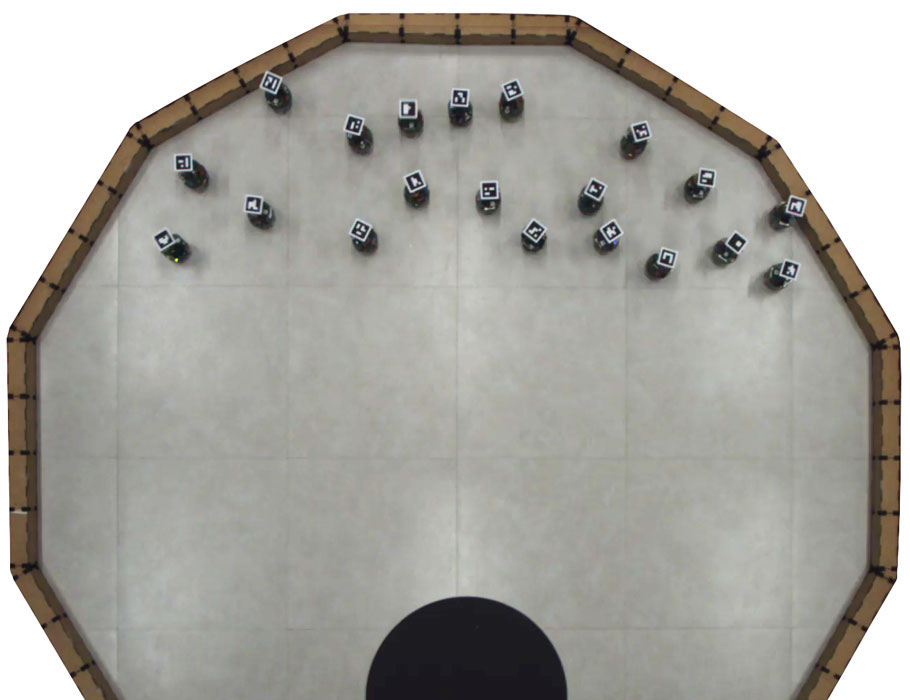
Swarm robots use pairwise interactions to pass information to each other, leading to a global understanding of the swarm’s geometric shape, and subsequently the geometrical shape of the arena in which they reside.
Learn more in Science #Robotics: https://t.co/zA3csdFBN9
Introducing Fast Feature Field, an event camera representation for robust robotics perception, learned by predicting future events from past events.
Learn how it performed across a variety of robotic platforms in Science #Robotics: https://t.co/DUoLQ4jLXE
A new Science #Robotics study shares the AI drone racing approach developed by TU Delft researchers that made MonoRace a winner at the 2025 Abu Dhabi Autonomous Drone Racing Competition. https://t.co/cY3eYthm1n
A bicycle robot combines the strengths of wheeled and legged systems to perform acrobatic maneuvers.
Learn more in Science #Robotics: https://t.co/wKcWf7Ea7B @rai_inst
New in Science #Robotics: @CIS_Penn researchers introduce an event camera representation that enabled robust perception across a robotic car, quadruped robot and flying platform in different lighting and environmental conditions. https://t.co/DUoLQ4jLXE
How did a one-camera drone with no external motion tracking system beat out its autonomous rivals and three champion human pilots on an indoor track?
Learn more in Science #Robotics: https://t.co/cY3eYthm1n
New in Science #Robotics: The Ultra Mobility Vehicle bicycle robot leverages its own inertia and momentum to perform jumps, track stands, wheelies and other athletic moves. @rai_inst https://t.co/wKcWf7Ea7B
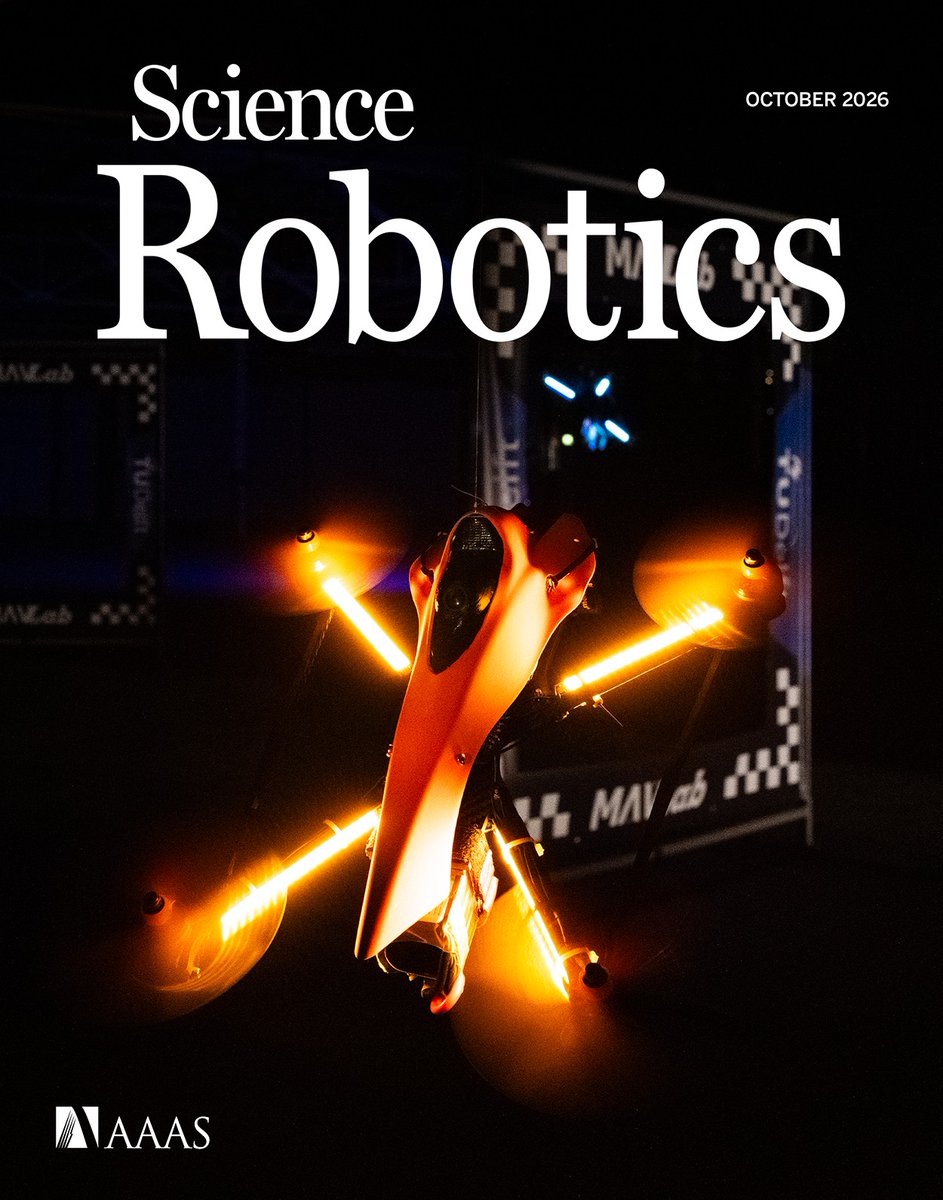
The October 2026 issue of Science #Robotics is out!
This month’s cover depicts a drone deployed with MonoRace, an onboard framework that enables aerial robots to race autonomously at speeds of up to 100 km/h.
Learn about this research and more: https://t.co/tAbKrm28pX
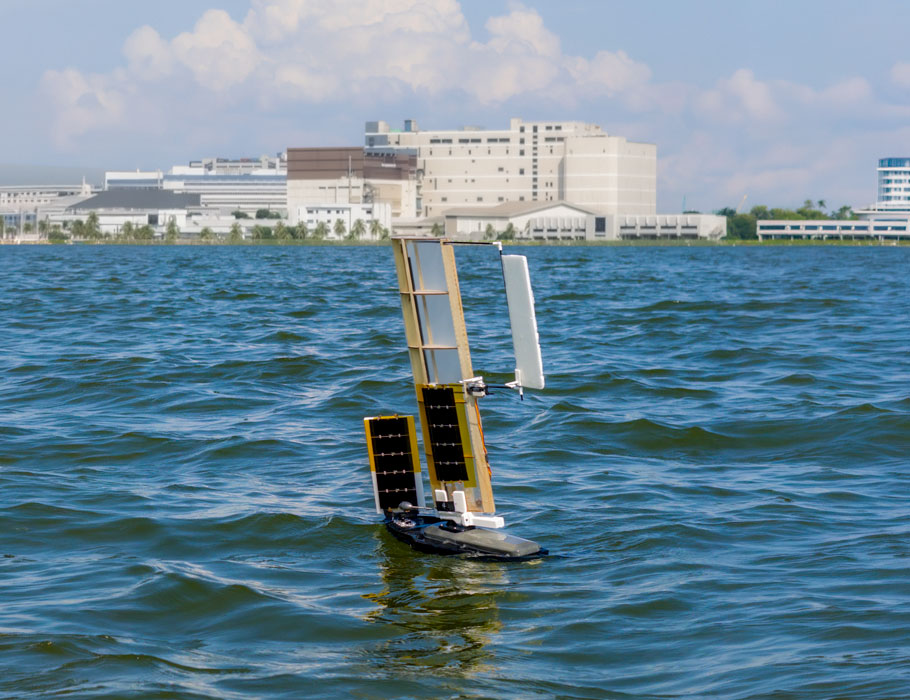
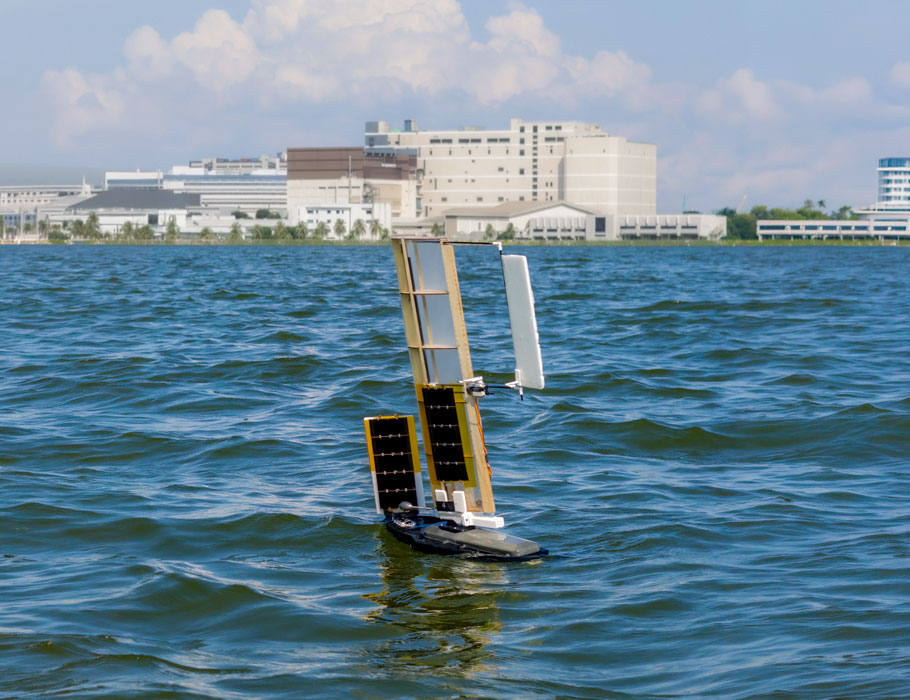
A new Science #Robotics study introduces ALBATROSS, a hybrid aerial-marine robot that could someday be useful in ocean sensing and disaster response. @sutdsg
https://t.co/KucDuFMssE
Inspired by the novel Hole in the Sky by Daniel H. Wilson, @robinrmurphy cautions that robot demonstration videos sometimes imply greater autonomy or reasoning than facts support.
Read more in Science #Robotics: https://t.co/tqzgJ4VQUw
A 185-milligram robot flies freely without a transmission, powering its cone-shaped wings with an electrostrictive actuator. It also stands up to crushing impacts. @UCLAengineering
Read more in Science #Robotics: https://t.co/tevmzlzEdJ
This bioinspired robot can autorotate after aerial deployment to make a soft landing on water and convert to a sailboat—using only three actuators and three primary sensors. @sutdsg
Learn more in Science #Robotics: https://t.co/KucDuFMssE
New in Science #Robotics: Robot demonstration videos pose issues of reproducibility and legal liability for the community if they imply more autonomy than the facts support. https://t.co/tqzgJ4VQUw
New in Science #Robotics: This tiny robot flies freely without a transmission, using components that are less rigid than in most micro aerial vehicles #MAVs, and could be scaled to create a microrobot swarm. @UCLAengineering https://t.co/tevmzlzEdJ
A new Science #Robotics study introduces ALBATROSS, a hybrid aerial-marine robot that could someday be useful in ocean sensing and disaster response. @sutdsg
https://t.co/KucDuFMssE
Inspired by the novel Hole in the Sky by Daniel H. Wilson, @robinrmurphy cautions that robot demonstration videos sometimes imply greater autonomy or reasoning than facts support.
Read more in Science #Robotics: https://t.co/tqzgJ4VQUw
A 185-milligram robot flies freely without a transmission, powering its cone-shaped wings with an electrostrictive actuator. It also stands up to crushing impacts. @UCLAengineering
Read more in Science #Robotics: https://t.co/tevmzlzEdJ
This bioinspired robot can autorotate after aerial deployment to make a soft landing on water and convert to a sailboat—using only three actuators and three primary sensors. @sutdsg
Learn more in Science #Robotics: https://t.co/KucDuFMssE
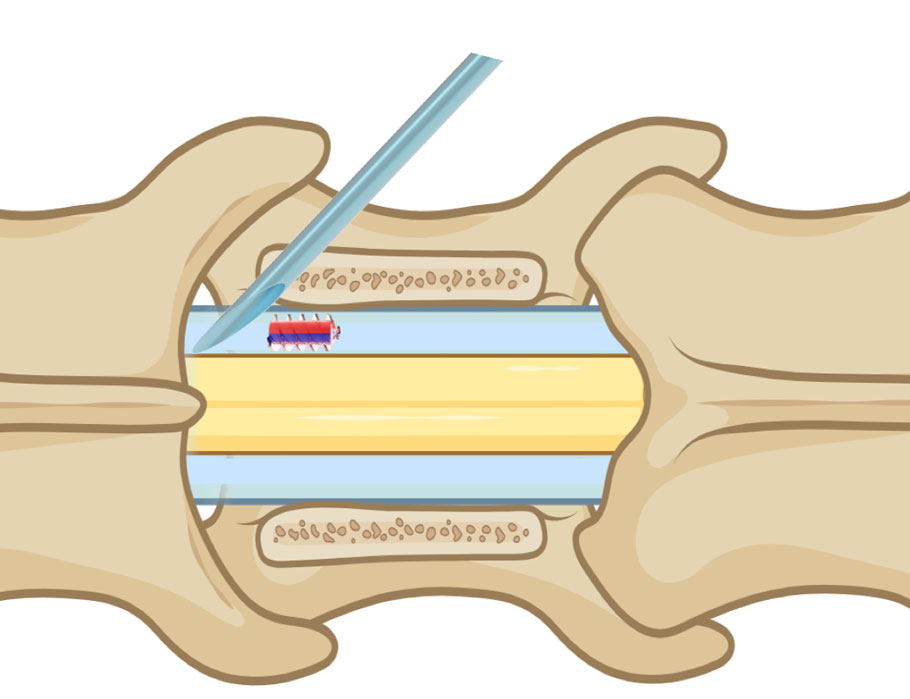
A new Science #Robotics study highlights an AI-based tracking approach that can isolate millimeter-scale magnetic robots signals from actuation-induced interference, enabling precise localization in preclinical models. https://t.co/RVA0q5Fv6R