Research Fellow at the University of Nottingham looking at flower development in #brassica.
Co-chair of @UKRSAVitae.
Outreach tweets from @StoryTimeSTEM
The bHLH transcription factor DTT1 is part of a paired key that unlocks the tapetum transition in barley anther development (Miaoyuan Hua, Wenzhe Yin, et al) https://t.co/i2GjHHaH8K @ASPB#PlantSci
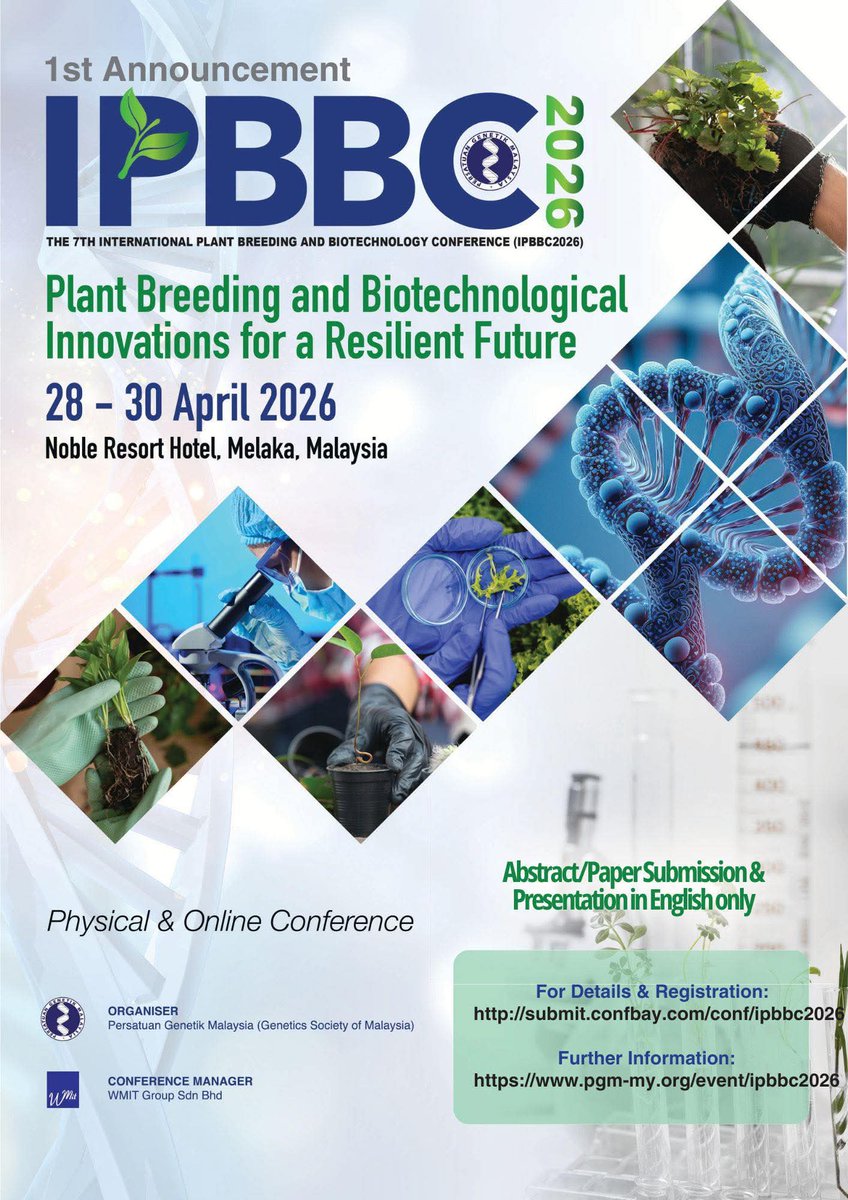
Abstract submission open for The 7th International Plant Breeding & Biotechnology Conference 2026 (IPBBC2026). "Plant Breeding and Biotechnological Innovations for a Resilient Future"
28-30 April 2026
Melaka, Malaysia - Hybrid
For more information visit;
https://t.co/BexyZzBZVh
1 x Postdoc and 1 x PhD position available in my group to study the mechanisms of meiotic recombination in plants:
https://t.co/ZqkRVZNgAx
https://t.co/84kZGXvrUC
Email me for more info
Longshot but my husband lost this ring which was on a chain (both titanium) when we were on holiday in July. Center parcs Sherwood haven't got it. He also went to Trent Bridge, Sherwood Pines and Ruffford Abbey #nottinghamshire Just in case anyone sees this and has seen it!
Together with @GreenMechanobio we seek a postdoc (<6y post-PhD) with strong track records in dev biology/biophysics, interested in biomechanics of lateral root development! 🌱 Must have graduated or worked in 🇩🇪& not currently reside in the 🇳🇱. 📧 for more details! Plz RT
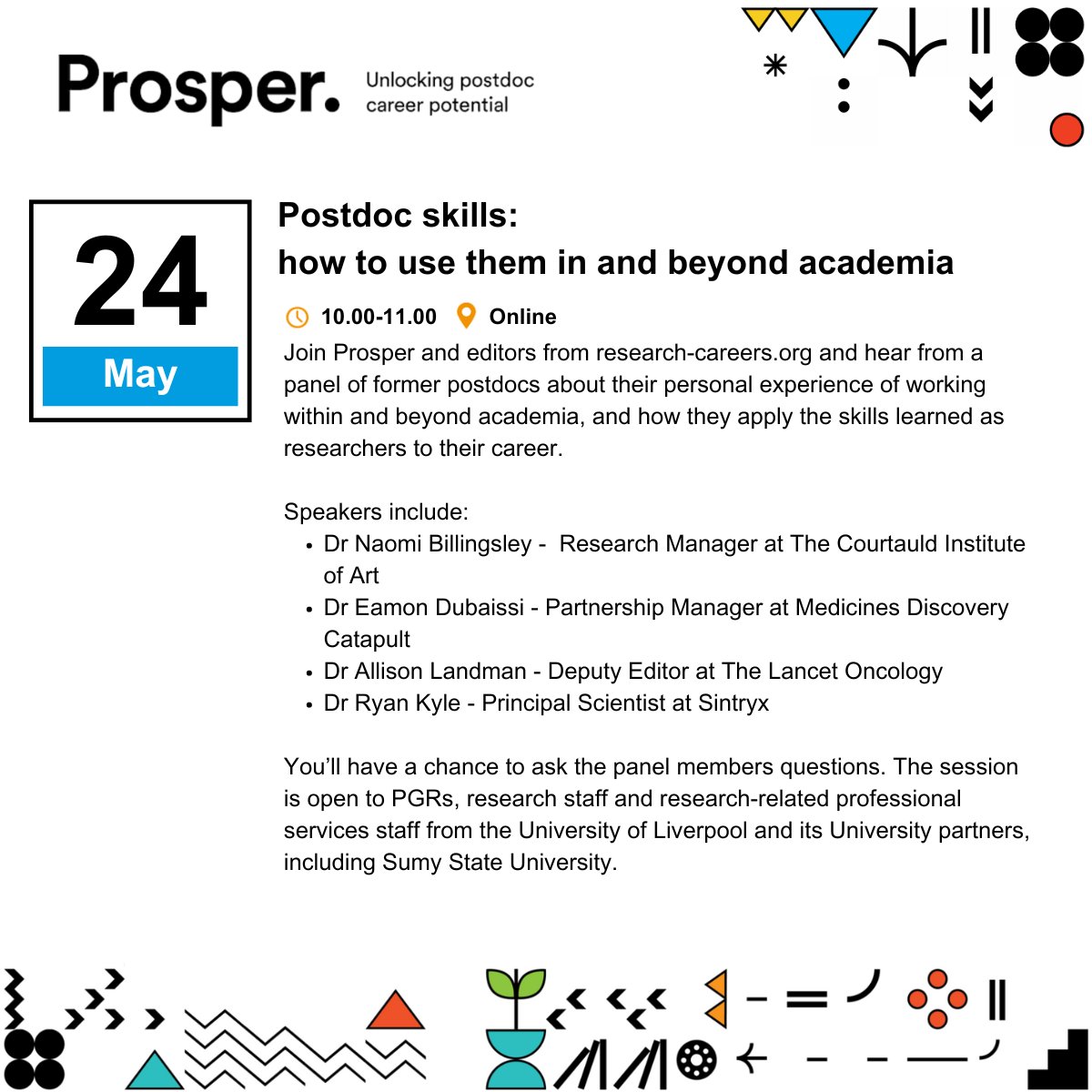
Keen to hear from former postdocs about their career journeys beyond academia? We're co-hosting a panel on the 24th May as part of @LivUniAcademy's Making an Impact - open to all @LivUni PGRs, postdocs and research staff! For more info and to register: https://t.co/7ndXIXMsLm
@GARNetweets Ha and I felt bad that my AXR4/auxin work was published 10 years after I finished 😅 my thesis does have an important role of raising my monitor in my office though.
We're looking for two postdocs to work in Nottingham on an interdisciplinary collaborative project with the @etienne_farcot and @RabhoRoot labs. One experimental biologist
https://t.co/I8Puhajc2p and one mathematician
https://t.co/DqVCg89UDQ
@JamesSSharp Not an expert but my guess is that it is to minimize contact with the surface to minimize water loss. Moving costs snails a lot of fluid, especially over dry/ porous surfaces. Ask the kids to see if Barry always does this over this surface or if it is wet leaves a solid trail