New paper by @CalPoly@CalPolyCSM undergrad Calvin Davis and grad student @ScienceWithSav showing that lizard skin water loss changes immediately and dramatically with temperature. https://t.co/WLzq7GaoWe
*New* open access article on endangered Blunt-nosed Leopard Lizard hydric physiology from @ScienceWithSav, @mfwestphal, @RTelemeco, @tessaileenn, et al.
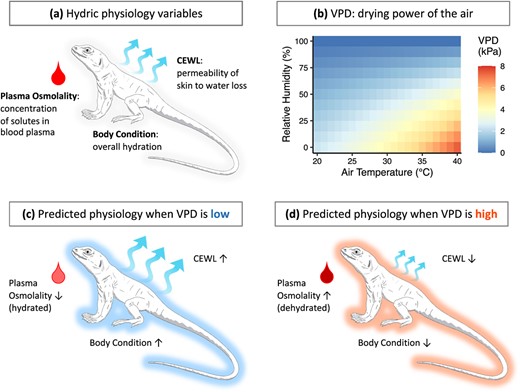
Can we all agree to add pics of our study animals to our figures? 🥹
https://t.co/vJprVEYhD8
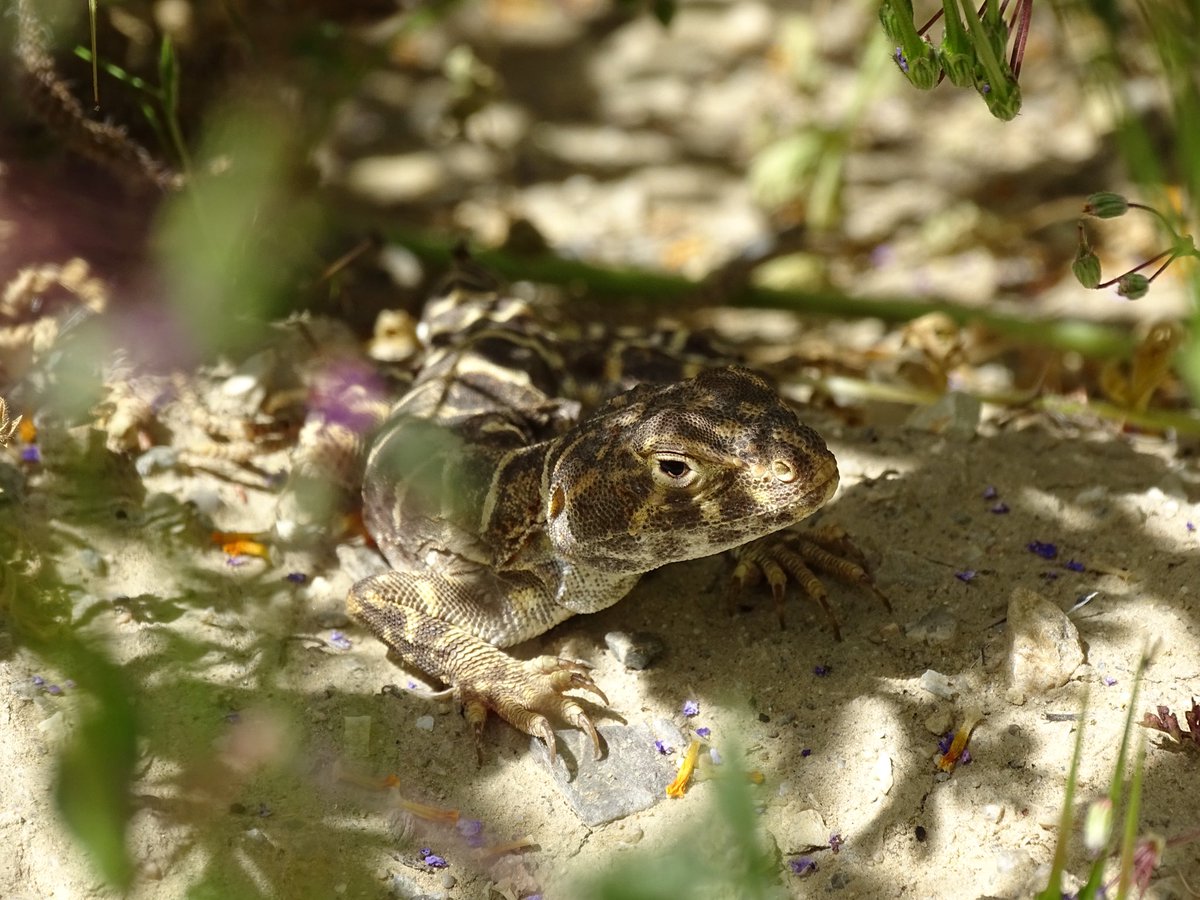
This new research assesses the hydric physiology of endangered Blunt-nosed Leopard Lizards, providing insights into how the species is adapted to its extreme desert environment.
Read it here: https://t.co/arSBNJTd84
unbelievably excited to be spending my last quarter as an undergrad leading an all-undergraduate research team in carrizo plain!! over the next 10 weeks we’ll be studying blunt-nosed leopard lizards’ prey water content (and getting some gnarly tan lines) 🦎🐛💪
Why do 3D graphs exist? I think the lack of interpretability far outweighs any accuracy benefit... Why not just use a 2D graph with extra colors/linetypes for the 3rd variable?
Sincerely, utterly confused paper reader. :(
@annainthefield LIKE THE CRAZY LIZARD WOMAN I AM ❤️❤️❤️❤️❤️❤️❤️❤️❤️❤️❤️❤️❤️❤️❤️❤️same❤️same❤️same❤️ I want to meet up with you to catch lizards someday!
#SSAR M.S. student Savannah Weaver @ScienceWithSav 🦎
#Lizards lose water across their skin, but how permeable their skin is to water loss *differs* across body regions and changes in response to the environment.
📝: https://t.co/DJVe8SmYJZ
🚨 New research using @BOM_au and #FrogID and citizen science data led by @Maureen_E_Blob provides a more comprehensive understanding of the environmental cues Australia’s #frogs use to breed.
Learn more in our blog: https://t.co/jxImTMzCXG
Check out this adorable mini field guide that @ScienceWithSav made for kids. Pick up one of these and a Local Snakes coloring book for free at our booth at the SLO Reptile Expo this Sat & Sun Oct 15-16! We will also have awesome stickers and other goodies for sale.
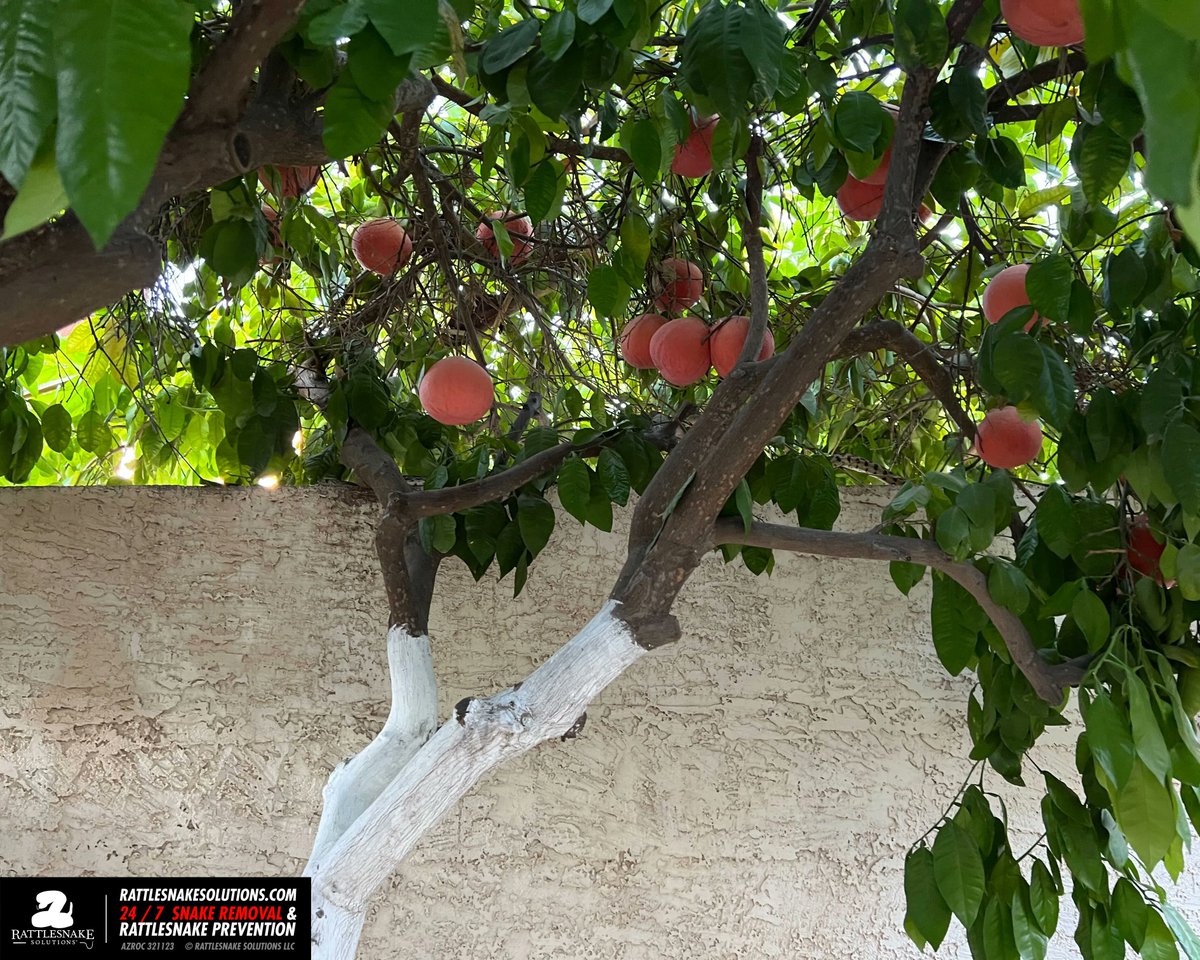
If you're in Paradise Valley and have citrus trees: you have roof rats, and you also have Gophersnakes showing up to help out. This snake will eat far more rodents than the poison trap your pest control guy has laid out (which would kill the snake, too), so rethink the poison :)