Our lab at Cornell is hiring a postdoc to lead investigations of viral #zoonoses in #Bats and develop strategies for pandemic prevention. Background in #DiseaseEcology, #OneHealth, #EEID, or epidemiology. More details here: https://t.co/51WlOrQu7Z
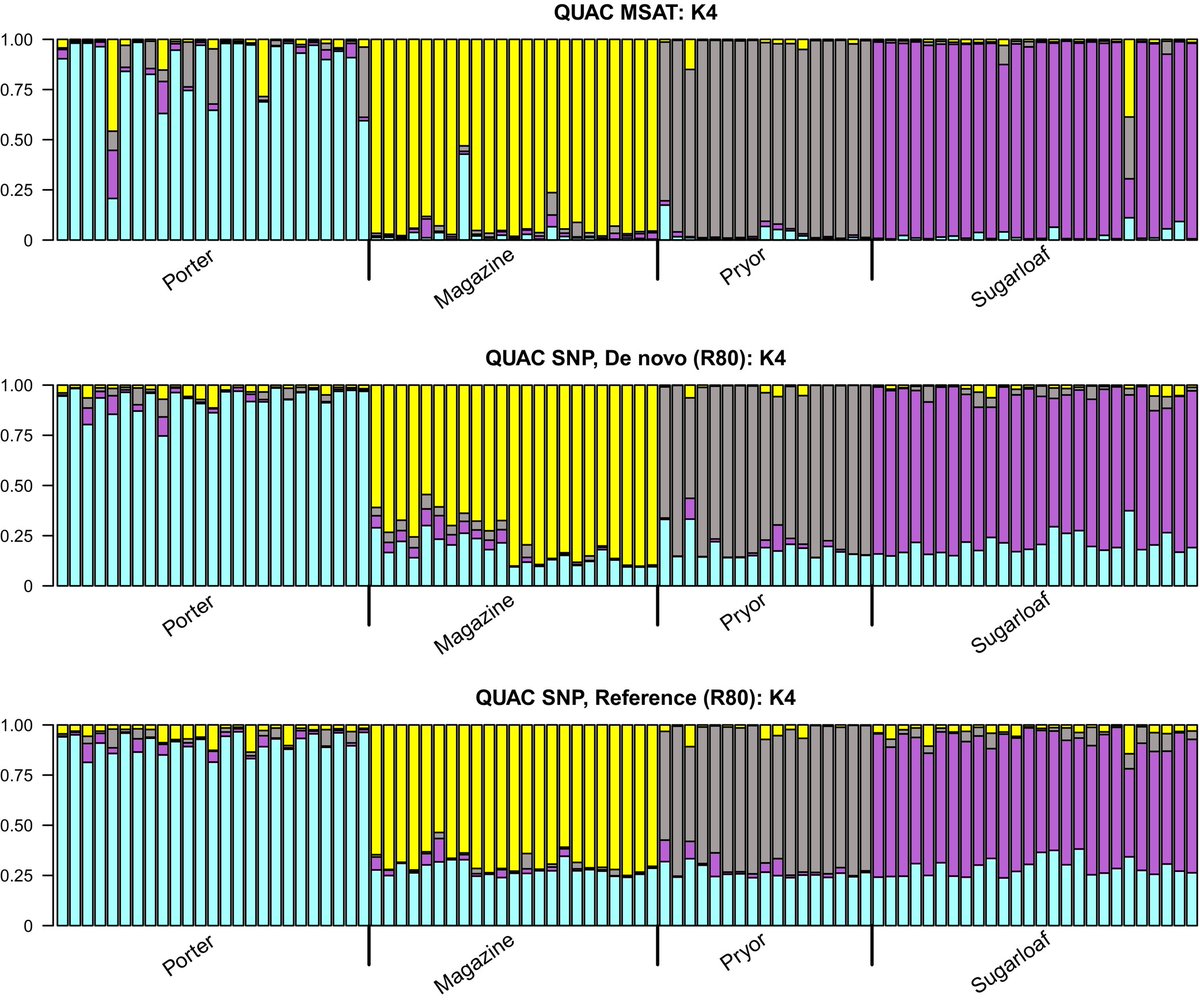
How do genetic markers affect ex situ conservation? SNPs and microsatellites, while different, both provide reliable estimates of genetic representation for 2 rare endemic oak species.
with @austinkoontz11 @koticneutralDNA @ScientistESS@seanmhoban
https://t.co/A1ipmDDsHA
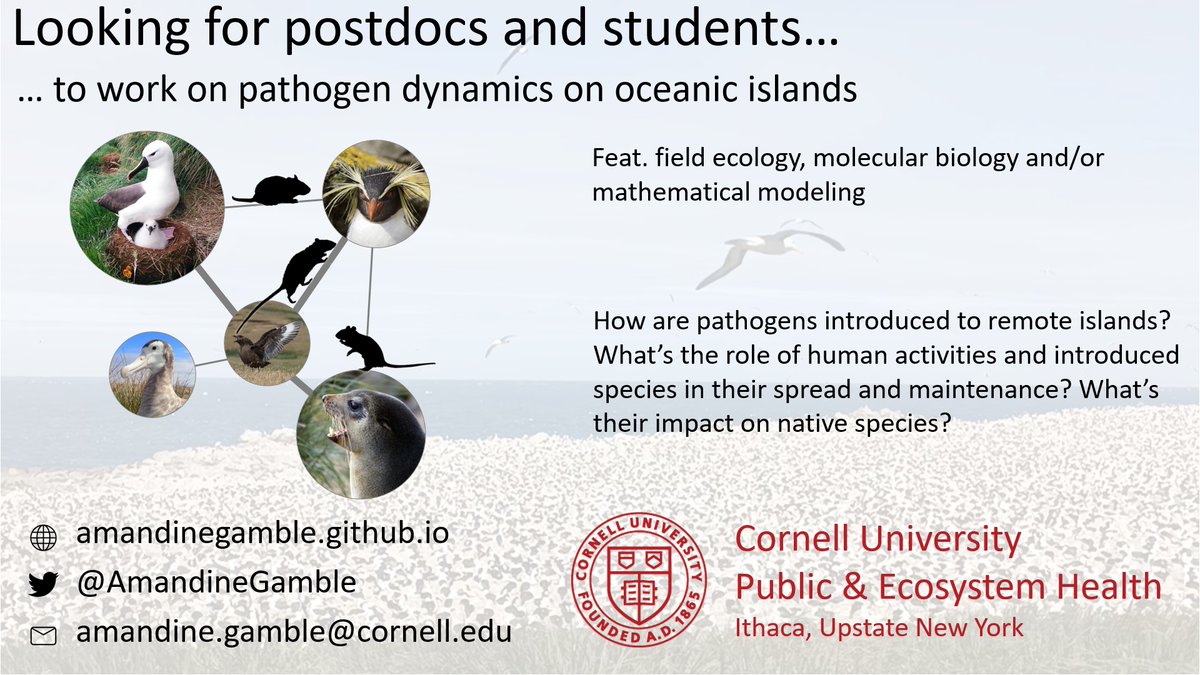
I'm looking for TWO postdocs to join my lab @cornellvet If you are interested in disease (re)-emergence, expansion & dynamics have a look at my lab: https://t.co/o0oMSwwqxY & details of the positions here: https://t.co/5CTNEiV6mc Reach out if you have any questions 🤓
Amazing work being done by Patrick Thompson of the Donald Davis Arboretum, to conserve the threatened oaks of the southeast. With a little shout out to the present and past work of @MortonArboretum https://t.co/JESWWYdSmO
Comparing ex situ conservation metrics in 2 oak species using microsats and SNPs showed that patterns are similar between markers. Support for plant collections and historic microsat data
https://t.co/A1ipmDCUS2
by @austinkoontz11 @seanmhoban @koticneutralDNA @ScientistESS
@koticneutralDNA @forestservice Those transitions are the hardest— make sure to be kind to yourself and give yourself a good amount of time to settle in!
That’s to say, congrats, can’t wait to see what you’ll do in this role! 🥳
The #HobanLab is hiring a full time Program Manager/ advanced Research Assistant. We produce excellent science & have conservation impact. Supportive, collaborative team, emphasizing growth, development. Work life balance, great salary, amazing workplace, mission & values. Pls RT
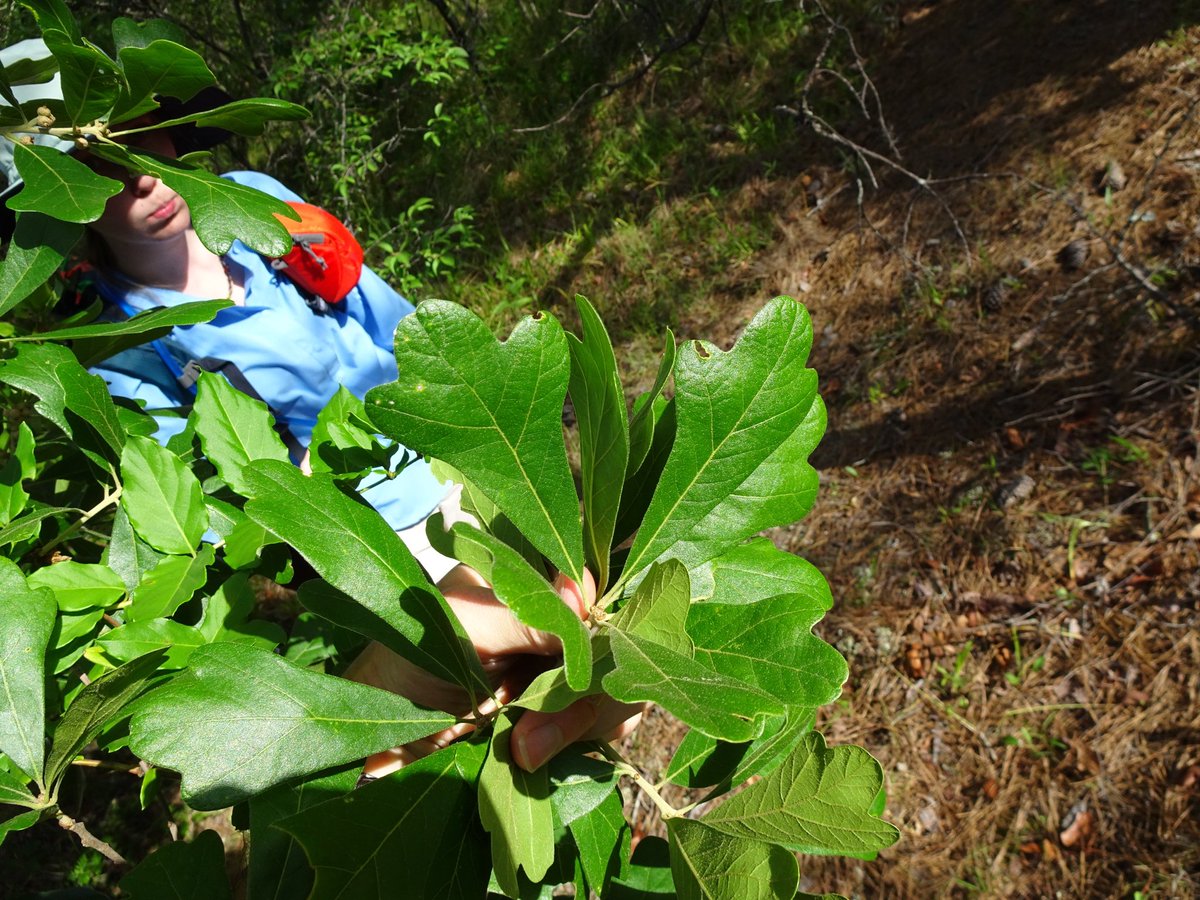
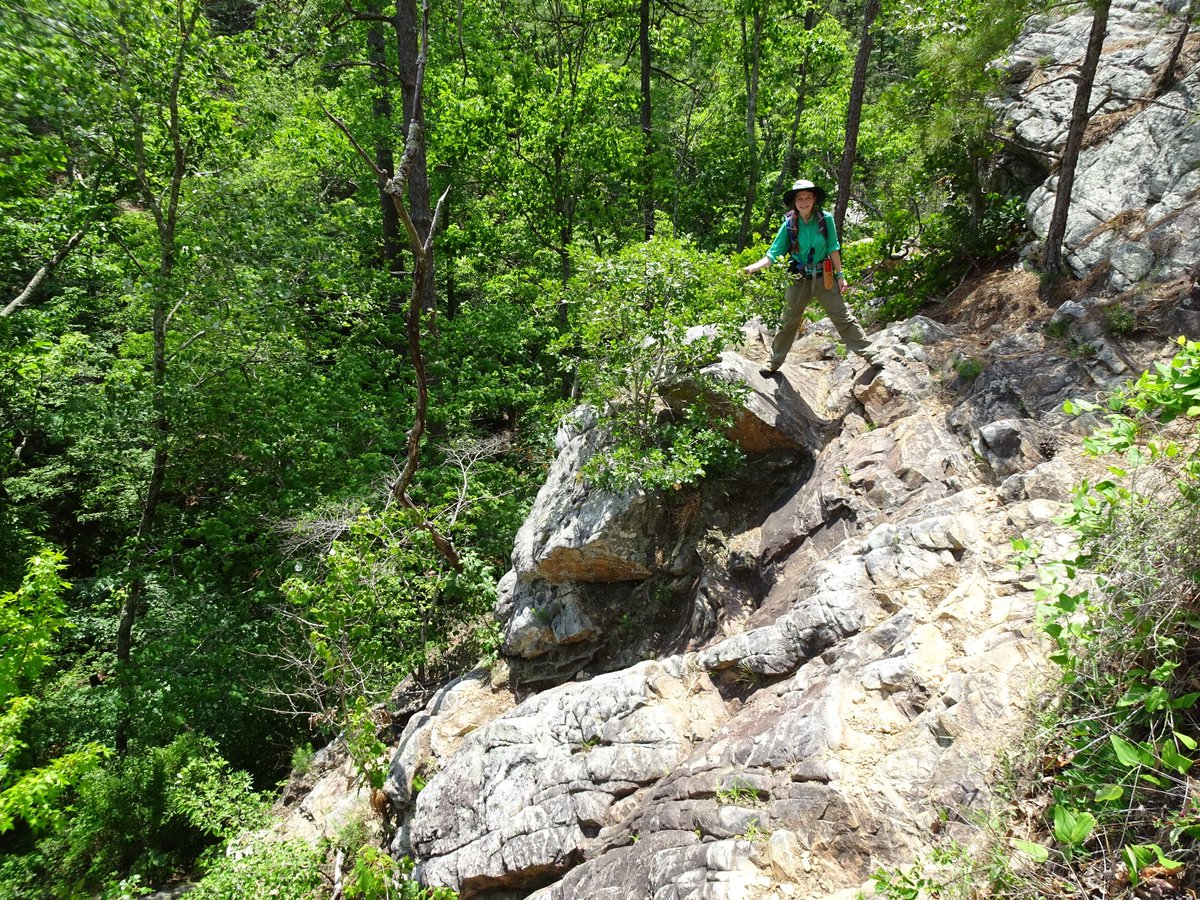
It’s great to be part of this large collaboration to understand, protect and restore the rare Alabama sandstone oak https://t.co/pRvFkBmHvY with @austinkoontz11 @koticneutralDNA @MortonGTCP@MurphyWestwood@PublicGardens@BGCI_US and many others
Looking for a #postdocjobs in wildlife behavior and disease ecology?
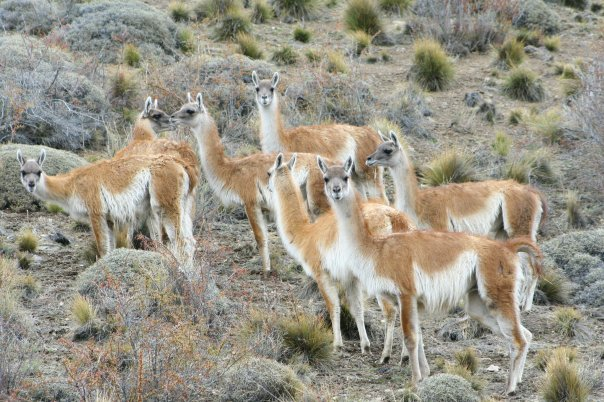
Join us to work with some cool critters! bats, guanacos, rodents...
https://t.co/sJb68VjllT
Attending #botany2023? Be sure to see @Kaylee_rosen#hobanlab talk in the symposium July 26 on new tools for plant conservation! Simulating realistic pollen and the constraints of real seed collectors for improving ex situ conservation https://t.co/xTH0p4n9Z8
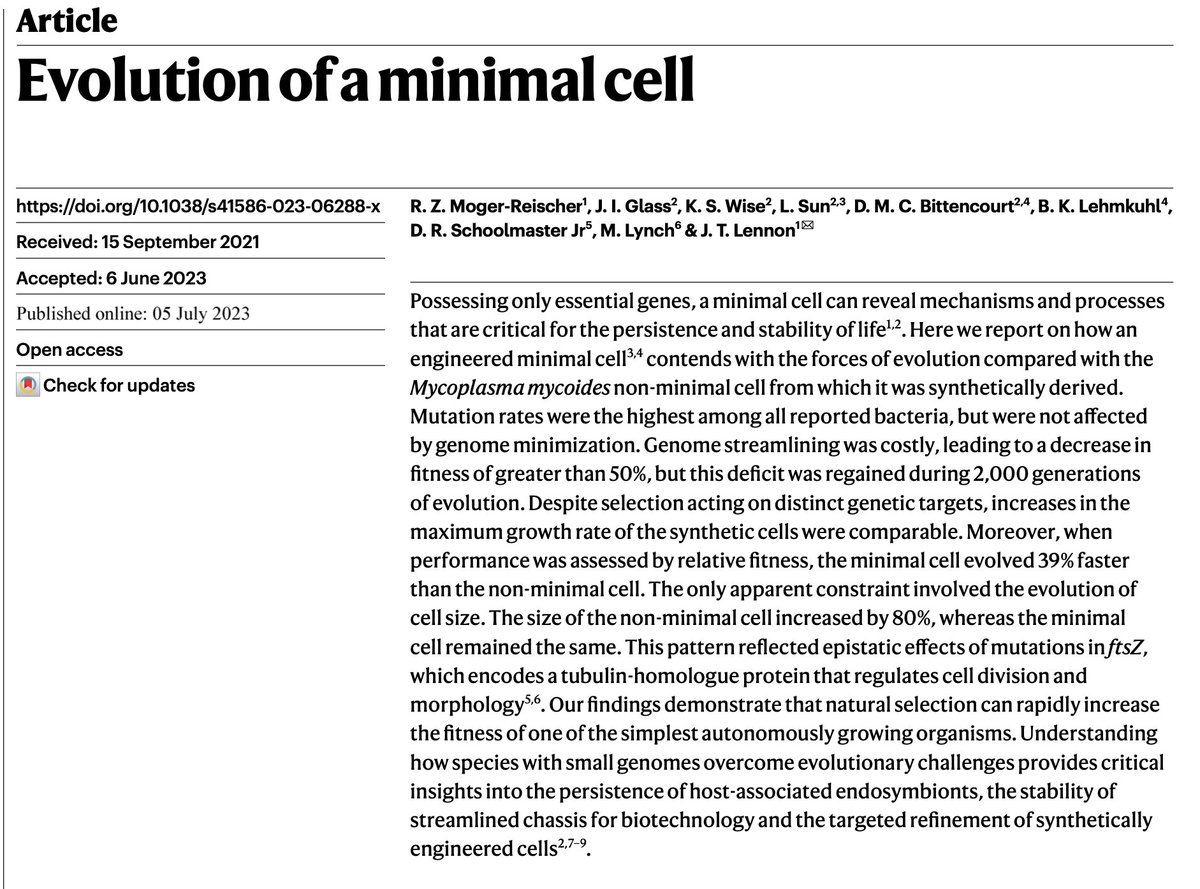
A mind-blowing paper has come out today in @Nature
In 2016, JC Venter Institute scientists trimmed a bacterial genome to its barest minimum required for life to synthesize what they called a "minimal genome" (https://t.co/Rk8oZJ0bUj).
Today, a group of scientists from Indiana University reports how that minimal genome evolved over 2000 generations in comparison to the non-minimal genome.
The authors found that even when you reduce a bacterial genome to its absolute minimum where every nucleotide matters, the genome undergoes mutational events generation after generation as much as the non-minimal genome. One simply cannot stop the evolution.
Just over 300 days of evolution (equivalent to 40,000 years in humans) the minimal cell has gained everything it lacked in fitness on day one in comparison to the non-minimal cell.
When comparing the evolved traits between the minimal and non-minimal cells, the scientists found something striking. The evolutionary process increased the cell size of non-minimal cells but not that of the minimal cell. But that is not the striking part.
The scientists were able to identify the key mutation that resulted in cell size evolution. And it turned out that the mutation that helped the non-minimal cells to grow bigger is the same that helped the minimal cells to stay smaller. Growing bigger had a survival advantage for non-minimal cells and not growing bigger had a survival advantage for minimal cells. So, the mutation had a context-dependent effect. This just demonstrates that the evolutionary effects on traits have no absolute direction. All that matter is what is beneficial for the organism's survival.
The conclusion of the paper is metaphorically a quote from the Jurassic Park movie:
“Listen, if there’s one thing the history of evolution has taught us is that life will not be contained. Life breaks free. It expands to new territories, and it crashes through barriers painfully, maybe even dangerously, but . . . life finds a way". (https://t.co/UlxRlb86CT)
https://t.co/zA9OAqSoAu
Panel-style webinar on ecological countermeasures, prevention strategies & policy opportunities for preventing pandemics at the source #PublicHealth
Moderated by @DavidQuammen, opening by @mvankerkhove, and hosted by @rainamontana from @AtkinsonCenter
https://t.co/60sHWHiRA6
#JobAlert 🚨 I'm looking for #postdocs to join me @CornellMPH
Feat. animal ecology & infectious disease with field work, lab work & mathematical modeling - we do lots of #seabirds and #rodents, but also looking at other systems
Please share and/or reach out online or @eeid2023
Morning: get accredited to operate drones in Australia.
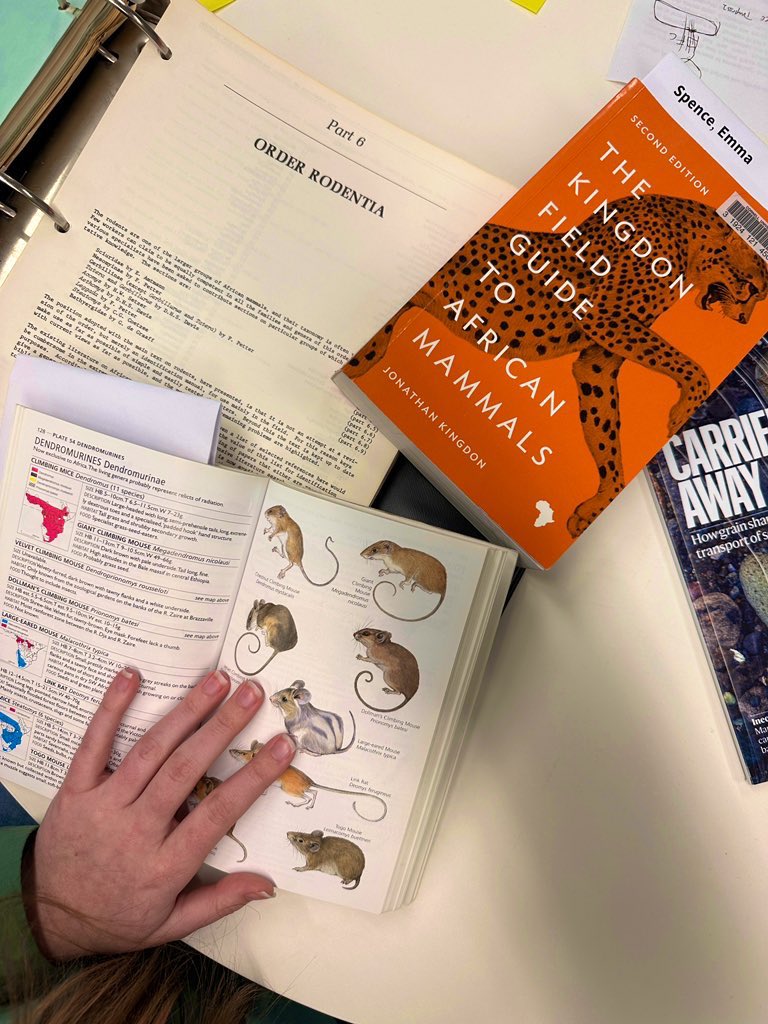
Afternoon: look into small mammal ID of unidentified samples from Kenya.
Evening: talk about how to poolplex samples for pop gen work on a widespread cactus.
TLDL: I love the diversity of the research I’m apart of.
How’d I get so lucky to have met @BethanyZumwalde? A best friend who also gets the science-y parts of me, I couldn’t ask for more.
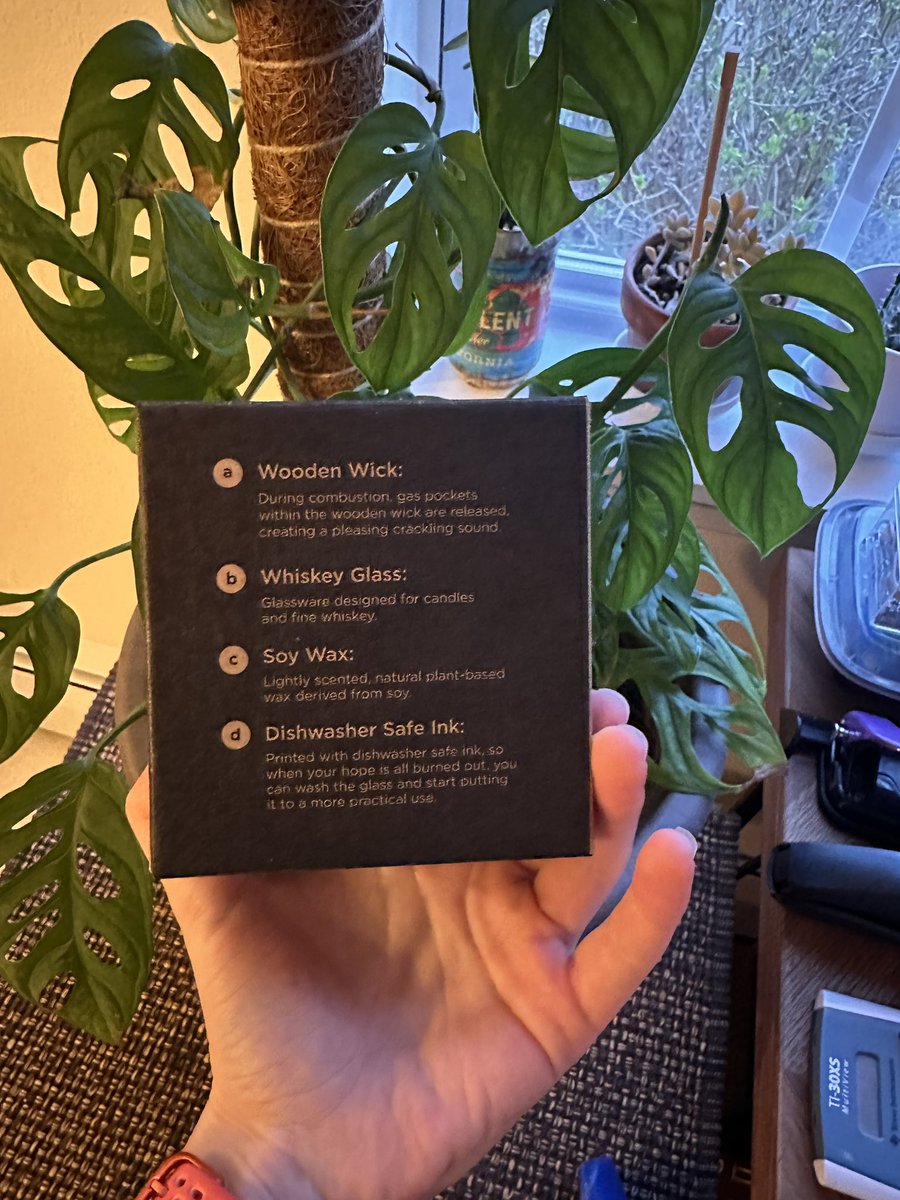
Thank you for my science prayer candle, I’ll use it sparingly. 🕯️ 🧬 📊
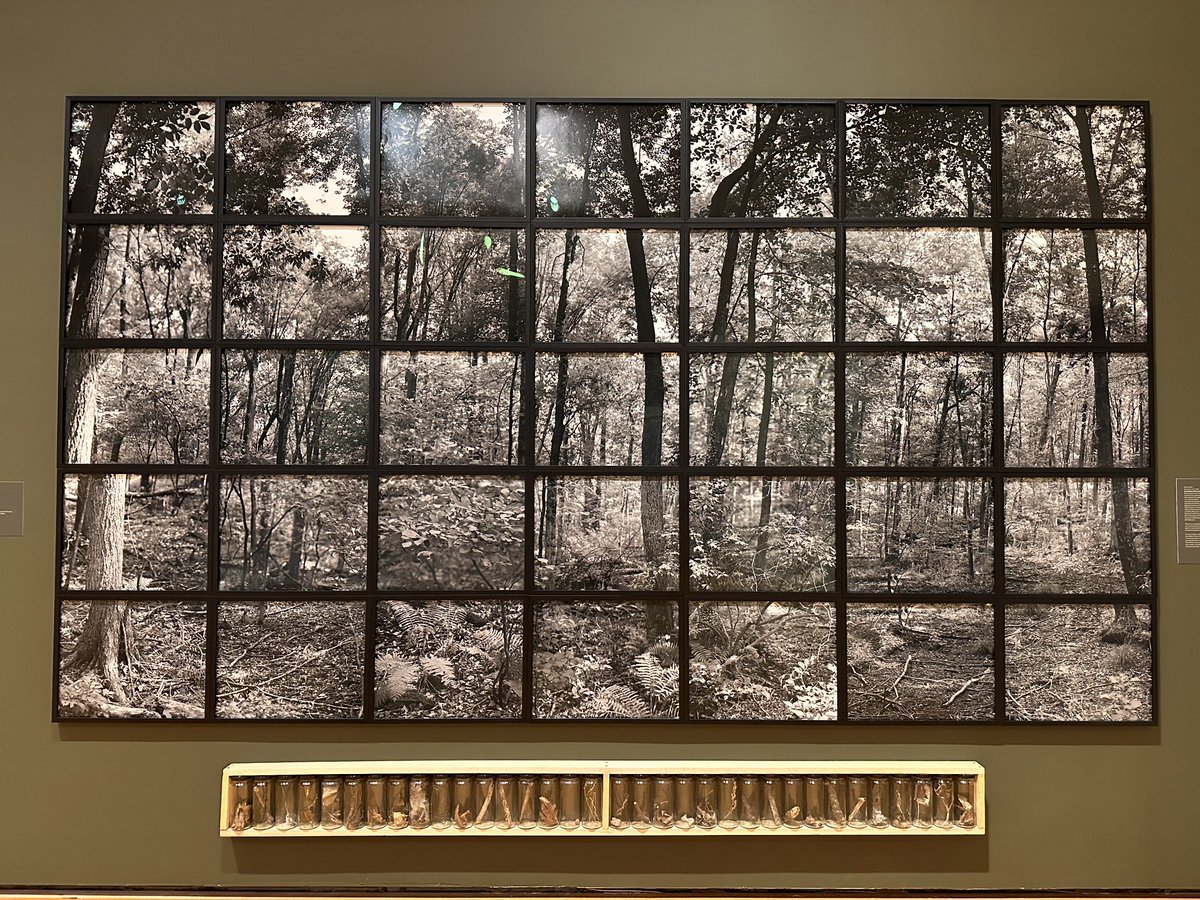
Seen @johnsonmuseum this weekend.
“What if we memorialized ecological losses like we did battles?”
35 unique black-and-white photographs and 35 glass jars containing "genetic element sections that represent the entire forest for future generations to re-create the forest."
It’s been some time since I’ve taken time for deliberate professional development, and does it feel good.
A 20 hour course, 5 practice tests and a FAA part 107 exam later, I’m a licensed remote pilot.
Time to fly some drones, for science!