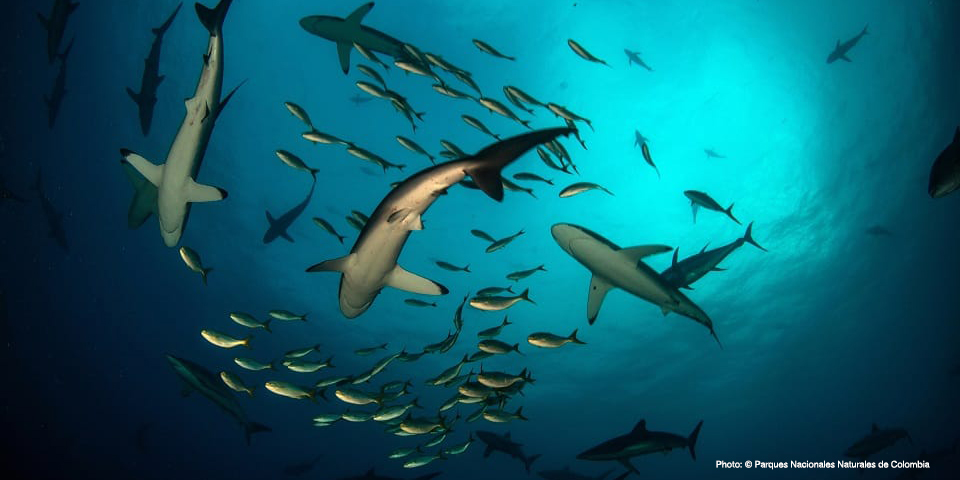
🌿 Biodiversity shapes our lives, our livelihoods, and our future. This #BiodiversityDay, let’s make the invisible visible by highlighting the importance of species conservation. #WeAreSSC@vivek4wild
Petition: Declare Atewa Forest Reserve a National Park
@EcoConscious and concerned citizens call on the Government of Ghana to take immediate and decisive action to protect one of our nation's irreplaceable natural treasures — Atewa Forest Reserve.
https://t.co/nTTOfL9Qil
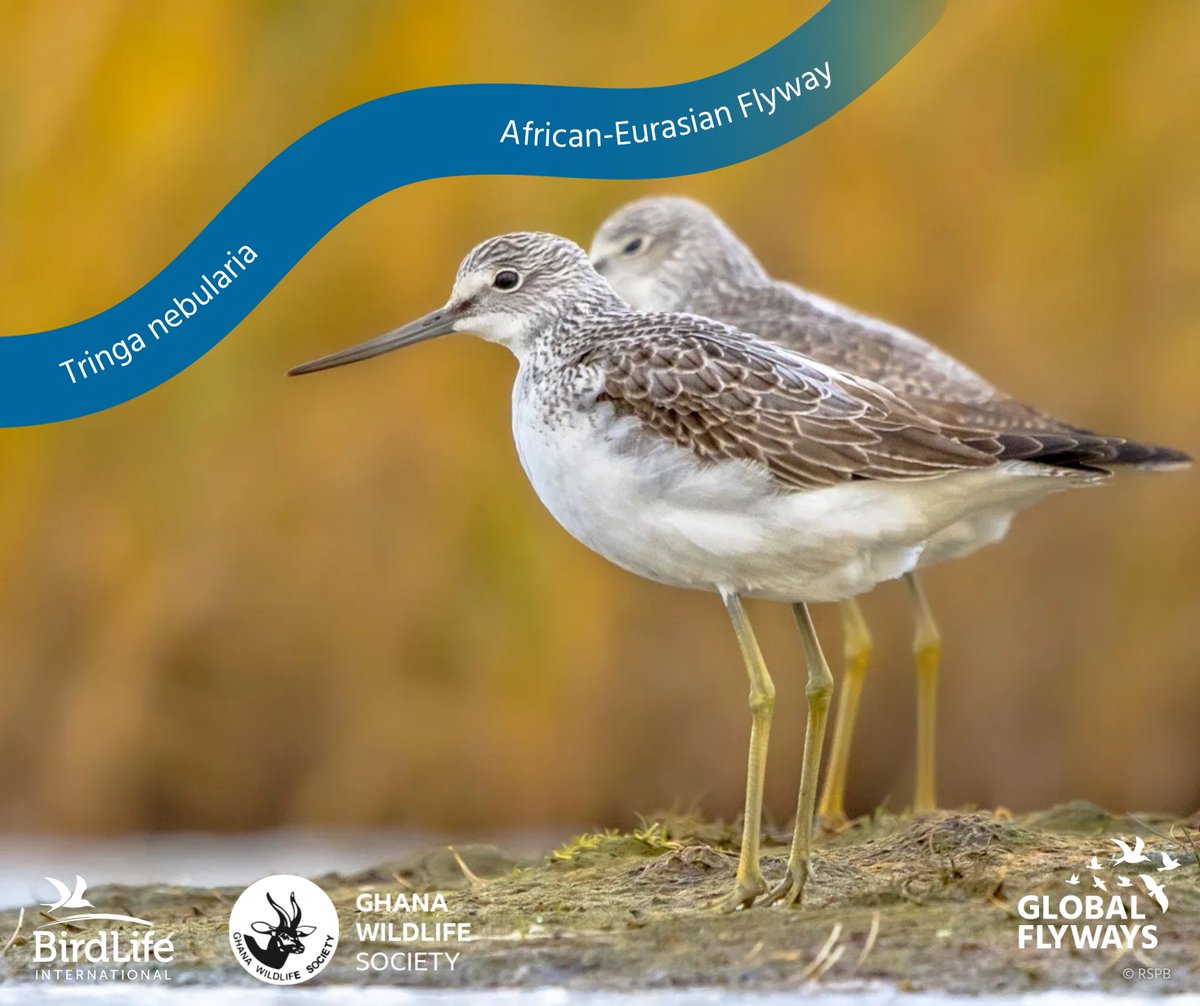
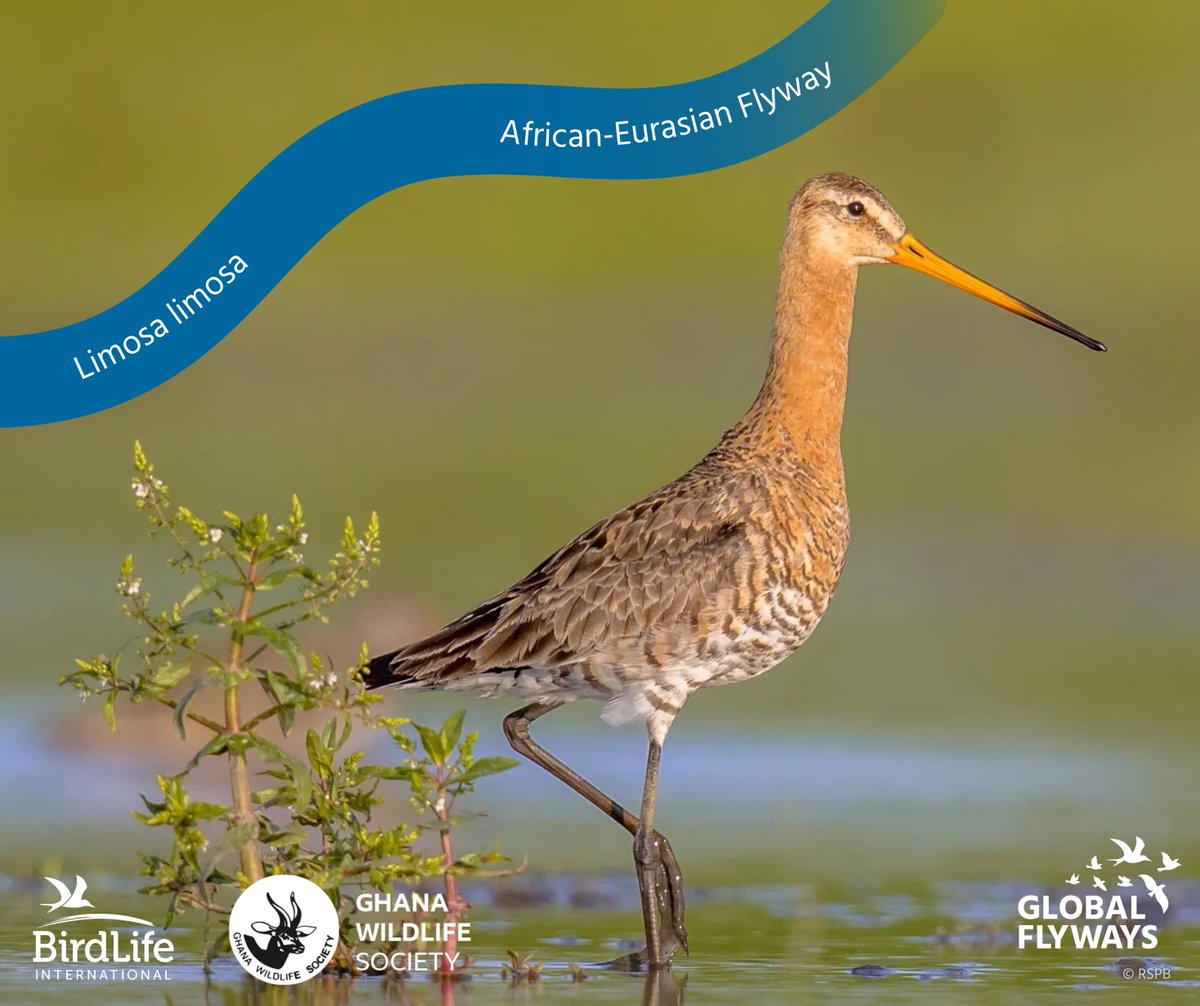
🐦 Today is #WorldMigratoryBirdDay!
Ghana welcomes 70+ migratory species each year at sites like Sakumono & the Densu Delta.
"Every Bird Counts. Your Observation Matters."
🔗 https://t.co/3Dd3rewblM
#WMBD2026#BirdMigration@BirdLifeAfrica
@WorldMigBirdDay
Human activities on land are the leading cause of marine pollution.
It drives economic loss, threatens biodiversity, and damages the ecosystems we all depend on.
Share your views in this survey and help shape our work to #SaveOurOcean:
https://t.co/3cf5JEi36e
It is hard to miss the current debate around LLMs. While many people are excited about their transformative potential, others are rightly concerned about the associated risks, including deskilling and the potential misrepresentation of minority voices. What is becoming clear, nonetheless, is that LLMs are already changing how academic research is conducted.
In this article, we review potential applications of LLMs in ecology and conservation science. We identify emerging and future uses that could advance ecological research and support progress toward biodiversity targets. At the same time, we discuss important risks that need to be acknowledged and addressed, and we present some initial solutions.
We hope this article will serve as a useful primer for researchers interested in incorporating LLMs into their work and will contribute to the current debate on how these tools can be used more effectively and responsibly. https://t.co/ckCQhpeeS0
#LLMs #GenerativeAI #Ecology #Biodiversity #Conservation #Academic #Research
A major milestone for biodiversity genomics: EBP-affiliated projects have now contributed over 6,000 genome assemblies toward the goal of sequencing all known eukaryotic life.
🧬Thank you to all EBP-affiliated projects behind this work, from sampling to sequencing and assembly.
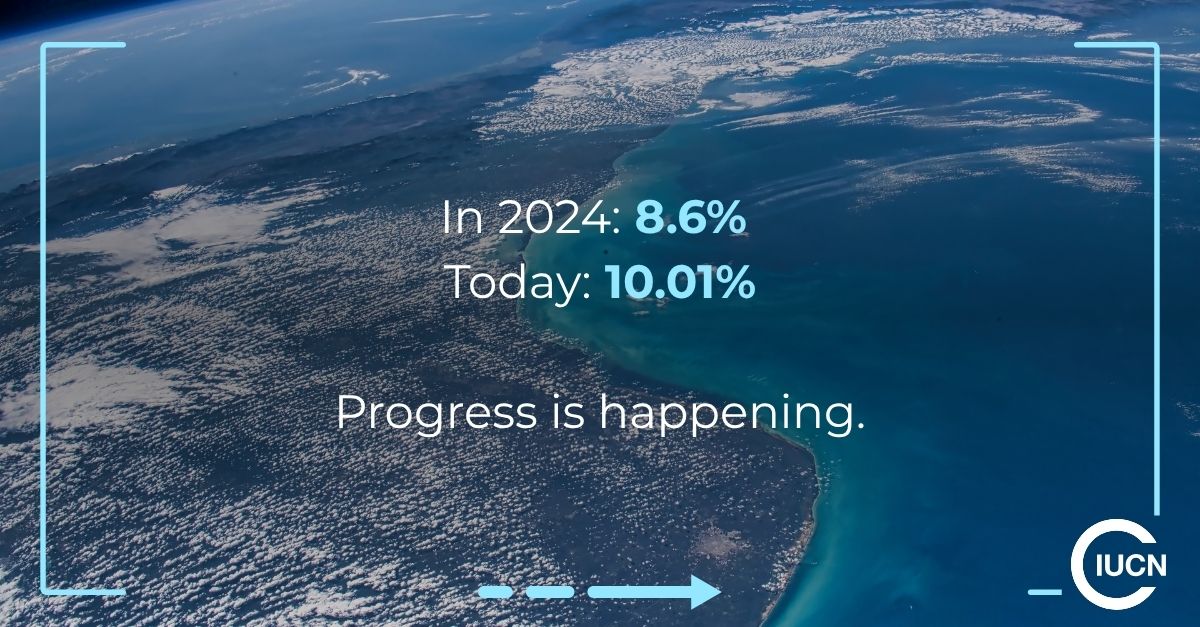
The world has reached an important milestone: 10% of the ocean is now protected.
In just two years, countries have added 5 million km² of protected ocean. That’s real progress. But this isn’t the finish line …
The next challenge isn’t just protecting more ocean - it’s protecting it well.
https://t.co/mvqHCCVrHK
New paper alert:
>80k nacelle-height recordings and stereo-thermal 3D tracks show that bats sing in the rotor-swept zone and circle turbine nacelles. We need smarter, species-sensitive curtailment that aligns both climate and biodiversity goals.
🔗 https://t.co/Ac94qnArZ8
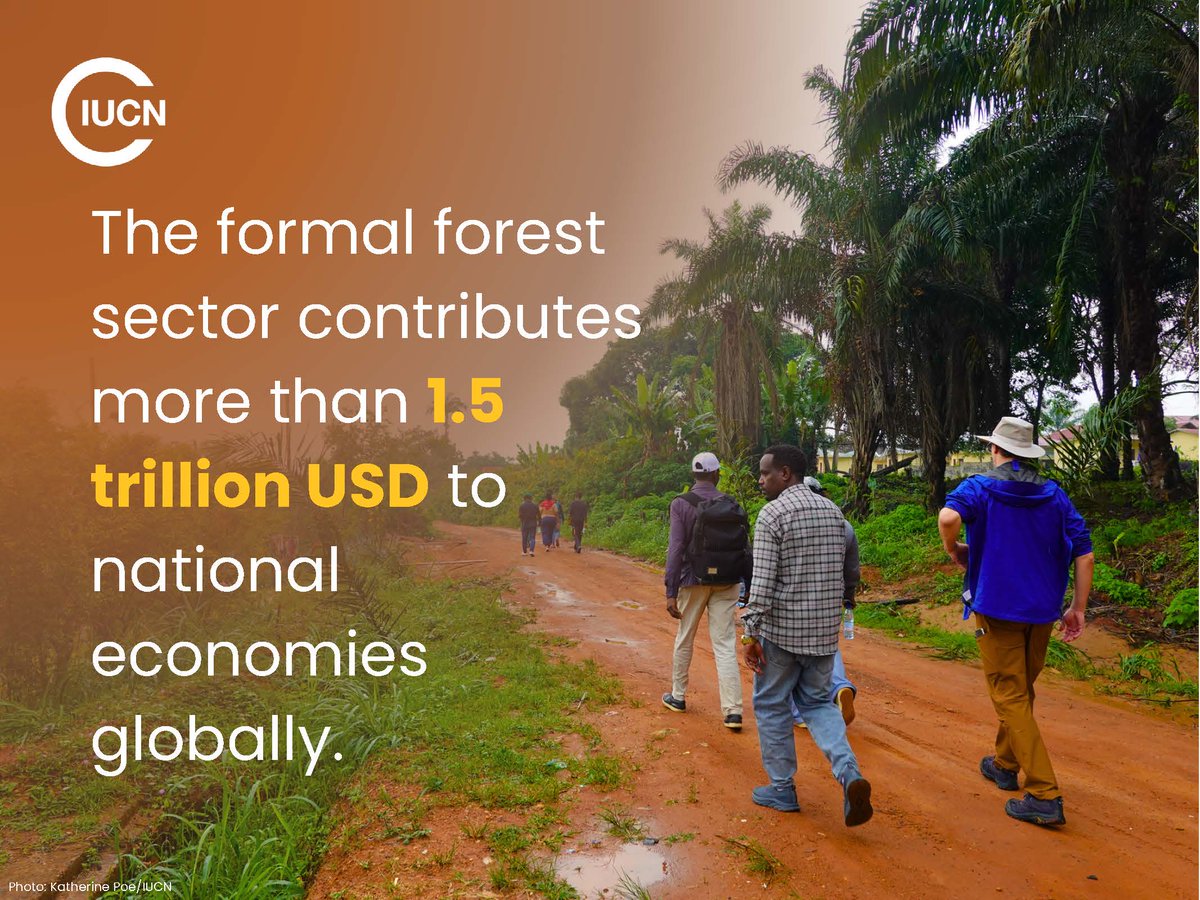
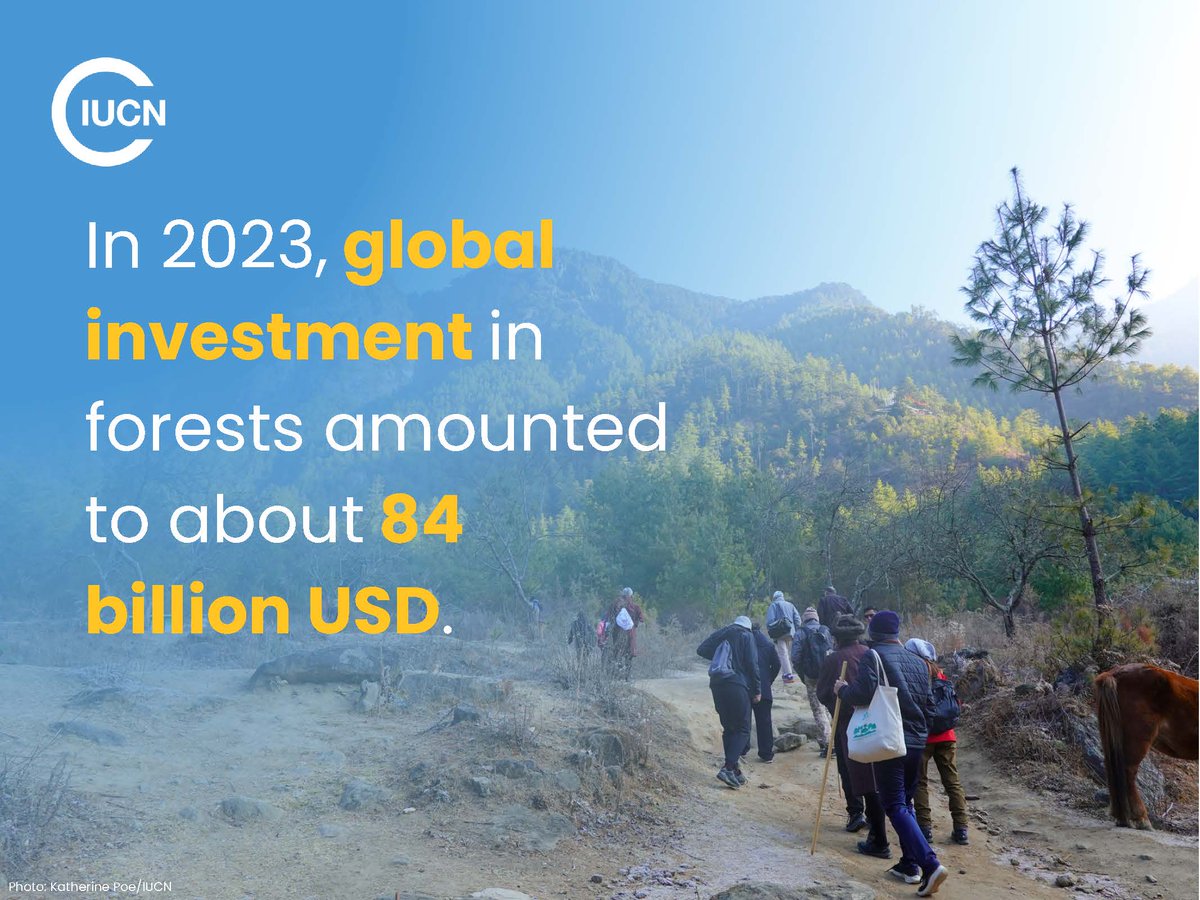
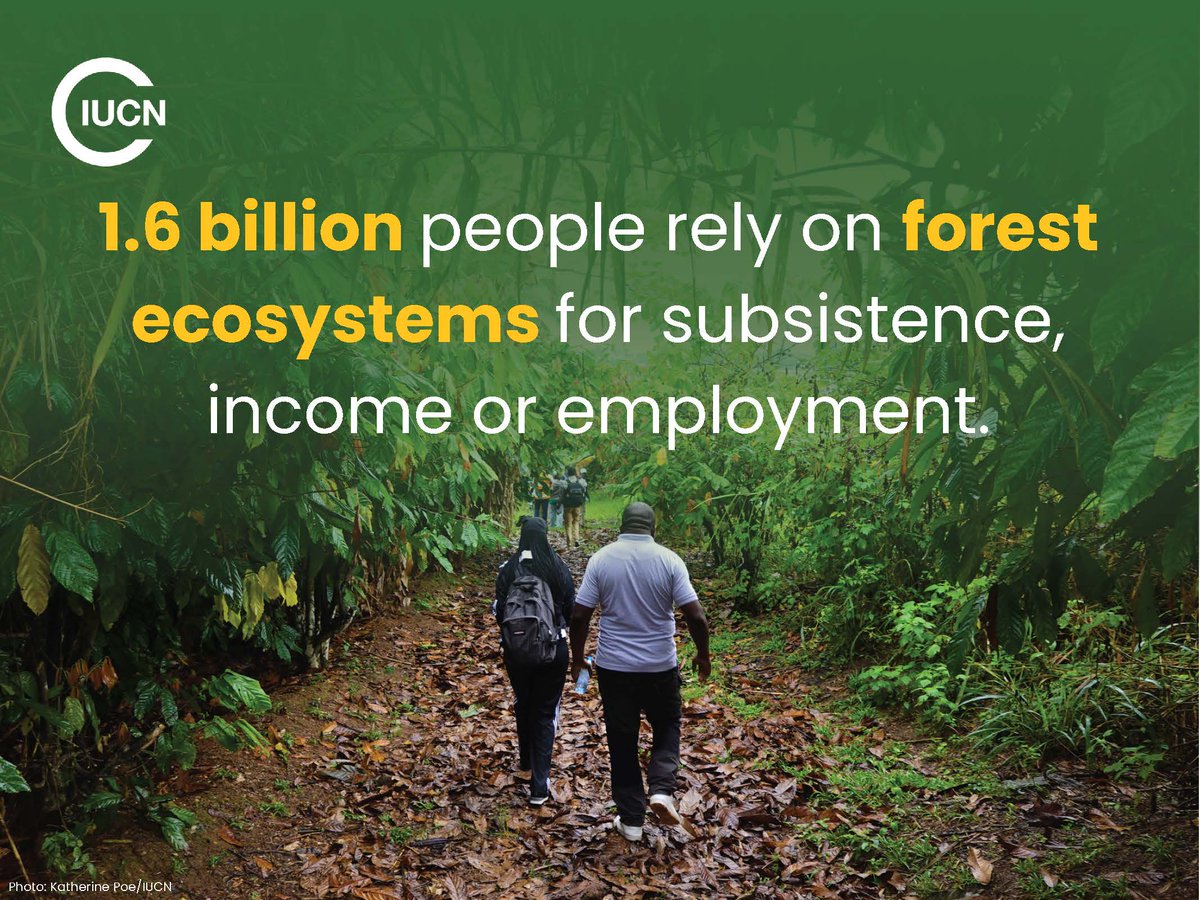
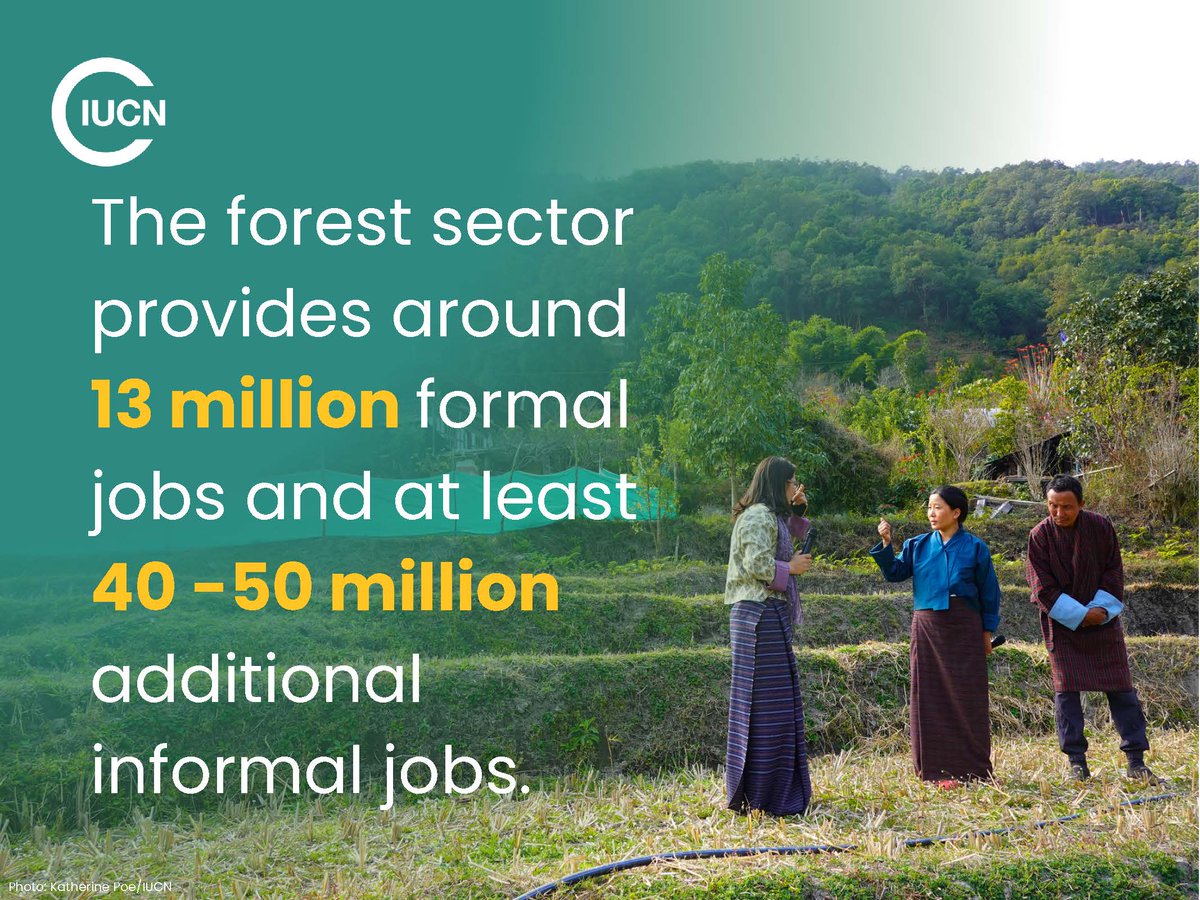
The International Day of Forests, celebrated each year on 21 March, raises awareness of the vital role forests play in supporting people and the planet.
This year’s theme, “Forests and Economies,” highlights how forests sustain livelihoods and create economic opportunities across sectors.
“Forests are essential to the wellbeing and livelihoods of people,” said Grethel Aguilar, IUCN Director General. “At IUCN, we are advancing forest conservation globally while working with the communities who depend on these ecosystems. Protecting, conserving, and restoring forests ensures they can continue supporting communities and economies for generations to come.”
Learn more about how IUCN is conserving and restoring forests worldwide: https://t.co/3jwyX5jpj8
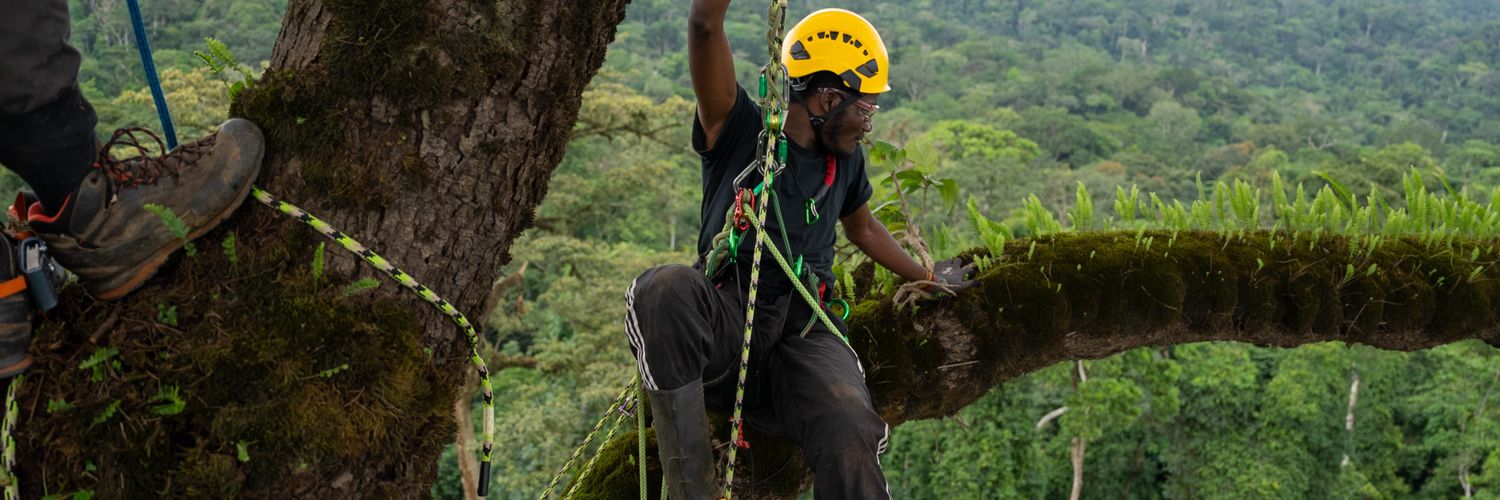
From 11- 12, with our partner Conservation Society of Sierra Leone we organized a two-day Technical Workshop on Strengthening Cross-border Collaborative Management of greater Gola Transboundary Landscape. This event formally launched the Guinean Forests Integrated Program
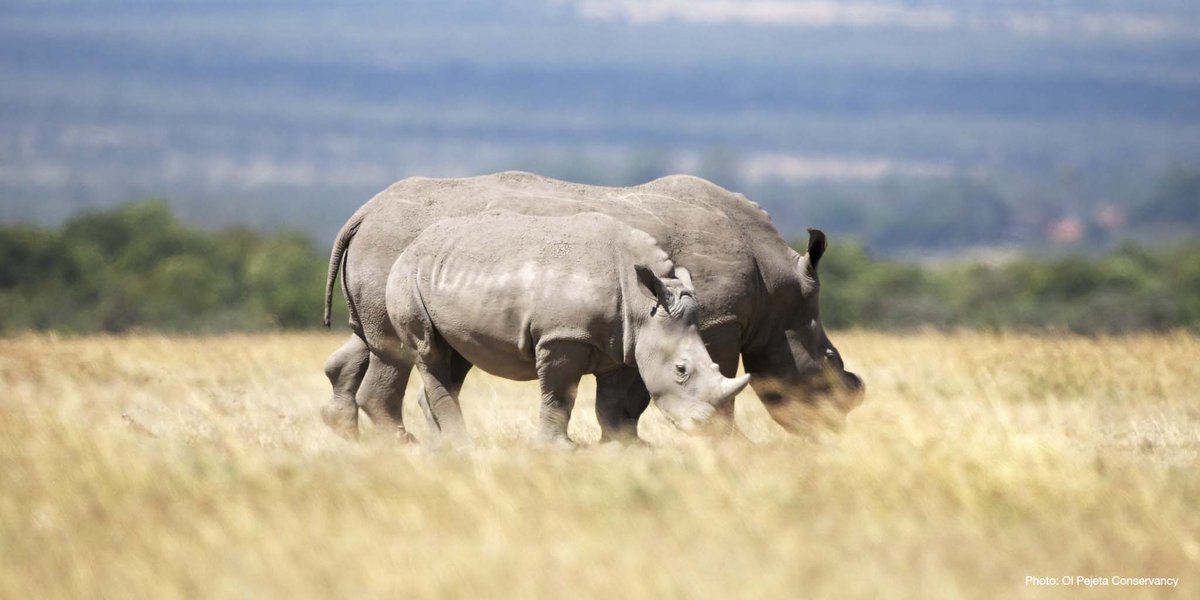
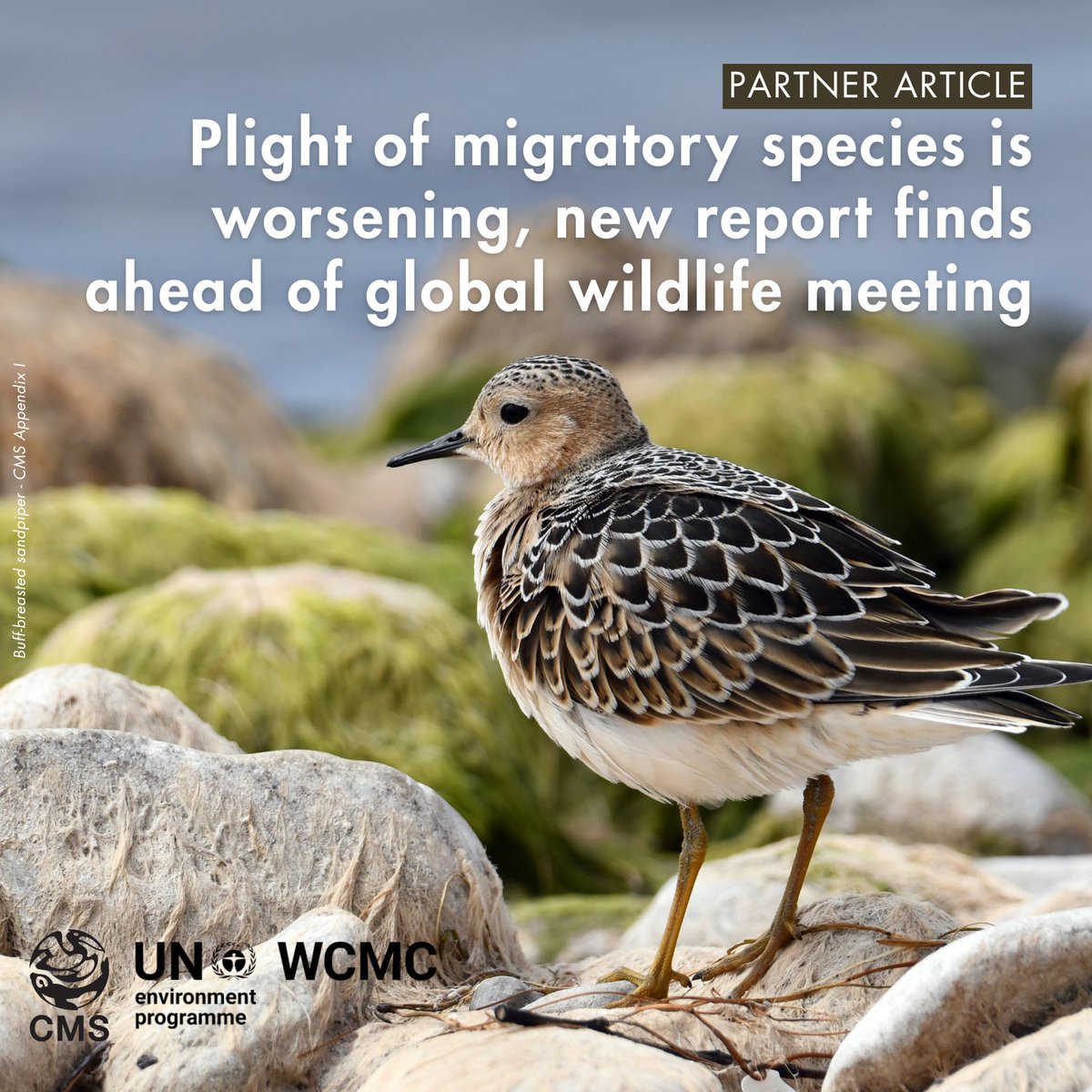
Ahead of #CMSCOP15, our State of the World's Migratory Species: Interim Report 2026 was released last week.
Developed by scientists at the @unepwcmc and with contributions from @BirdLife_News, researchers at @UQ_News, and @migratinghooves, the report finds 49 per cent of migratory species recognised by the world’s governments as needing protection have declining populations, up from 44 per cent two years ago.
Moreover, 9,372 Key Biodiversity Areas (KBAs) were identified as important for CMS-listed species, but 47 per cent of the space covered by these KBAs is not under protected or conserved areas.
Read more: https://t.co/8ZCsxUomvo
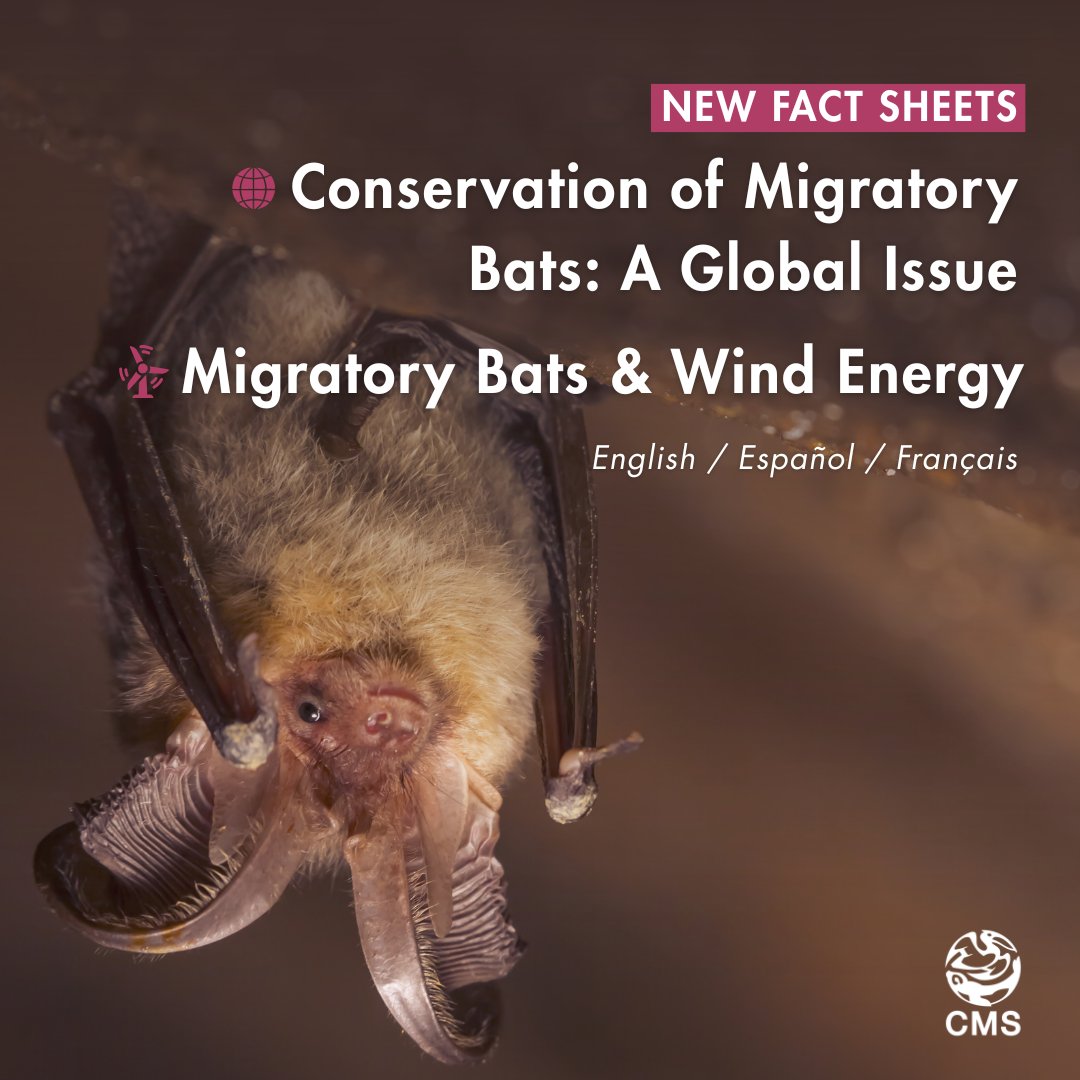
Bats are vital to ecosystems worldwide for pollination, seed dispersal and insect control supporting healthy landscapes, food systems, and biodiversity. 🦇
Yet migratory bats face growing threats from habitat loss, climate change, hunting, persecution, and collisions with wind turbines, especially along important migratory routes.
Our new fact sheets, available in English, Spanish and French, highlight why bat conservation matters at a global scale and how smarter wind energy planning, siting, monitoring, and mitigation can help reduce impacts on migratory species. 🔌
- Download Fact Sheet on Conservation of Migratory Bats - A Global Issue: https://t.co/cXXiJrrlEn
- Download Fact Sheet on Migratory Bats and Wind Energy: https://t.co/WQ4OSMfcmp
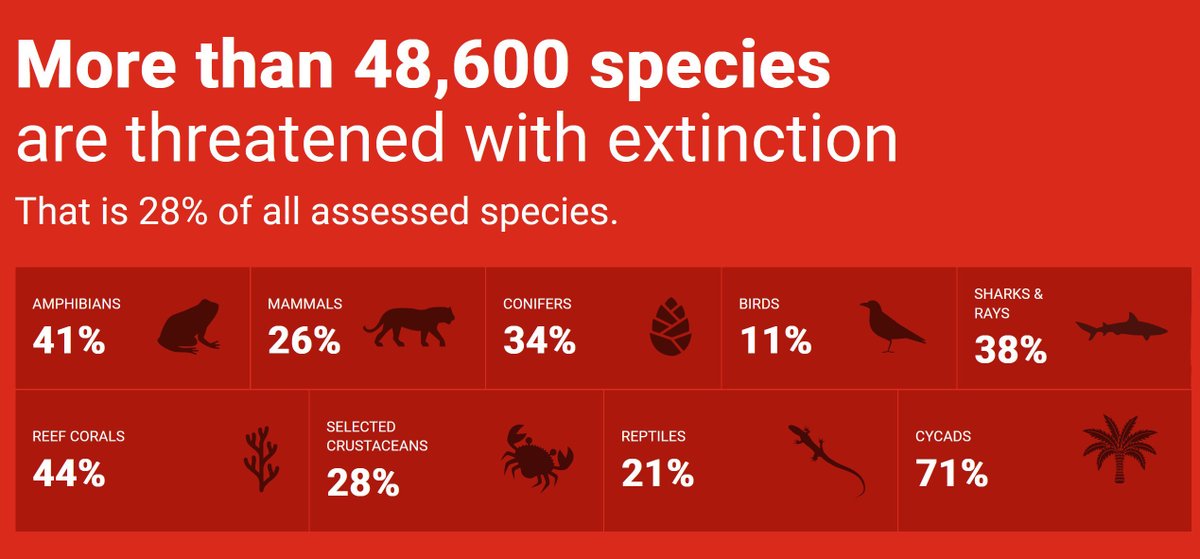
The number of assessed species on the IUCN Red List is now 172,620, with over 48,000 threatened with #extinction.
The IUCN Red List of Threatened Species™ is a critical indicator of the health of the world’s #biodiversity.
https://t.co/LKvLgYYvjB
From successful #conservation results to respect for the local community, the #IUCNGreenList sets the standard for protected and conserved areas.
Explore the sites on the IUCN Green List https://t.co/DkQXM9vGVm
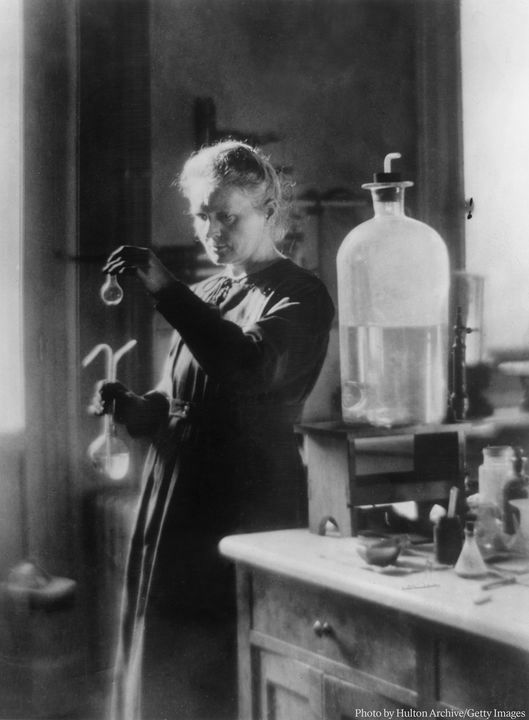
The first woman to be awarded a Nobel Prize, the first individual to be awarded two Nobel Prizes and still today the only individual with two Nobel Prizes in two different scientific categories: Marie Skłodowska Curie.
Skłodowska Curie developed the term radioactivity, discovered the chemical elements polonium and radium and contributed to develop new cancer treatments. For her scientific dedication and remarkable breakthroughs, she was awarded the 1903 physics prize and the 1911 chemistry prize.
Learn more: https://t.co/dysmKgnI8A
#InternationalWomensDay
Happy #InternationalWomensDay 🌿
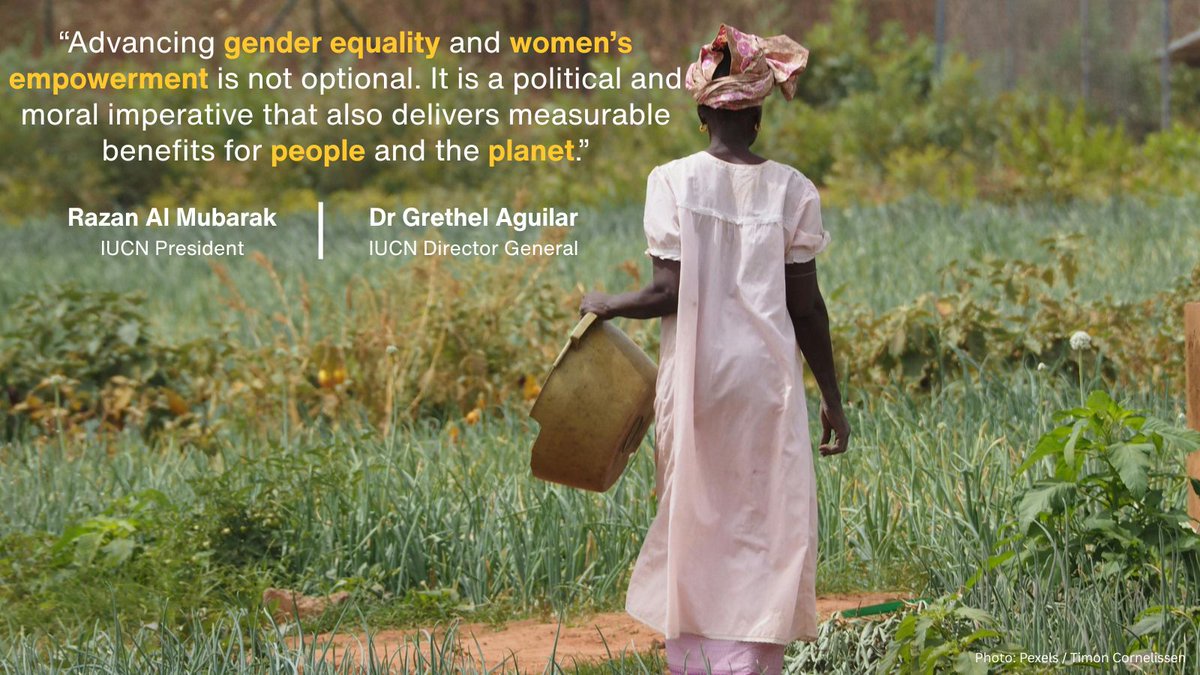
Women's empowerment in environmental work drives stronger ecosystem protection and greater agricultural production. 🌍
As we celebrate #IWD2026, IUCN reaffirms its unwavering commitment to protecting and advancing the rights of women and girls as a matter of justice, dignity and human rights. 💚
https://t.co/ki2fsRs5GG @IUCN_Gender