Total Solar Eclipse HDR image, captured with my D800 through a C80 ED refractor telescope.
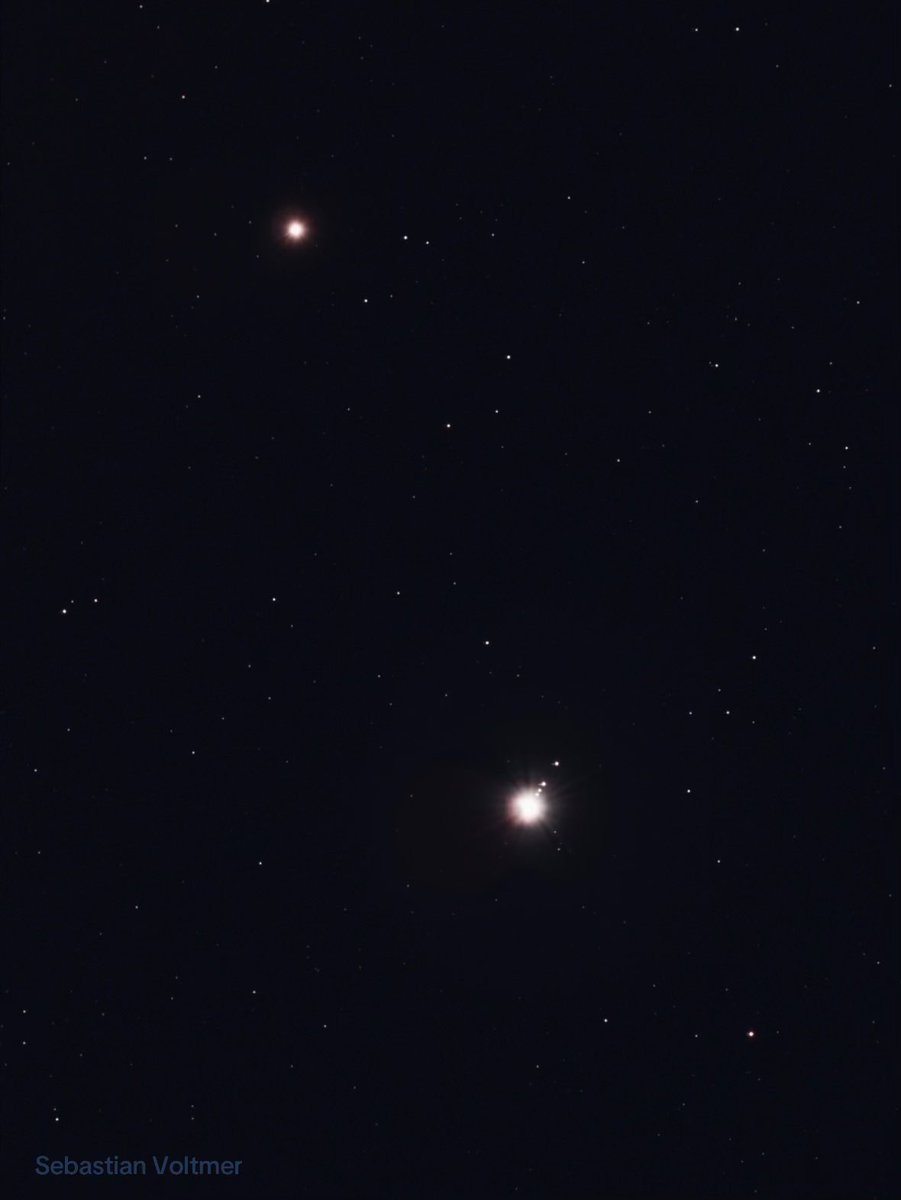
Even with the naked eye, I was able to see the earthshineas I looked at the star Regulus (peripheral vision).
Image: @SeVoSpace
On April 8, the great total solar eclipse will cross North America, passing over Mexico, the United States and Canada. If you’re not in the central line you will unfortunately miss it. But at the SpaceStudio (Weltraum-Atelier) we’re going to show you this event live in our planetarium. You can also join the stream on the YT channel: spacemovie
#astrophotography #totalsolareclipse #eclipse #greatamericaneclipse #hdr #solarcorona #sun #solarcorona #larsonsekanina #sebastianvoltmer #spacestudio
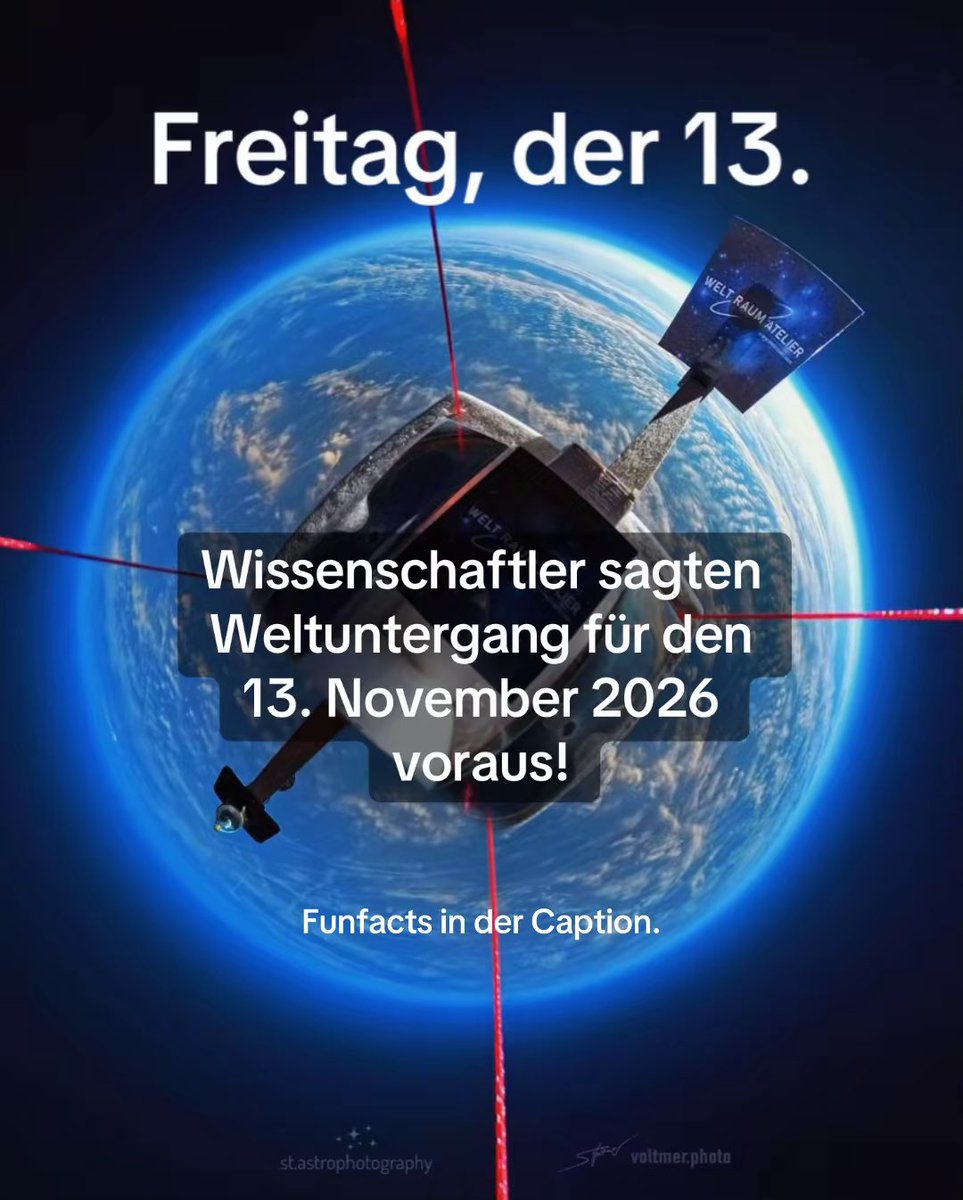
Bereits 1960 nannten die drei Wissenschaftler Heinz von Foerster, Patricia M. Mora und Lawrence W. Amiot dieses Datum in ihrer Studie „Doomsday“.
Ihre Berechnungen deuteten auf eine mathematische Katastrophe hin...
Aufnahme im Hintergrund: @Weltraumatelier#Weltuntergang
This image is a newly interpreted version of my classic Blood Moon over a cemetery in Transylvania near Bran Castle, often nicknamed “Dracula’s Castle”.
The visual information was captured chemically on film. Do you remember my exhibition at the Planetarium Stuttgart in 2003?
Heute wurde bekannt, dass bereits vor einer Woche Margaret Hamilton gestorben ist. Sie wurde 90 Jahre alt.
Am MIT leitete sie die Abteilung für Software-Entwicklung und war hier für die Flugsoftware (in Landekapsel und Kommandoschiff) aller Apollo-Mondflüge verantwortlich.
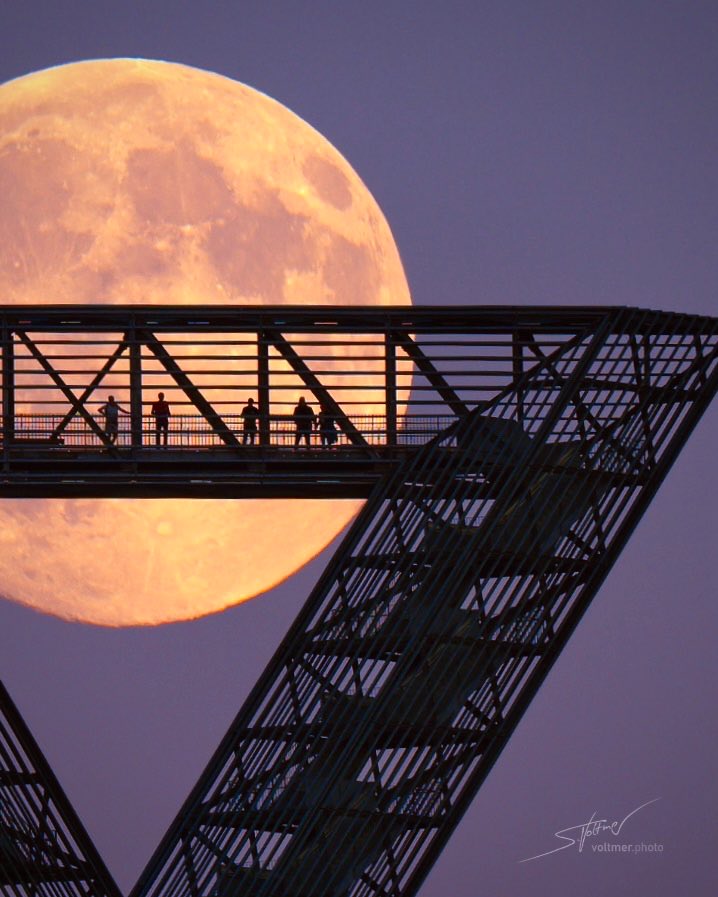
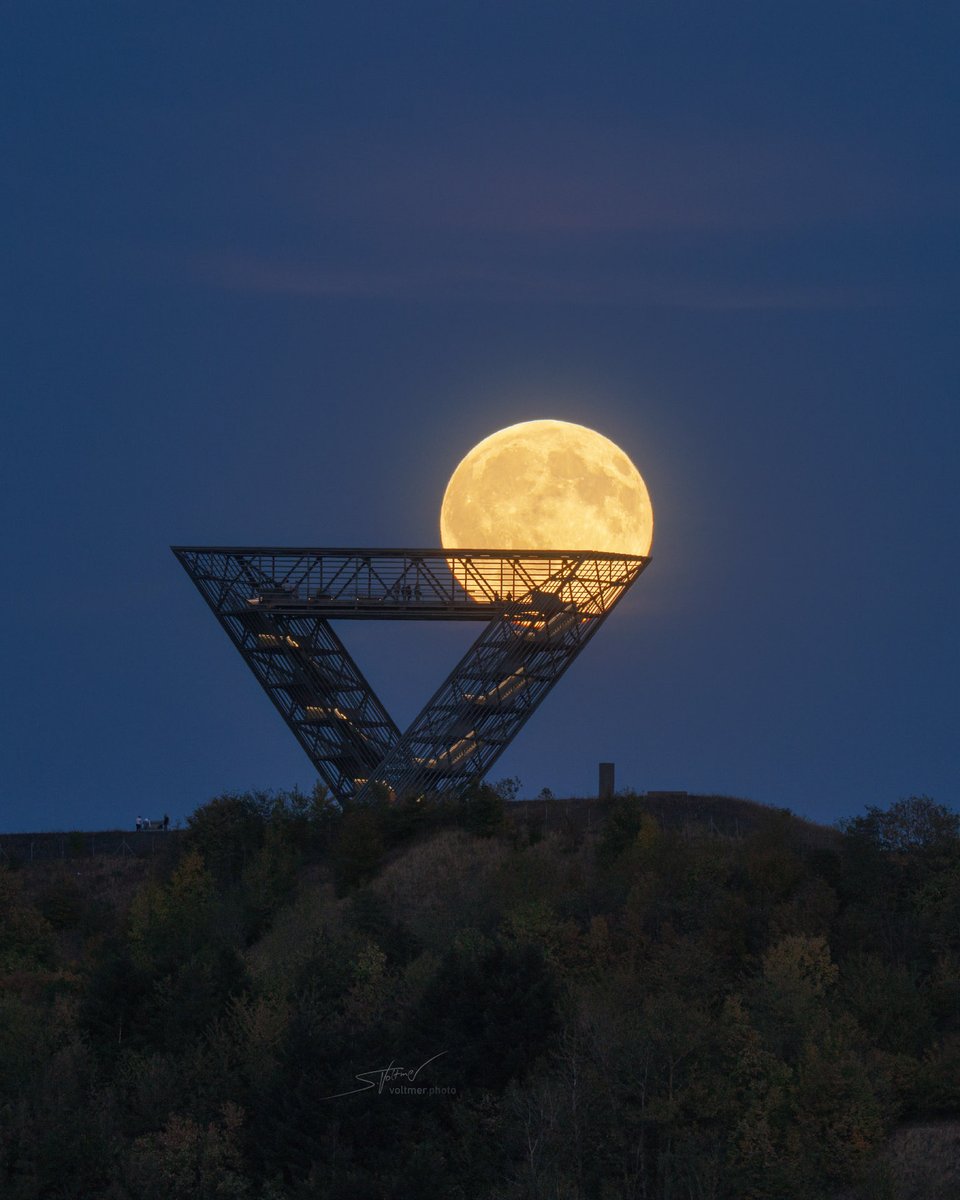
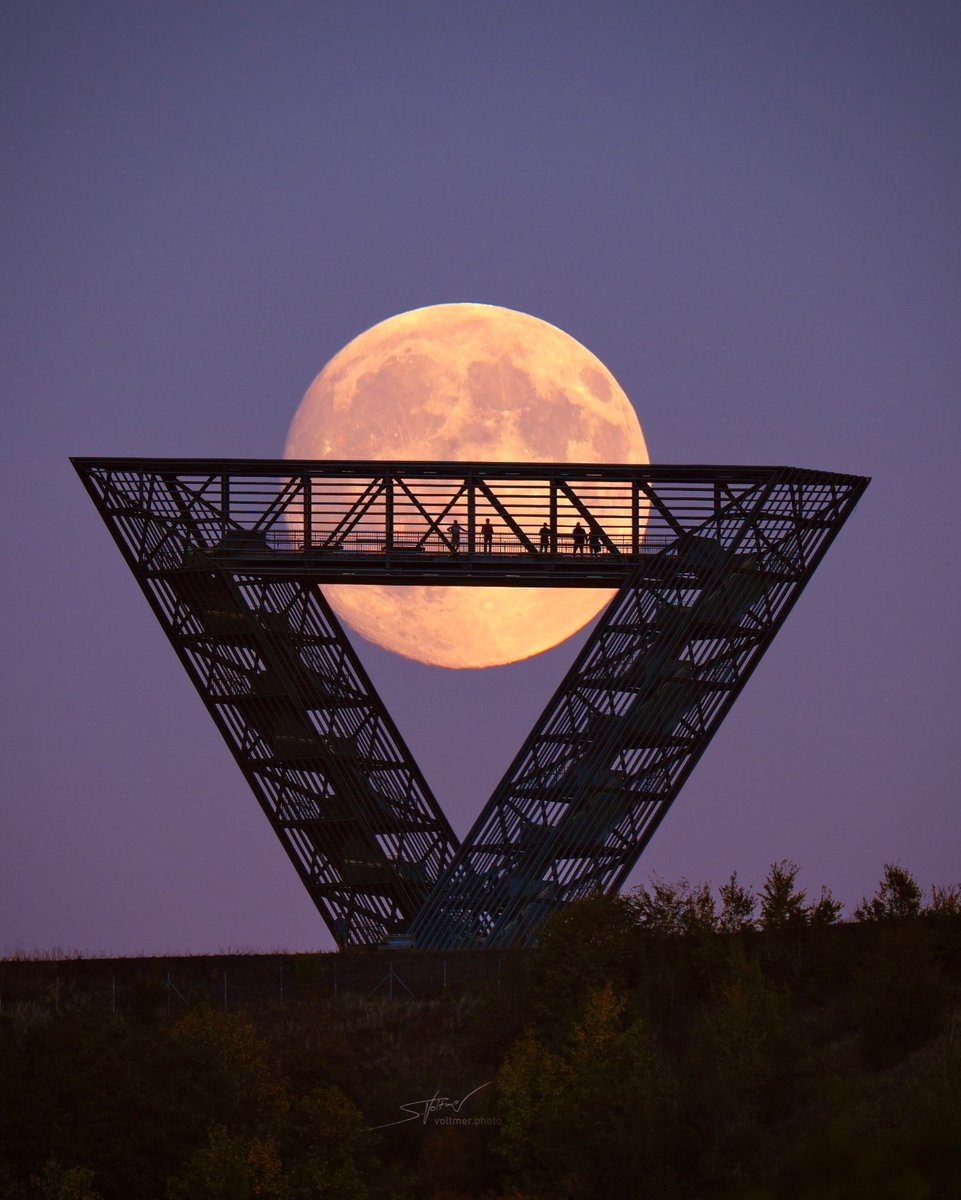
Vollmond exakt zum 10-jährigen Jubiläum des Saarpolygons.
Das Jubiläum fiel tatsächlich auf einen Vollmond, den sogenannten Erntemond. Dieser ist der Vollmond, der der Tagundnachtgleiche im Herbst am nächsten liegt.
📷 @SeVoSpace#Saarpolygon#10JahreSaarpolygon#Vollmond
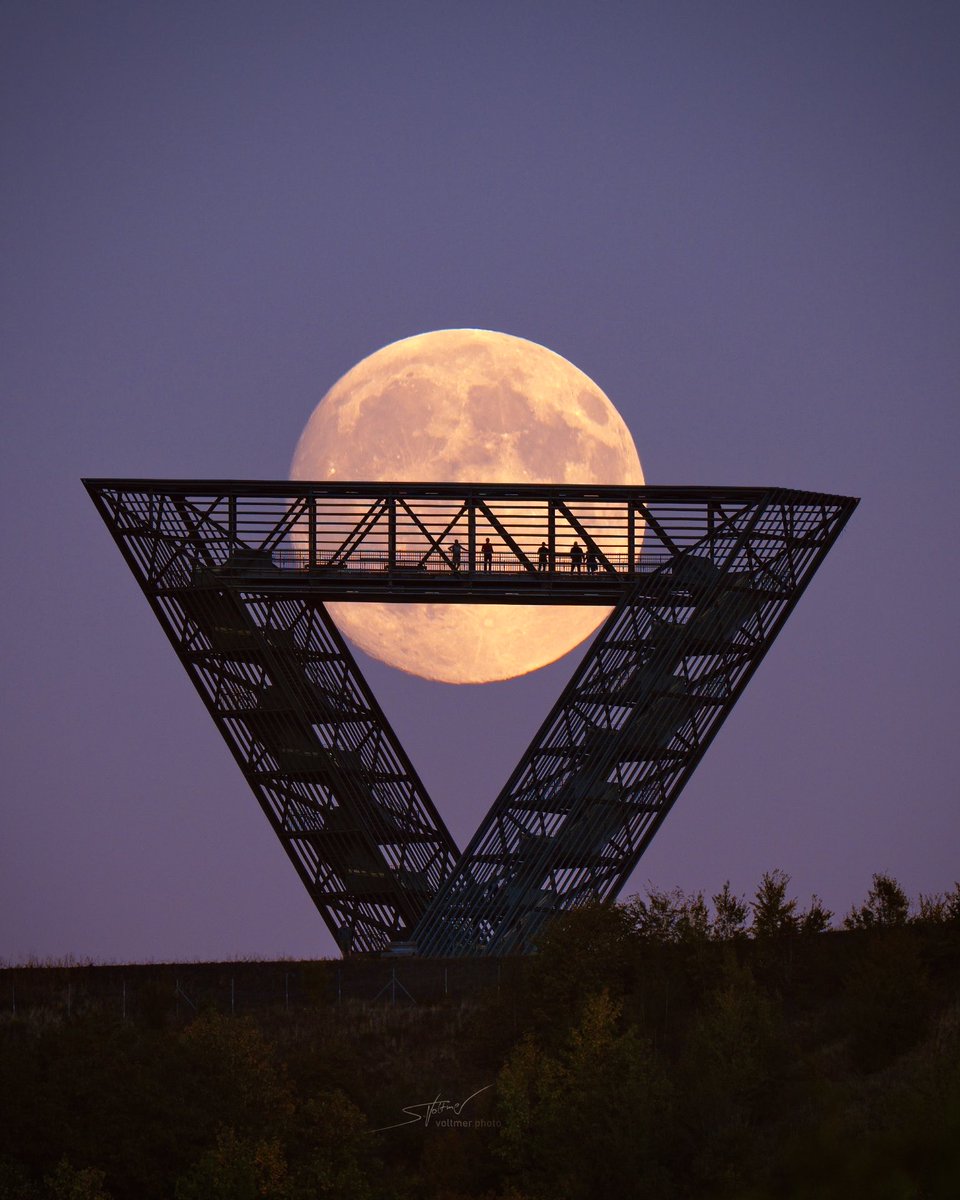
10 Jahre #Saarpolygon!
Heute, am 26. September 2026, fällt das Jubiläum tatsächlich auf einen #Vollmond, den sogenannten Erntemond.
Schon zum Auftakt der Feierlichkeiten zeigte sich der Fast-Vollmond hinter dem Polygon.
📷 @SeVoSpace
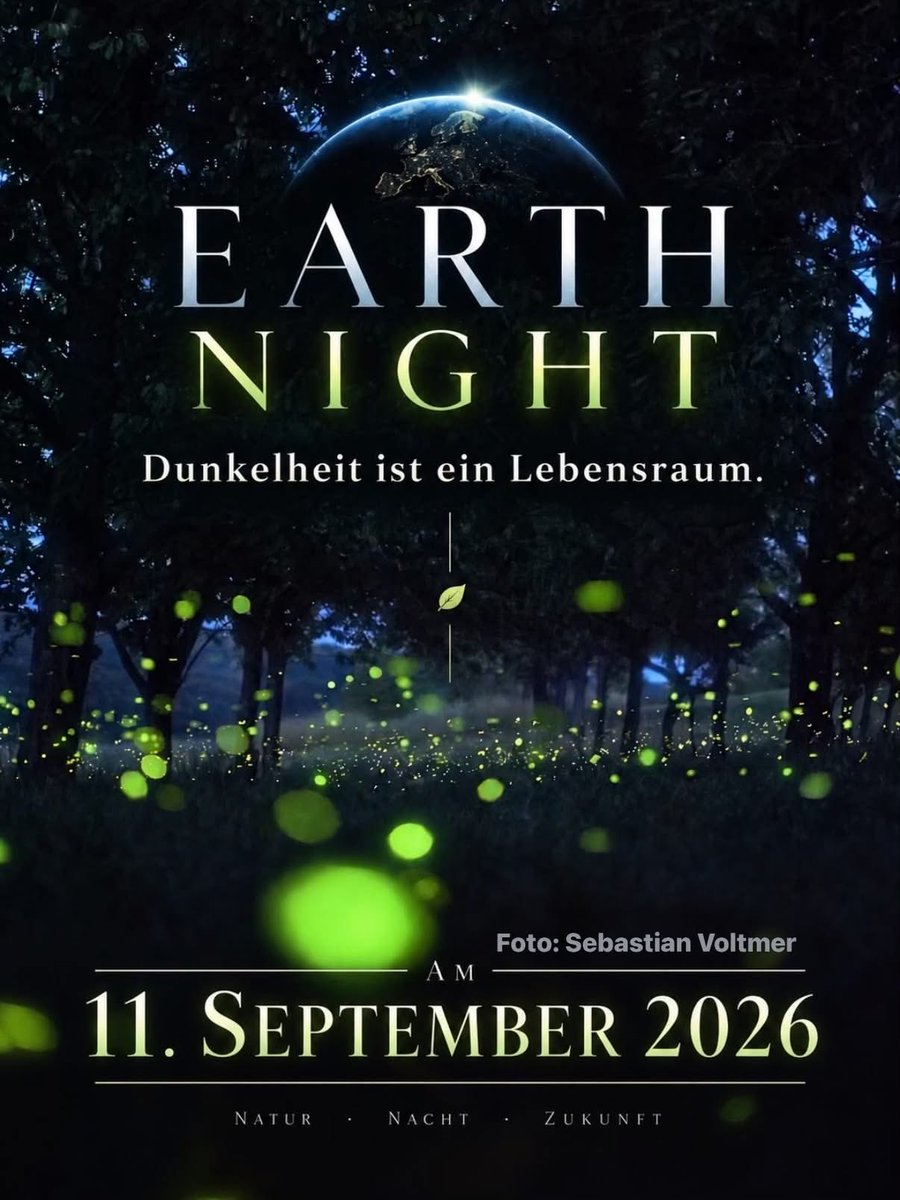
On September 11, 2026, the lights go out and the stars take over. ✨🌌
Earth Night is coming.
Are you ready to embrace the dark?
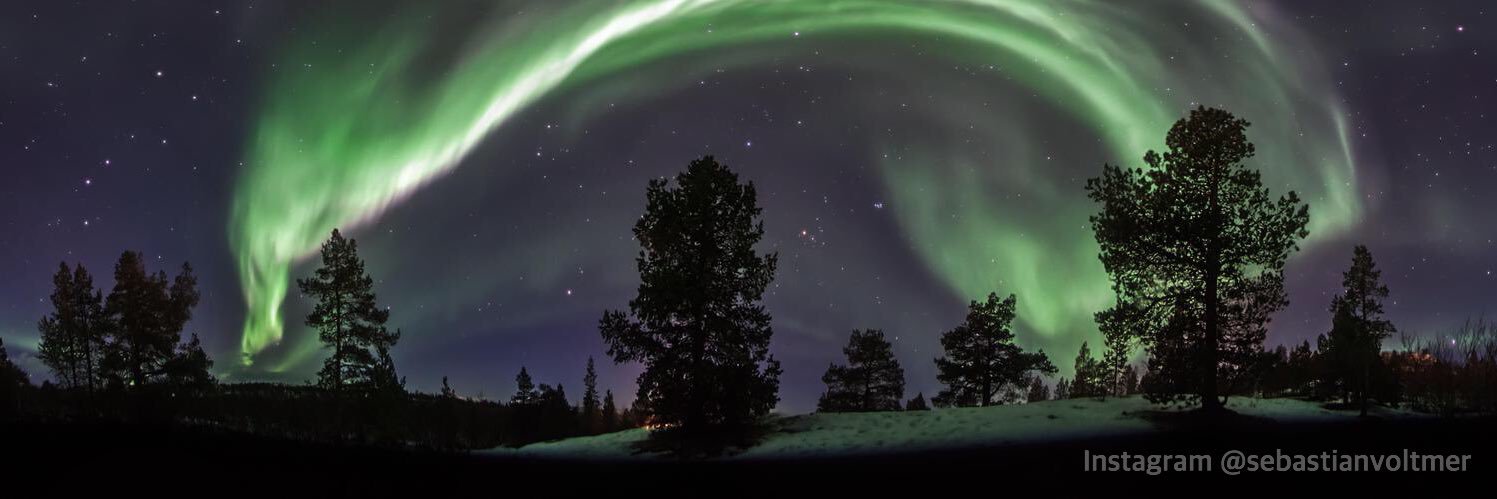
Background 📷: @SeVoSpace#earthnight
Eine fast totale Mondfinsternis findet am 27./28. August statt. Sie ereignet sich in den frühen Morgenstunden:
• 03:23 Uhr: Halbschatten beginnt
• 04:33 Uhr: sichtbare partielle Phase beginnt
• 06:12 Uhr: Maximum – etwa 93 % Bedeckung
Foto: @SeVoSpace#mondfinsternis
A near-total lunar eclipse will take place on August 27-28, 2026!
With the solar eclipse on 12 August and the near-total partial lunar eclipse on 27–28 August, the two events make August 2026 an exceptional month for astronomy.
Photo: @SeVoSpace#fullmoon#lunareclipse