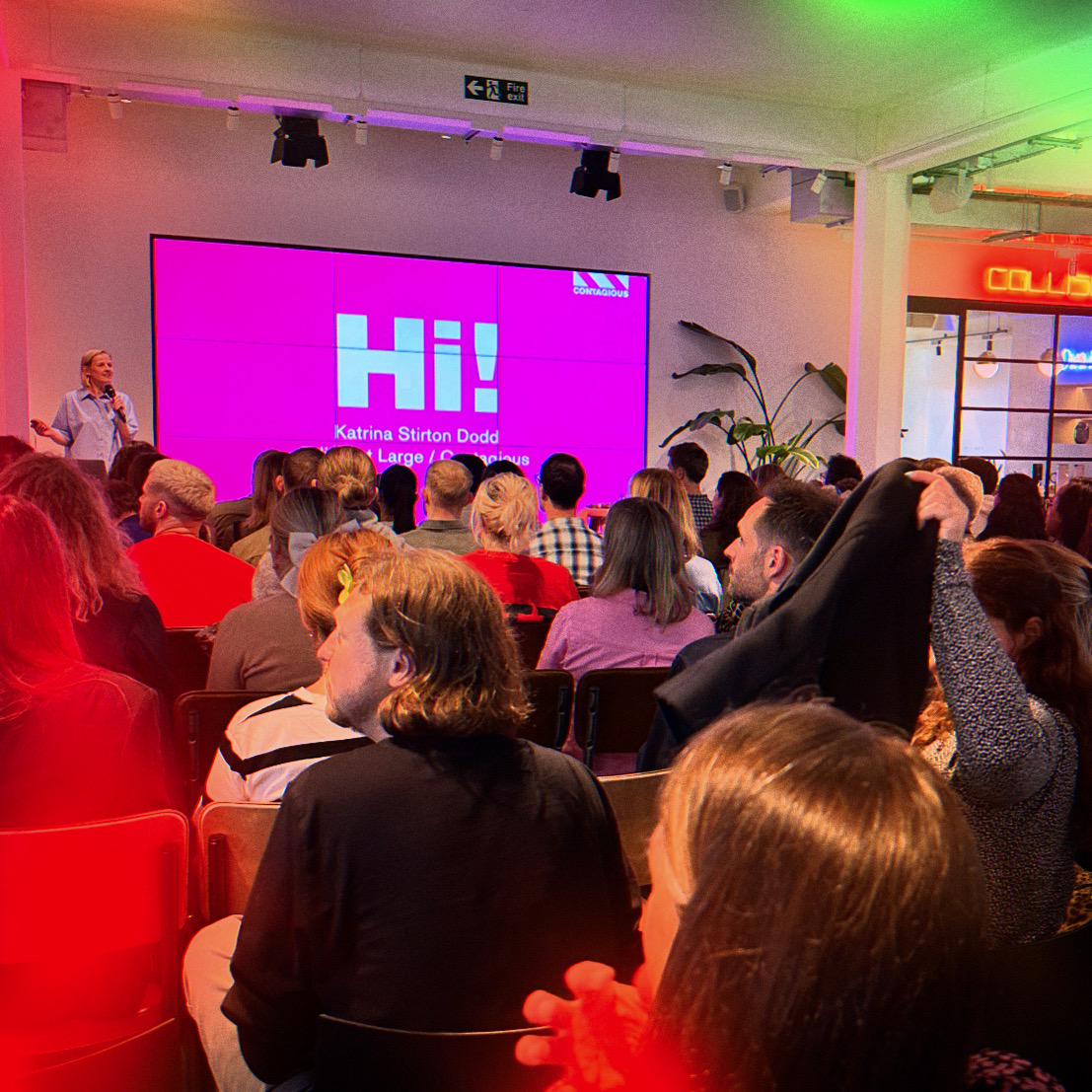
Really enjoyed giving my last lecture of the semester to the dynamic students on the ‘Futurism for Marketers’ module @uniofbrighton re: how futurists help organisations anticipate change/cope with disruption/illuminate opportunity... #BrightonUniversity#BusinessSchool#Futurism
The latest issue of Compass – the official magazine of the #APF / @profuturists is out now!
I’m really pleased that my piece about ‘Challenging Leaders with Foresight’ is featured alongside great company...
Read the magazine c/o this link: https://t.co/ma8PtI5FRh
So…enjoy!
‘Challenging the binaries of dystopia vs utopia & society vs technology’.
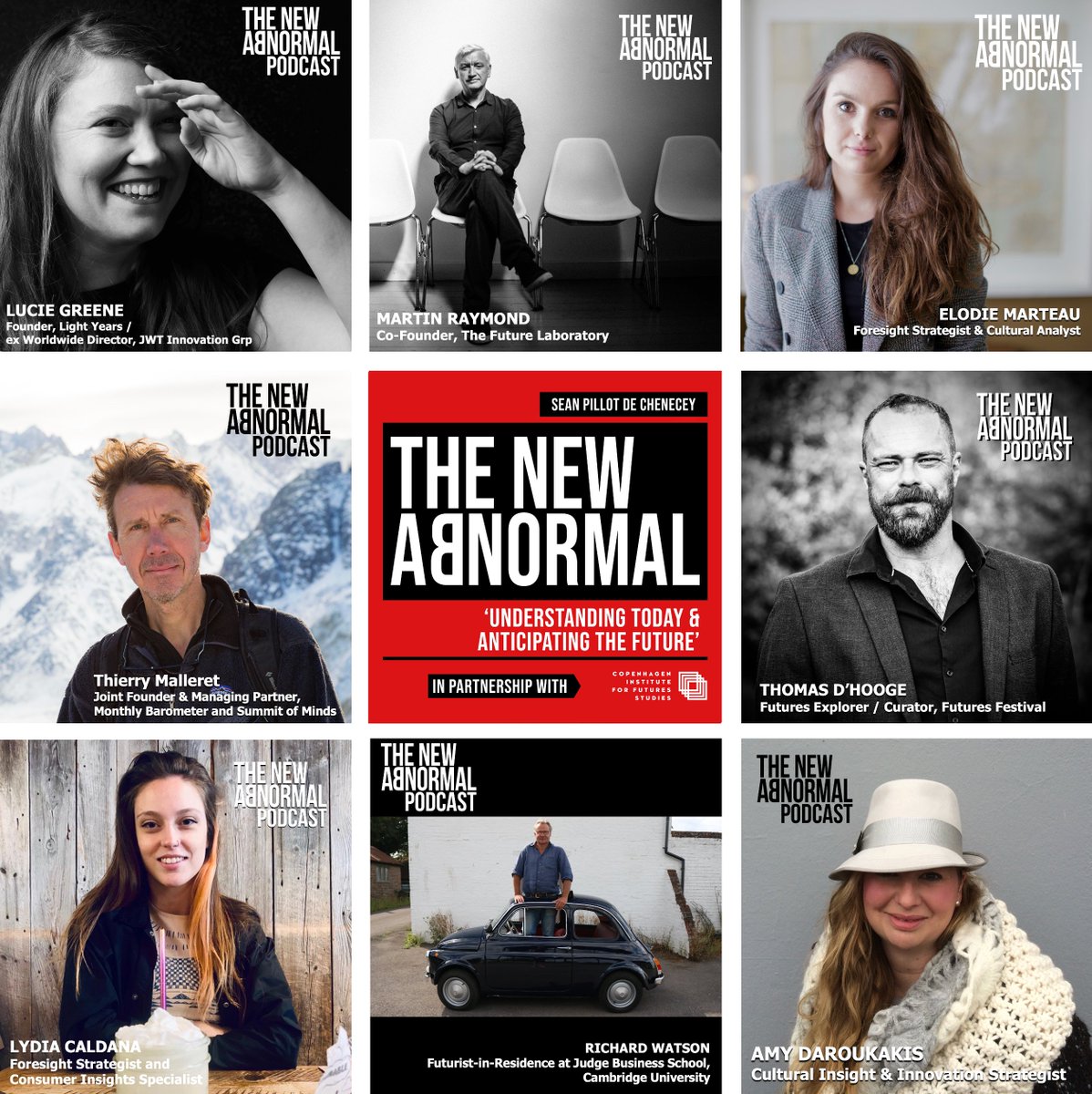
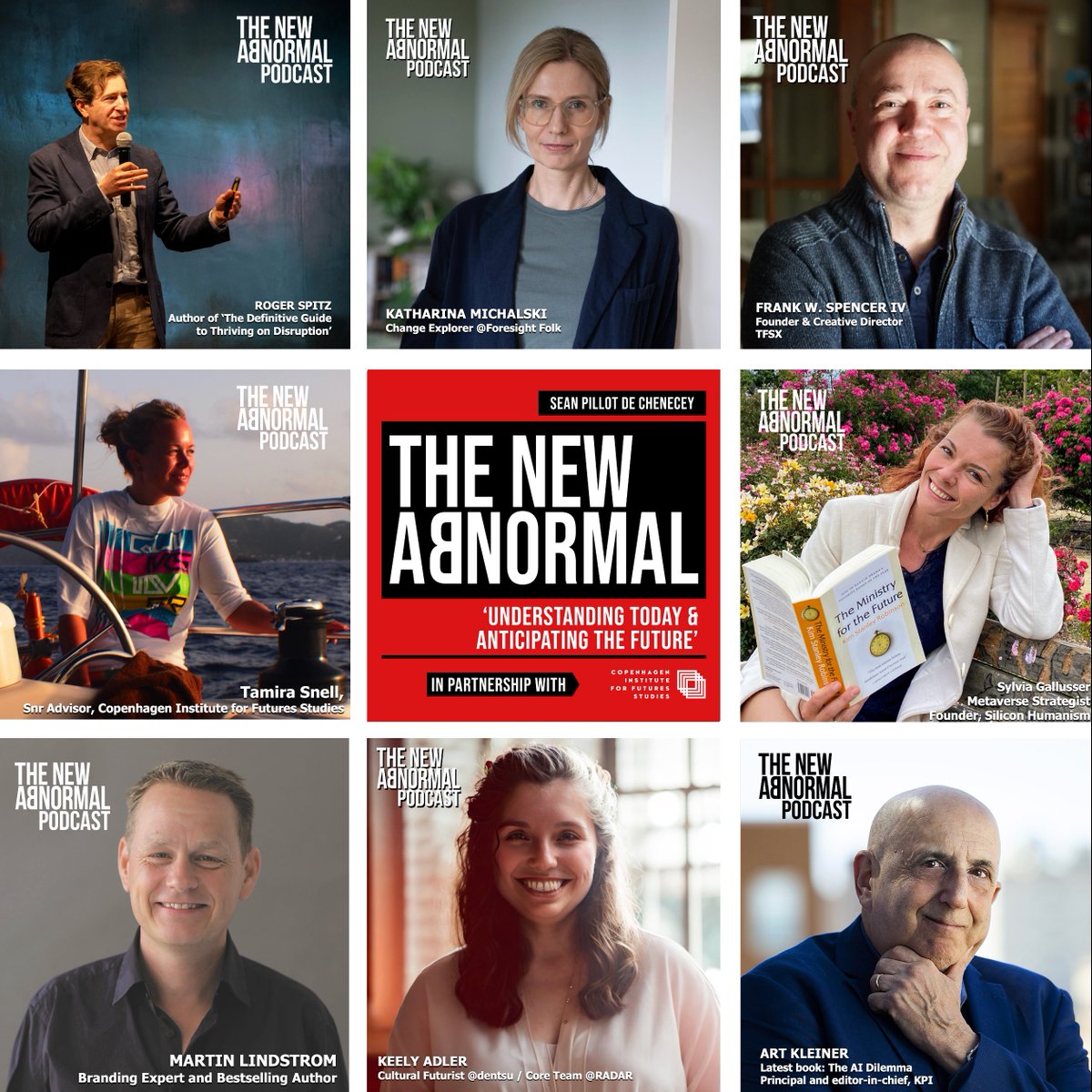
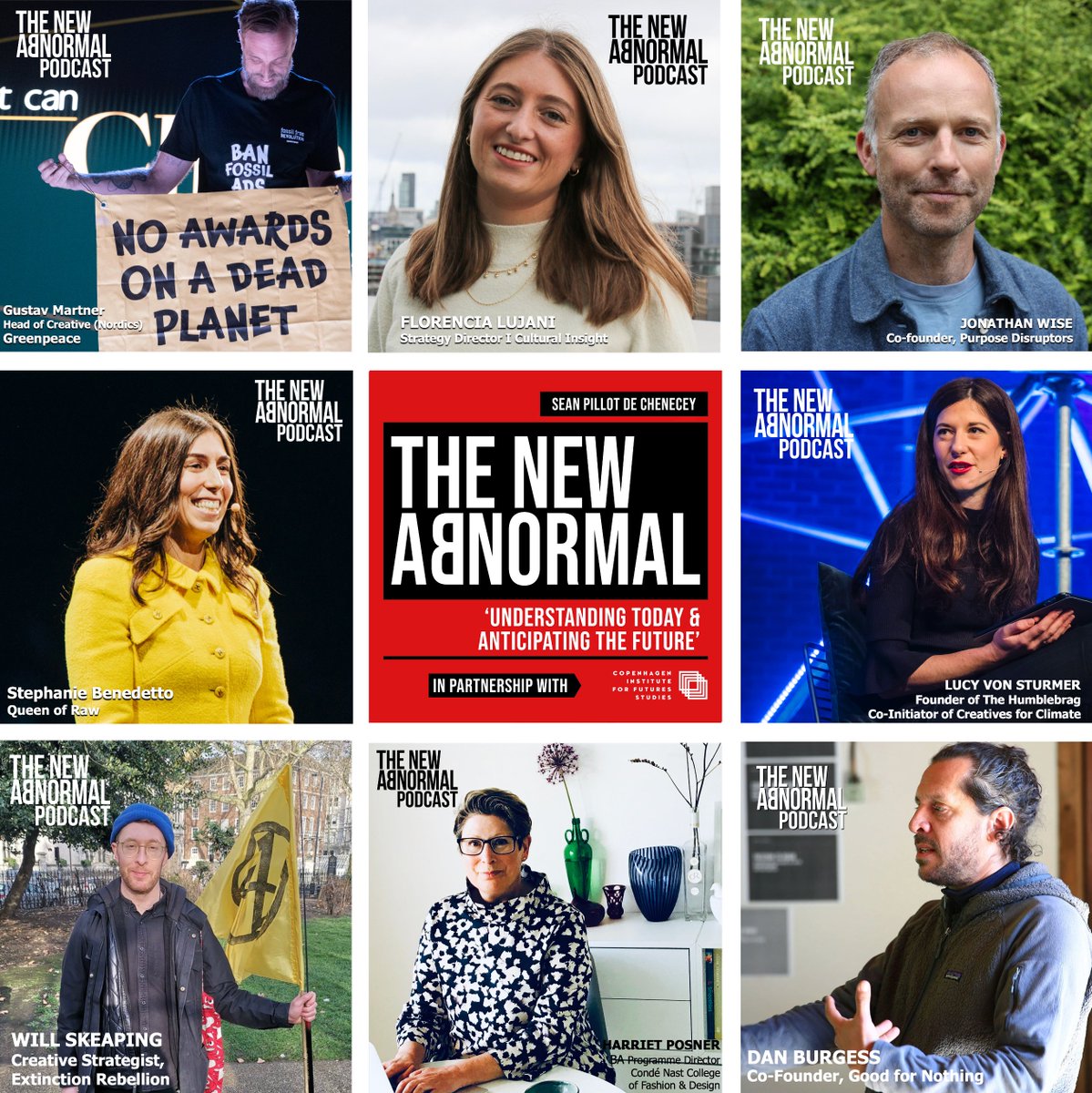
This episode of #TheNewAbnormal features the futurist & speculative designer @monikabielskyte.
The series is made in partnership with @cphfutures.
Link: https://t.co/MKKeMUxewz #ProtopiaFutures#CIFS
Predictions for the world in 2024 c/o the Financial Times
Including who will win the US election to whether Musk’s X is heading for bankruptcy and the future of the Parthenon marbles...
Spoiler alert - Trump loses.
(I like their viewpoint).
https://t.co/iIPv7DgYii
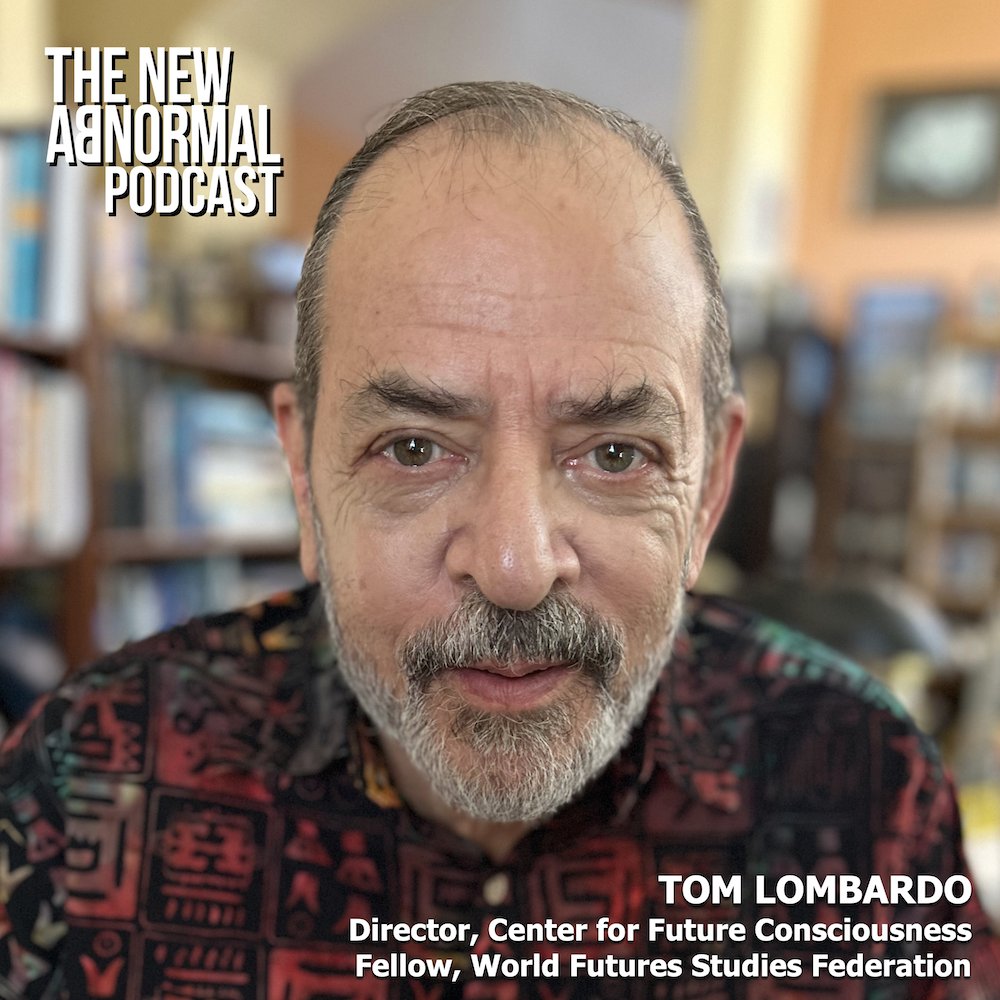
A review of the most ‘inspiring/informative’ futures books…
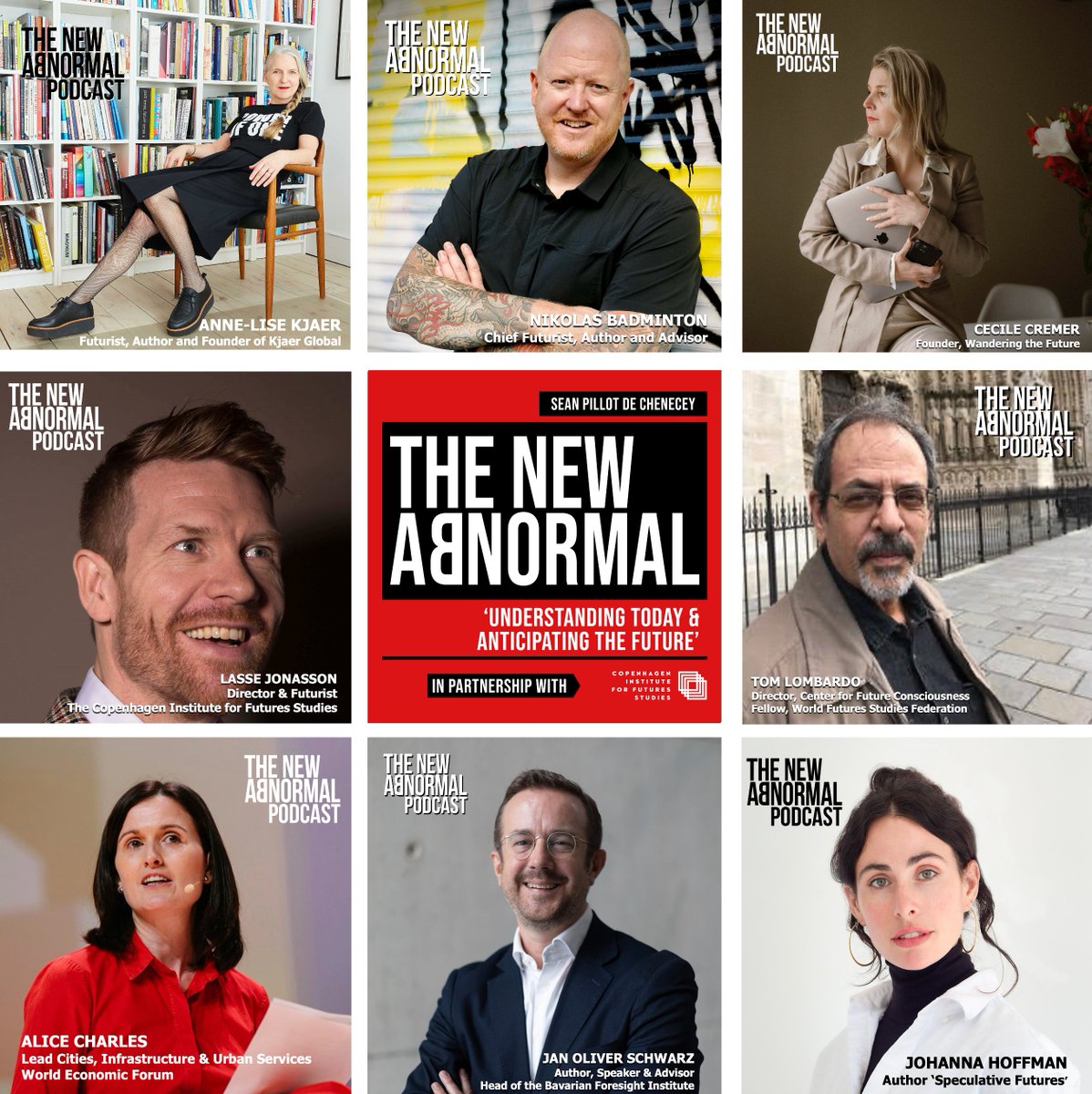
This episode of #TheNewAbnormal podcast (in partnership with @cphfutures) features the renowned futurist Tom Lombardo, who discusses the top futures titles. https://t.co/MKKeMUxewz
#ScenarioPlanning#FuturesReady
When I started at Newsnight, the interview was like a PhD viva, if your PhD was about every random aspect of business and economics. They asked me to bring 10x original story ideas and ruthlessly ripped every one of them to shreds - and then said: give us another one. I had a permanent job as an editorial manager at Reed Elsevier and they offered me a 3 month contract on less money. I took it because I knew I was joining the most accomplished team of broadcast journalists in Britain, and possibly the world. I am talking levels of excellence associated with the Berlin Phil in music, or certain Oxbridge/Imperial teams in science.
But the war on Newsnight's kind of journalism was already under way. And so was the technological change that ultimately allowed the disaggregation of what we were geared up to do.
The big divide at the BBC was between "programmes" tailored to a specific audience, making their own editorial calls and competing on stories, versus "newsgathering", which had been designed as a sausage machine of information into the programmes. Once they decided to empower Newsgathering and disempower Programmes, which was logical in a resource strained environment, the happy upside for the top management was that they could control the news agenda, and there were fewer alternative power centres to push back. This was never a left/right split: it was a "rocking the boat versus not rocking it" split.
It wasn't just NN that suffered - so did Today, so did the Ten. But NN survived because we had strong editors - and then came the Savile fiasco... there was a time, after the subsequent McAlpine disaster, when the bosses wanted to get rid of Newsnight - it survived, but only at the cost of further erosion of its autonomy and money.
I left because I could feel the management tentacles gripping tighter, whatever the team did to go on knocking it out of the park. Only when I joined C4 did I finally get to see what an adequately resourced news operation should look like, and what happens when there is no invisible presence above the editor trying to shape the output, and where they don't complain about having too many reporters.
But NN's demise is partly also to do with audience and technology. Once you don't have an appointment to view, there's no call for the 10-15minute reportage film; and as the rest of broadcasting has become a screaming match between extreme views, actual reason- and fact-based discussions look tame, and it suits politicians to avoid them - see their effective boycott of C4N.
Also, people in the AB social bracket kept telling us: it's on too late. Professionals go to bed earlier, and the news cycle wraps earlier, so the value of a 22:30 programme diminished. Ditto because Gen Z are simply not interested in TV News.
Apart from the demise of a single still excellent but struggling programme, the BBC is basically getting out of long form daily current affairs. There will be no market equivalent of NN because the market won't produce a programme like this - which was copied and emulated by every other major broadcaster.
I suppose the challenge now for BBC/ITN/Sky is to resist the final erosion of OFCOM standards to the point where broadcast news becomes a far right dominated blood sport. I cannot see how moving to a late night discussion programme is going to help, especially as the open secret about far right TV is that they are paying people to turn up and be performatively outraged.
At the very least they should institute a "no grifters" rule.