😍Announcing LWOW - the LLM World of Words data repository for free associations, by @katie_abramski (lead author), Riccardo Improta, @GiulioRossetti and myself (co-last w. Rossetti).
https://t.co/QKCG7Hh6i0
With 3 mil. responses for free associations from Mistral, Llama3 ...
Posiblemente coincidamos en que los usuarios con una ideología política bien definida tienden a compartir noticias compatibles por sus propios sesgos. Pero, ¿este sesgo es real o es solo una percepción? ¿Cómo podemos cuantificarlo?🧵👇🏼
My last PhD project is out 🥹, I'm so grateful to the whole team! Politically labeled X users sharing news during elections: Are there characteristics of these articles linked to their ideology? Is there confirmation bias in users and media outlets? How can we quantify this? ⬇️
In the last weeks, in @SoPhyLabDF@Fisica_UBA@Exactas_UBA have published three new papers addressing different aspects of emergent behavior, media consumption and political polarization:
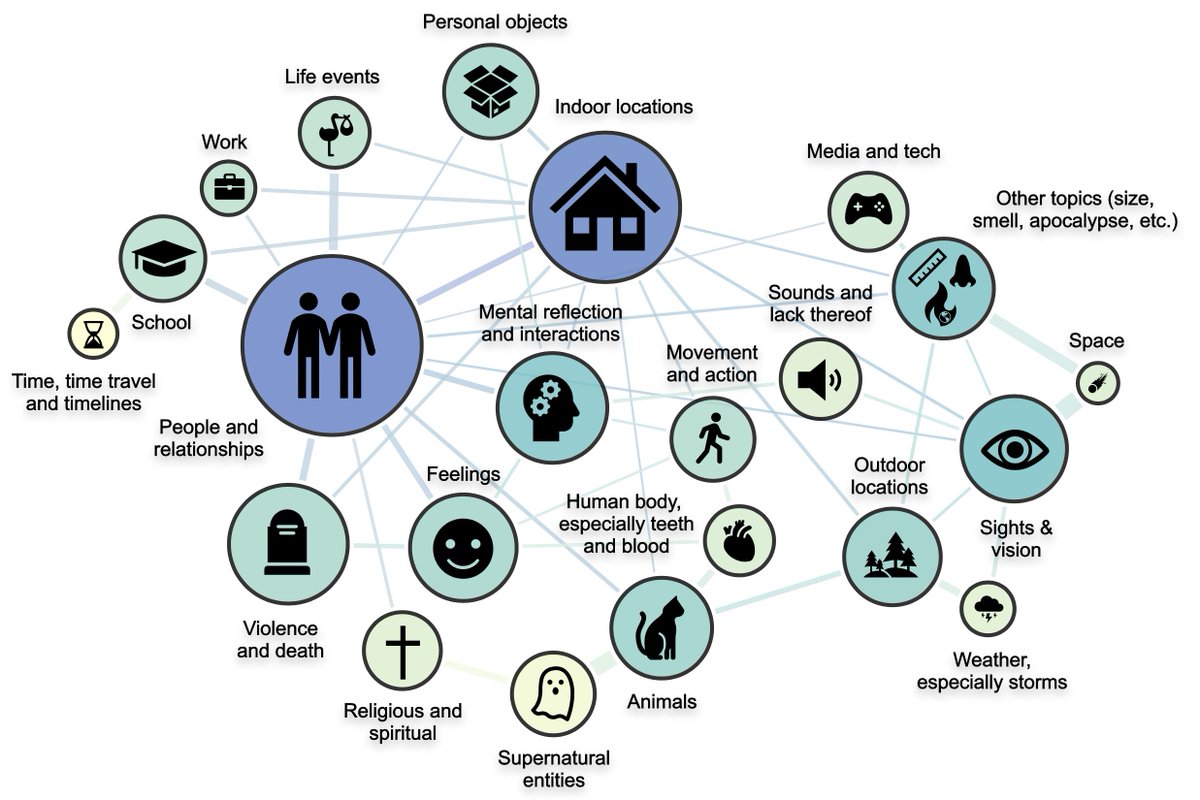
A taxonomy of 217 dream topics and their shifts during COVID19 and the war in Ukraine. A large-scale NLP study on 44k dream reports from Reddit r/dreams. New preprint from our dreams research series https://t.co/TPmIu1Sf5v, soon at #IC2S2! #dreams#NLP#UkraineWar#covid19
Our motivation with this paper is to show how a simple mathematical model can help to understand the mechanisms behind the emergence of collective social phenomena and provide metrics that can be directly measured from data.
¿qué hacemos desde la intersección entre las ciencias sociales y las naturales para entender la proliferación de los discursos de odio y la propagación de fake news en redes sociales? Intentos de respuestas en esta charla en @Exactas_UBA
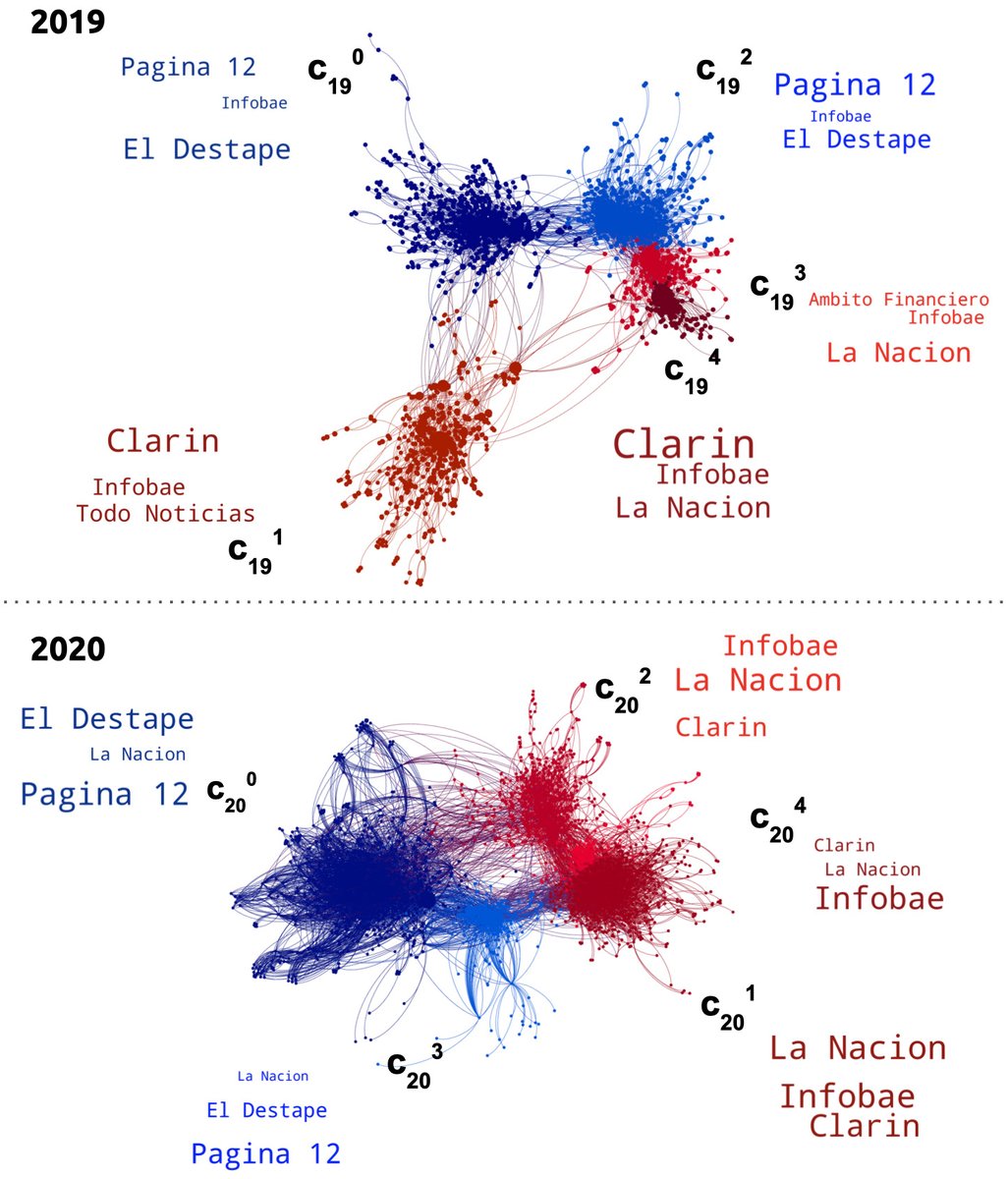
Investigadores de @Exactas_UBA analizaron el comportamiento de usuarios de Twitter -“políticamente activos” y “políticamente inactivos”-en relación con el consumo de medios. El objetivo: tratar de medir, de ponerle números, al proceso de polarización de la opinión pública. 🧵