Scholar @scriptsberlin | PhD in IR @UniJena | Former curator & alumnus @tema_think | Pol Econ, Hist Soc, IR, Dev, RU, post-socialist countries & beyond
To me the most importing thing about today is that they knew what this would do to the market, and did it anyway.
If nothing else, that ought to tell you what time it is.
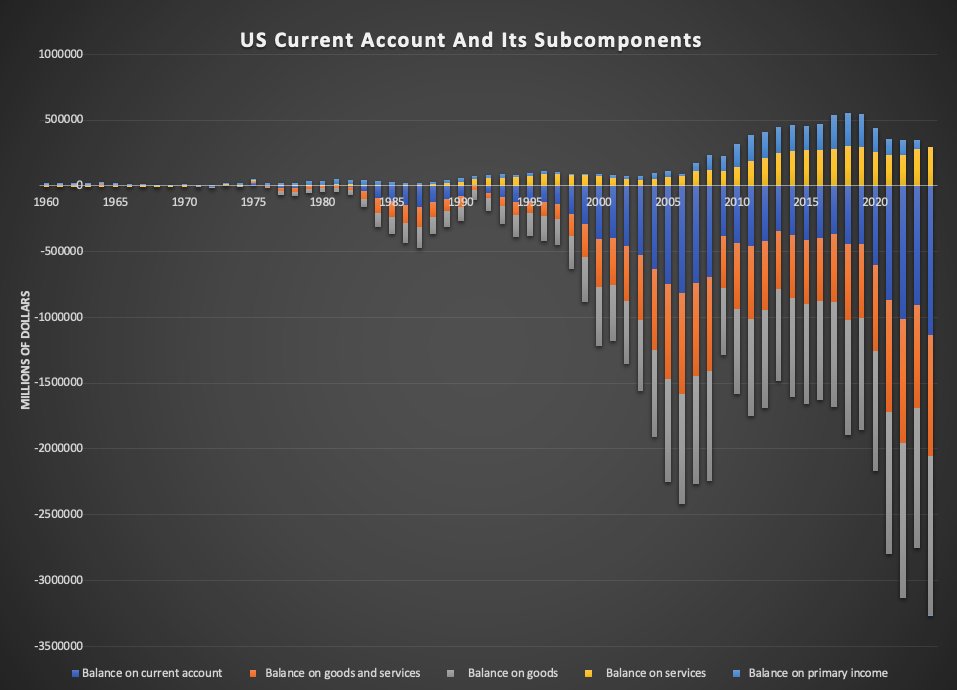
The US deficit is the statistical outcome of US supremacy in the global financial and value-added hierarchy. Given all the Neanderthal maths out of DC, here's a simple story, one I'll be reminding the undergrads tomorrow: it took an almost two-year long recession (2008-2010), with more than fourteen million unemployed workers in the US, to see a temporary reduction in the US trade deficit. See my diagram below, (The trade deficit is the predominant driver of the current account deficit.)
The US is shifting back to the foreign policy it has followed from 1797 to 1941. No permanent alliance, no firm commitment, unilateral defense of national interests.
Dass einem die eigene Gegenwart fremd wird, wie ein Geschehen, dessen Sinn sich erst auf der nächsten Seite erschließt: Diesen Effekt vermag – trotz aller Errungenschaften sozialwissenschaftlicher Verfremdungskunst – eigentlich nur die Geschichtswissenschaft zu erzeugen.
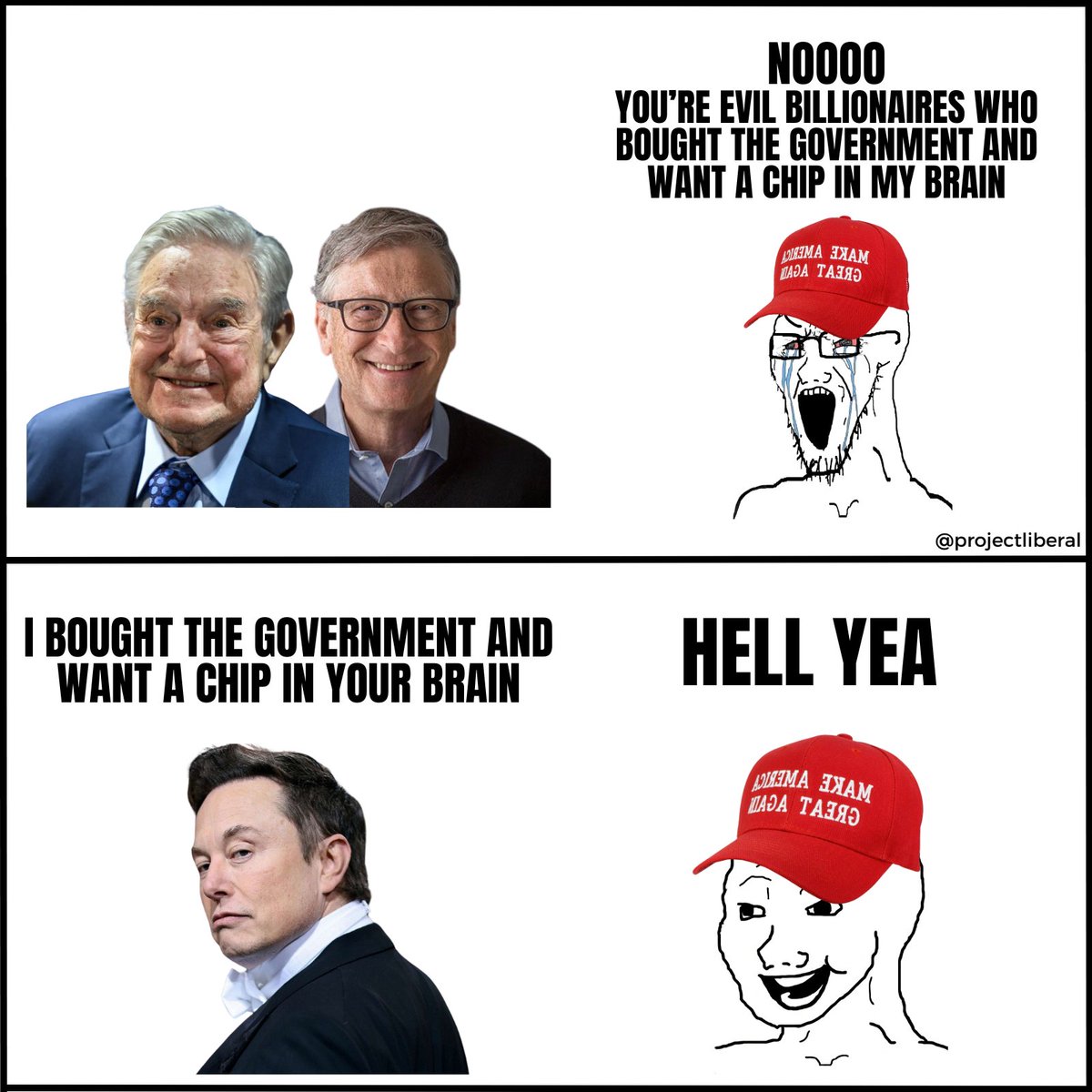
In any other country, a billionaire donor like Musk installing loyalists to seize federal agencies, access private citizen data and information about his competitors, and gut working class policies to fund his own tax cut would be called a coup.
1/ Why does the U.S. seem to be caught off guard so often by what China or Chinese companies accomplish? Here’s an off-the-top-of-my head thread unpacking some reasons—structural, cultural, and epistemological—for this recurring phenomenon.
1/10
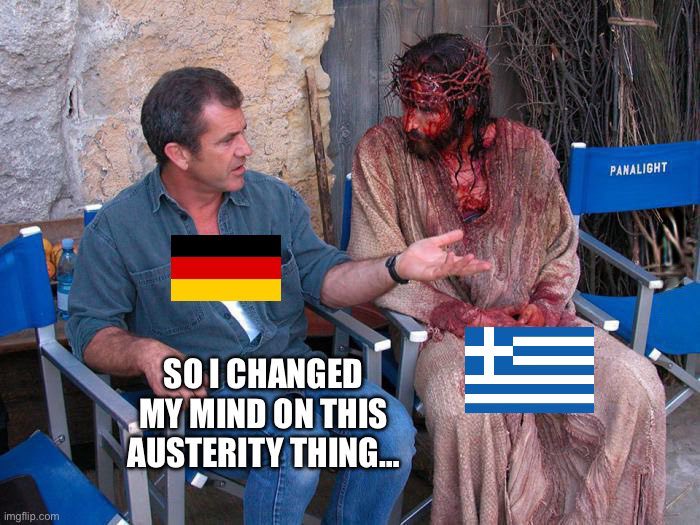
WSJ: "In the early 2000s, politicians revitalized the export model by cutting taxes and loosening wage policies, amid other reforms, which made German companies more competitive on manufacturing costs."
https://t.co/VBNL3NMb05
»Früher war Kasachstan eine diversifizierte Wirtschaft mit bedeutender Industrie und Landwirtschaft. Doch die neoliberale ›Modernisierung‹ zerstörte diese Grundlagen«, sagt Kuat Akischanow im Interview mit Arman Spéth.
https://t.co/U8Cc0PsXBH
“we might want to look at the national debt from a different perspective. In particular, it seems more accurate to view the national debt less as a form of debt and more as a form of money in circulation.”
https://t.co/AQwZ3xciGd #econtwitter
It looks as if the point of the 5% demand is for it to be unachievable - the intention seems to be that states will fail. It's a coercive tactic (pay up or your country gets it) that also signals that NATO is no longer a meaningful alliance.
Übersehe ich da irgendwas, oder holt sich in diesem Wahlkampf keine einzige Partei auch nur annähernd ein Mandat für eine Politik, die wirklich in der Lage wäre die Probleme dieses Landes zu lösen?
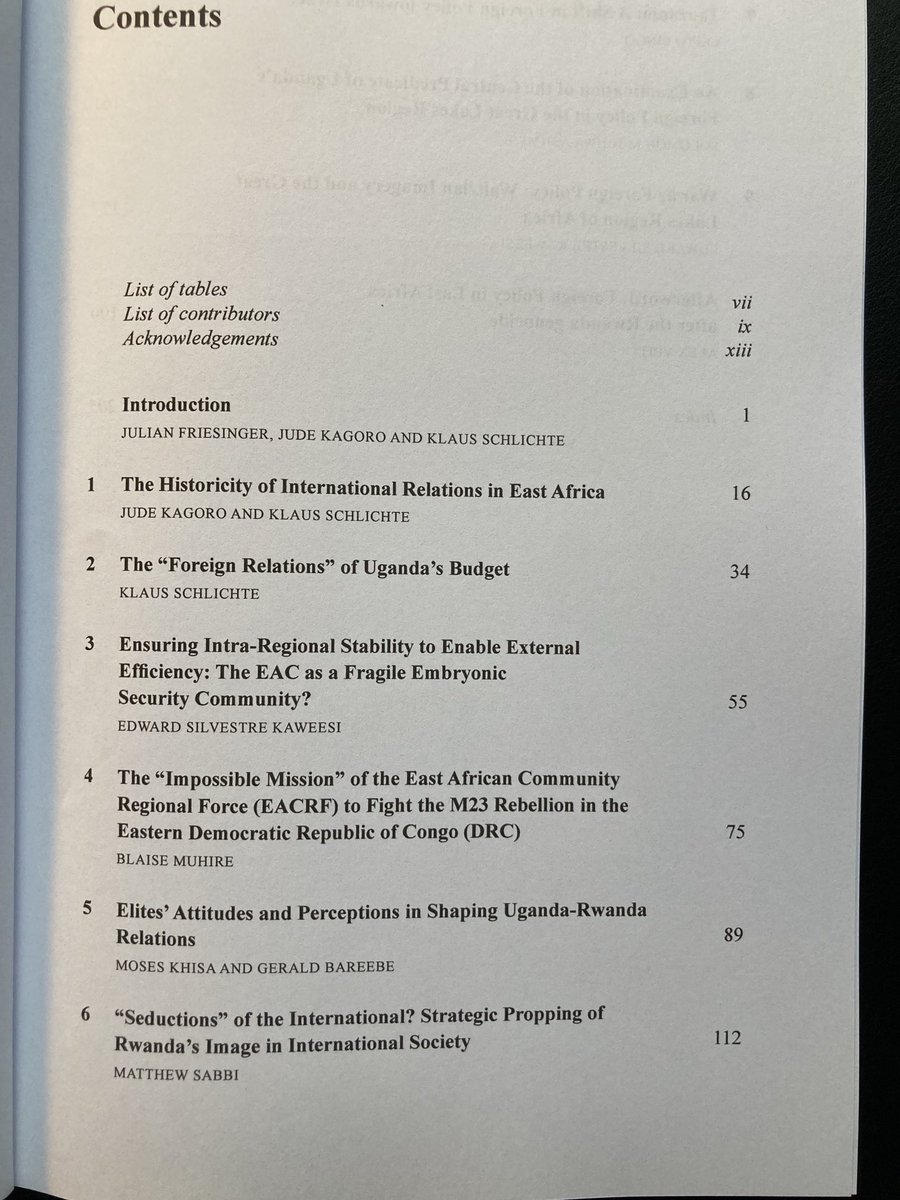
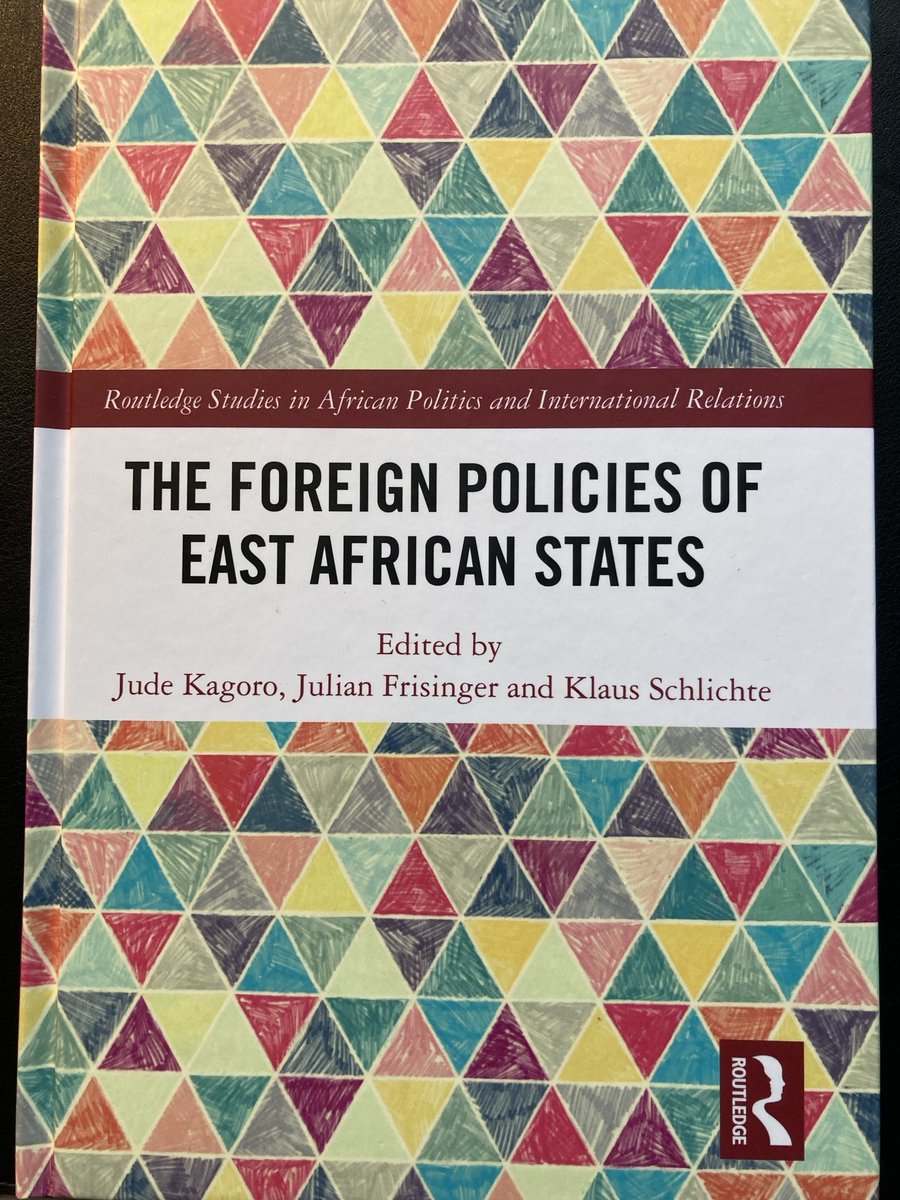
Believe it or not: the first book on foreign policies of East African states. Also, mostly written by scholars from the region. Thank you, Jude, and also, Julian, for this wonderful cooperation!