New open-access paper out in Social Media + Society: "Incentivised Engagement: How Party Characteristics and Individual Factors Shape Politicians' TikTok Use" with Merle Huber & Tomas Ruiz. #TikTok#PoliticalCommunication#CSS
👉https://t.co/6rRqxhrIoP Thread 🧵
Adoption counts overstate real engagement. A small core of very active MPs (disproportionately from niche and fringe parties) drives most parliamentary TikTok output. TikTok may lower entry barriers, but its algorithmic logic may also amplify polarisation.
I am pleased to share that my article "Legislative Oversight and Control of Independent Portfolios" has now been published in print in Government and Opposition @govandopp and is freely accessible:
🔗 https://t.co/pnZnFt0np8
#legislative#accountability#PoliticalScience
These dynamics matter not only for understanding local governance in Germany, but also for broader debates about the role of technocrats in democratic systems and how accountability mechanisms adapt to non-partisan actors.
Computational colleagues (I like that phrase!), please help me out. 🚨
I want to collect data from Android apps. In particular, I want to extract data from the TikTokShop (not available in every country).
Any tips or literature recommendations would be great :)
New on #FirstView -
"Legislative Oversight and Control of Independent Portfolios: Government and Opposition Dynamics" - https://t.co/7bUPHJ9GKx
@SebastianJBlock
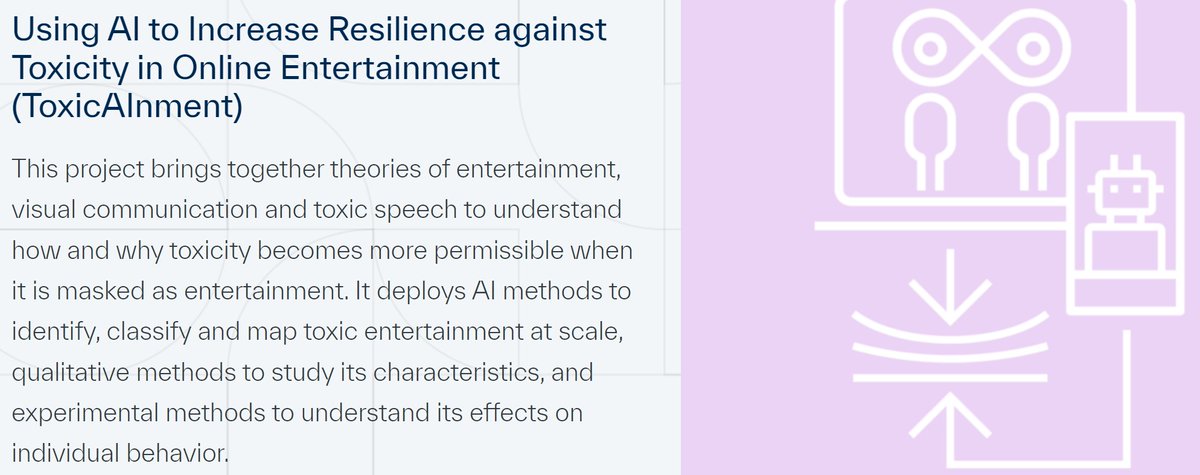
We are looking for a student to assist our team in using AI to detect toxic content on social media.
If you are familiar with Python, study in the Munich area, and would like to contribute to applied research on a timely topic, please get in contact!
https://t.co/BzK0RSMSH7