Cognitive neuroscientist. Working to reduce failures that lead to error and loss of life in medicine and other domains. Views are mine. He/him/they/them
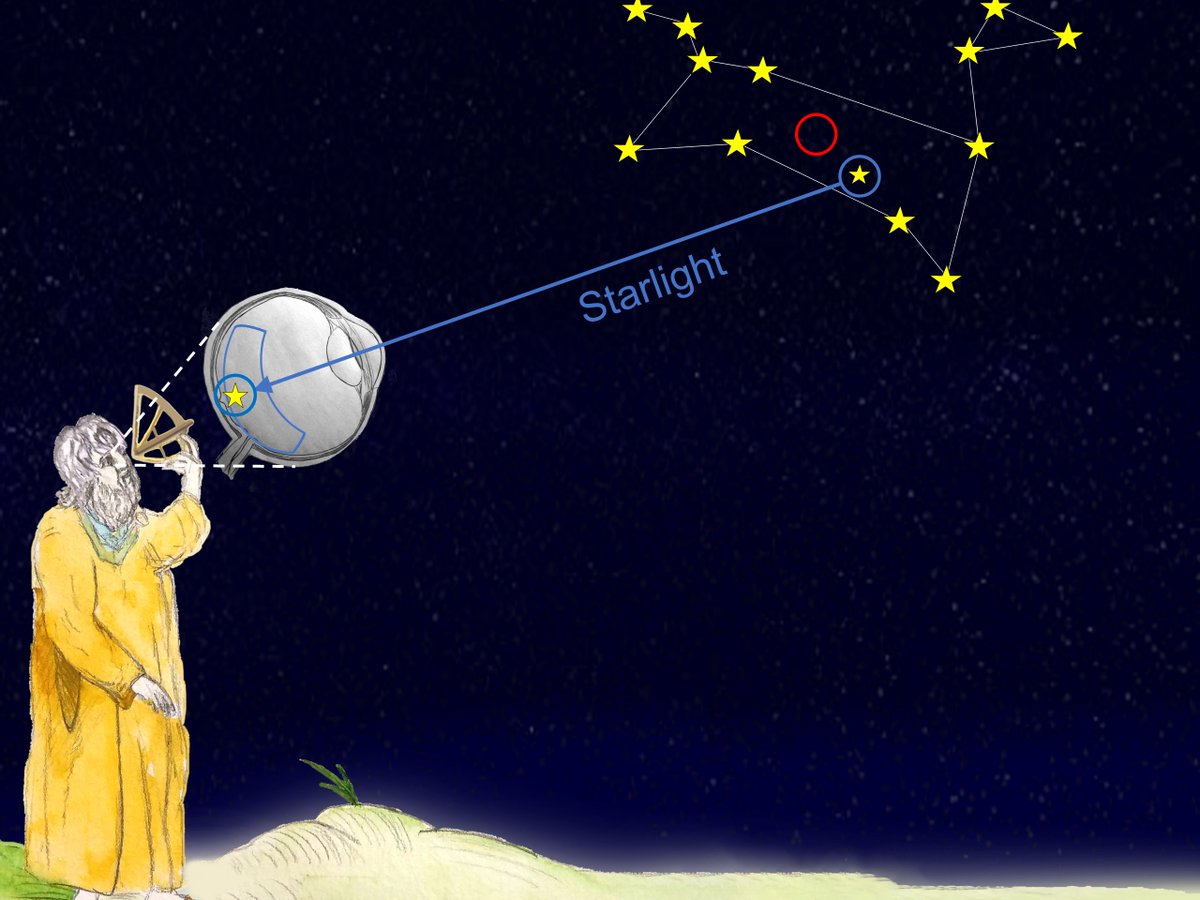
Peripheral vision is more sensitive for night vision than the center of your vision. So, when Aristotle carefully observed the stars over 2000 years ago… (1/12) #stars#astronomy
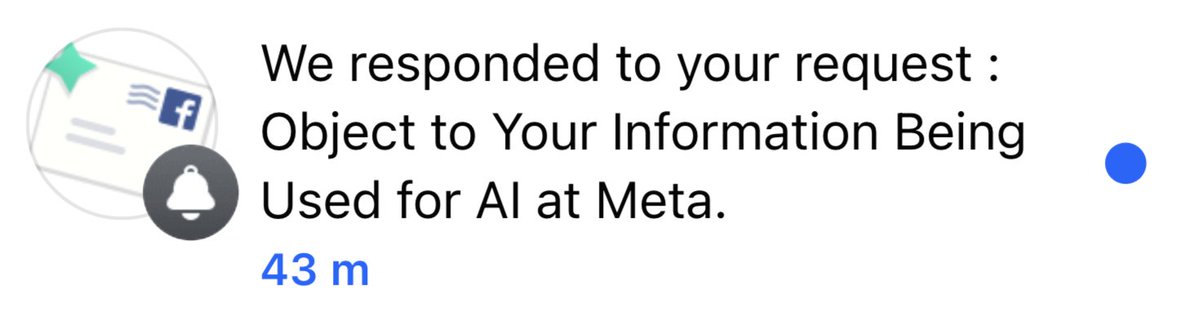
1. I'm legit shocked by the design of @Meta's new notification informing us they want to use the content we post to train their AI models. It's intentionally designed to be highly awkward in order to minimise the number of users who will object to it. Let me break it down.
New guideline for #eyetracking research with human or primate participants! Developed over 3 years by a large number of experts across the globe to ensure consistent reporting. #psynomBRM https://t.co/Lotv2k5VFN Post by Manitzas Hill
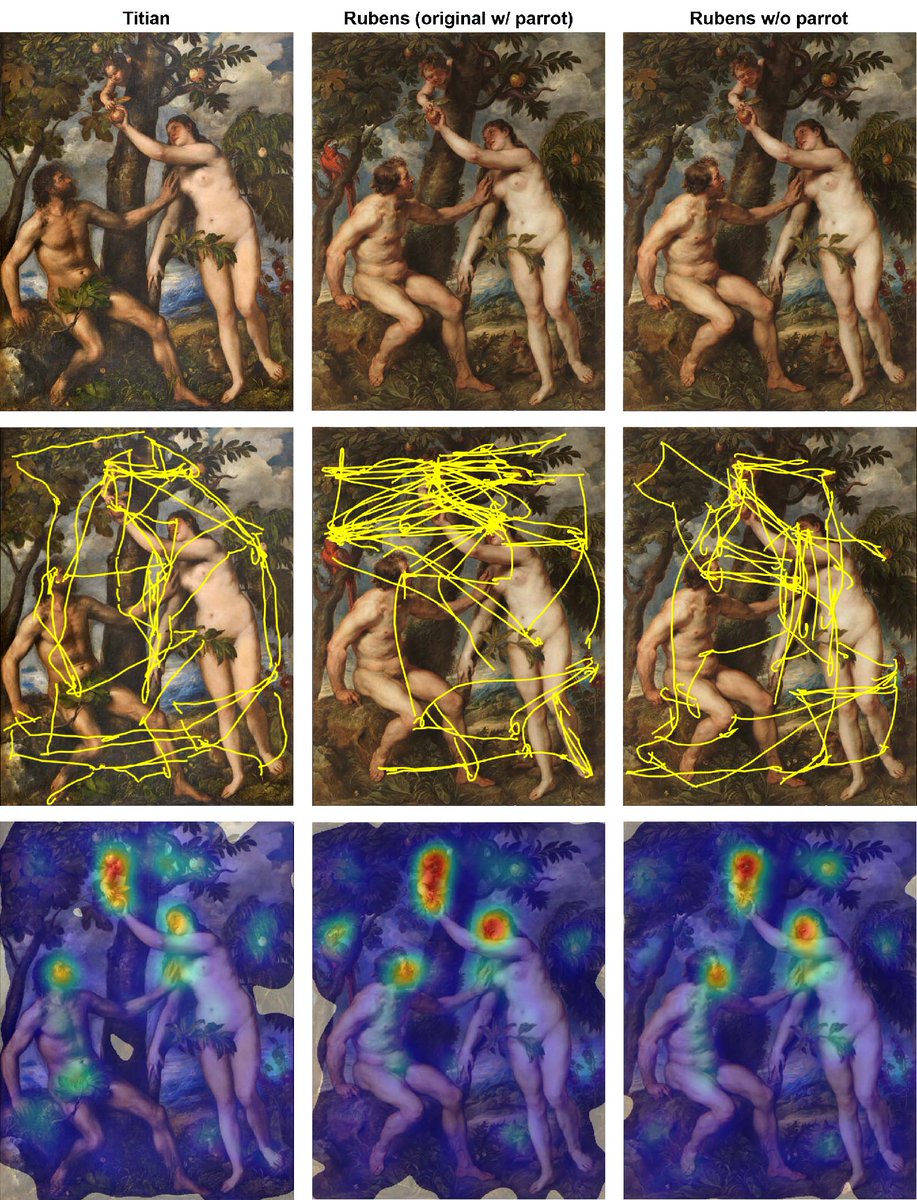
Tracking eye movement to quantify viewers’ attention…
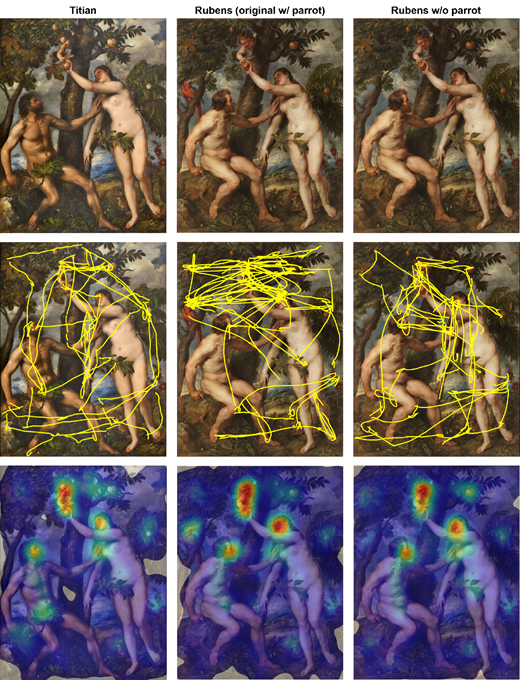
Researchers used 3 versions of "The Fall of Man": this was modified in 1628 to include an inexistent parrot, which changed the painting's focus to Eve! @SeeingProgress@nyit@sunydownstate@ARVOJOV: https://t.co/61ClxgaGwo
@ThePhDPlace This work has already been done. In fact, more than half of the papers in our field have done this. However, I can't provide an example right now, because this review is already late.
Our new article in @ARVOJOV came out today! ~400 years ago, Rubens copied one of Titian's paintings, but made some changes. We ask what effect those changes have on the eye movement behaviors of people viewing the artwork. https://t.co/63KtKViVzF
Our new article in @ARVOJOV came out today! ~400 years ago, Rubens copied one of Titian's paintings, but made some changes. We ask what effect those changes have on the eye movement behaviors of people viewing the artwork. https://t.co/63KtKViVzF
New article in the Art and Vision Science Issue https://t.co/j4getmFmXQ by Robert Alexander @SeeingProgress et al. @nyit@sunydownstate considers why Rubens added a parrot to Titian's The Fall of Man.
https://t.co/xacKz9YDcN
For years I’ve been interviewing data annotation workers who are the lifeblood of the AI industry. For years I’ve heard the same story: the platforms they work for wield total power, leaving them precarious & vulnerable to exploitation. A horrible example of this just happened 1/
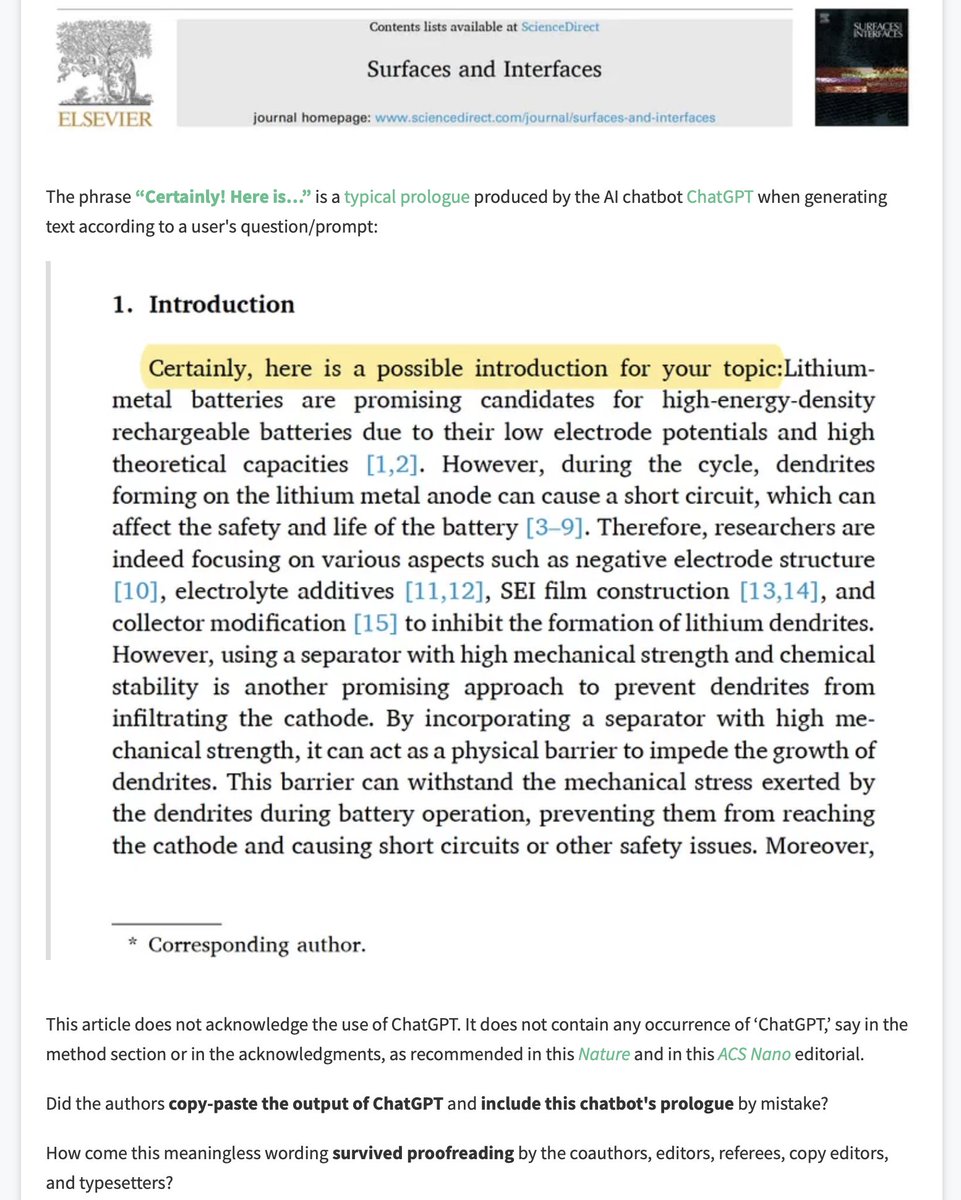
🤖 So #ChatGPT wrote the first sentence of this @ElsevierConnect article. Any other parts of the article too? How come none of the coauthors, Editor-in-Chief, reviewers, typesetters noticed? How can this happen with regular peer-review? https://t.co/C4vX317zYV