On #WorldOceansDay take a minute to think about our oceans...
🌊Oceans act as the largest carbon sink in the 🌍
🌊Oceans host 80% of life on the 🌍
🌊Oceans provide half of the 🌍’s oxygen
How we can all act to #SaveOurOceans 👇
#39canimals Except for laws or regulations, grassroots solutions are also important. This article by EPA shows several easy ways for the general public to help bees.
https://t.co/ONdsTxdr5u
#WhatIlearnedin39C#39canimals I learned to make a good use of and how to choose images, videos as multi-modal elements to strengthen explanations, summaries, and arguments in my essay.
#39canimals "Bees in decline" by Greenpeace, an international environmental organization, reviewed the factors that put bees at risk. link: https://t.co/MZreuCefVQ
#39canimals These are some links of scholarly studies about the bad effect of pesticides on bees.
1. https://t.co/1fycHRsefh
2. https://t.co/RigKlH5pmS
3. https://t.co/38qD1ykSri
4. https://t.co/UYSSsUyPA3
These sources help me to define a problem of pesticide use.
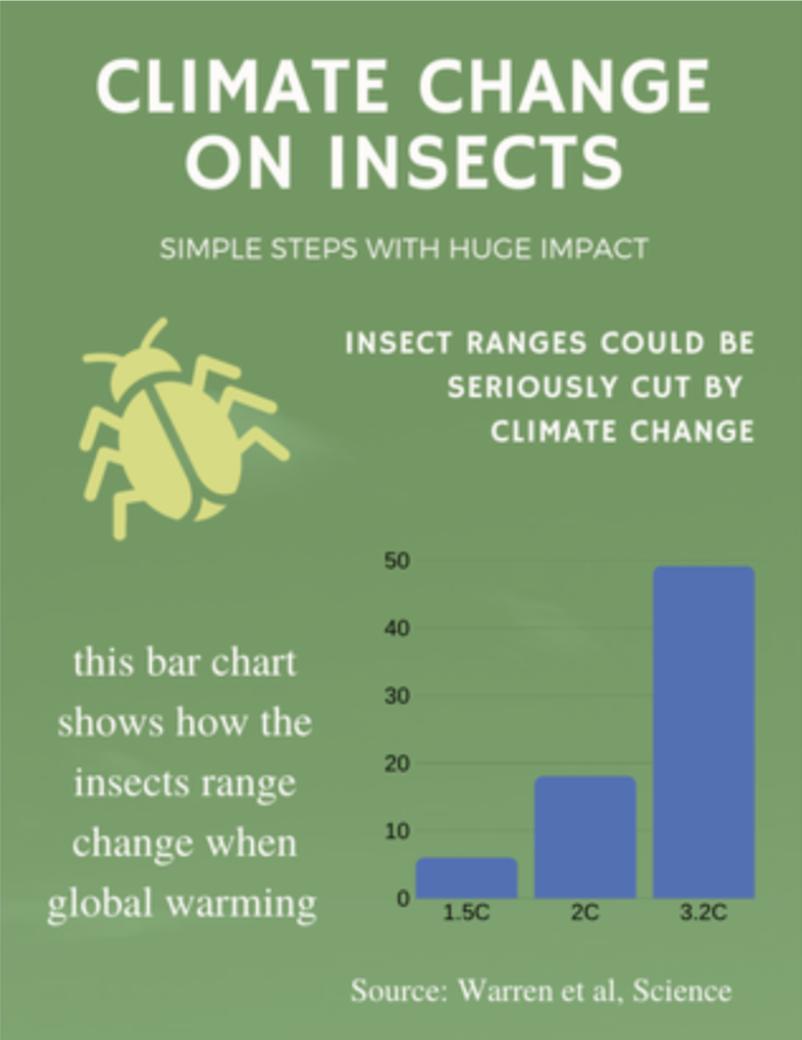
#39canimals Due to research, I found bees faced lots of threats, mainly pesticide use, climate change, loss of habitats, parasites, and so on. I focused on the impact of pesticides on bees as my Advocacy Project problem.
#WhatIlearnedin39C Before this class, I just know the social intelligence of bees. After researching, I realize that an individual bee has its own cognition including memory, discrimination, and numerical cognition. #39canimals
#WhatIlearnedin39C I learned the term "speciesism" coined by Richard Ryder, a philosopher, and psychologist, meaning the prejudice against other species, similar to racism and sexism.
#BeatAirPollution for #WorldBeeDay
Bees🐝🐝 rely on their sense of smell to identify different flowers, making them effective pollinators.
But air pollution can mask scent molecules from plants, which means bees need to forage longer & become less effective pollinators.
With bee numbers declining, this is a massive step in encouraging more pollinators and wildlife into our cities! Would you like to see something similar near you? 🐝 #FightForYourWorld
https://t.co/RWolrEGZHl
📢 Happy #WorldBeeDay! 🐝
Nearly 90% of all wild flowering plants depend on animal pollination.
Invasive insects, pesticides, land-use change and monocropping practices may reduce available nutrients and pose threats to bee colonies.
#SavetheBees#PlantHealth 🌿
Did you know that honey bees do more than produce honey? Researchers have done amazing things training honey bees to locate landmines to ‘sniff out’ trace amounts TNT during normal foraging flights passing over contaminated areas for later search, clearance and safe disposal.
The BBC reported this month that humans are threatening one million species with extinction.
Bees have long been on the frontline of this potential wipe out — something which a French startup is looking to help solve with a revolutionary new beehive.
https://t.co/0pXh20TZkw