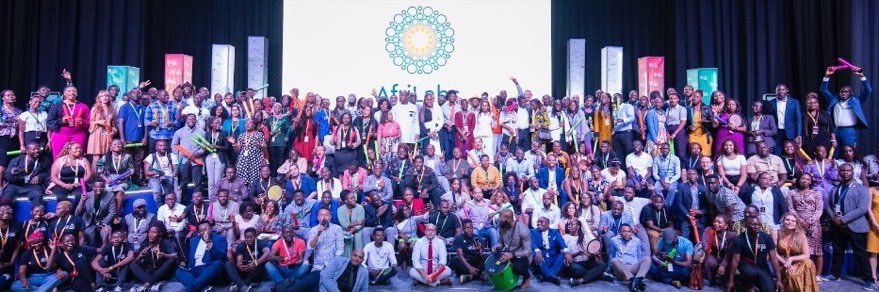
Thank you @GoodCitizenNg for identifying the little pieces my team and I are making towards the #EdTech ecosystem via our efforts @DigiLearnsHQ.
This social impact project is testamentary to the many success of students exploring our solution for their terminal examinations.
Young people are doing great stuff and achieving giant strides in the tech ecosystem.
Providing a solution to a problem sums up Favour Chukwuedo’s @SenseiFavour ambition when he and his business partner founded Digilearns. He shared how the idea was born from the very peak
1/
We are investigating unauthorized access to GitHub’s internal repositories. While we currently have no evidence of impact to customer information stored outside of GitHub’s internal repositories (such as our customers’ enterprises, organizations, and repositories), we are closely monitoring our infrastructure for follow-on activity.
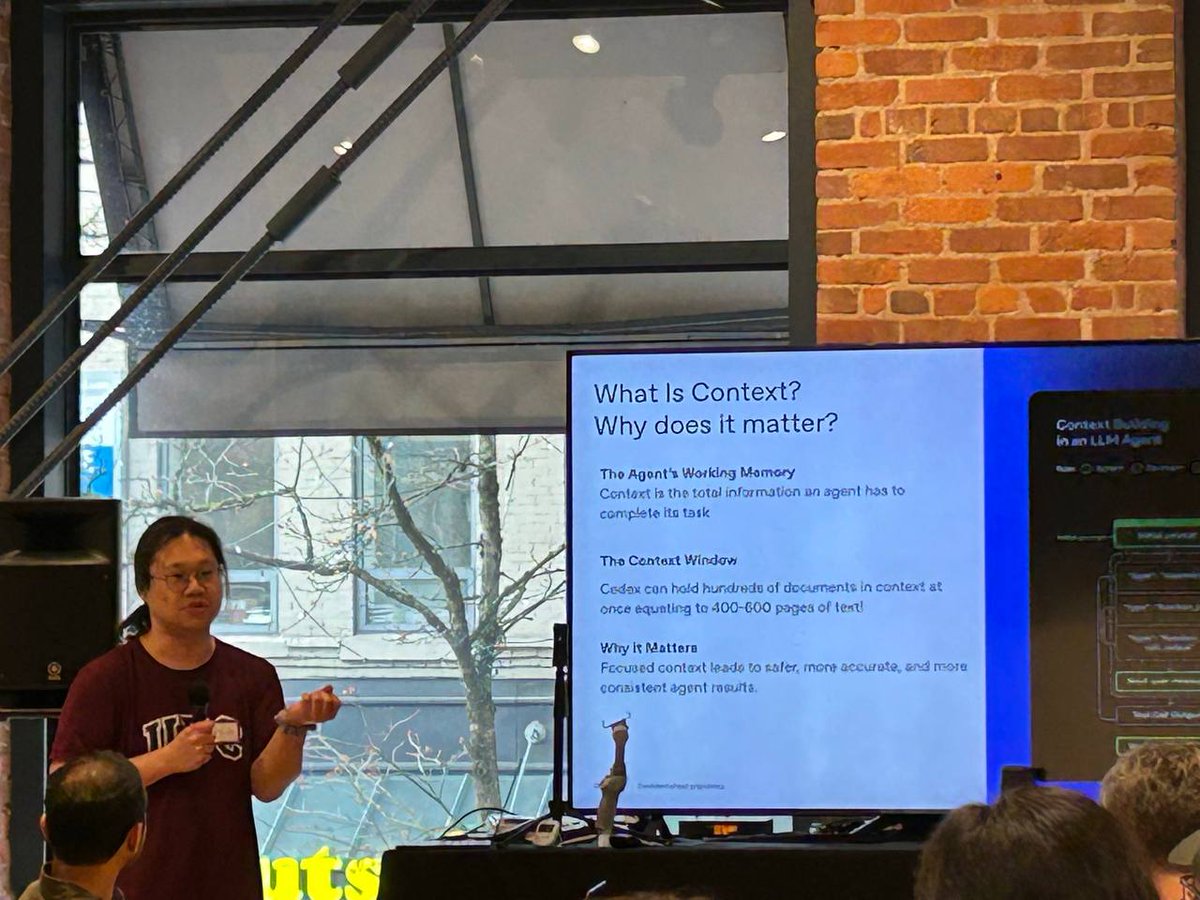
yesterday vancouver codex community meetup was banger
demos !
- photobomb (photo party game): https://t.co/OCX39xy623
- llm inference in bittorrent style
- oh-my-codex (by me)
- diy agi (by Kai Simpson)
- hackathon review (by @shawnbuilds)
never been bulish in bc than today🇨🇦
I kept watching my hobby projects get put to sleep and couldn't justify $20/mo to keep them running.
So I built #Dplyr /dee-ploy-er/
Bring code from #github, #claude, zip, or drag-and-drop. deploy #node, #python, #go, #rust, #ruby, #java, #php, .net, #elixir, #swift + more.
Managed postgres.
S3 buckets.
Custom domains or a free subdomain.
Pricing is a-la-carte — slide to what you need, pay exactly that.
No tiers. No gotchas.
Free to start, no credit card: https://t.co/QRY4zqDlKy
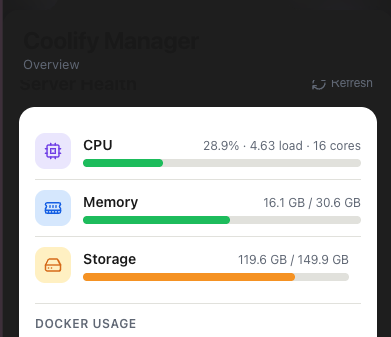
I built a Telegram bot + mini app to manage my #Coolify server . Now I can restart apps, monitor databases, check CPU/RAM/disk usage, clear Docker cache, receive notification about the health of an instance, all from one chat.
Single LLM in AI vibe coded projects sometimes miss user context so I added an "AI Council"where multiple models reviews drafts and triggers rewrites if details or context were missed.
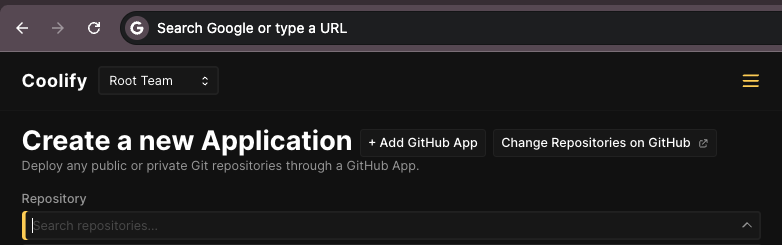
If you’ve ever used the repository search feature in @coolifyio , yours truly is the brain behind it.
Excited to be building for 2,928+ cloud users and 383,890+ self-hosted instances across the ecosystem.
Terence Tao says the math behind today’s LLMs is actually simple. Training and running them mostly uses linear algebra, matrix multiplication, and a bit of calculus, material an undergraduate can handle. We understand how to build and operate these models.
The real mystery is why they work so well on some tasks and fail on others, and why we cannot predict that in advance. We lack good rules for forecasting performance across tasks, so progress is largely empirical.
A key reason is the nature of real-world data. Pure noise is well understood, perfectly structured data is well understood, but natural text sits in between, partly structured and partly random. Mathematics for that middle regime is thin, similar to how physics struggles at meso-scales between atoms and continua.
Because of this gap, we can describe the mechanisms but cannot yet explain capability jumps or give reliable task-level predictions. That mismatch, simple machinery versus hard-to-predict behavior, is the core puzzle.
----
Video from 'Dr Brian Keating' YT Channel (Link in comment)