I'm honestly amazed that Canada is at this point that we celebrating the total mismanagement of our infrastructure projects as an achievement.
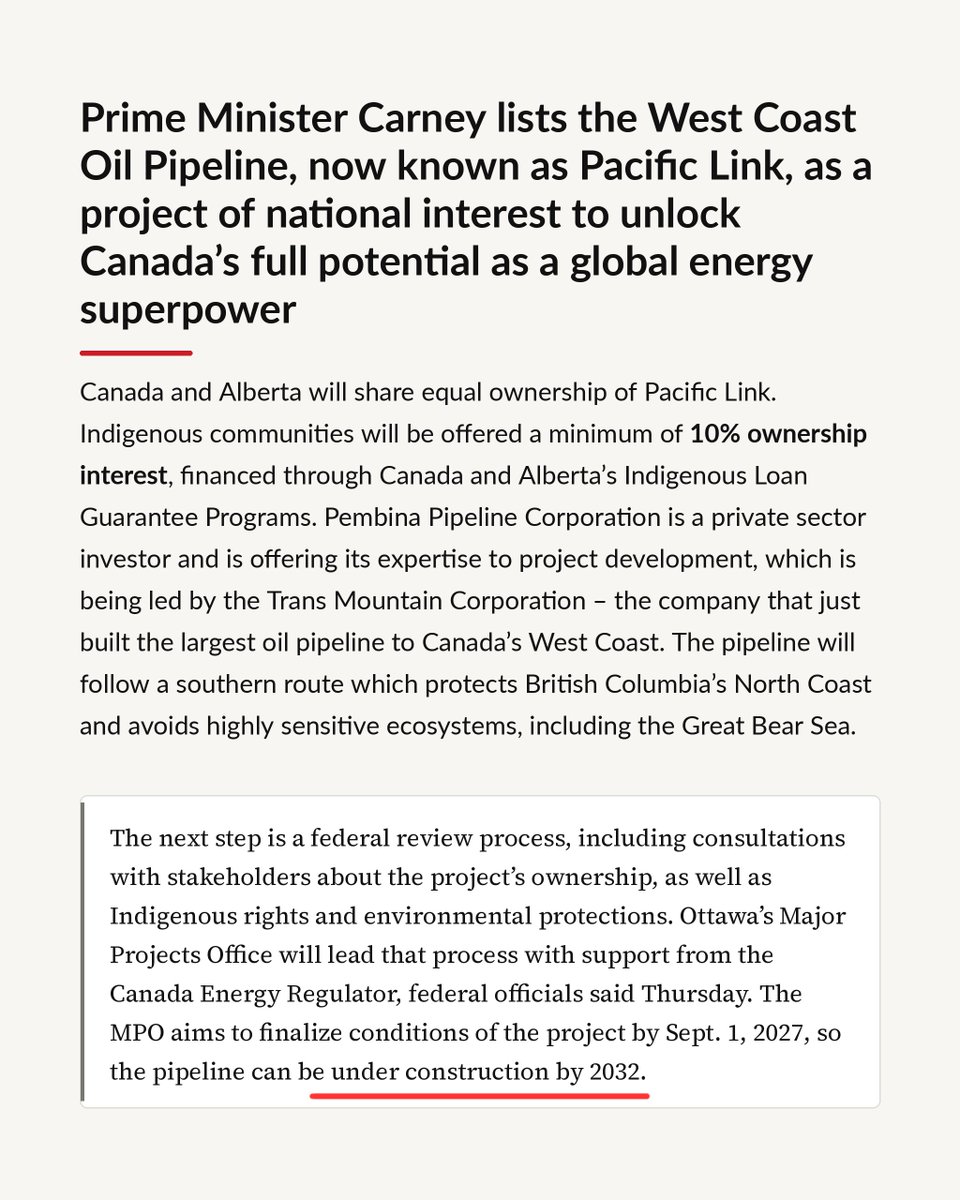
The new West Coast Oil Pipeline, called Pacific Link:
> After sitting in paperwork for months.
> Gets destinated as a project of national interest as if we didn't know it.
> Will now spend another year in paperwork trying to navigate red tape.
> Taxpayers in Alberta and across Canada will finance Indigenous ownership of minimum 10%.
> Alberta and Canada will have equal ownership.
> Still no private sector investment.
> Goal to begin construction by 2032‼️
In total, a 3 year project will take 10 years and, to no surprise, the private sector doesn't have much interest.
WTF are we doing here??
@rupasubramanya One, Xi would send a lackey to a state visit in Canada, and two, we don't have to imagine scenes like this...they happen regularly...for Liberal MPs.
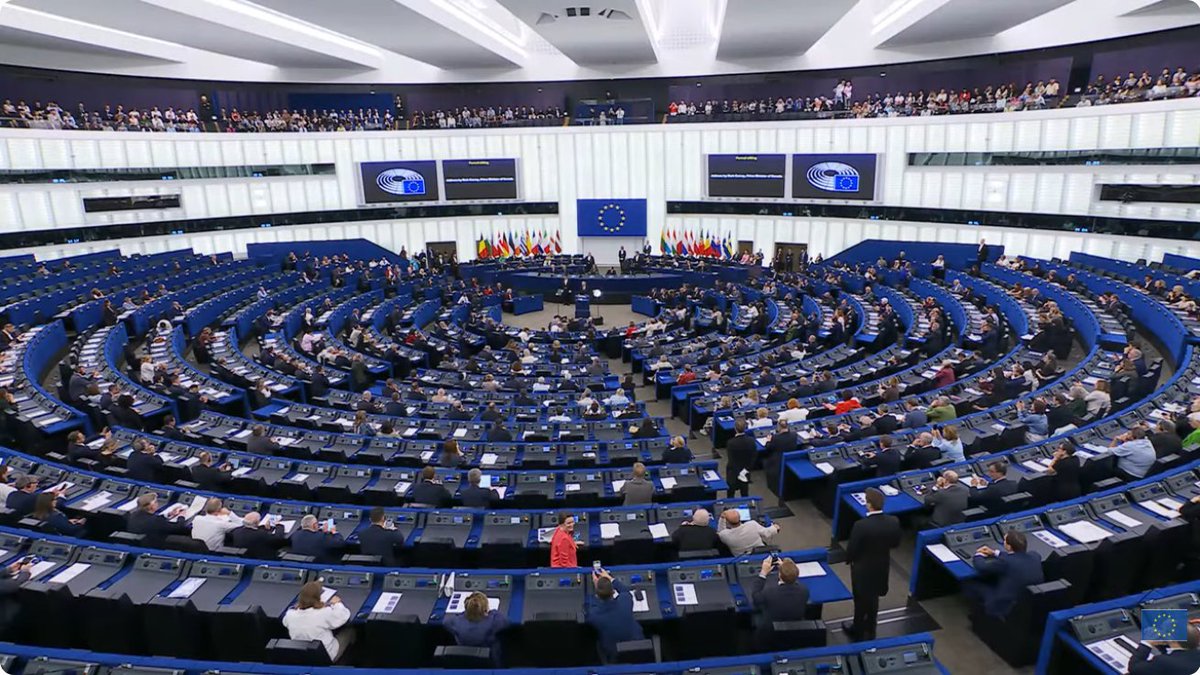
LOL. We were told by the Canadian MSM Carney wowed the EU parliament with his speech today. How incredibly well received it was.
maybe 30% of the EU's parliamentarians showed up for it. (screen grab taken from the following video at 13:49 as he begins)
https://t.co/8UFuA86s0k
New deal locks in permanent US basing, access and overflight rights that survive Greenland independence, plus explicit US veto on any adversary bases, troops or sensitive investments. 1951 pact was NATO-tied without those guarantees. Better for lasting exclusive US Arctic security at no cost.
Denmark and Greenland say sovereignty is intact. Practically it constrains Greenland options on defense presence and security-linked investments/economy while general trade and policy remain local. Full text still pending.
@RickAnderson Per AI: The federal Conservatives have long advocated for expanding and making accelerated write-offs permanent—specifically for manufacturing machinery, technology, and energy infrastructure—to keep Canada competitive with the United States' immediate expensing rules.
@rupasubramanya Where have I seen this before? Hmmm...From AI:
The federal Conservatives have long advocated for expanding and making accelerated write-offs permanent—specifically for manufacturing machinery, technology, and energy infrastructure—to keep Canada competitive with the United States