Postdoc fellow @BrownUniversity developing ideas at the intersection of social neuroscience and cognitive control | PhD @MIT social learning and decision making
“I’m interested in studying the human social and moral mind,” says BCS student Setayesh Radkani. She is pursuing two projects for her PhD, which explore the psychological and neural aspects of how humans learn from and influence each other. https://t.co/gHJYDcCh4f
Unpopular opinion today, but I think the best thing about soccer in the US is that the USMNT is mid and we have a second tier domestic league. It means US fans who want to see the sport at the highest level have to pay attention to how sports are organized in other countries - I certainly learn a lot from it - and unlike baseball, basketball, and football, our men’s national team is routinely outclassed and we have to ask ourselves how you become really good at something - and reckon with the meaning of our repeated failure to do so.
It's been more than a year, but the EWoK (Elements of World Knowledge) paper is finally out in TACL!
tl;dr: language models learn basic social concepts way easier than physical and spatial concepts.
https://t.co/NW78qjEx51
My thoughts are with British Jews who have had to watch anti-Semites march through our streets for years, our government legitimise and reward anti-Semitic Islamist terror by recognising Palestine, and now this hideous atrocity. Our country has consistently let Jews down.
Are you an aspiring scientist coming from a non-traditional academic background or facing unusual adversity during graduate school application? Sign up for the student-run BCS Application Assistance Program by November 20 for free advice: https://t.co/sKclTowEGD
🚨Out in PNAS🚨
with @MITCoCoSci & @rebecca_saxe
Punishment, even when intended to teach norms and change minds for the good, may backfire.
Our computational cognitive model explains why!
Paper: https://t.co/NW4NDiX31M
News: https://t.co/pY7DxEUwYh
🧵
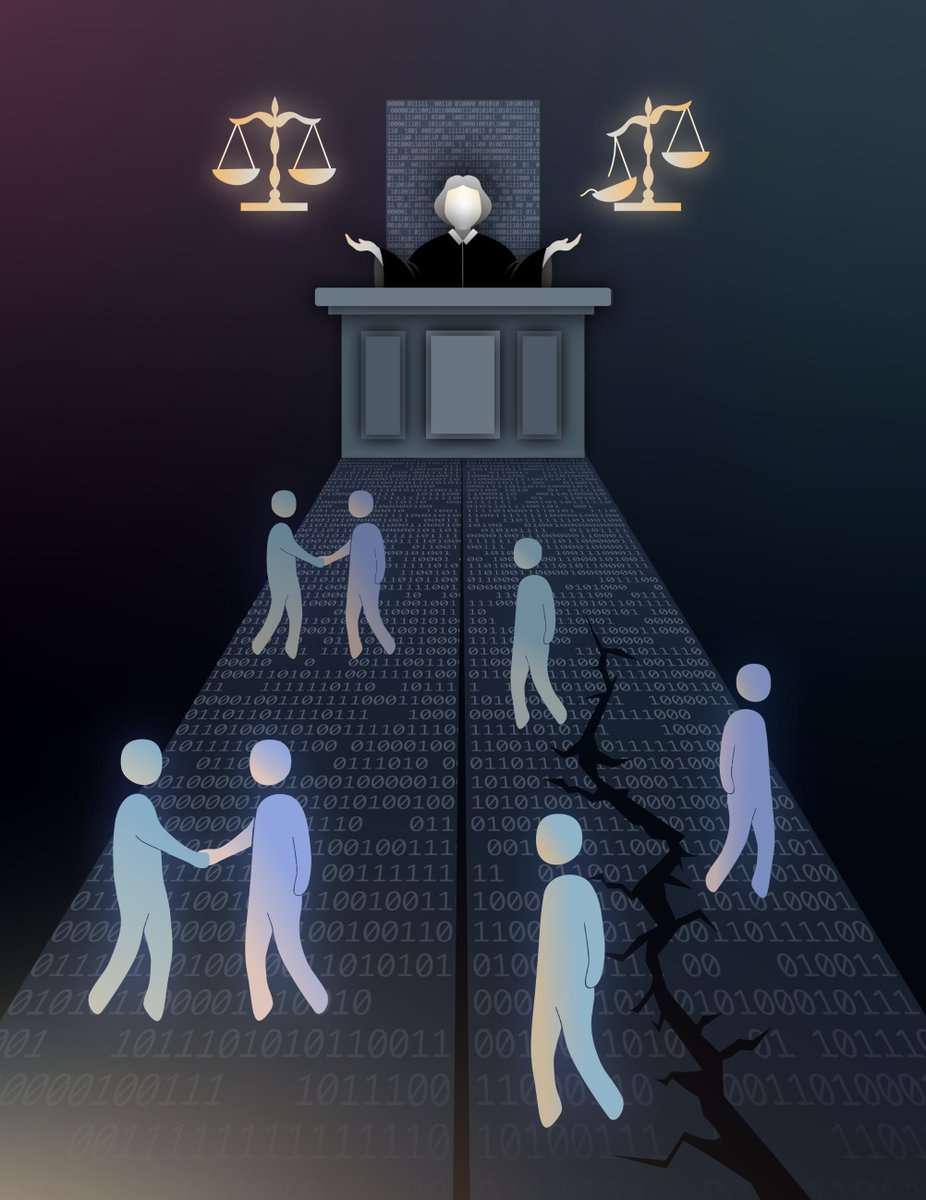
In a paper publishing in @PNASNews this week, McGovern researchers @SetayeshRadkani + @rebecca_saxe show the same punishment can either build respect for authority or deepen distrust—depending on what people already believe.
https://t.co/pEdK0hD3Ef
Bottom line: The same punishment can teach different lessons to different people depending on their prior beliefs, even when everyone is reasoning rationally. So, even well-meant punishment can widen divides or fuel polarization.
10/10
Finding 4⃣: In a separate study, we found that repeated punishments can fail to close societal divides, and may even polarize initially shared beliefs. Our model predicts when punishment works in reducing polarization and when it backfires!
9/N
🎬 Runway Aleph: hype or helpful?
• In-context video editing/generation with simple prompts (add/remove/transform).
• Big step beyond Gen-3 Alpha: from text-to-video → in-context edits.
• Demos show day→night, rain, reflection removal, green screen, scene extension & new angles.
• Waitlist only so far—expect variability, artifacts on non-curated footage, and high compute costs (which means expensive to use).
• Likely better identity/motion preservation vs older models, but real-world consistency is TBD.
Verdict: Sora-level wow in demos; promising but early. Worth watching, especially for post-production.
Are you joining the waitlist? 👇
—
Louis-François — PhD-dropout & CTO/co-founder @ Towards AI.
Follow for tomorrow’s no-BS roundup.
#Runway #Aleph #GenAI #VideoAI #VFX #VideoEditing #TechNews #HypeOrNot #AI
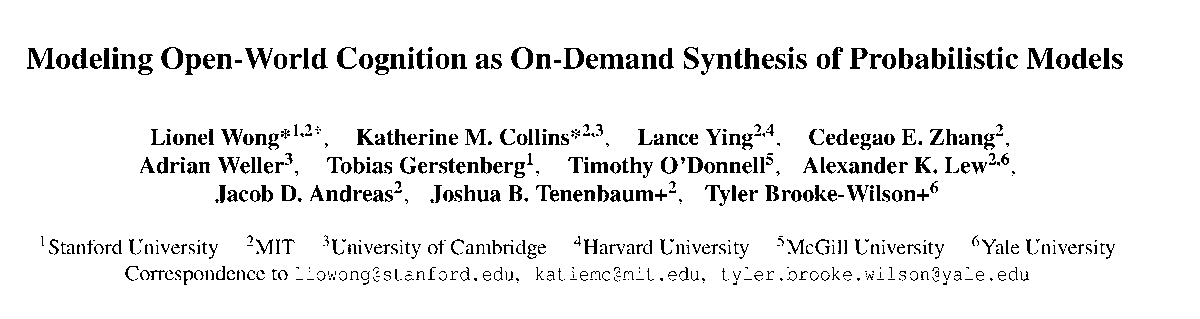
How do people reason while still staying coherent – as if they have an internal ‘world model’ for situations they’ve never encountered? A new paper on open-world cognition (preview at the world models workshop at #ICML2025!)
@BlackHC Very cool example! We recently made a similar argument on how rational belief updating could lead to sustained (or worsened) polarization by considering structured interactions among beliefs
https://t.co/SCK75r45Qu
New work in PNAS Nexus with @mlandauwells and @rebecca_saxe
We ask: if two groups hold opposing beliefs, when does debunking by an authority lead to belief convergence and when does polarization persist?
Paper: https://t.co/Q1kns3A2UF
MIT News: https://t.co/YGJAG0VM1r
🧵1/N