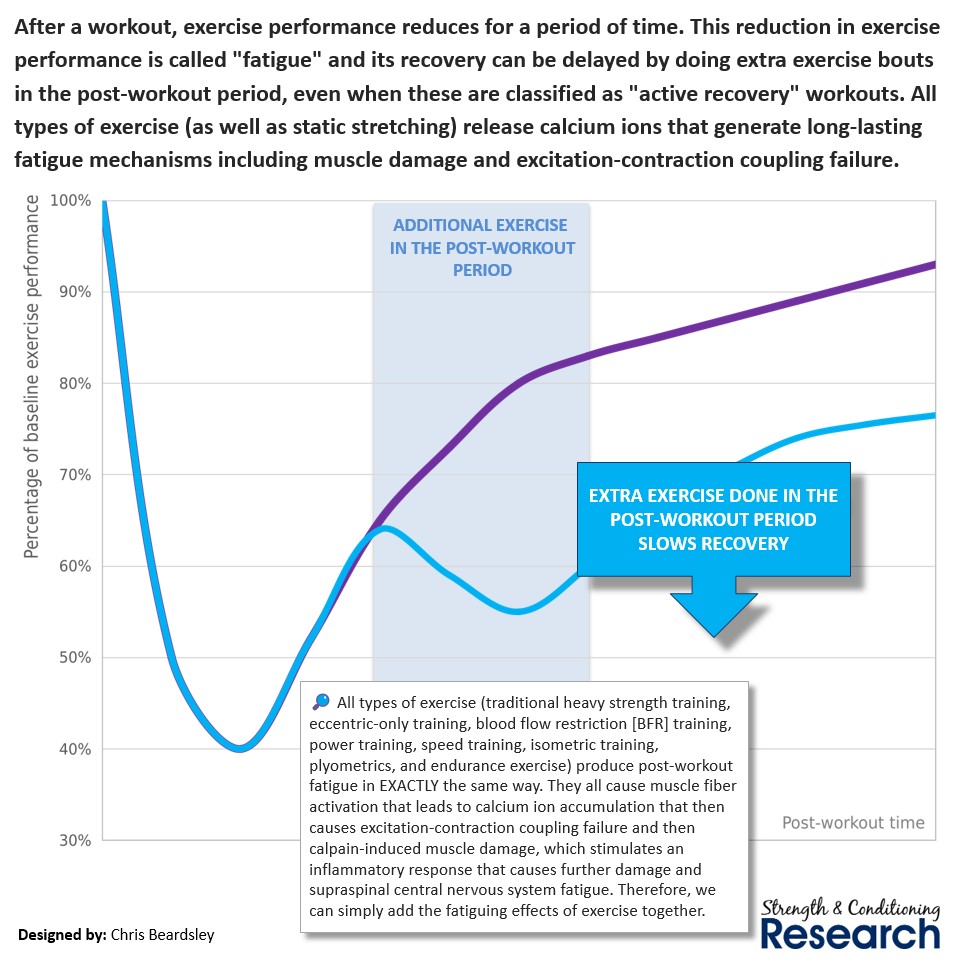
It is easy to see that "active recovery" is not going to produce a faster rate of post-workout recovery when we have a clearly described physiological model of fatigue. The active recovery workout will only ever add more fatigue on top of the pre-existing fatigue.
Just musing about the educational landscape and the margins being blurred by AI
Of course, i acknowledge AI has endless benefits and applications in medicine - exciting times and a new frontier
That aside, in the process of writing my books, i wanted them to reflect my personality and pseudo-irreverence and i’ve deliberately - belligerently - avoided artificial help.
I want them to retain a human element and be authentic - which is crucial if you’re trying to represent knowledge gleaned at the ‘MSK coalface’ - and also make them readable and accessible (tolerable!😆)
At present i don’t feel this is achievable with AI ‘assistance’ (interference?)
Lots of clinicians have contributed variably philosophical, academic, poignant, soapbox esque reflections…. and i know immediately which of these have been AI assisted. And that’s ok. I get it. People are busy busy.
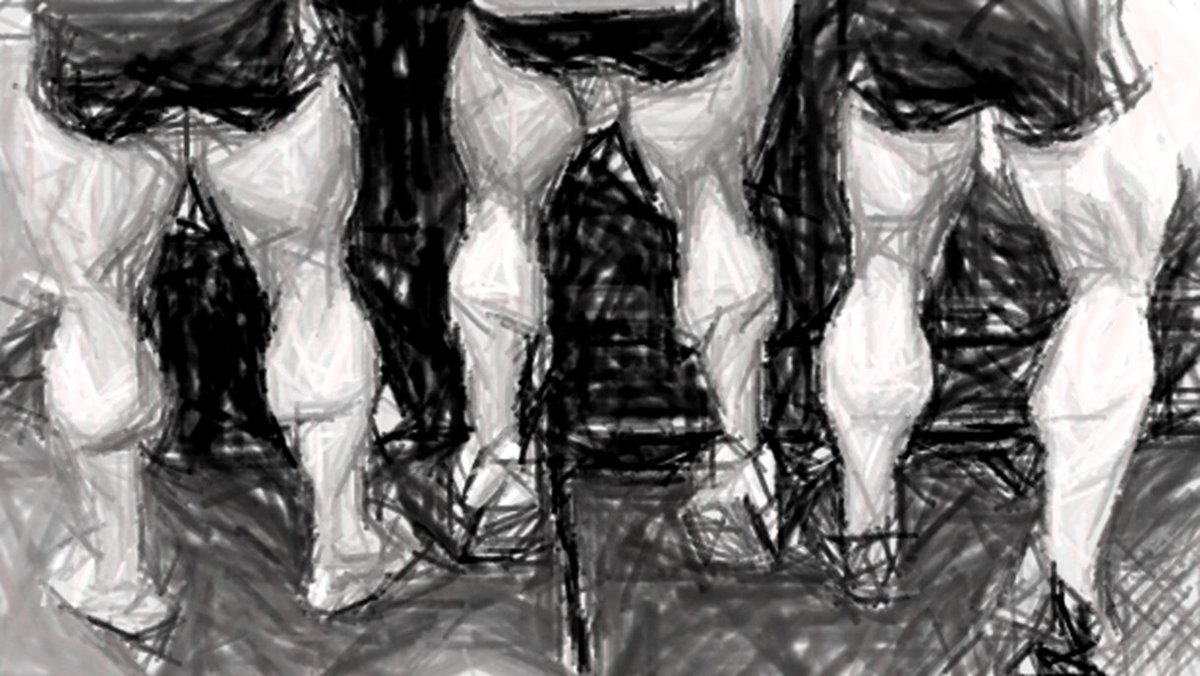
Expanding on this, i’ve spent many hours hand drawing numerous figures and images (with my 8 yo daughters crayons 🖍️😆) for the books.
People ask me why? Use AI? why don’t you use the original image?
Copyright aside, they are missing the point
It’s a process, which is fun, engaging and challenging in a positive way
Are the drawings crucial for the readers understanding? No. It’s part of the creative romance.
When i finally publish them, i can sit back and be proud that I took a project on without taking shortcuts - even if it selfishlessly means the product isn’t 100% orientated to the ‘absorb / assimilate / regurgitate’ generation
Can shockwave immediately reduce tendon pain?
Research from Alsulaimani et al. (2026) would suggest not! Overall reduction in movement evoked pain was small and failed to reach the minimal clinically important difference of 1.5 points. Radial shockwave appears no more effective than sham for immediate changes in pain.
Reference:
Alsulaimani B, Perraton L, Bourke J, Powers T, Malliaras P. Does radial shockwave therapy lead to immediate improvements in pain in people with insertional Achilles tendinopathy? A randomised controlled trial. Clin Rehabil. 2026 Feb;40(2):171-181. doi: 10.1177/02692155251394951. Epub 2025 Nov 27. PMID: 41308020; PMCID: PMC12816402.
Going forward: We MUST do better to support rehabilitation following rupture …
Provide information videos….
Accessible clinician contact lines for questions …..
take in to account weight gain and mental wellbeing …
don’t discourage patients away from their goals!
Going forward:
- We MUST understand the varied presentations post ATR – painless low force mechanisms as well as painful high force mechanism
- We MUST understand the prescription and adherence to immobilisation protocols to properly understand the outcomes
Healthcare professionals were reported to discourage patients away from sport
‘They've (physiotherapist) said that I should not consider playing (badminton) because of the amount of strain that's put on (the Achilles tendon)’
Fear and reduced strength impact the return to activities – Which is the chicken and which is the egg?? ‘You still have it in your mind that it happened so unexpectedly so it can happen again’
Immobilisation had a significant impact on mental wellbeing and weight gain. Keep this in mind when considering strength to bodyweight during rehab as a one unit increase in BMI results in a three percent decrease in calf raise repetitions
Standardised protocols are anything but standardised. Studies investigating outcomes MUST measure protocol adherence. Patients were casted due to A&E pressures
We interviewed patients after ATR managed in an NHS achilles clinic
We found that ATR’s were reported by many patients as pain free. Keep this in mind when diagnosing… as a missed/delayed diagnosis impacts long term outcomes