Husband to Sharon. Dad to 3 girls. Christian. Mixed farmer growing Wheat, Canola, Barley, cover crops and pastures. Merino enterprise and a few Cattle.
Wheat Nutrition trial showing some very interesting differences in Yellow Rust levels. Just goes to show that there is a lot to explore from improving nutrition before defaulting to fungicides.
🚫🔥 10 tips from @theGRDC to reduce your risk of harvester fires this season 🔥🚫
1️⃣ Most harvester fires are caused by dust and trash build-up and bearing failures. Clean the machine down regularly, starting at the front then working in a top-down approach. A final blast of air over the exhaust system to dislodge any dust that may have been disturbed and settled during the clean down is recommended.
2️⃣ Pulse crops are substantially more volatile than cereals so extra care and vigilance is required when harvesting these.
3️⃣ Monitoring and logging bearing temperatures with an infra-red heat gun or thermal imager helps identify at-risk bearings so they can be replaced before failure.
4️⃣ Recognise the big four factors that contribute to fires: relative humidity; ambient temperature; wind; and crop type and conditions. Abide by state-based grain harvesting codes of practice and declared harvest bans and observe the Grassland Fire Danger Index (GFDI) protocol on high fire risk days.
5️⃣ Have at least the minimum required water and fire-fighting unit in the paddock being harvested.
6️⃣ Having a pair of extinguishers (water and A/B/E) at the cab entry ladder and a pair at the rear of the machine closer to the engine means fire-fighting options are available when and where they are needed. A fire suppression system provides the best chance of extinguishing a fire on a harvester.
7️⃣ Having a fire plan in place with the harvest team is imperative. Knowing who will do what and identifying communications channels to be used means everyone knows what to do. Having a listing of emergency numbers or uhf channels in the cab is essential.
8️⃣ Harvesting highly volatile crops like lentils across the paddock into the prevailing wind gives operators a better chance of containing the fire as incendiaries are blown onto stubble, not standing crop.
9️⃣ If operators do have a fire on board, pulling out of the crop immediately and facing the machine into the wind before attempting to fight it gives the operator the best chance of controlling the fire. Remember, harvesters are replaceable so prioritise personal safety.
🔟 Research has shown static does not have enough energy for the ignition of even the most volatile crop residues. Be mindful that it can, however, contribute to significant dust/fuel loads on the machine.
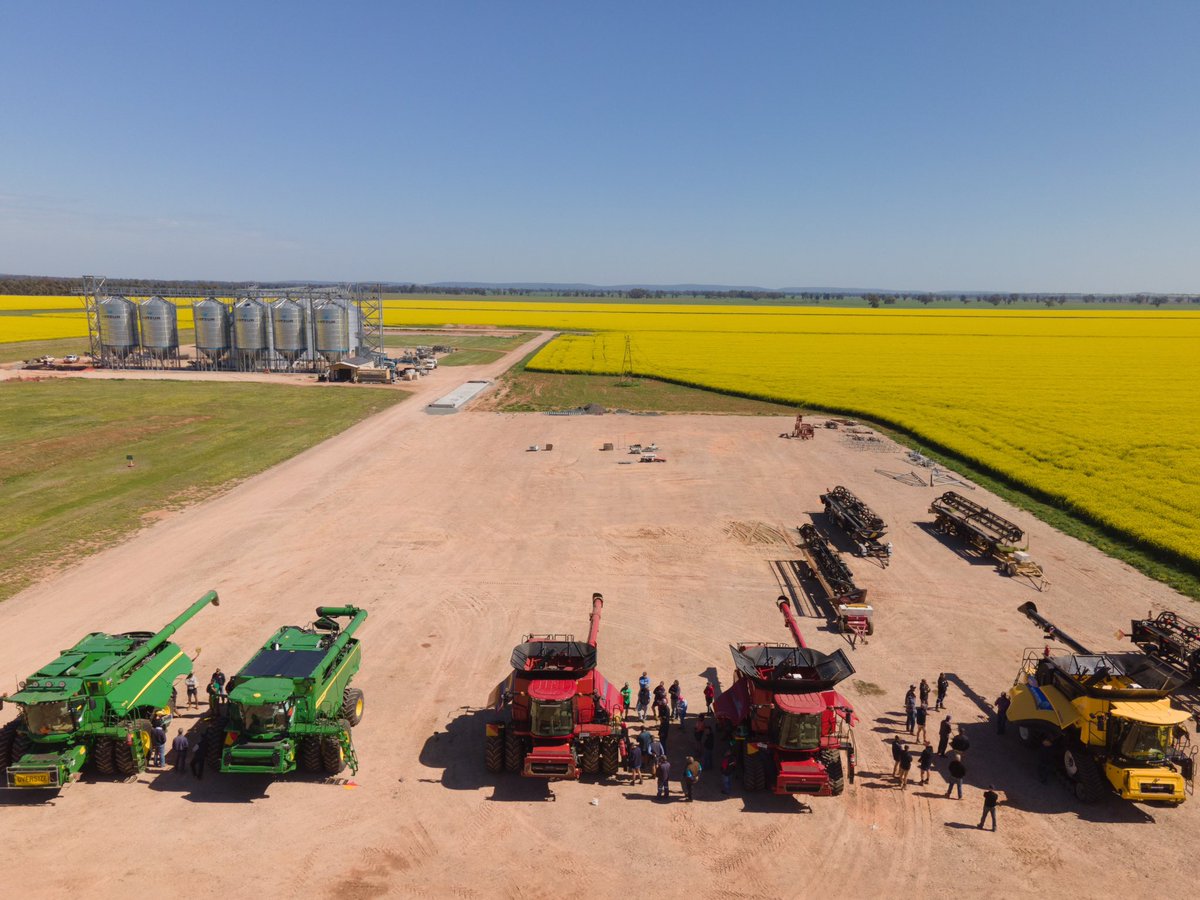
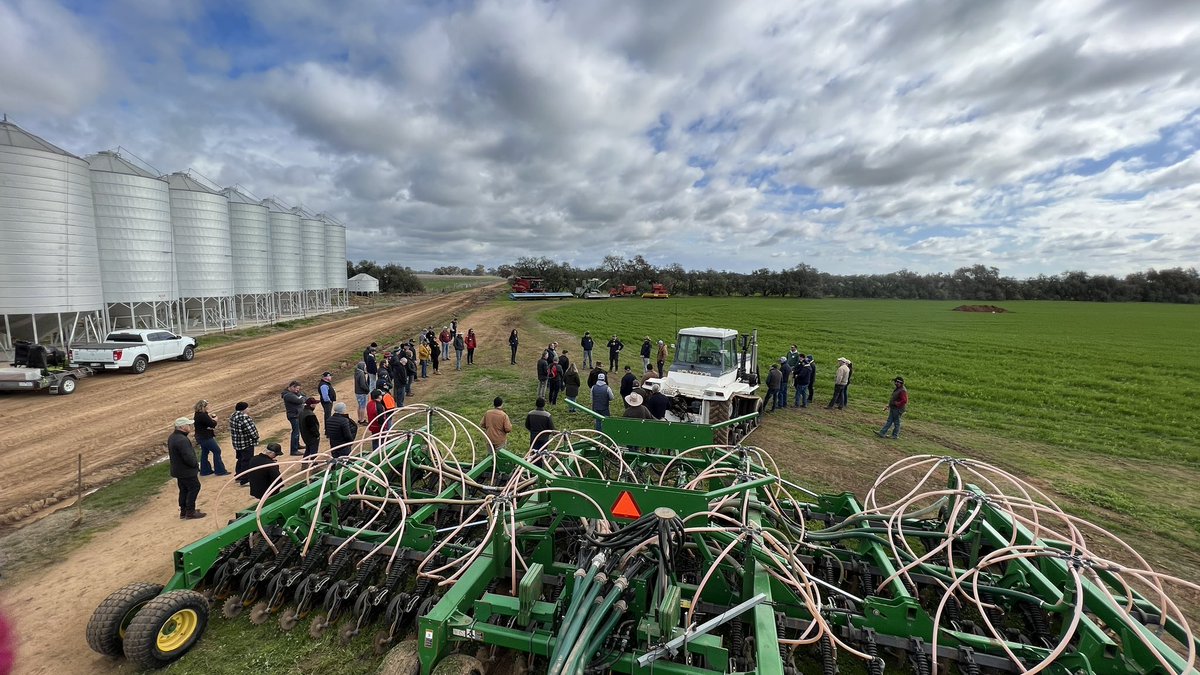
📸 CWFS x GRDC Harvester Set-Up Workshop Parkes
#FarmSafety #Harvest2024
Can't make it to the National Farmer Rally? You can still show your support! Sign the petition, use #NationalAgRally, and watch the livestream on Facebook to stand with Aussie farmers as they fight for a better future. Sign the Petition: https://t.co/204jA41aKG
Farmers & supporters, rally in Canberra on 10 Sept to stand against anti-farming agendas that are dictating decisions in Canberra. Let's stand together!
📅 11am, 10 Sept
📍 Federation Mall, opposite Parliament House
Register your interest https://t.co/204jA41aKG
This week's Blog invites you to reconsider the belief that diversification is the key to profitability. Think it's time to reassess your farm's strategy? Sam suggests trying on this idea like a jumper—if it fits, great; if not, you can always take it off https://t.co/BLXW9tkBJp
A great farming friend @parker419 has sustained a life changing injury and will needs financial support to move forward with life .One way the farming community can show their appreciation towards a wonderful friend is leaving a donation here:
https://t.co/WaUi2Mpzok
Thank you.
@farmerjim13 Should go alright. We used too interow sow Wheat into Canola stubbles on the 7.5 inch spacings and went to sowing Canola on 15 inch spacings into Wheat stubbles.
@farmerjim13 I am only half an hour away from the Aricks factory in Australia and have had 2 1590 drills fitted with the Aricks row cleaners. Our first one was 7.5 inch spacing. The row cleaners only just cleared the seeding row leaving the back row to shift twice the amount of residue.
If this works, and is scalable, it's huge.
Nitrogen fertilizer at a fraction of the environmental impact of Haber-Bosch.
@EmmaSAanne reports.
https://t.co/I4loV3M6Eq
Between 1914 - 18 Australia sent 414,000 of their citizens to face the horrors of modern industrialized war. By 1918, almost 62,000 Australians lay dead among the mud and destruction of the trenches in Europe, the sands of Sinai, Palestine and Syria. Lest We Forget.
Aerial view of group of farmers from NSW, Vic, SA, NZ at VicNoTill conference field day at Rochester - 2 soil pits and a vintage machinery tour kick off Day 1 #vicnotilltransition23