Post-doc at Max Planck Institute for Biogeochemistry :: Soil Carbon :: Radiocarbon :: Climate Change :: Thermal Analysis :: ISRaD :: Having a Great Time™
Excited to share our new publication on the age structure of soil organic matter! We used thermal fractionation (dirt burning) to further separate density fractions, and found each contains a range of ages. Remember: radiocarbon is always a mean value!
https://t.co/8bNT3MOvaf
Here's a Friday afternoon distraction for you:
a two-pool radiocarbon model as a "song", with different instruments for each pool.
Oboe: Atmosphere
Flute: Fast Pool
Tuba: Slow Pool
Respired CO2: French Horn
Ideas for other time-series to set to music?
https://t.co/41vjrRh7wu
Soil C cycling folks: Are you interested in ramped pyrolysis/oxidation // RPO // "dirt burning" //✨ thermal fractionation✨? Check out our new pre-print on the capabilities and strengths of ramped oxidation on describing detailed distributions of SOM age
https://t.co/vs7dvceeEZ
Unpaid plug: I've been using the @centered_app for over a year, and it's really transformed the way I work and actually get things done. Syncs with Spotify, calendars, other to-do apps, and a (n optional) nice voice offers gentle feedback. A cure for my dissertation despair.
Interesting pop-science piece on scientific debates, both in the public eye and on the crunchy expert side. Plus the quiz results were pretty fun
https://t.co/ajFWzpzzPN
|| NEW RESEARCH ||
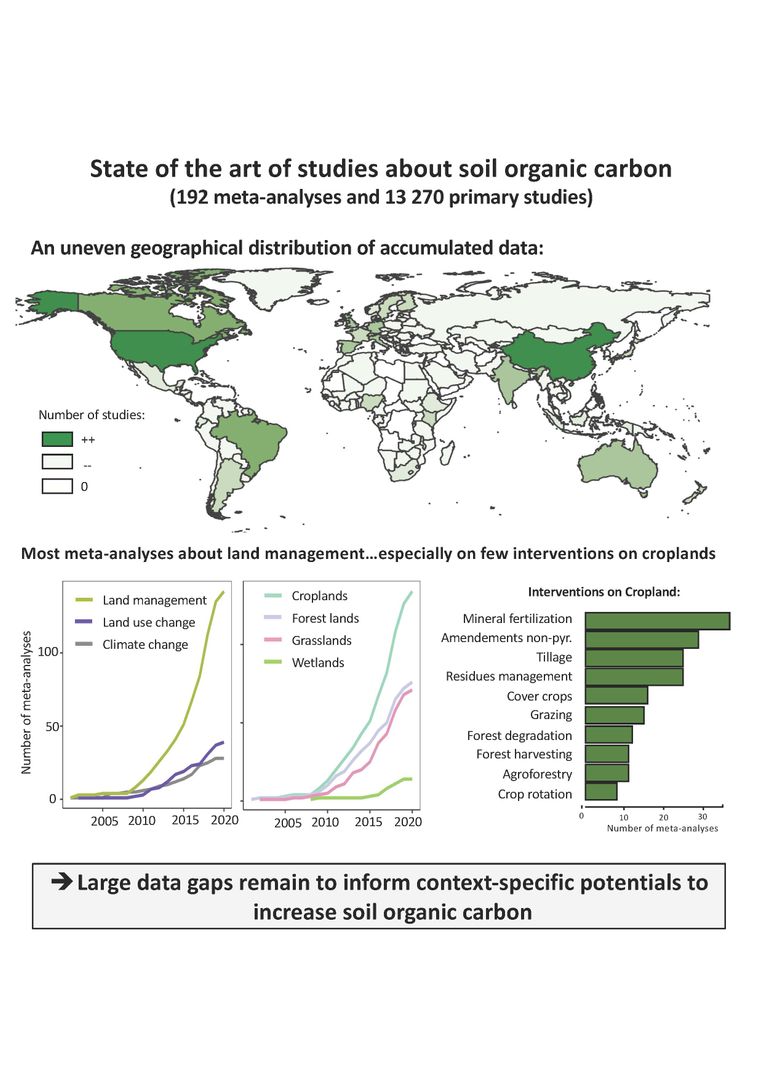
A global overview of studies about land management, land‐use change, and #climatechange effects on soil organic carbon
📄 https://t.co/TVxbi0DvQS @GlobAgronomy
Ok #agu21 soil folks. I know today was already great (see attached soil session photo) but tomorrow is back to back soils. 8am B31b soil carbon as a natural solution. Then 9.45 am onwards 3 orals on soils in the anthropocene (B32d). And then some soil posters at 4pm. 🎉
Today and tomorrow are big days for the soil radiocarbon community at #AGU21 , come find out about the history and fate of soil carbon in our changing world 🌎🌍🌏
It’s out now!!!
How a warmer climate can affect carbon respiration in Tibetan grasslands, especially when soil temperature and soil moisture are interacting.
#Soil#Carbon#Sensitivity#TibetanPlateau
AddThis | Home https://t.co/awRI6nWEeg
“I just felt like what happened to my body wasn't important enough for them (@stri_panama) to think we should do something so this never happens to someone again.” How hard is it to put a lock on a door? https://t.co/FjfeG9CMbe @smithsonian@BerlinRosen@LLDunnLaw @LauraLDunnEsq
This is an important read for anyone in academia. Current systems at @stri_panama permit the abuse of power - including assault, harassment, and retaliation - directed primarily at young women scientists. We need substantive reform
https://t.co/jrQaGnL5dw
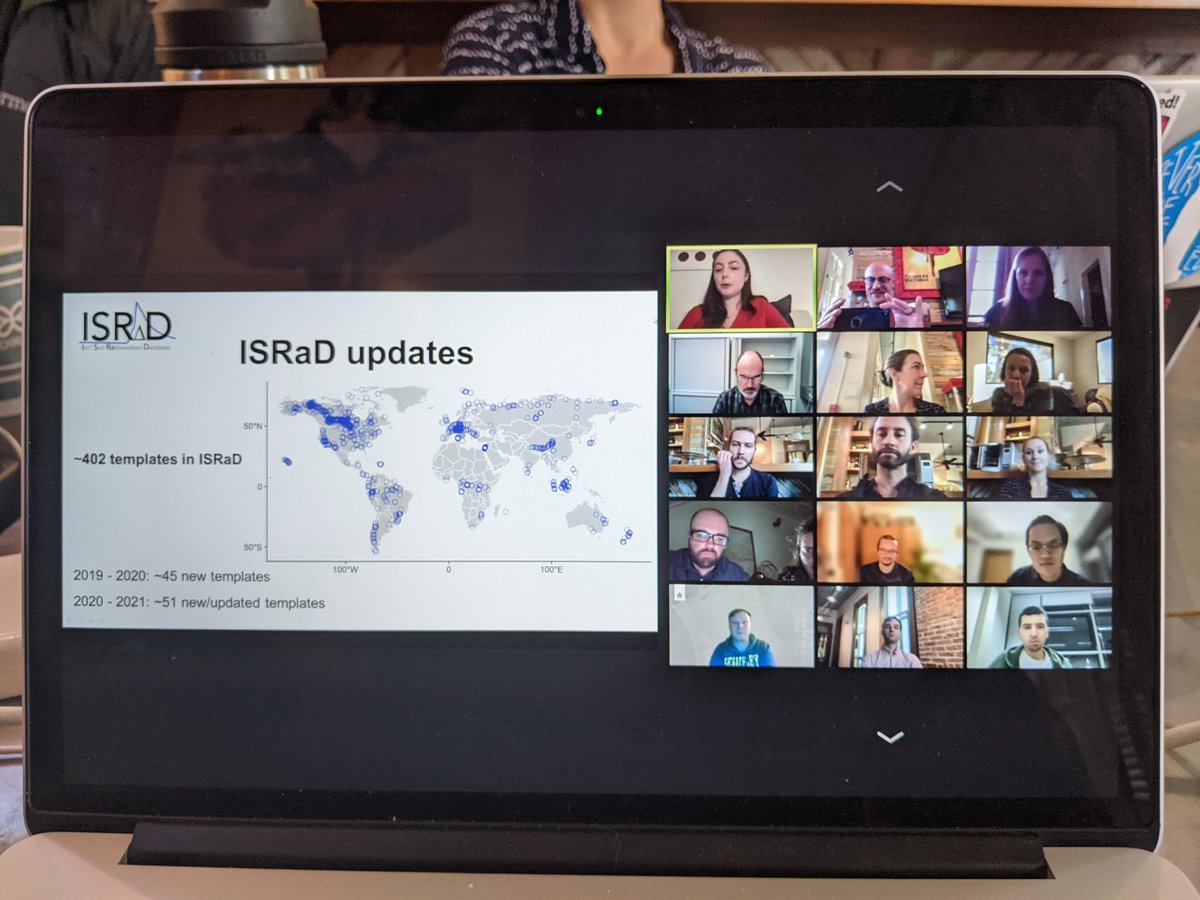
Off and running: our 2021 ISRaD Workshop is underway in New Orleans and worldwide! If you would like to join today, Saturday, and/or Sunday, let us know 🌎🌍🌏 email in bio
@LarryMattYork Thank you Larry! My spin would be that expanding these practices spatially would sequester C, given the distribution of grazed grasslands. An upside is that only intense irrigation led to lower C; moderate irrigation and fertilization allowed for intensification and C addition
It's finally here! My first first-author publication as a soil scientist. Huge thanks to everyone who helped me finish this work!
Grassland C turnover rates increase with increased C inputs, but the amount of C stored is unaffected #soilcarbon
https://t.co/HwgWku1adk
@DrCLPhillips Hey Claire! Thank you so much! I guessed, but some of the others weren't so sure haha. Hopefully the rest of my PhD is all downhill from here... right?
Very thankful for your comments; I'm so much happier with this version.