🛫 Pilot Gov't Affairs Chair | Advocate for effective aviation policy | Seasoned strategist with a proven record of success | Let's soar to new heights together
Has the last commercial pilot already been born? Airline Manufacturers would like you to think so.
This question has been lingering in the minds of many aviation enthusiasts and professionals. With the rapid advancement of technology and the emergence of unmanned aerial vehicles (UAVs), there has been speculation that the role of pilots in commercial aviation may become obsolete. However, we believe that the answer to this question is far from a simple yes or no.
The Role of Pilots in Commercial Aviation
Commercial pilots play a critical role in ensuring the safety and efficiency of air travel. Their job requires extensive training, experience, and skills that cannot be easily replaced by machines. Pilots are responsible for operating complex and sophisticated aircraft, making critical decisions in emergency situations, and ensuring the safety of passengers and crew members.
Despite the recent advancements in automation technology, commercial pilots still play a vital role in aviation. The aviation industry heavily relies on the skills and experience of pilots to operate aircraft safely and efficiently. Automation technology can assist pilots in performing their duties, but it cannot replace the human intuition and decision-making skills that pilots possess.
The Future of Commercial Aviation
The emergence of unmanned aerial vehicles (UAVs) has raised questions about the future of commercial aviation. While UAVs have shown great potential in various applications, including package delivery and surveying, their use in commercial aviation remains limited.
The Federal Aviation Administration (FAA) has strict regulations on the use of UAVs in commercial aviation. As of now, UAVs can only be used for limited purposes, such as aerial photography and surveying. The FAA requires that UAV operators have a remote pilot certificate and follow specific guidelines to ensure safety.
Moreover, the use of UAVs in commercial aviation is still in its early stages of development. The technology required to operate UAVs in complex airspace is still being developed, and safety concerns are still being addressed. It may take years, if not decades, before UAVs become a widespread replacement for commercial pilots.
The Importance of Human Factors in Aviation
While automation technology can assist pilots in performing their duties, it cannot replace the human intuition and decision-making skills that pilots possess. Human factors, such as situational awareness, decision-making, and communication skills, play a critical role in aviation safety.
Pilots undergo extensive training and testing to ensure that they possess the necessary human factors skills to operate aircraft safely and efficiently. They receive training in various scenarios, including emergency situations, to ensure that they are prepared to handle any situation that may arise.
The aviation industry also employs a variety of tools and technologies to assist pilots in making decisions and maintaining situational awareness. These tools include weather radar, traffic collision avoidance systems (TCAS), and ground proximity warning systems (GPWS).
Conclusion
In conclusion, the role of commercial pilots in aviation is far from being replaced by machines. While automation technology can assist pilots in performing their duties, it cannot replace the human intuition and decision-making skills that pilots possess. The future of commercial aviation may include the use of unmanned aerial vehicles, but their use in commercial aviation remains limited.
The aviation industry heavily relies on the skills and experience of pilots to operate aircraft safely and efficiently. Pilots undergo extensive training and testing to ensure that they possess the necessary human factors skills to operate aircraft safely and efficiently. The future of aviation may be uncertain, but one thing is for sure - the role of commercial pilots will remain critical in ensuring the safety and efficiency of air travel.
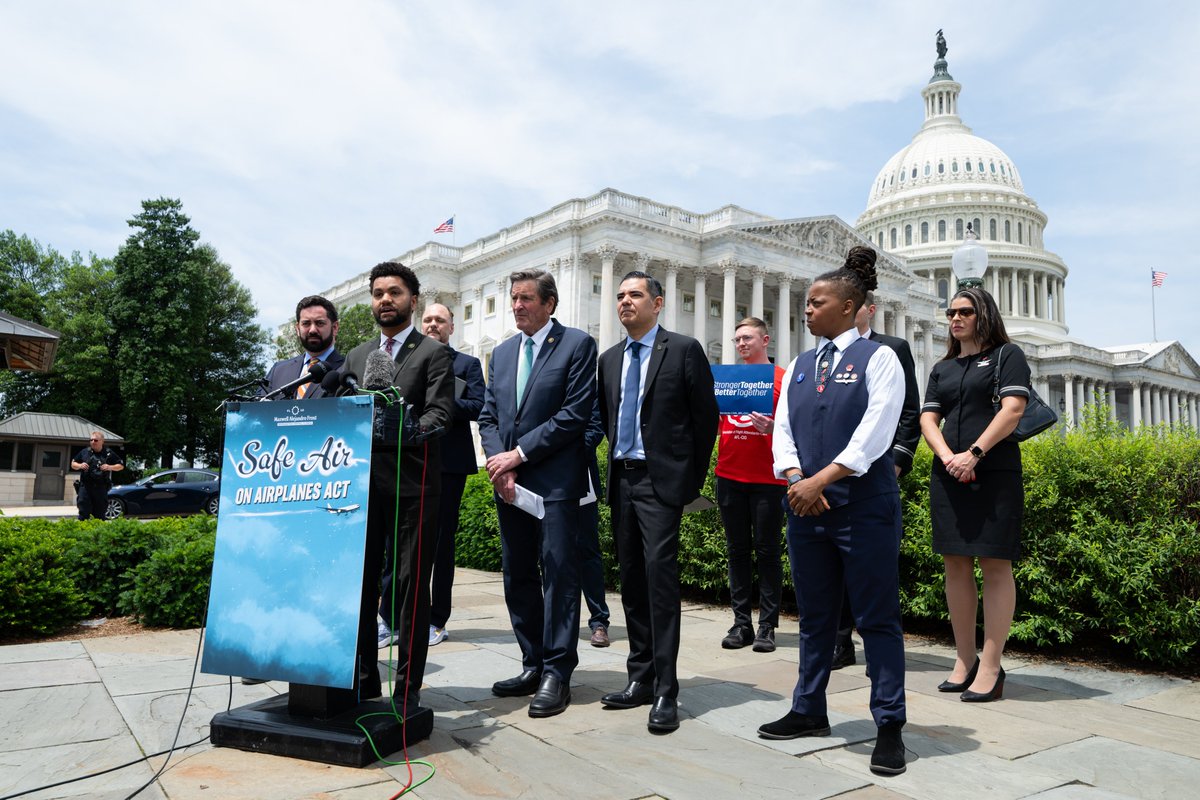
Teamsters Local 2750 member Captain Shane White spoke at a press conference on behalf of Teamster pilots and flight attendants in support of @RepMaxwellFrost's Safe Air on Airplanes Act, which would work to phase out bleed air systems on commercial aircraft. Bleed air systems can lead to toxic air when fuel or toxic fluids leak, exposing passengers and crew to dangerous and harmful chemicals.
We thank Representative Frost as well as @RepGaramendi and @RepMikeLawler for introducing this bipartisan, life-saving legislation.
“No one should get sick because the air on our planes becomes contaminated with poisons,” said @FlyingWithSara. “For years, Flight Attendants have been demanding action to fix air bleed systems and protect Flight Attendants, pilots, and passengers from toxic fumes...
During the news release of the Safe Air in Airplanes Act in the nation's capital today, I spoke on the importance of this legislation. Standing in support, Congressmen Frost, Garamendi, Lawler, and Garcia underscored the gravity of this legislative milestone.
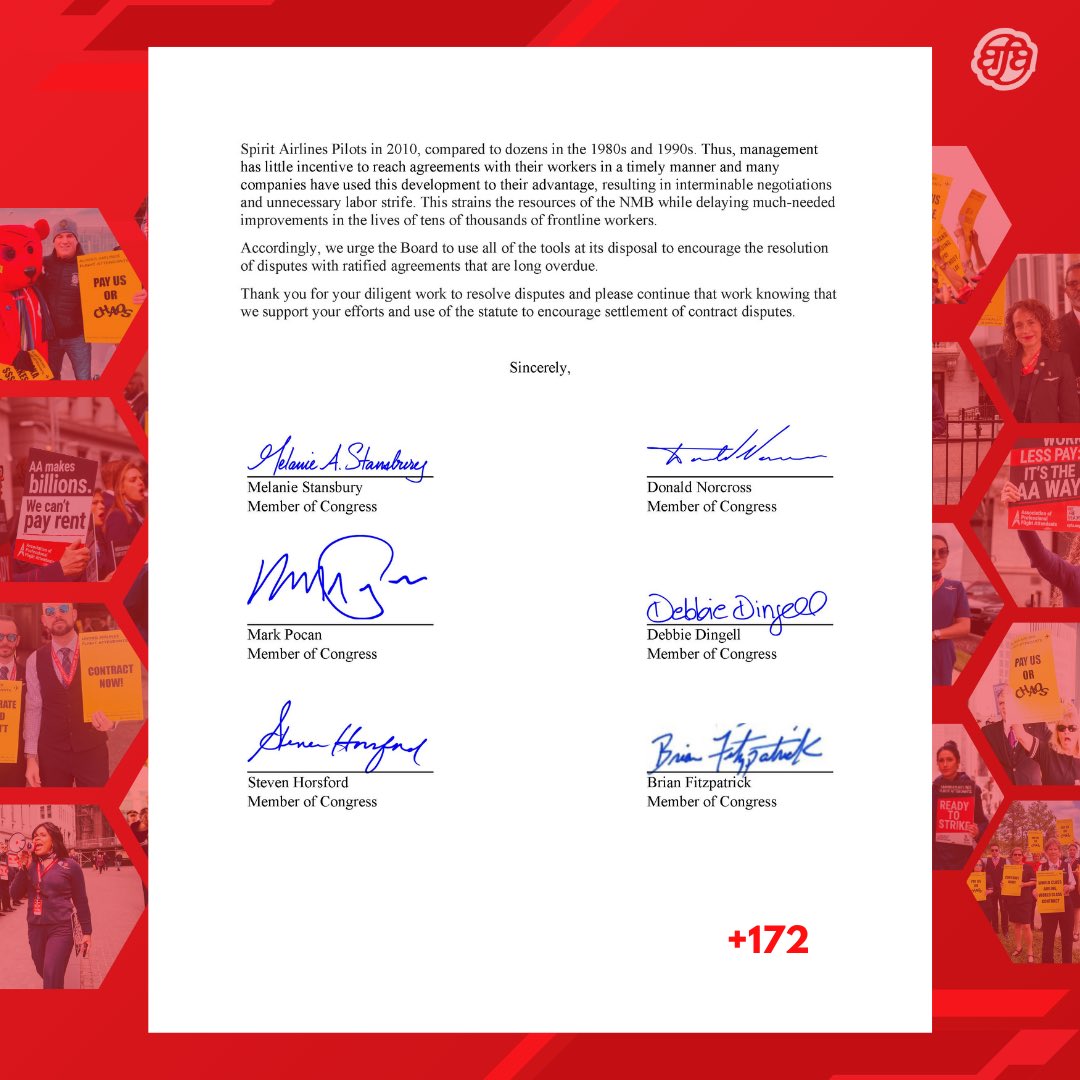
BREAKING: 178 Members of Congress, led by @rep_stansbury, sign on to congressional letter to the NMB urging the agency to use ALL provisions under the RLA to resolve contract negotiations.
Read the letter & stmt: https://t.co/40Whf7SxLR
@Delta330PLT David, let me guess, your age detection skills need a software update? Because your attempt at age-shaming is about as accurate as a broken clock.
"Fully backing the FAA Reauthorization Bill! Upholding the 1500-hour rule for pilot training ensures top-notch safety standards. 🛫 Retaining the retirement age at 65 is key for peak performance and safety. Modernizing the FAA Aeromedical system is a must for pilot health and aviation advancement. Let's prioritize safety, professionalism, and innovation in aviation! #FAAReauthorization #AviationSafety"
The #Teamsters Union strongly commends @RepChuyGarcia for leading a letter with 121 of his colleagues in opposition to raising the mandatory retirement age for pilots in the FAA Reauthorization bill!
This poison-pill provision cannot be included in the final legislation. #1u
@challi01 ICAO led the last push from 60-65 based on science and a study from EASA that stated 65 is the upper limit. ICAO has said they will not move past 65 as it is unsafe. What do you know that they don't?
.@repmcgarvey "Fully backing the FAA Reauthorization Bill! Upholding the 1500-hour rule for pilot training ensures top-notch safety standards. Retaining the retirement age at 65 is key for peak performance and safety.
.@randpaul Grateful for leaders who champion critical aviation causes. Preserving retirement age at 65, maintaining pilot training standards at 1500 hrs, and advocating for FAA Aero Medical overhaul are pivotal for safety and professionalism in the skies.
.@mcconnellpress "Fully backing the FAA Reauthorization Bill! Upholding the 1500-hour rule for pilot training ensures top-notch safety standards. Retaining the retirement age at 65 is key for peak performance and safety.
Have a second? Write your Representative and ask them to sign on to a congressional letter to the National Mediation Board.
With your help, 100k+ Flight Attendants WILL get the contracts we deserve, without delay from management! https://t.co/L4tFvD0EYq
Read @AP: FAA tells Congress not to raise the mandatory retirement for pilots until it can study the issue.
“Aviation safety is paramount, and now is not the time to take a shortcut.” – Chair @SenatorCantwell
https://t.co/xjsY9IBiCc
We thank @SenatorCantwell and @FAA_Mike for standing with Teamster pilots.
Changing the pilot retirement age would cause nothing but harm to our members and the aviation industry.
🛫 Did you know that some airlines want to raise the pilot retirement age to 67? At 65, it's time for pilots to retire and enjoy their golden years. Keeping the retirement age at 65 ensures the safety of everyone on board.