「월가 금융인들은 정말 1년에 수십억씩 벌까?」
결론부터 말하면,
그렇다.
다만 모든 사람이 처음부터 수십억을 버는 것은 아니고,
직급과 실적에 따라 차이가 엄청나게 벌어진다.
월가 최상위 투자은행(IB)과 사모펀드(PE)의
연간 총보상을 비교해보자.
━━━━━━━━━━━━━━━━
투자은행(IB = Investment Bank)
Goldman Sachs
JPMorgan
Morgan Stanley
Evercore
※ Evercore는 한국인에게는 생소하지만
M&A 자문 분야에서 세계 최고 수준으로 평가받는
Elite Boutique,
즉 최상위 독립계 투자은행이다.
사모펀드(PE = Private Equity)
Blackstone
KKR
Apollo
━━━━━━━━━━━━━━━━
투자은행은 기업의 M&A, 상장, 자금조달을 돕고
그 대가로 수수료를 받는다.
사모펀드는 기업을 직접 인수한 뒤
가치를 높여 더 비싼 가격에 되팔아 투자수익을 낸다.
이번 비교는 뉴욕 프런트오피스 기준이며,
기본급과 보너스를 합친 세전 연간 총보상이다.
환율은 1달러=1,500원으로 계산했다.
━━━━━━━━━━━━━━━━
주요 직급을 한국식으로 비교하면,
Analyst는 사원~대리급,
Associate는 대리~과장급,
VP(Vice President)는 차장~부장급,
MD(Managing Director)는 상무~전무급에 가깝다.
※ 월가의 VP는 한국 기업의 부사장이 아니다.
직급만 보면 차장~부장급에 가깝다.
━━━━━━━━━━━━━━━━
신입인 Analyst부터
약 2억~4억원을 받을 수 있고,
VP는 약 8억~12억원,
MD급은 약 15억~30억원 이상도 가능하다.
사모펀드가 투자은행보다
무조건 훨씬 많이 줄 것 같지만,
VP까지는 현금 보상이 의외로 비슷하다.
진짜 차이는 Partner급부터 벌어진다.
━━━━━━━━━━━━━━━━
PE Partner는 기본과 보너스에 더해
투자수익의 일부를 Carry로 받을 수 있다.
Carry란 사모펀드가 투자한 회사를 성공적으로 매각해 수익을 내면,
그 투자이익의 일부를 운용진에게 나눠주는 장기 성과보수다.
매년 받는 것이 아니며,
투자가 실패하면 한 푼도 받지 못할 수도 있다.
하지만 대형 투자에서 큰 수익이 나면
연봉보다 Carry가 훨씬 커질 수도 있다.
투자은행에서는 거래를 잘해야 보너스가 커지고,
사모펀드에서는 투자한 회사가 잘 팔려야 인생의 숫자가 바뀐다.
━━━━━━━━━━━━━━━━
세금도 만만치 않다.
싱글이고 특별한 공제 없이
뉴욕시에 거주한다고 가정하면,
실효세율은 대략 40%다.
따라서 아래 총보상의 약 60%를
세후 금액으로 보면 된다.
다만 연간 총보상이 150만 달러를 넘으면
실효세율이 절반에 가까워질 수 있다.
━━━━━━━━━━━━━━━━
아래는 월가 직급을 한국식으로 비교하고,
달러와 원화로 환산한 연간 총보상을 함께 정리한 표다.
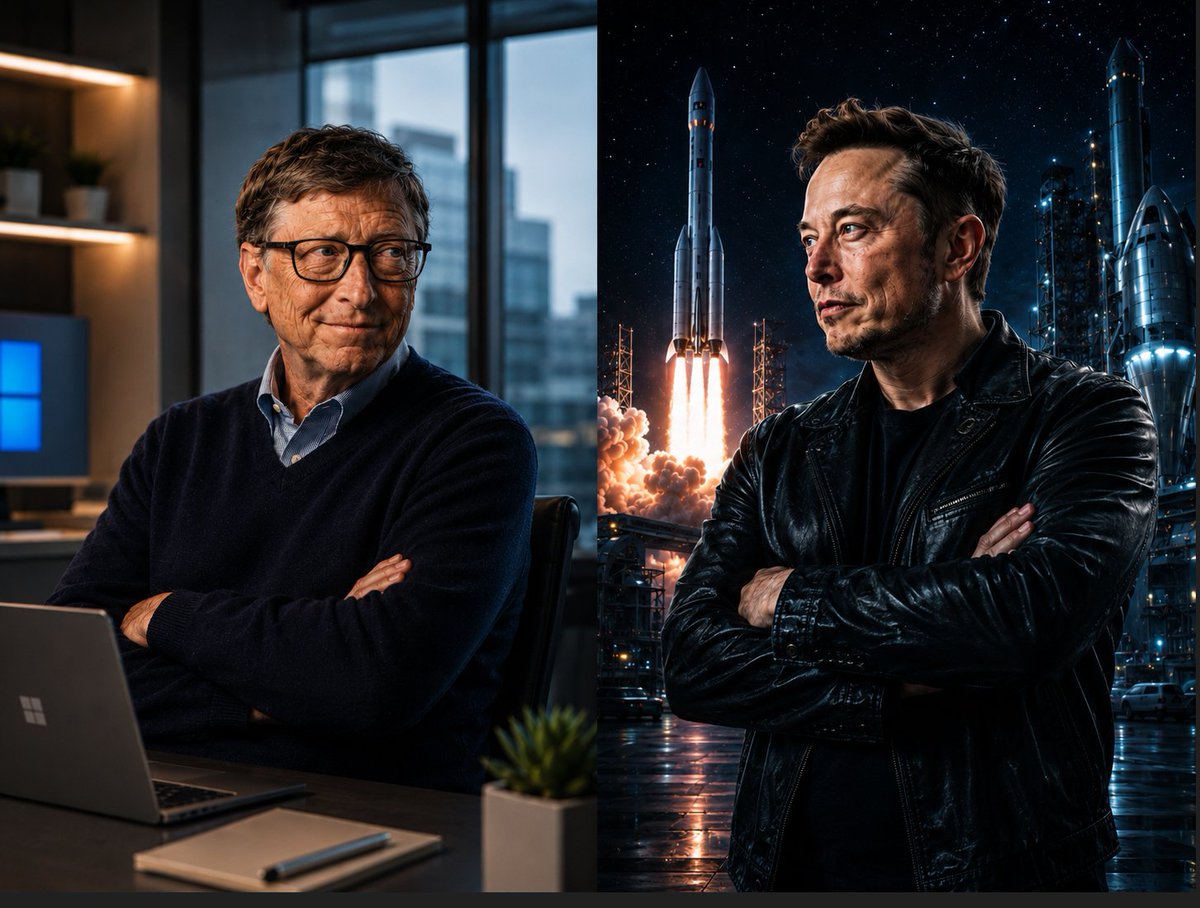
「The Difference Between Bill Gates (@BillGates) and Elon Musk (@elonmusk)」
Bill Gates built Windows and took over the world.
Elon unveiled the Cybertruck, broke a window, and left the world speechless.
One made billions from Windows.
The other turned a broken window into billions of views.
________________________________________
Bill Gates created a foundation, saying he wanted to “save humanity.”
Elon built rockets to Mars in case things don’t work out on Earth.
One wants to fix Earth and keep living on it.
The other built an interplanetary moving company just in case.
________________________________________
Bill Gates shorted Tesla.
Elon has been shorting Bill Gates personally ever since.
One shorted the stock.
The other shorted the man—and never closed the position.
________________________________________
Bill Gates fights ‘viruses’ by day.
Elon goes ‘viral’ by 3 a.m.
One funds vaccine development.
The other doses the entire internet with memes.
________________________________________
Bill Gates has a PR team managing his saintly image around the clock.
Elon keeps posting faster than any PR team could possibly clean up after him.
One has a team protecting his reputation.
The other posts first and gives his lawyers—and the SEC—a 3 a.m. emergency.
________________________________________
When Bill Gates has a problem, he creates an independent review committee.
When Elon has a problem, he posts a poll on X.
One waits for the report.
The other has already acts before the poll results are even in.
________________________________________
The media have spent decades branding Bill Gates as a good person.
Elon does his own negative PR for free.
One has a PR team managing his reputation.
The other manages the media’s night shift.
________________________________________
In one sentence:
One was branded as a saint but still can’t escape questions about Epstein.
The other looks like a troublemaker but is trying to create a backup copy of civilization on another planet.
One is backing up his version of the story.
The other is backing up civilization.
「월가 금융인들은 정말 1년에 수십억씩 벌까?」
결론부터 말하면,
그렇다.
다만 모든 사람이 처음부터 수십억을 버는 것은 아니고,
직급과 실적에 따라 차이가 엄청나게 벌어진다.
월가 최상위 투자은행(IB)과 사모펀드(PE)의
연간 총보상을 비교해보자.
━━━━━━━━━━━━━━━━
투자은행(IB = Investment Bank)
Goldman Sachs
JPMorgan
Morgan Stanley
Evercore
※ Evercore는 한국인에게는 생소하지만
M&A 자문 분야에서 세계 최고 수준으로 평가받는
Elite Boutique,
즉 최상위 독립계 투자은행이다.
사모펀드(PE = Private Equity)
Blackstone
KKR
Apollo
━━━━━━━━━━━━━━━━
투자은행은 기업의 M&A, 상장, 자금조달을 돕고
그 대가로 수수료를 받는다.
사모펀드는 기업을 직접 인수한 뒤
가치를 높여 더 비싼 가격에 되팔아 투자수익을 낸다.
이번 비교는 뉴욕 프런트오피스 기준이며,
기본급과 보너스를 합친 세전 연간 총보상이다.
환율은 1달러=1,500원으로 계산했다.
━━━━━━━━━━━━━━━━
주요 직급을 한국식으로 비교하면,
Analyst는 사원~대리급,
Associate는 대리~과장급,
VP(Vice President)는 차장~부장급,
MD(Managing Director)는 상무~전무급에 가깝다.
※ 월가의 VP는 한국 기업의 부사장이 아니다.
직급만 보면 차장~부장급에 가깝다.
━━━━━━━━━━━━━━━━
신입인 Analyst부터
약 2억~4억원을 받을 수 있고,
VP는 약 8억~12억원,
MD급은 약 15억~30억원 이상도 가능하다.
사모펀드가 투자은행보다
무조건 훨씬 많이 줄 것 같지만,
VP까지는 현금 보상이 의외로 비슷하다.
진짜 차이는 Partner급부터 벌어진다.
━━━━━━━━━━━━━━━━
PE Partner는 기본과 보너스에 더해
투자수익의 일부를 Carry로 받을 수 있다.
Carry란 사모펀드가 투자한 회사를 성공적으로 매각해 수익을 내면,
그 투자이익의 일부를 운용진에게 나눠주는 장기 성과보수다.
매년 받는 것이 아니며,
투자가 실패하면 한 푼도 받지 못할 수도 있다.
하지만 대형 투자에서 큰 수익이 나면
연봉보다 Carry가 훨씬 커질 수도 있다.
투자은행에서는 거래를 잘해야 보너스가 커지고,
사모펀드에서는 투자한 회사가 잘 팔려야 인생의 숫자가 바뀐다.
━━━━━━━━━━━━━━━━
세금도 만만치 않다.
싱글이고 특별한 공제 없이
뉴욕시에 거주한다고 가정하면,
실효세율은 대략 40%다.
따라서 아래 총보상의 약 60%를
세후 금액으로 보면 된다.
다만 연간 총보상이 150만 달러를 넘으면
실효세율이 절반에 가까워질 수 있다.
━━━━━━━━━━━━━━━━
아래는 월가 직급을 한국식으로 비교하고,
달러와 원화로 환산한 연간 총보상을 함께 정리한 표다.
Most people are thinking about AI agents as a UX upgrade.
Faster search. Automated workflows. Less clicking.
But the real shift is deeper.
Agents don’t just use software.
They interpret, make judgment calls, and act under uncertainty.
And that creates a weird tension with today’s blockchains.
Because blockchains don’t “interpret” anything.
They enforce exact outcomes. No nuance, no gray areas.
So when agents start interacting with them, something breaks.
Not because agents are too early
but because the infrastructure is.
This is where @GenLayer takes a very different approach.
Instead of forcing everything into deterministic execution, it treats evaluation itself as part of consensus.
Multiple validators don’t just re-run code.
They assess inputs, interpret context, and converge on a decision.
That sounds subtle, but it changes what can exist onchain.
You move from systems that only verify
to systems that can reason about messy reality.
The Bradbury testnet going live is the first time this idea is actually usable.
Not a concept, not a whitepaper.
Something builders can stress test.
If agents are going to operate across the internet, they will need infrastructure that can meet them at that level.
Bradbury is an early glimpse of what that looks like.
Most NFT projects reward people for showing up early.
Wingston seems to reward people for showing up consistently.
That's the first thing that caught my attention.
To get a whitelist spot for the Wingston free mint from @RallyOnChain, participation matters more than timing.
You need to:
• Complete 3 campaigns on Rally
• Reach the Top 425 on the weekly leaderboard
• Follow @RallyOnChain
At first glance, those requirements look simple.
But the more I thought about them, the more interesting they became.
They're not rewarding whoever discovers the project first.
They're rewarding people who have already spent time creating, participating, and contributing inside the ecosystem.
That feels very different from the typical NFT launch model.
The NFT itself also comes with real utility:
• Stake it to earn RLPs daily
• Access VIP-only campaigns with higher reward pools
• Receive a permanent Rally Score boost
And unlike many NFT collections that rely on future promises, Wingston is a product NFT connected directly to a protocol that's already active today.
Campaigns are running.
Creators are earning.
The community is already participating.
The artwork looks great, but what interests me most is how ownership is being distributed.
Instead of rewarding speed, Rally seems to be rewarding contribution.
Wingston is also a free mint, which makes that approach even more interesting.
Whitelist: https://t.co/hOEyxRbnXb
The whitelist requirements are simple, but I think they're doing something interesting: they're rewarding participation instead of timing.
Do you think that's a better way to distribute ownership?