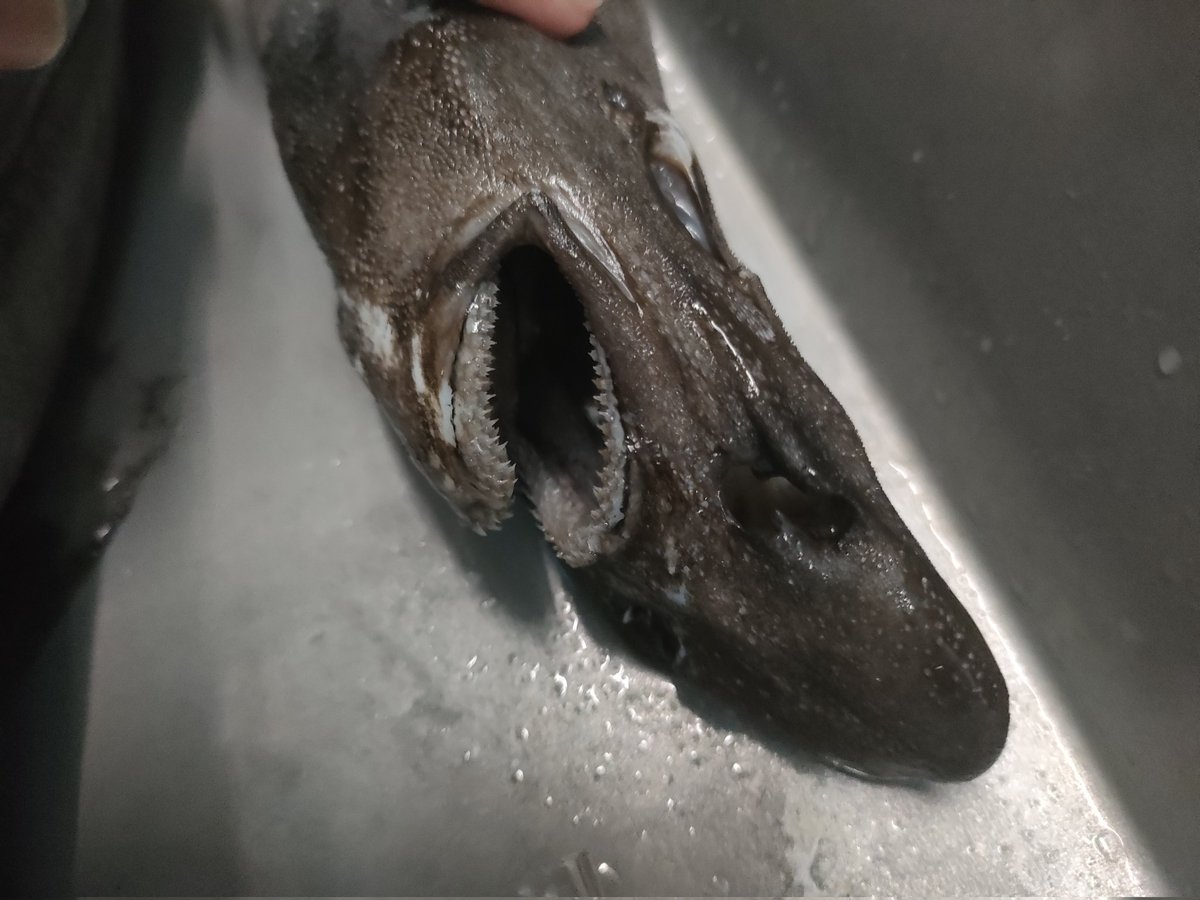
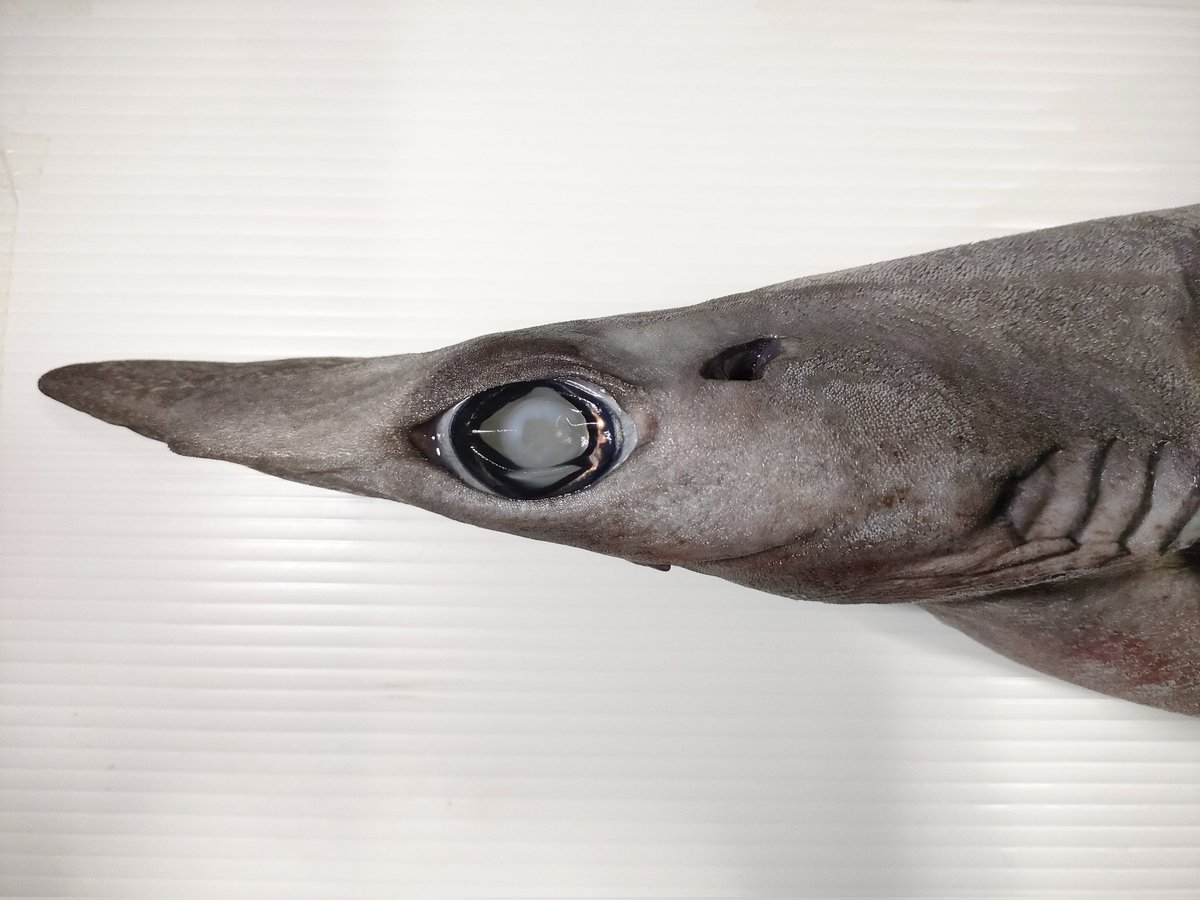
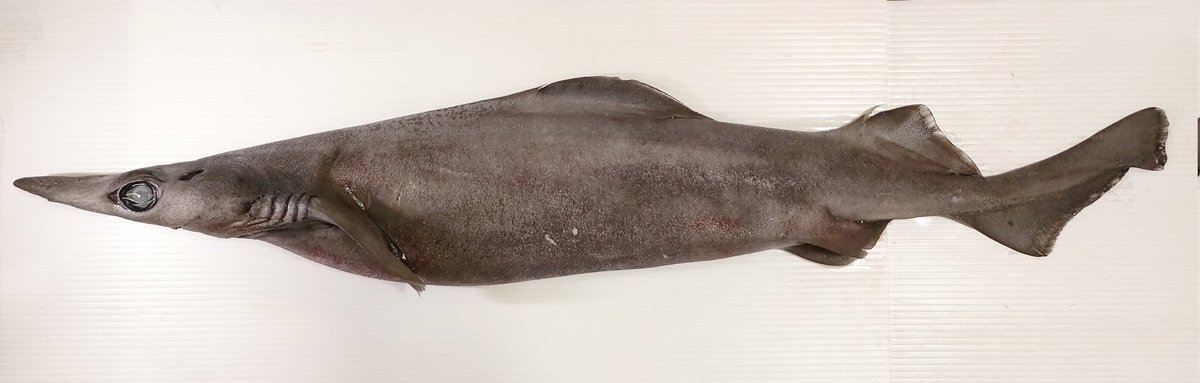
This is a false catshark, Pseudotriakis microdon, named for catlike eyes. A bit soft around the middle — some might even say these ground sharks are flabby — and they move rather slowly, which led to another common name: “sofa shark.” #DeepWonders, 1,086 m
Scientists have discovered a new species of walking shark in the coastal waters of Papua New Guinea, expanding a unique group of sharks that are known for their unusual ability to move across the seafloor using their fins. The newly identified species has been named Dudgeon's walking shark in honor of marine scientist Christine Dudgeon for her contributions to shark research.
Walking sharks belong to the genus Hemiscyllium and are small, bottom-dwelling sharks that typically grow to less than one meter in length. Unlike most sharks that rely primarily on swimming, walking sharks use their muscular pectoral and pelvic fins to “walk” over coral reefs and rocky seabeds. This adaptation allows them to navigate shallow waters, tide pools, and reef environments where swimming can be difficult.
The discovery is particularly significant because it is the first new species added to the walking shark genus since 2013. Scientists identified the shark through detailed studies of its physical characteristics and genetic analysis, which confirmed that it was distinct from other known walking shark species. The finding highlights how much biodiversity remains undiscovered in the marine ecosystems of Papua New Guinea and the wider Indo-Pacific region.
Walking sharks are considered remarkable examples of evolution. Researchers believe they evolved from a common ancestor millions of years ago and gradually spread across different islands and reef systems. Geographic isolation likely played a major role in the development of separate species, as populations became separated by deep water and other natural barriers.
These sharks are harmless to humans and primarily feed on small fish, crustaceans, worms, and other invertebrates found on the ocean floor. They are most active at night, using their keen senses to search for prey among coral reefs. Their ability to survive in very shallow water, including areas with lower oxygen levels, gives them an advantage in habitats that many other shark species cannot easily exploit.
The discovery of Dudgeon's walking shark underscores the importance of protecting coral reef ecosystems, which are facing increasing threats from climate change, pollution, and overfishing. Scientists hope that continued exploration and conservation efforts will reveal even more previously unknown marine species and help preserve the rich biodiversity of the region for future generations.
New species of walking shark discovered in Papua New Guinea
Scientists have identified Dudgeon's walking shark, a previously unknown species found in the waters of Papua New Guinea. The discovery marks the first new species added to the walking shark genus since 2013
#Shark Week 2026 kicks off on July 26 and runs through August 1. And scientists are excited because they've just discovered a previously unknown species of walking shark in Papua New Guinea.
Click here to find out more: https://t.co/EHA968xyOy
📸 Nesha Ichida/ JOSF.
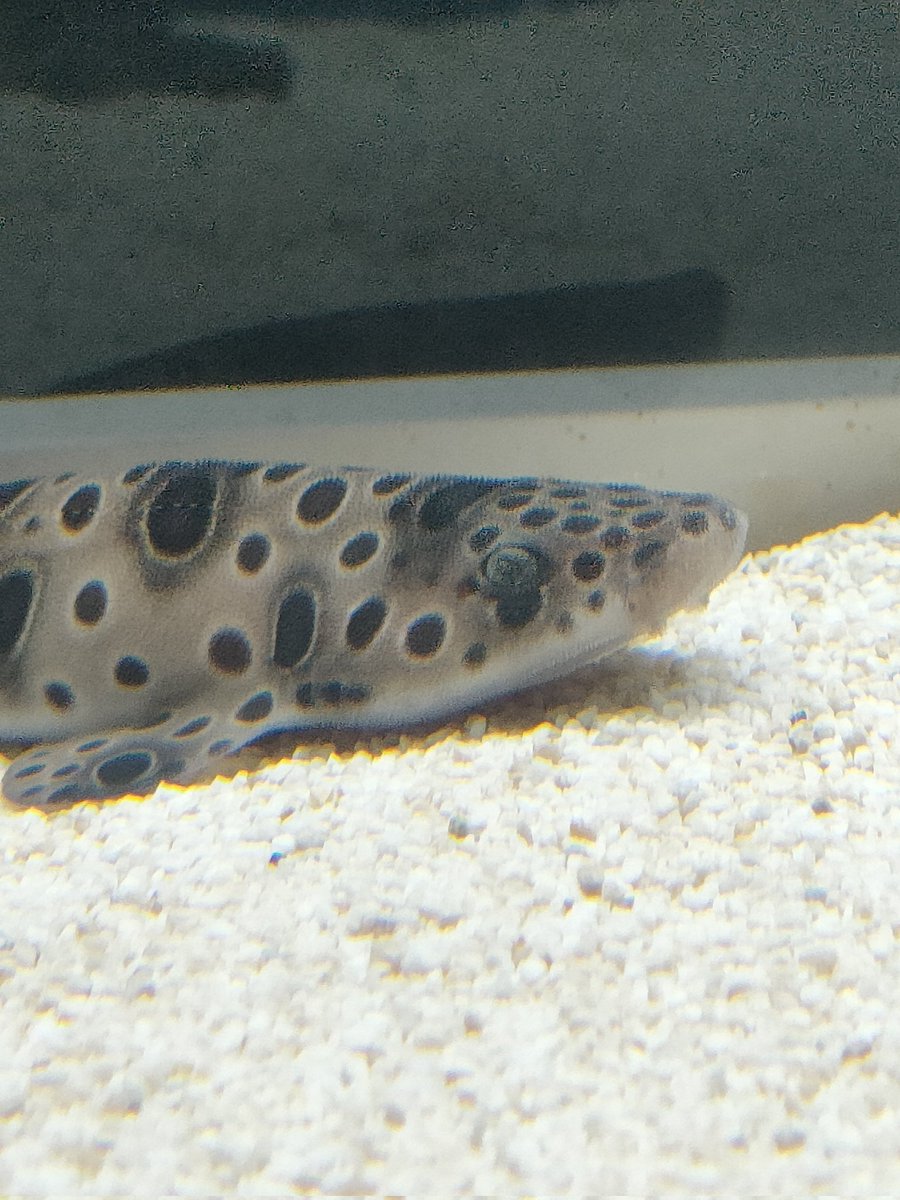
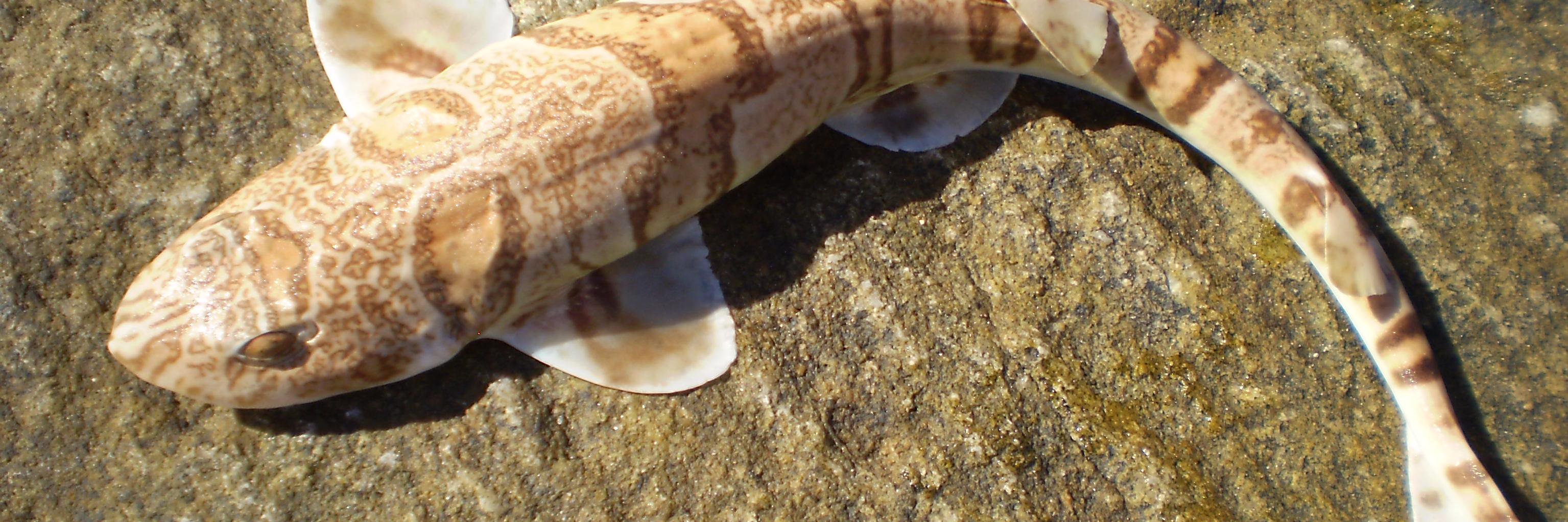
The newest described species of shark: Hemiscyllium dudgeonae, the kadedekedewa! Described this year, this shark is found only in Papua New Guinea, and is part of the genus that includes the walking sharks like the epaulette shark!
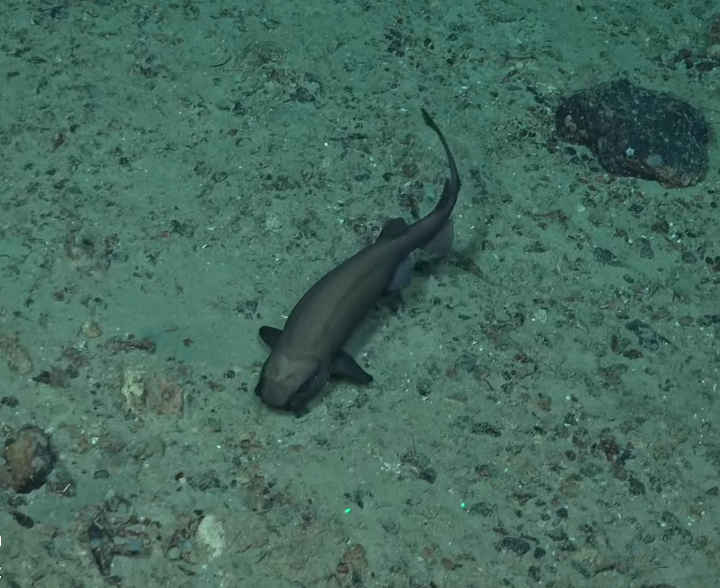
El tiburón gato moteado, Scyliorhinus haeckelii, es una especie común de tiburón en aguas uruguayas, según el Dr. David Ebert. Sospecha que los peces estaban interesados en un parásito que colgaba del tiburón gato. Filmado a 227 m durante #UruguaySUB200
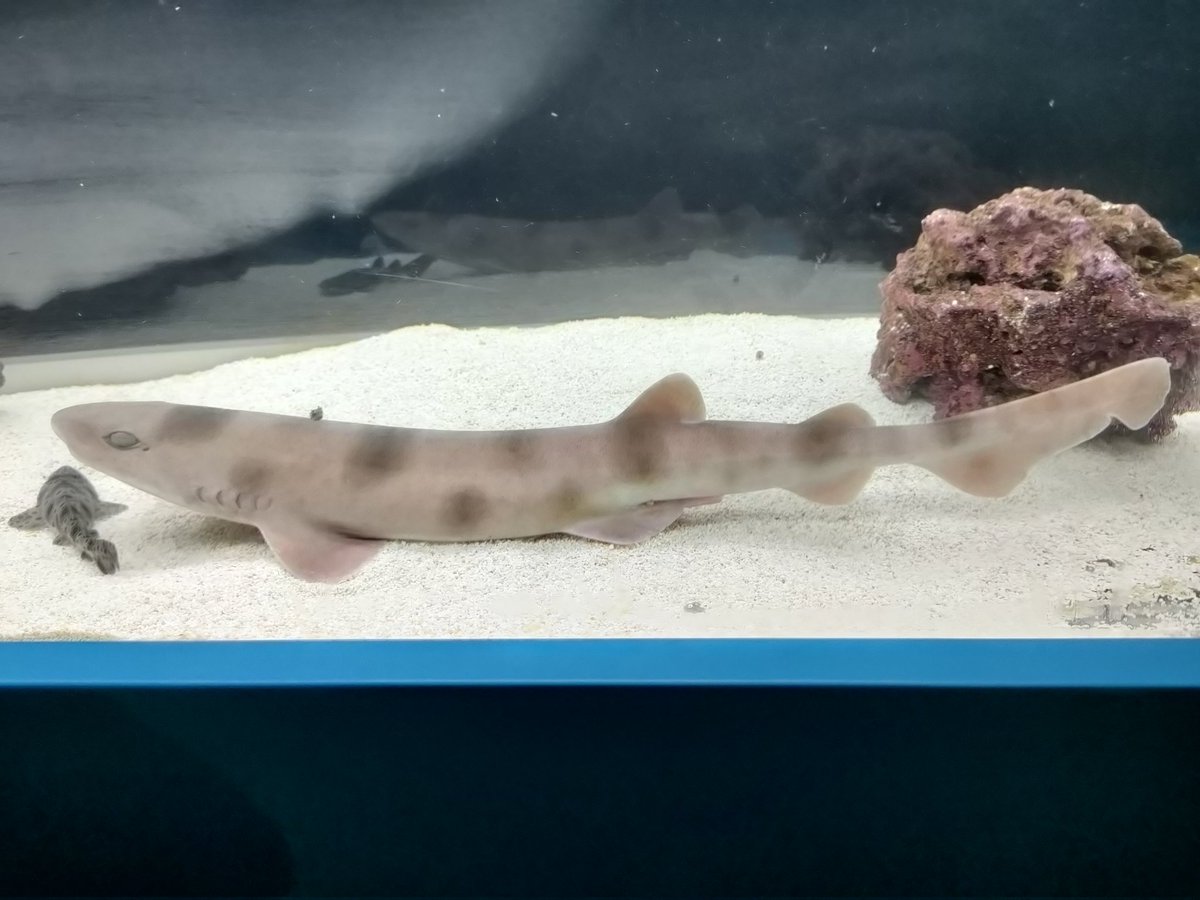
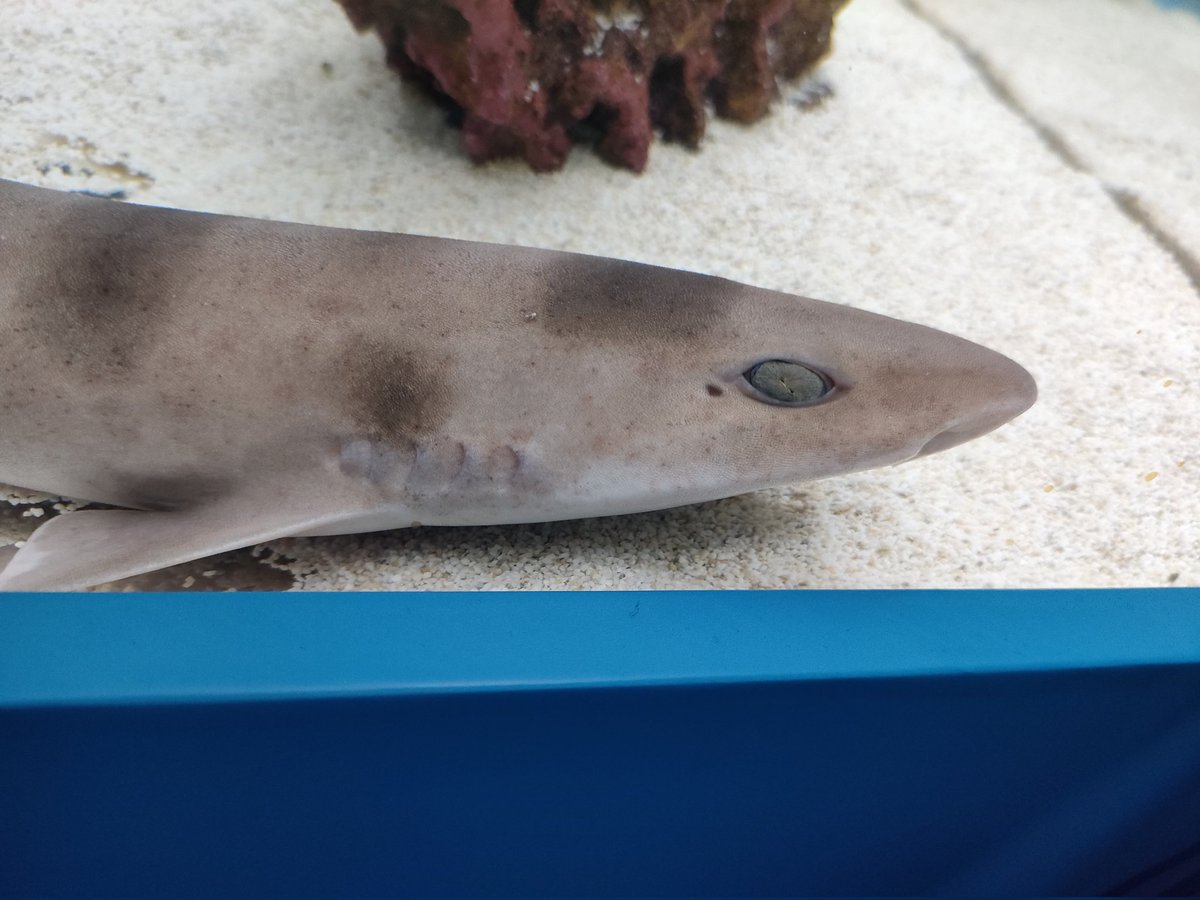
A so-fish-ticated catshark, of the freckled variety!
Scyliorhinus haeckelii are common fr Bahia Brazil to northern Argentina. Freckled catshark live along the continental shelf as deep as 400 m. Filmed at 202 m, offshore of Uruguay and the Rio del Plata during #AsgardArchaea.