Research Fellow @Kings_College @Cambridge_Uni on @KingsSilkRoads programme. Syriac Christianity, Central Asia, Islamic History, Mongol Empire, Global History.
A new piece by me for
@seenunseenmag
about the long history of Christians living under non-Christian rule, and why it’s worth reflecting on amidst western anxieties about our Christian inheritance.
https://t.co/RCT3TEAFeC
State Documents from the Medieval Islamicate World.
Edited by Nadia Vidro, Arezou Azad, and Marina Rustow. Edinburgh: Edinburgh University Press (forthcoming: scheduled 2027)
https://t.co/6ymxRKwvRk
the French crusader barons in Constantinople were perfectly ignorant of the Nubian kingdoms,
but the Christian Nubian King they encountered at the court of the Byzatnie emperor in 1203 very likely knew about France and Spain (Castile)
https://t.co/d2fLkKlRlw
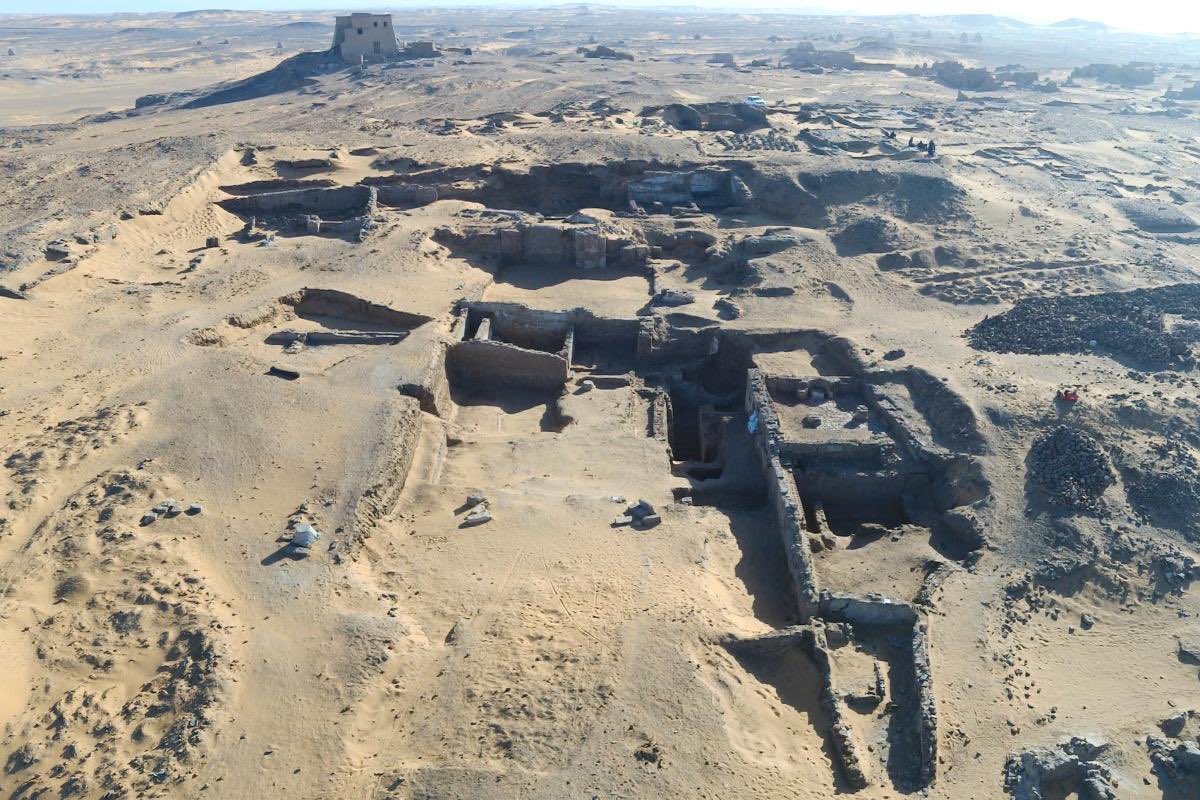
I didn’t realise the site was so close to the throne hall of Dongola. The throne hall is a large structure in itself so this really gives you a scale of just how large this cathedral was.
Archaeologists reach the original floor of Nubia’s largest cathedral in Sudan
“Obłuski notes the church was bigger than the White House in Washington, D.C., and says the team plans to dig out the whole thing.”
https://t.co/Xj0krpaNnF
Archaeologists reach the original floor of Nubia’s largest cathedral in Sudan
A Sudanese-Polish team digging at Old Dongola in Sudan has uncovered new sections of the Great Church of Jesus, the largest and richest church in medieval Nubia...
More info: https://t.co/OtNatEmZnI
“Therefore this is what the Lord says concerning the king of Assyria: He will not enter this city or shoot an arrow here. He will not come before it with shield or build a siege ramp against it.”
Isaiah 37:33
Absolutely spectacular opening page of an Ayyubid era Coptic Orthodox bi-lingual- Coptic and Arabic, side by side- Gospel book, made c. 1204. Just an incredible piece of workmanship (Biblioteca apostolica vaticana, Vat. copt. 9, fol. 1r)
Join us this Friday, the 13th for Dr Makar Tereshin from @uniofeastanglia for: 'Falling Back to Earth: The Production of Sovereign Space at the Baikonur Cosmodrome'.
2pm @Kings_College (in person only). All very welcome!
For more information: https://t.co/Lm18TmDRd2
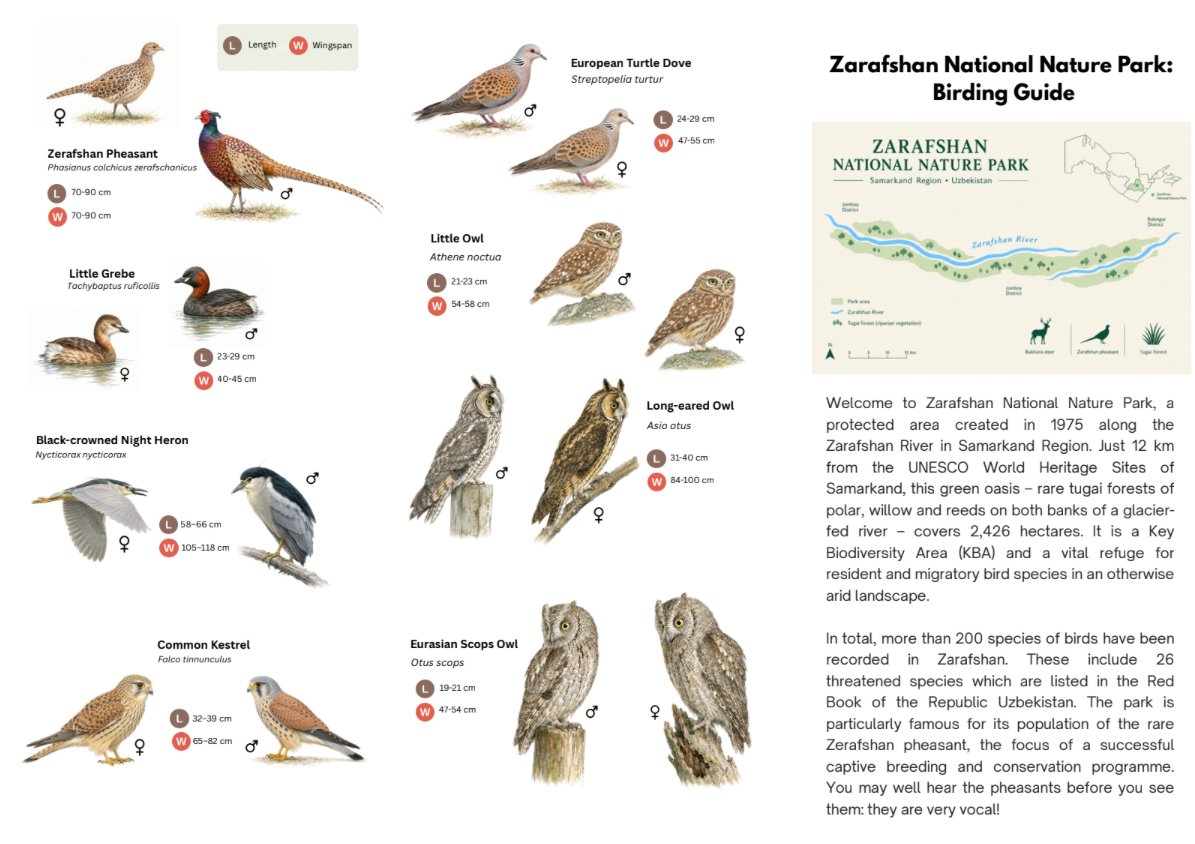
Have you visited Zarafshan National Nature Park near Samarkand? My @maximum_pr colleagues have produced an illustrated bird guide to help you identify some of the 200+ bird species in the park. Thanks to @ecogov_uz for the support. Download it here:
https://t.co/AcmCGl4fgY
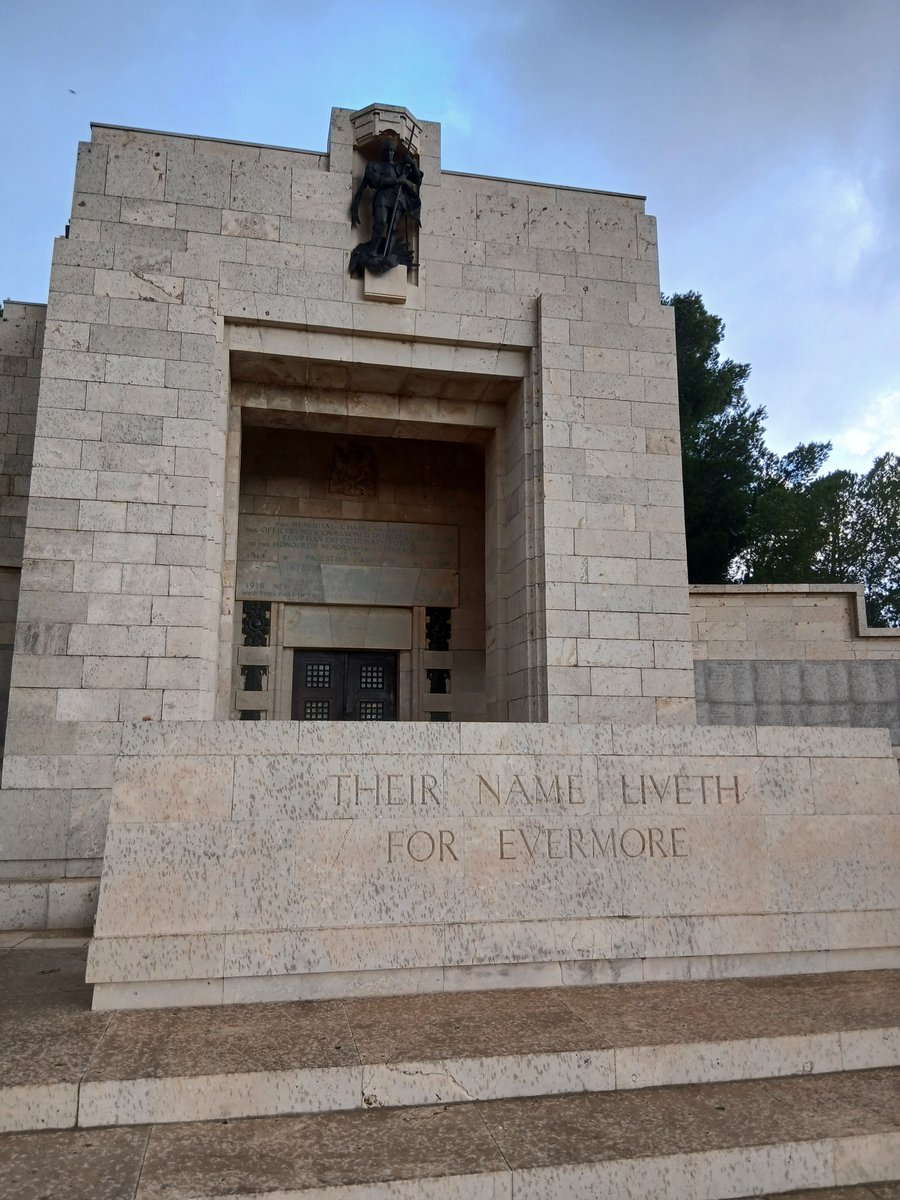
British weather at the Jerusalem War Cemetery this Remembrance Sunday. It commemorates the British, Australian, NZ, South African, Indian, and Canadian men who died fighting the Ottomans during the Great War. General Allenby undertook the first combined use of land, sea, and air.
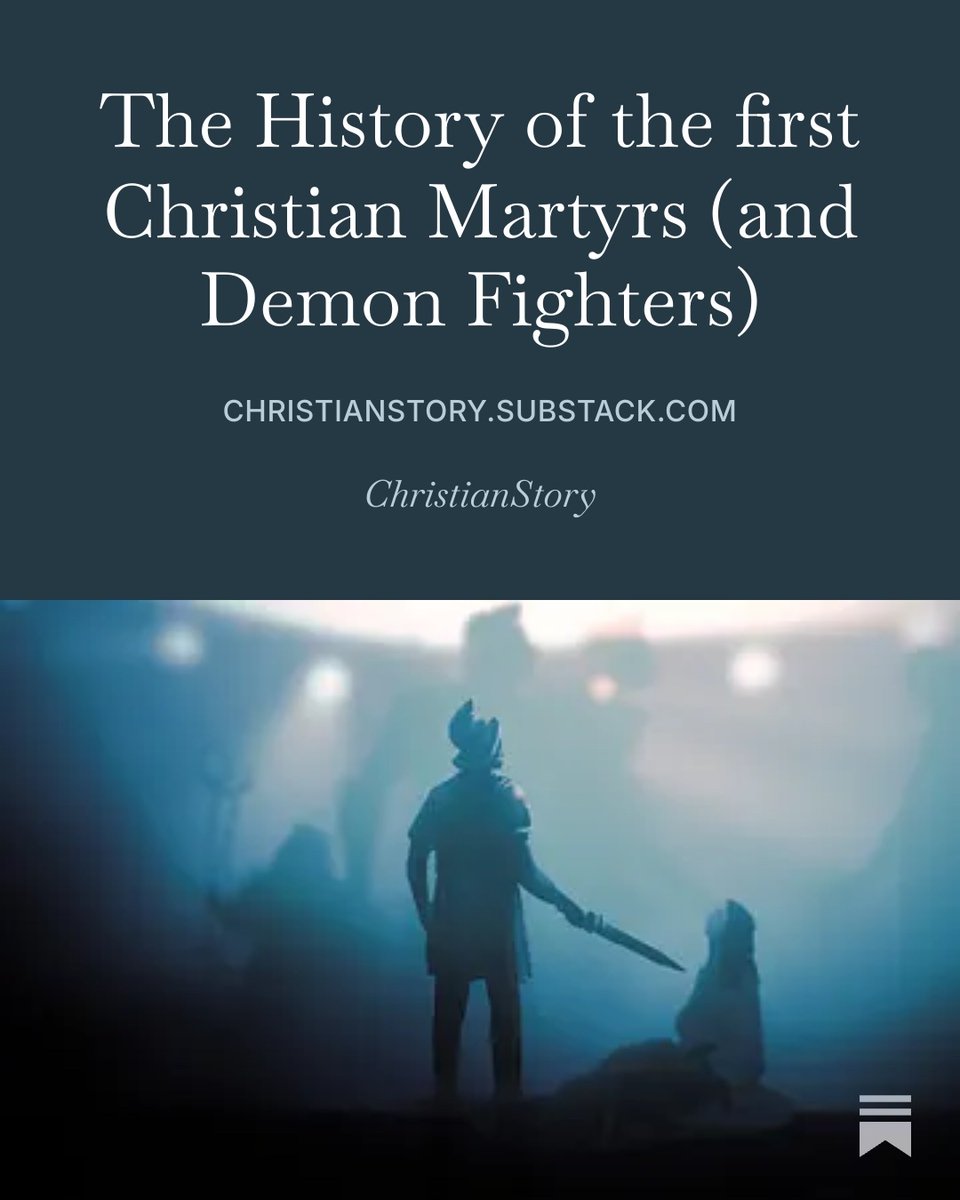
I’ve written for ChristianStory project about Perpetua and the first Christian martyrs - Who were they? How did they understand what they went through? Why did their stories become so popular? https://t.co/Lwa992I5zQ
The miniatures are lively illustrations of the text and exude a certain drama. Most striking is the sheer variety of dress codes, colour and pattern, for both female and male protagonists. Even though the copies date from a time just before the Abbasid caliphate came to an end in Baghdad, it seems that they reflect a varied and complex society that had retained many of its traits from earlier times, as described in ninth- and tenth-century texts such as those of Abu al-Tayyib Muhammad al-Washsha mentioned earlier. The exuberance of the various shirts, cloaks and shawls is especially noticeable; they are worn with a variety of headdresses, such as turbans with long sashes. Also, the differentiation of social and ethnic groups is expressed prominently by clothing. The costume of government officials or members of the religious elite stands out as being more layered and complex. Golden bands decorate borders and sleeves, perhaps a reference to inscribed tiraz bands. Certainly, these illustrations are a reference to the function of such bands as emblems of status. There is also a very clear notion of 'Arabness' among the urban middle class in these paintings, despite the fact that Baghdad had been effectively subdued by Iranian and Turkic governments for a good 150 years. The weight here is on the types of dress that look back to earlier periods when the Abbasids were at their zenith, rather than the foreign fashions favoured by the Buyid or Seljuq elite.
•Textiles of the Early Islamic Caliphates
#NewPublication
Beyond the Silk Road
A New Economic History of the Ancient World from Eurasia to Africa
Sitta von Reden, Princeton University Press, 2027
Preview, Front Matter, Introduction ⬇️
https://t.co/JBj2OyPUyo
https://t.co/hKwYzh2ubL