Activity Idea: Connecting School and Home with Math
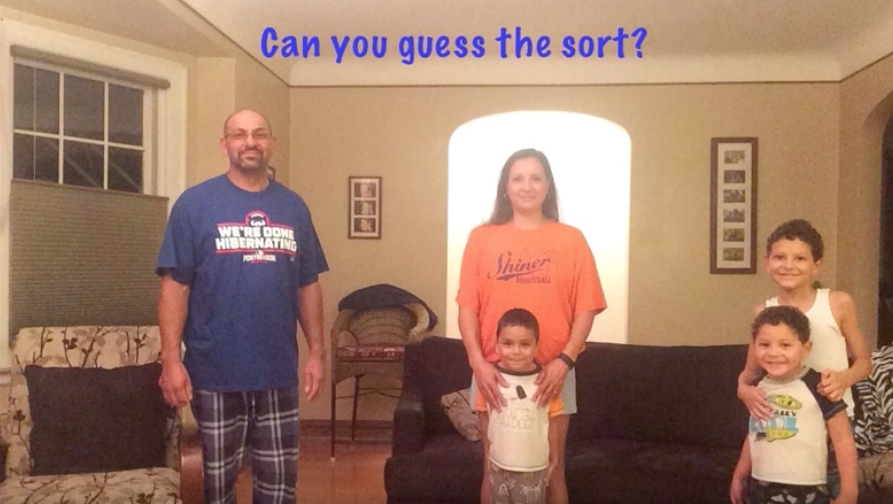
All members of a household have things in common & things that set them apart. Exploring important ways that loved ones go together and what makes them unique involves both mathematical thinking & FUN.
https://t.co/lHACHHSoI9
Join us virtually on May 17 and 18 for two days of engaging speakers and facilitated events! We will dive deeply into problems of systemic racism and the ways they injure our youngest math learners.
Promising Math: Racial Justice in Early Math
https://t.co/ldwQq33MUp
Sets are basic to children’s thinking & learning. They are also basic to our number system. We often fail to appreciate how much of young children’s lives—and their play—involves thinking about & working with sets of things.
Explore the Big Ideas of SETS:
https://t.co/fywuqh3EMS
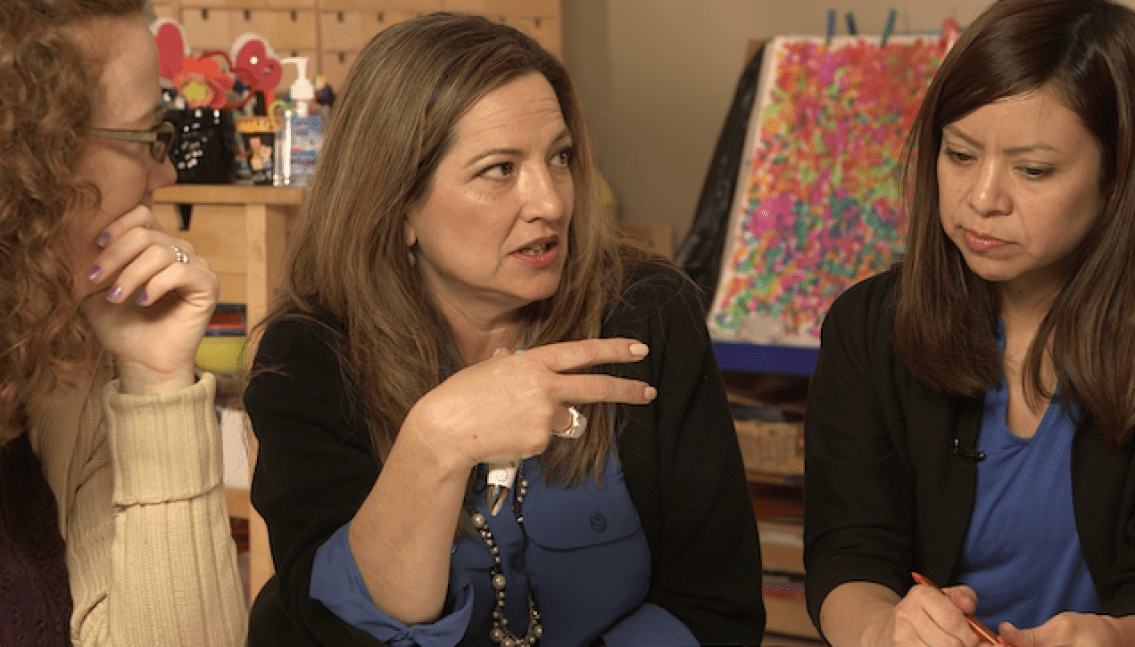
Instructional coaching is central to the Collaborative's professional development efforts. There is a lot to learn from what works and what doesn't...
4 Key Findings for Early Childhood Coaching Strategies with Teachers
https://t.co/VV1hTDmal1
Whether you have a machine at home or visit a laundromat, there is all kinds of math involved in doing laundry.
Let’s Wash that Math Right Into Laundry Day
https://t.co/oKSc82016D
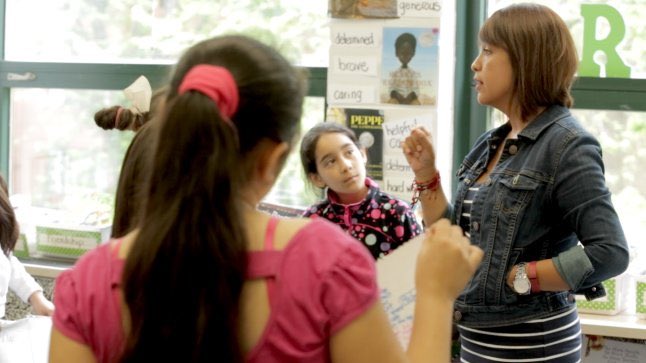
GALLERY WALK. What a wonderful way to have children collaborate and explain their math thinking to each other. Here is a teacher preparing her students, priming them for thinking!
https://t.co/EMQzZdM2o9
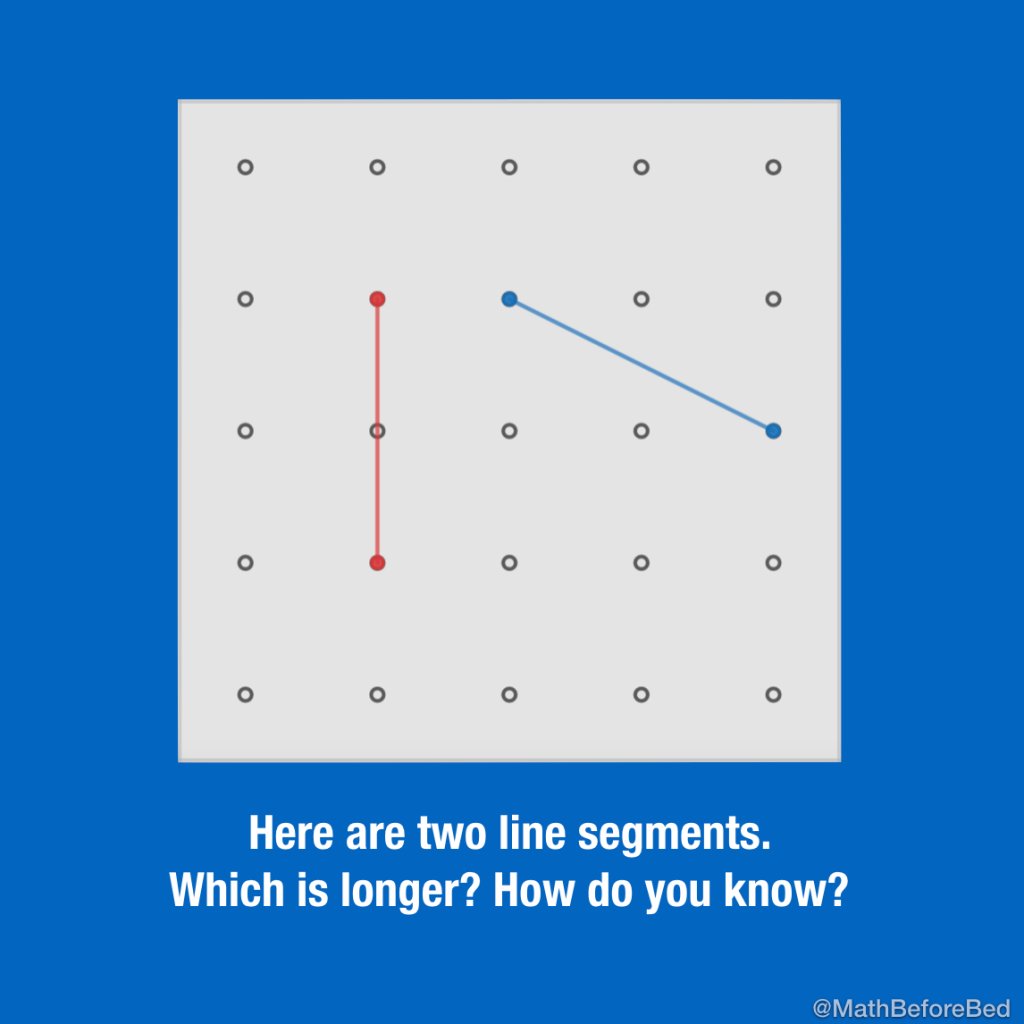
Bigness is often associated with the amount or size of a good thing that is being shared with kids... But those are two different types of “big,” right?
What’s So “Big” about Measurement Concepts for Young Children?
https://t.co/dCwH0QE9TI
This blog post provides some great ideas for first grade "Number Talk" sessions. These 10-15 minute activities can be centered around the rekenrek or dot cards and are designed to reinforce students’ understanding of number and quantity.
https://t.co/e85bYVYQmV
#elemchat
Why Young Kids Learn Through Movement
Children acquire knowledge by acting and then reflecting on their experiences, but such opportunities are increasingly rare in school.
More: https://t.co/0B41IWJdbs
#edchat#elemchat
Just as number sense develops when children are clear that something is being counted, the ability to make sense of number operations depends on the foundational understanding that EVERY OPERATION TELLS A STORY.
More: https://t.co/rCmr93EQHF
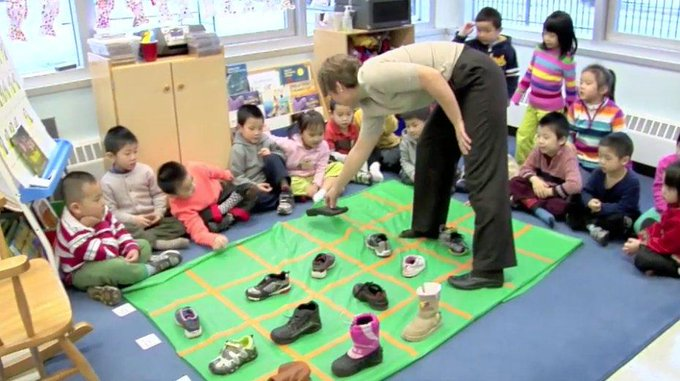
Making a real graph and then a pictorial one helps children to understand what graphs represent.
Check out the Shoe Graph activity:
https://t.co/MJoQyNogJc
"If we care about addressing the achievement gap and giving all children a fair chance to succeed in school, we need to begin early," writes @StanfordEd DREME's Deborah Stipek in 'The Other Evidence on Free Pre-K' via @WSJOpinion https://t.co/6JvFiRRHg3
"As a boy in a kindergarten class I was observing said to his classmate, 'Don’t steal her struggle!'"
Spatial Relationships on the Playful Invite blog:
https://t.co/n5MqpOUswl