Our paper finally out in Nature!!!
@Nature
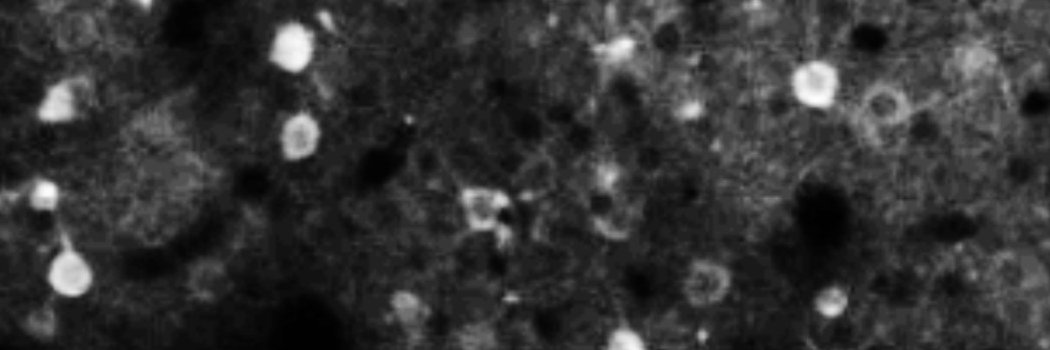
We found that dopamine facilitates associative memory encoding of fan cells in the lateral entorhinal cortex.
5yr-work by @jasonyensunlee, @jun_heechul, Shogo Soma & Tom Nakazono!
https://t.co/RYGTYexYpa
👽 While it looks alien, this cluster of spore-bearing sporangia called sorus can be found on the underside of a fern frond, in this case, a tiny polypody fern, Polypodium virginianum. Captured and stained by Janelian Igor Siwanowicz.
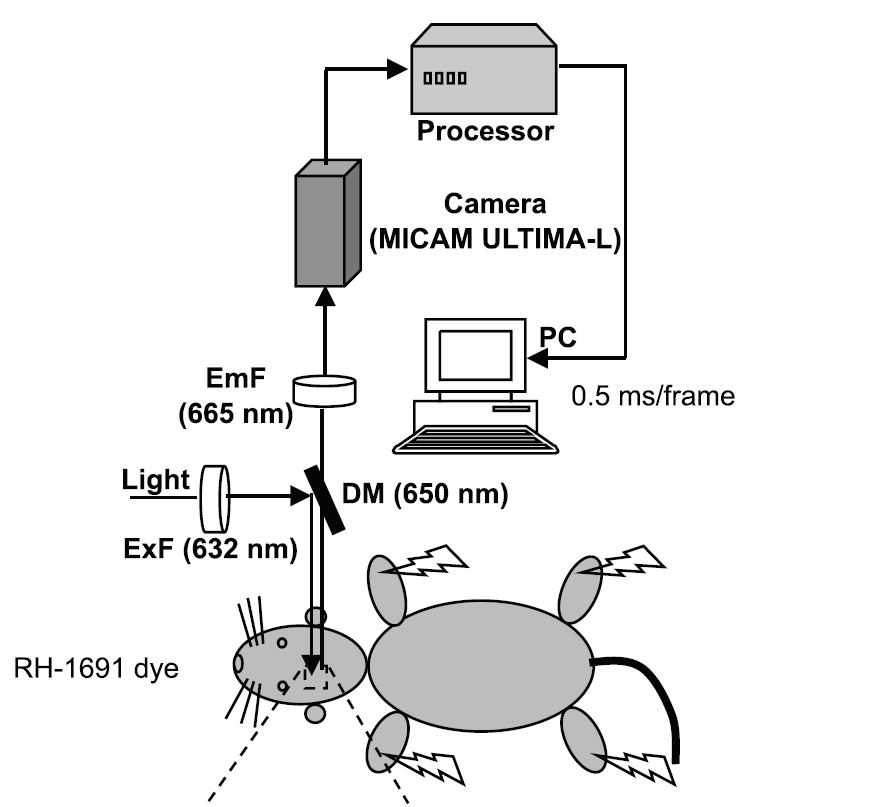
Lots of scientists are amazing artists. But this thread isn't about them. It's about the rest of us, who are just trying to get through our methods figure so we can get back to showing you graphs.
First, a rat made entirely out of ovals:
(Morales-Botello et al., 2012)
(1/x)
These CNC machine products are impressive.
The products of Beijing Jingdiao Group are so precisely engineered that you can’t find a fitting gap.
RT via @gigadgets_
Great lectures & discussions accompanied by lab visits presenting the breadth of #neuroscience- that was @BIGSNeuroscien1#SummerSchool. Thanks to all speakers & labs for their support & @DZNE_de Bonn for hosting us! To the awesome #PhD students for joining! @UniBonn @caesarbonn
From the Verkhusha lab: A review of optogenetic tools for manipulating endogenous targets such as genes and signaling pathways in a physiological range.
https://t.co/yhwG1WYCdi
A paper in Nature describes an untethered, self-powered, soft robot developed for deep-sea exploration. In trials, the robot was found to operate successfully in the depths of the Mariana Trench, and could swim freely up to 3,224 metres below the surface. https://t.co/IGugobd5xV
A new method allows researchers to analyse the dynamics of immunological synapses while avoiding the limitations of fluorescence microscopy. The approach combines deep learning algorithms and a 3D imaging technique called optical diffraction tomography https://t.co/nUZzyOJ2Uz
A study in mice identified a specialized type of bone-cell progenitor in the bone marrow, which supports the generation of immune cells in response to movement. https://t.co/HpMv8TWhk1
One of history’s most influential thought experiments involves a radioactive zombie cat, letters to Albert Einstein, and multiple Nobel Prizes...
It's time for a thread on Schrödinger’s Cat👇👇👇
We asked Konstantina Kilteni what happens in the brain when we are tickled and why we can’t give ourselves the same giggles when we try tickling ourselves. @kkilteni_neuro
https://t.co/GDFqMK3sXX
An honour to be part of this great panel with many talented scientists discussing diversity issues in "What are the main barriers to succeed in brain sciences in Latin América?"
Dont miss it! ☺️👇🏽
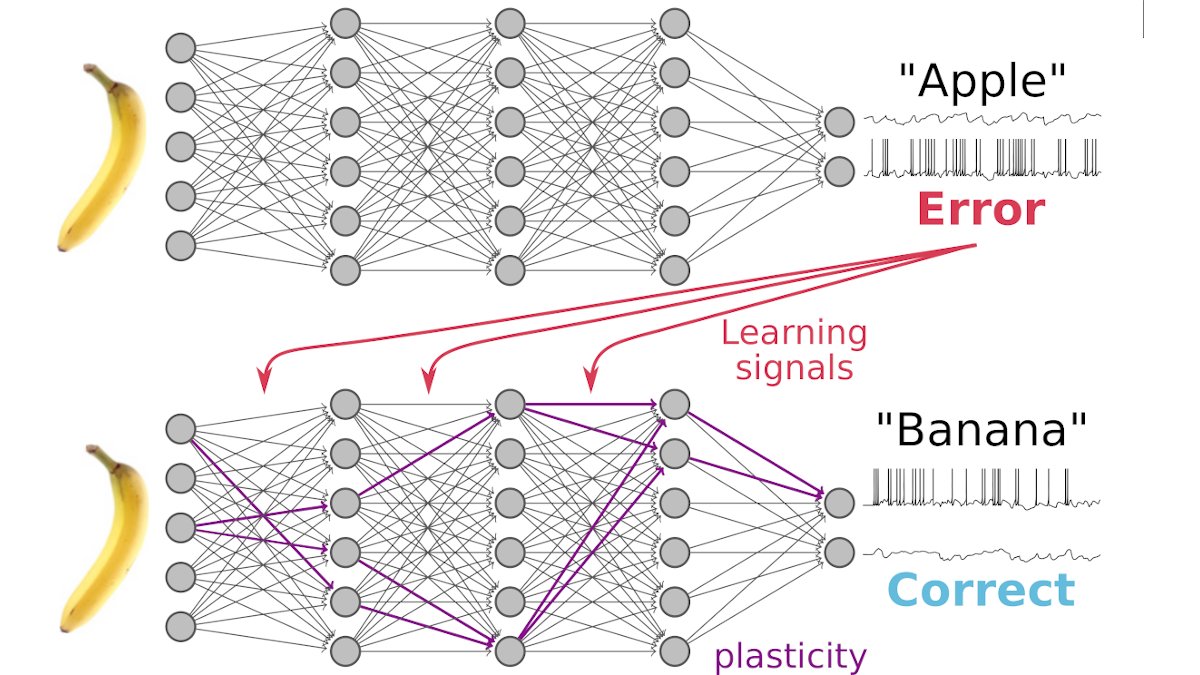
Happy to share this report summarizing the key contributions, discussion outcomes, and future research directions as presented at the spiking neural networks as universal function approximators meeting SNUFA2020. Paper: https://t.co/91S2nIw5dm
with @neuralreckoning and others.
We've done over one thousand interviews since @five_books first started in 2009. But which books get mentioned again and again? Here's our list of most recommended books: https://t.co/svN6ZoTkzF
Tomorrow, I will be releasing a new version of the #ImageJ ActionBar plugin in which bars can stick to the ImageJ main window, together with a convenient "channels bar" to easily change display mode and channel visibility. See how it works below.
Don’t miss this meeting! I am really excited to discuss the neurobiological mechanisms underlying social behaviors in females in our symposium entitled “From sex to rage: understanding the female brain”, together with @TheNeumannLab, @LimaLab3 , @veenemalab and @SilvaNeuroendo