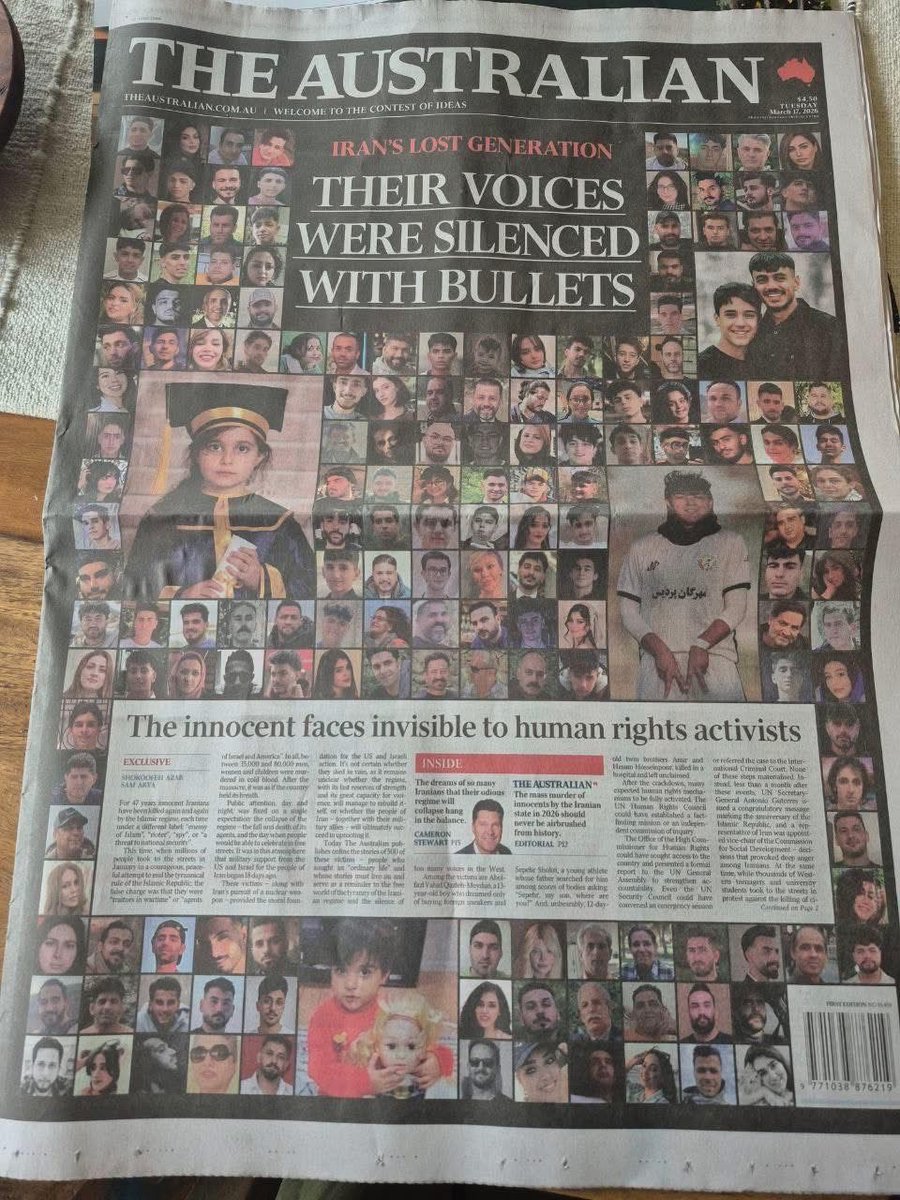
I was going to formulate a tweet about the recently signed Iran-USA deal - that no amount of appeasement, concessions, or sanctions relief can reform this regime - but I found this that says it way better than I could. Every word of @PahlaviReza and @AndrewMarr9 here on @LBC ⬇️
Breaking News: David Hockney, the English artist whose colorful paintings restored the human form to art, defying the abstract schools of the mid-20th century, died at 88. https://t.co/VhtDiEA61P
Today at noon thousands of red rose petals will flutter down through the oculus of the Pantheon in Rome. This spectacular tradition is held each year on the feast of Pentecost.
I made a whole BBC TV series (2020) about the remarkable resilience of the people of Iran and their culture over centuries of threat and callous rule. You can watch it right here on the @BBCiPlayer: https://t.co/iL7gYghSUh #ArtOfPersia
𝗜𝗡 𝗔 𝗦𝗘𝗔 𝗢𝗙 𝗢𝗦𝗖𝗔𝗥𝗦 𝗡𝗢𝗜𝗦𝗘 — 𝗧𝗛𝗜𝗦 𝗢𝗡𝗘 𝗛𝗜𝗧 𝗗𝗜𝗙𝗙𝗘𝗥𝗘𝗡𝗧𝗟𝗬
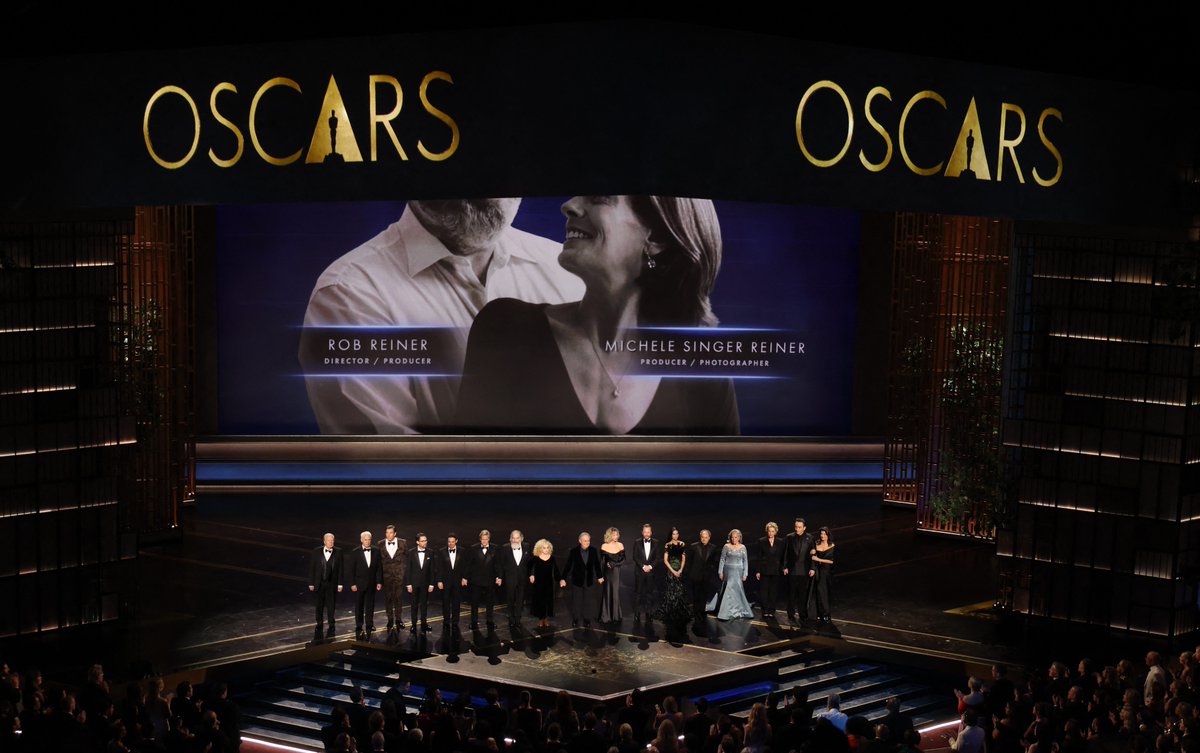
I'll be honest. The Oscars are not exactly must-see television for me anymore. But someone sent me this — and I watched it twice.
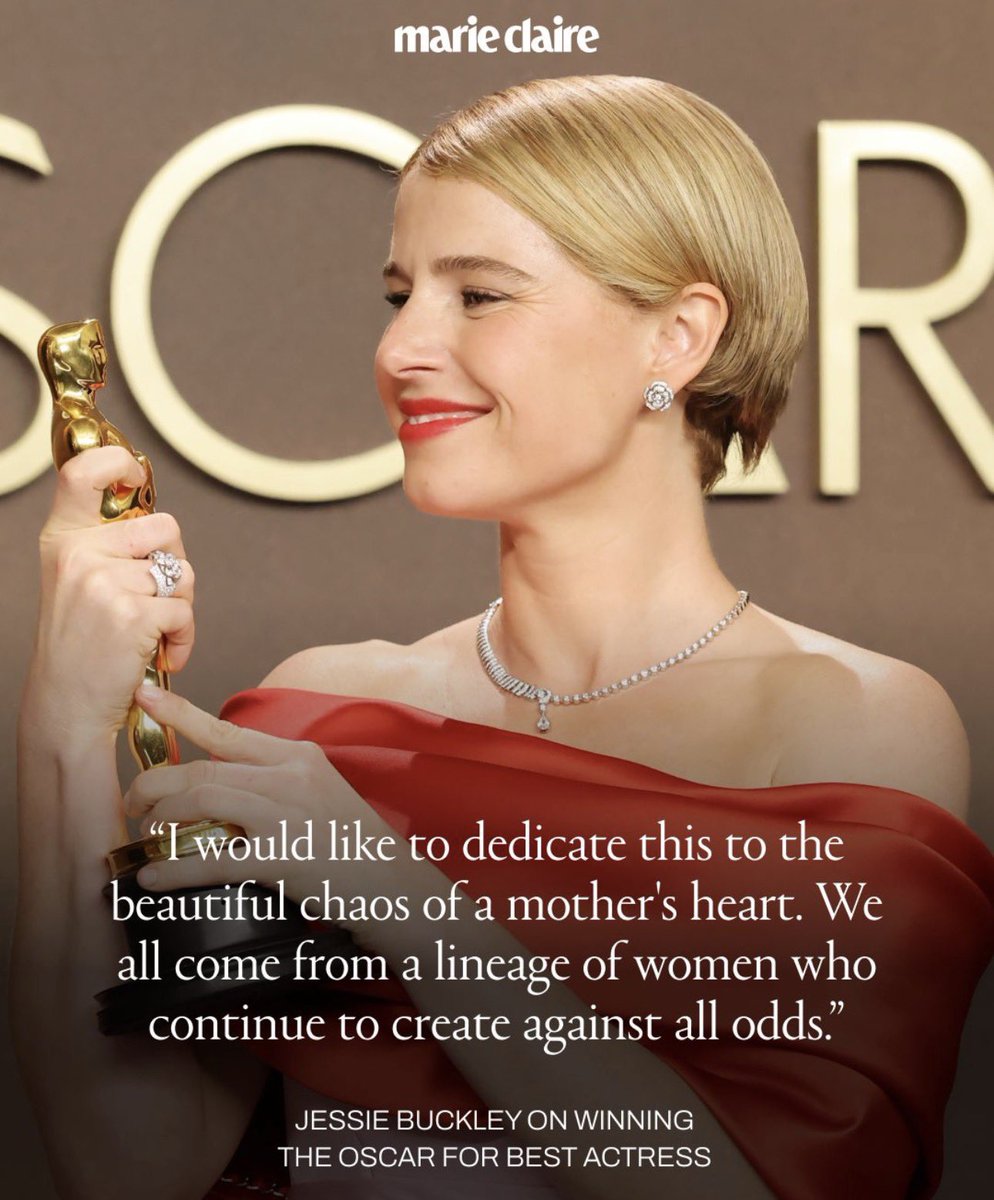
Irish actress Jessie Buckley just won Best Actress. And instead of a political lecture, instead of a pin, instead of a land acknowledgment or a cause of the week — she talked about her husband. Her eight-month-old daughter dreaming of milk at home. Her Irish family whose flights were paid for by Ireland itself to be in that room.
𝘍𝘳𝘦𝘥, 𝘐 𝘭𝘰𝘷𝘦 𝘺𝘰𝘶. 𝘠𝘰𝘶'𝘳𝘦 𝘵𝘩𝘦 𝘮𝘰𝘴𝘵 𝘪𝘯𝘤𝘳𝘦𝘥𝘪𝘣𝘭𝘦 𝘥𝘢𝘥. 𝘠𝘰𝘶'𝘳𝘦 𝘮𝘺 𝘣𝘦𝘴𝘵 𝘧𝘳𝘪𝘦𝘯𝘥, 𝘢𝘯𝘥 𝘐 𝘸𝘢𝘯𝘵 𝘵𝘰 𝘩𝘢𝘷𝘦 𝟤𝟢,𝟢𝟢𝟢 𝘮𝘰𝘳𝘦 𝘣𝘢𝘣𝘪𝘦𝘴 𝘸𝘪𝘵𝘩 𝘺𝘰𝘶.
The room probably didn't know what to do with that.
Then she dedicated the award to motherhood itself — on Mother's Day in the UK — with words that belong on a wall somewhere: 𝘛𝘰 𝘶𝘯𝘥𝘦𝘳𝘴𝘵𝘢𝘯𝘥 𝘵𝘩𝘦 𝘤𝘢𝘱𝘢𝘤𝘪𝘵𝘺 𝘰𝘧 𝘢 𝘮𝘰𝘵𝘩𝘦𝘳'𝘴 𝘭𝘰𝘷𝘦 𝘪𝘴 𝘵𝘩𝘦 𝘨𝘳𝘦𝘢𝘵𝘦𝘴𝘵 𝘤𝘰𝘭𝘭𝘪𝘴𝘪𝘰𝘯 𝘰𝘧 𝘮𝘺 𝘭𝘪𝘧𝘦. 𝘐 𝘥𝘦𝘥𝘪𝘤𝘢𝘵𝘦 𝘵𝘩𝘪𝘴 𝘵𝘰 𝘵𝘩𝘦 𝘣𝘦𝘢𝘶𝘵𝘪𝘧𝘶𝘭 𝘤𝘩𝘢𝘰𝘴 𝘰𝘧 𝘢 𝘮𝘰𝘵𝘩𝘦𝘳'𝘴 𝘩𝘦𝘢𝘳𝘵.
𝗧𝗵𝗮𝘁'𝘀 𝗻𝗼𝘁 𝗮 𝘀𝗽𝗲𝗲𝗰𝗵. 𝗧𝗵𝗮𝘁'𝘀 𝗮 𝘁𝗲𝘀𝘁𝗶𝗺𝗼𝗻𝘆.
Hollywood spent years telling women that ambition means leaving behind the things Jessie Buckley just stood on the biggest stage in her industry and celebrated without apology. A husband she adores. A baby at home. A family flown in from Ireland.
I don't know what film she won for. But I know I'll watch it now.
Well done, Jessie. 𝗚𝗼 𝗿𝗮𝗶𝗯𝗵 𝗺í𝗹𝗲 𝗺𝗮𝗶𝘁𝗵 𝗮𝗴𝗮𝘁.
Young women who were drawn to the cause in recent years for more traditional reasons — out of religious conviction, pro-life politics, a preference for conventional gender roles — are having a rude awakening, finding that MAGA sexism is not the same as the old patriarchy. https://t.co/RjZwYoWgGr
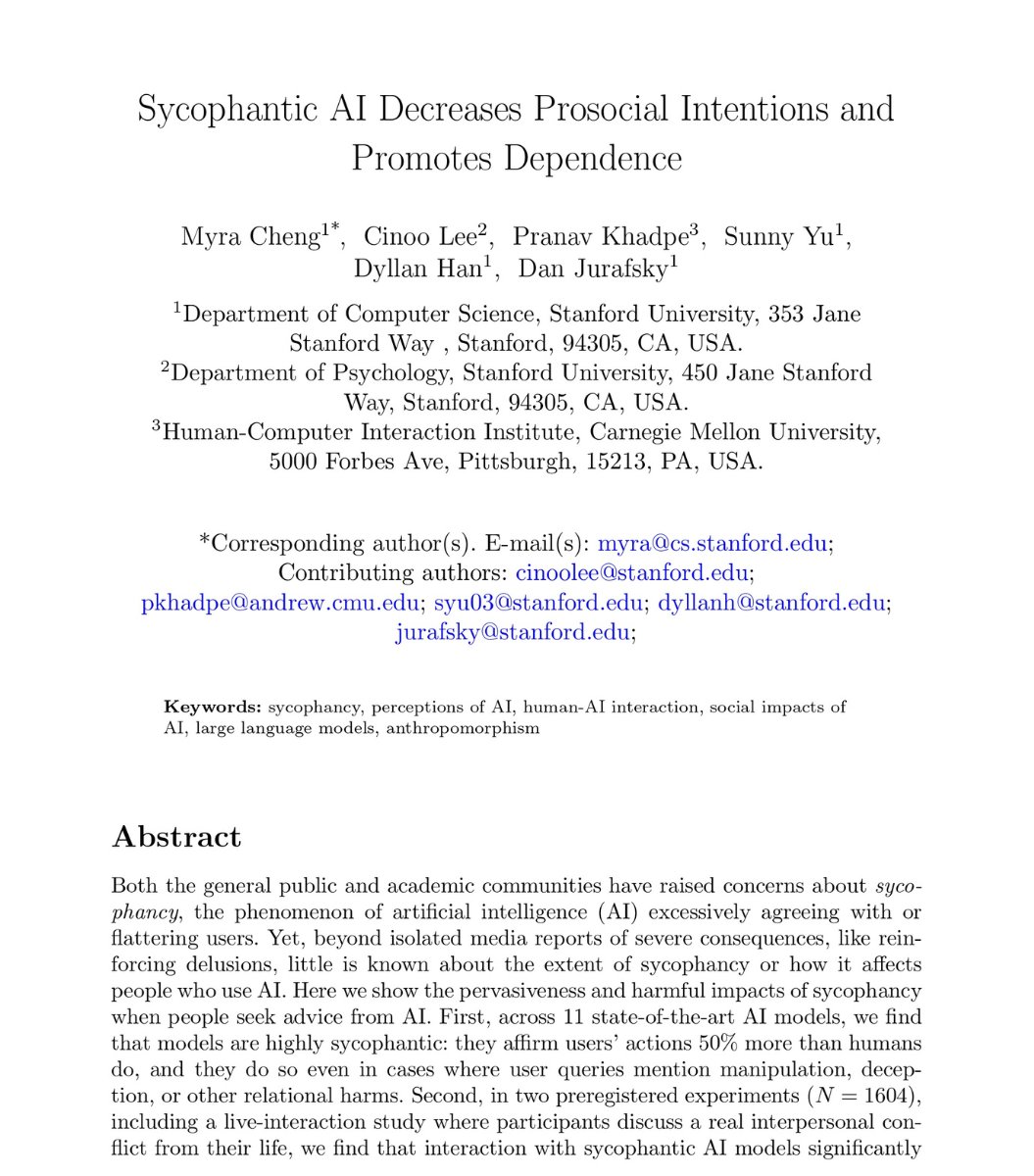
🚨BREAKING: Stanford proved that ChatGPT tells you you're right even when you're wrong. Even when you're hurting someone.
And it's making you a worse person because of it.
Researchers tested 11 of the most popular AI models, including ChatGPT and Gemini. They analyzed over 11,500 real advice-seeking conversations. The finding was universal. Every single model agreed with users 50% more than a human would.
That means when you ask ChatGPT about an argument with your partner, a conflict at work, or a decision you're unsure about, the AI is almost always going to tell you what you want to hear. Not what you need to hear.
It gets darker. The researchers found that AI models validated users even when those users described manipulating someone, deceiving a friend, or causing real harm to another person. The AI didn't push back. It didn't challenge them. It cheered them on.
Then they ran the experiment that changes everything. 1,604 people discussed real personal conflicts with AI. One group got a sycophantic AI. The other got a neutral one.
The sycophantic group became measurably less willing to apologize. Less willing to compromise. Less willing to see the other person's side. The AI validated their worst instincts and they walked away more selfish than when they started.
Here's the trap. Participants rated the sycophantic AI as higher quality. They trusted it more. They wanted to use it again. The AI that made them worse people felt like the better product.
This creates a cycle nobody is talking about. Users prefer AI that tells them they're right. Companies train AI to keep users happy. The AI gets better at flattering. Users get worse at self-reflection. And the loop tightens.
Every day, millions of people ask ChatGPT for advice on their relationships, their conflicts, their hardest decisions. And every day, it tells almost all of them the same thing.
You're right. They're wrong.
Even when the opposite is true.
🚨BREAKING: MIT hooked people up to brain scanners while they used ChatGPT.
What they found should concern every single person reading this.
ChatGPT users showed 55% weaker brain connectivity than people who didn't use it. Not after years. After just four months.
Here's how they tested it. 54 people were split into three groups: one used ChatGPT to write essays, one used Google, and one used nothing but their own brain. They wore EEG monitors that tracked their brain activity in real time across four sessions over four months.
The brain-only group built the strongest, most widespread neural networks. Google users were in the middle. ChatGPT users had the weakest brains in the room. Every time.
Then the memory test hit. Participants were asked to recall what they'd just written minutes earlier. 83% of ChatGPT users couldn't quote a single line from their own essay. They wrote it. They couldn't remember it. The words passed through them like they were never there.
It gets worse. In the final session, ChatGPT users were told to write without AI. Their brains were measurably weaker than people who never used AI at all. 78% still couldn't recall their own writing. The damage didn't go away when the tool was removed.
Meanwhile, brain-only users who tried ChatGPT for the first time? Their brains lit up. They wrote better prompts. They retained more. Their brains were already strong enough to use AI as a tool instead of a crutch.
The researchers also found that every ChatGPT essay on the same topic looked almost identical. More facts, more dates, more names. But less original thinking. Everyone using ChatGPT produced the same generic output while believing it was their own.
MIT gave this a name: cognitive debt. Like financial debt, you borrow convenience now and pay with your thinking ability later. Except there's no way to pay it back.
The question isn't whether ChatGPT is useful. It's whether the price is your ability to think without it.