𝗪𝗵𝗮𝘁 𝗔𝗰𝘁𝘂𝗮𝗹𝗹𝘆 𝗛𝗮𝗽𝗽𝗲𝗻𝘀 𝗔𝗳𝘁𝗲𝗿 𝗬𝗼𝘂 𝗕𝘂𝗿𝗻 $MARS ?
Most people see a burn transaction I see the beginning of a much larger mechanism
I spent time breaking down the architecture behind @MarsChainDAO not just the surface-level “Burn to Mine” concept, but how the different mechanisms connect together
Here’s the system from the ground up ⇩
➊ 𝗣𝗿𝗼𝗼𝗳 𝗼𝗳 𝗖𝗼𝗻𝘁𝗿𝗶𝗯𝘂𝘁𝗶𝗼𝗻 — 𝗣𝗼𝗖
MarsChain is built around Proof of Contribution
Instead of physical computing hardware being the core input, the protocol uses an irreversible MARS burn as the contribution mechanism
The burned amount is processed through the protocol’s conversion mechanism to establish Contribution Rate
In simplified form:
Hᵢ(t) = Bᵢ × r(t)
Where the burned amount and the protocol conversion ratio determine the resulting Contribution Rate
The important part is that this Contribution Rate becomes part of the network’s production and reward structure
Burn → Contribution → Contribution Rate
That is the foundation.
➋ 𝟭𝟴𝟴-𝗗𝗮𝘆 𝗖𝘆𝗰𝗹𝗲 & 𝗗𝘆𝗻𝗮𝗺𝗶𝗰 𝗖𝗮𝗹𝗶𝗯𝗿𝗮𝘁𝗶𝗼𝗻
One of the most interesting parts of MarsChain is that the conversion mechanism is designed to respond to changes in the network
As total network Contribution Rate changes, dynamic calibration adjusts the conversion relationship
MarsChain also uses an 188-day figure as a theoretical benchmark under idealized conditions
That distinction matters:
188 days ≠ guaranteed ROI
It is a design/theoretical benchmark, while actual outcomes can vary with network conditions and other factors.
➌ 𝗠𝗶𝗻𝗶𝗻𝗴 & 𝗖𝗼𝗻𝘁𝗿𝗶𝗯𝘂𝘁𝗶𝗼𝗻 𝗥𝗮𝘁𝗲
Here’s where the terminology becomes important
MarsChain’s Contribution Rate should not simply be understood as the physical hashrate of a mining machine
The Whitepaper describes it as a protocol-defined production right connected to future block rewards
Rewards are allocated according to each participant’s share of the total network Contribution Rate
So the flow becomes:
Contribution Rate → Production Rights → Block Rewards
It creates a direct connection between protocol-defined contribution and network production.
➍ 𝟳𝟱% 𝗠𝗶𝗻𝗲𝗿𝘀 / 𝟮𝟱% 𝗩𝗮𝗹𝗶𝗱𝗮𝘁𝗼𝗿 𝗡𝗼𝗱𝗲𝘀
MarsChain’s tokenomics define a reward allocation structure of:
75% → Miners
25% → Validator Nodes
This separates the roles within the network’s production and validation structure
Rather than looking at mining as a single component, the system connects contribution, block production, mining rewards and validation into one broader architecture.
➎ 𝗡𝗙𝗧 𝗠𝗶𝗻𝗶𝗻𝗴 𝗔𝗰𝗰𝗲𝘀𝘀 & 𝗥𝗲𝘄𝗮𝗿𝗱 𝗦𝘆𝘀𝘁𝗲𝗺
MarsChain also introduces NFT-based miner identities
These NFTs are not presented simply as collectibles
They function as participation and identity credentials, connecting miners with personal mining pools and contribution relationships
That creates another layer around the ecosystem:
Miner Identity → Personal Mining Pool → Contribution → Network
So the NFT layer is connected to participation rather than existing purely as a digital collectible.
➏ 𝗥𝗲𝗳𝗲𝗿𝗿𝗮𝗹 & 𝗖𝗼𝗻𝘁𝗿𝗶𝗯𝘂𝘁𝗶𝗼𝗻 𝗠𝗲𝗰𝗵𝗮𝗻𝗶𝘀𝗺
The contribution structure also extends through referrals
When an invited participant completes the required protocol-defined burn, the referral structure can allocate additional Contribution Rate
The documented structure is:
Level 1 → 50%
Level 2 → 25%
Importantly, these percentages refer to the invitee’s additional Contribution Rate, not simply direct cash payments.
The invitee retains the Contribution Rate generated by their own burn, while the referral mechanism defines how additional Contribution Rate is allocated through the contribution relationship
(Thread🧵)
Abri pra ver o fechamento 😌
Fiquei no pavio 😵💫
Não sabia o nome. Aula da BrainTrade Academy que passa no vídeo.
https://t.co/WI9bkjBWDA
#BrainTradeMove1#Trading#TradingBrasil
@MarioNawfal@_openworld Tokenizing IP feels like one of those ideas that sounds obvious once someone actually does it. Curious how they verify the collateral on chain
Your social media should do more than fill your feed.
With the right strategy, every post can build awareness, create connections, and drive action.
✨ Make your social media work smarter.
Visit https://t.co/4HTNne7xjt
#SocialMediaStrategy#MySocialFollowing
Every since Sen. Bob Menendez got shut down for his Egyptian bribery scandal, I've been wondering who their next guy would be.
Seems we have all the answers we were looking for.
Reunião, celular na mesa 😌
Reunião, celular embaixo 😵💫
O prazo ficou pra depois. Aula da BrainTrade Academy, pra saber o que eu escondia na tela.
https://t.co/0bHmwLhomH
#BrainTradeMove1#Trading#Mercados
Uma checada antes de dormir 😌
Virou brilho na cara às 00h 🌙
Parei de adivinhar. BrainTrade Academy. No produto, bônus de 100% no depósito e posição protegida. Não era o motivo.
https://t.co/BKxseqp4Lb
#BrainTradeMove1#Investimentos#TradingBrasil
NEAR brought quantum-safe signing to mainnet. Now NEAR Intents brings post-quantum assets to users across 30+ chains.
With one 1Click integration, any app can offer Quantus ($QTC).
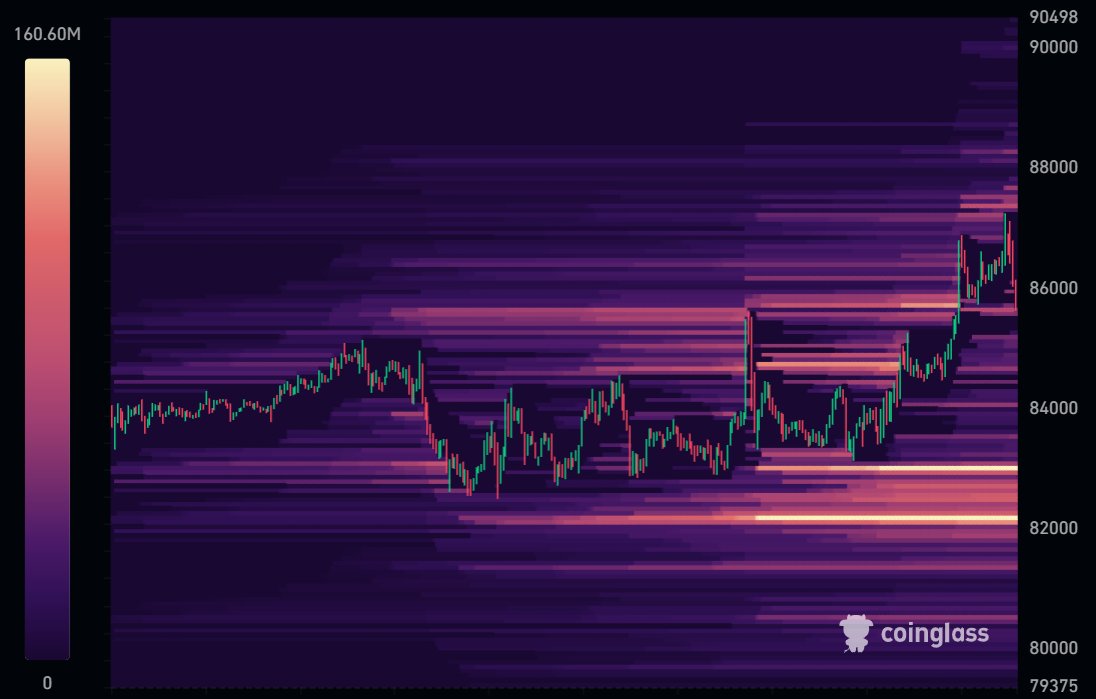
BTC pushed higher today, but look at what it left behind 👀
A lot more liquidity is now sitting below price, especially around $82K - $83K
Doesn’t mean we have to go there… but that pool is getting hard to ignore 🎯
This is really the future - teams building their own apps
From neobanks like Plasma One to consumer apps like Motion (we don't know what it is yet)
Partially why Abstract failed because it was way too focused on their users and "immigrant" devs to build instead of their own people, their own team.
If you do it yourself, you will put more time, effort and have a higher standard of the app you are trying to build.
Base tried, but they lacked the experience and execution, or maybe they were way too early.
Let's see.
Les mineurs de 2026 ne seraient plus ceux de 1956, nous apprend Gérard Larcher. Quelle trouvaille.
En 1902, la presse tremblait devant les Apaches de Belleville. En 1959, devant les blousons noirs. Dans les années 70, les loubards. En 1990, les zoulous. En 2005, la « racaille ». À chaque fois, juré, craché : une jeunesse jamais vue, plus jeune, plus violente, sans repères.
Cent vingt ans que le parti de l'ordre redécouvre la même jeunesse et prescrit la même ordonnance : plus de prison, moins d'excuse de minorité.
Ce qui a changé depuis 1956, M. Larcher, ce ne sont pas les gamins. Ce sont les postes d'éducateurs supprimés, les juges des enfants noyés sous les dossiers, les clubs de prévention fermés, les écoles à l'os dans les quartiers populaires. Tout ce que votre majorité sénatoriale vote, budget après budget.
L'enfant de 2026 n'est pas plus dangereux que celui de 1956. Il est juste plus seul. Et ça, ce n'est pas lui qui l'a décidé.
La panique morale ne coûte rien. Une politique de l'enfance, si. On comprend votre choix.