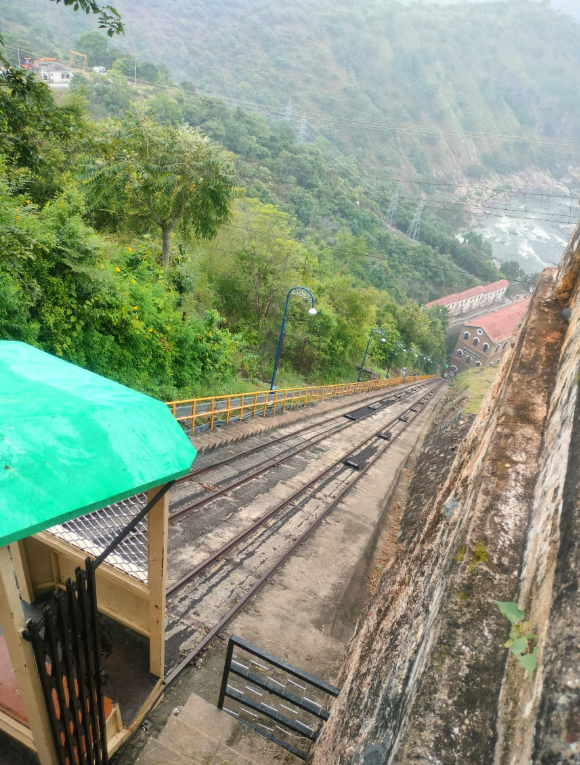
Engineering students who visit Shivanasamudra hydroelectric plant are never told the significance of that plant and how India taught the world the long-distance transmission of electricity! It is this plant which made the steam power obsolete!
This is to fix that gap in the knowledge. I wish I had been made aware of this in 1991 when I visited the site as an Engineering student.
In June 1902, something occurred at a remote Indian waterfall that should have shocked the Western world. A transmission line, 92 miles long, carried 30,000 volts of electrical current through the jungle from Shivanasamudra Falls to the Kolar Gold Fields. It was the longest commercial high-voltage power line on Earth.
Nothing comparable existed in America or Europe.
The achievement emerged from the vision of K. Seshadri Iyer, Dewan of Mysore, and Major Alain Chartier Joly de Lotbiniere, a Canadian engineer in the Hindu kingdom's service. De Lotbiniere saw something others had missed: the Cauvery River's 400-foot drop could turn turbines and generate power sufficient to replace steam engines at Kolar's deep mines, where fuel costs had become prohibitive.
Seshadri Iyer understood that a kingdom's survival depended on economic capacity, not military might alone. In 1898, he commissioned engineers to travel to Niagara Falls to study George Westinghouse's alternating current transmission system. When they returned, the plan crystallized. Mysore would not simply purchase foreign solutions. It would understand every component and build the system itself.
The venture carried substantial risk. The capital was considerable for the 1890s. The technology was unproven. The line would stretch across malaria-infested terrain, requiring 5,000 laborers. The court skeptics outnumbered believers. Yet Seshadri Iyer proceeded with methodical confidence.
Construction began in 1899. Generators came from General Electric in America. Turbines came from Escher Wyss in Switzerland. But the transmission system design and execution remained under Indian leadership. Civil engineers designed channels to divert the Cauvery's flow through penstocks. Electrical engineers stepped voltage upward to 30,000-35,000 volts using transformers, transmitted it across 92 miles of copper line, then stepped it downward at Kolar for mining machinery.
The frequency selected was 25 cycles per second, not arbitrary but deliberate. Heavy rotary converters used in mining operated efficiently at lower frequencies than the 50 or 60 hertz that would eventually become standard globally. This reflected sophisticated understanding of end-user requirements.
In June 1902, high-voltage power generated at Shivanasamudra flowed across 147 kilometers to the gold fields. For the first time, machines in one location could be powered by water falling in a completely separate location, separated by jungles and hills. The mining operations transformed. Deep extraction became economically viable. Steam dependence was broken.
This distinction matters. The Shivanasamudra project was not Western technology imposed on an Indian kingdom. It was an Indian administration studying Niagara Falls, acquiring knowledge, and implementing a solution that exceeded what any Western nation had accomplished in this specific domain. Technologies were sourced globally. Vision and execution were profoundly local.
The surplus power enabled Bangalore to become Asia's first city with meaningful electric street lighting in 1905. Nearly 100 streetlights appeared suddenly, not from gradual urban accumulation of infrastructure, but from a distant river harnessed with precision. Within a year, Bangalore had 861 streetlights and 1,639 domestic connections.
The Shivanasamudra project reveals patterns that extend beyond technical accomplishment. It demonstrates that innovation does not flow exclusively from wealthy Western nations. A kingdom positioned as subordinate within the British Indian Empire could perceive a technological opportunity, acquire knowledge globally, and implement a solution exceeding established industrial powers. It shows that engineering excellence is not the monopoly of any nation or culture. And it illustrates what becomes possible when vision, resources, and technical competence align in common purpose.
The subsequent obscuring of credit should not overshadow the original achievement. The Hindu kingdom of Mysore, through Seshadri Iyer's leadership and de Lotbiniere's engineering, seized a technological frontier and transformed the region's future. That accomplishment deserves recognition as evidence of what is possible when aspiration meets capability.
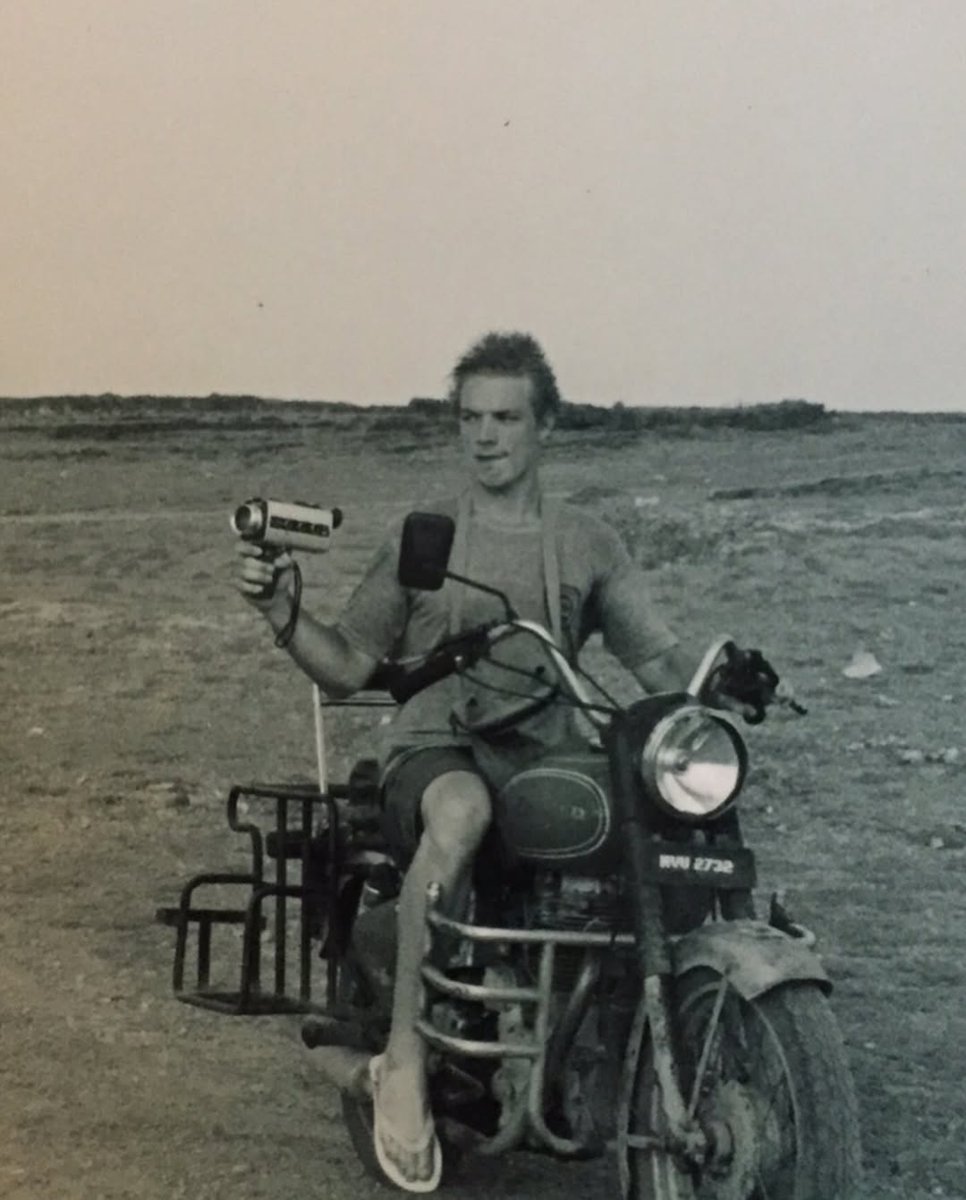
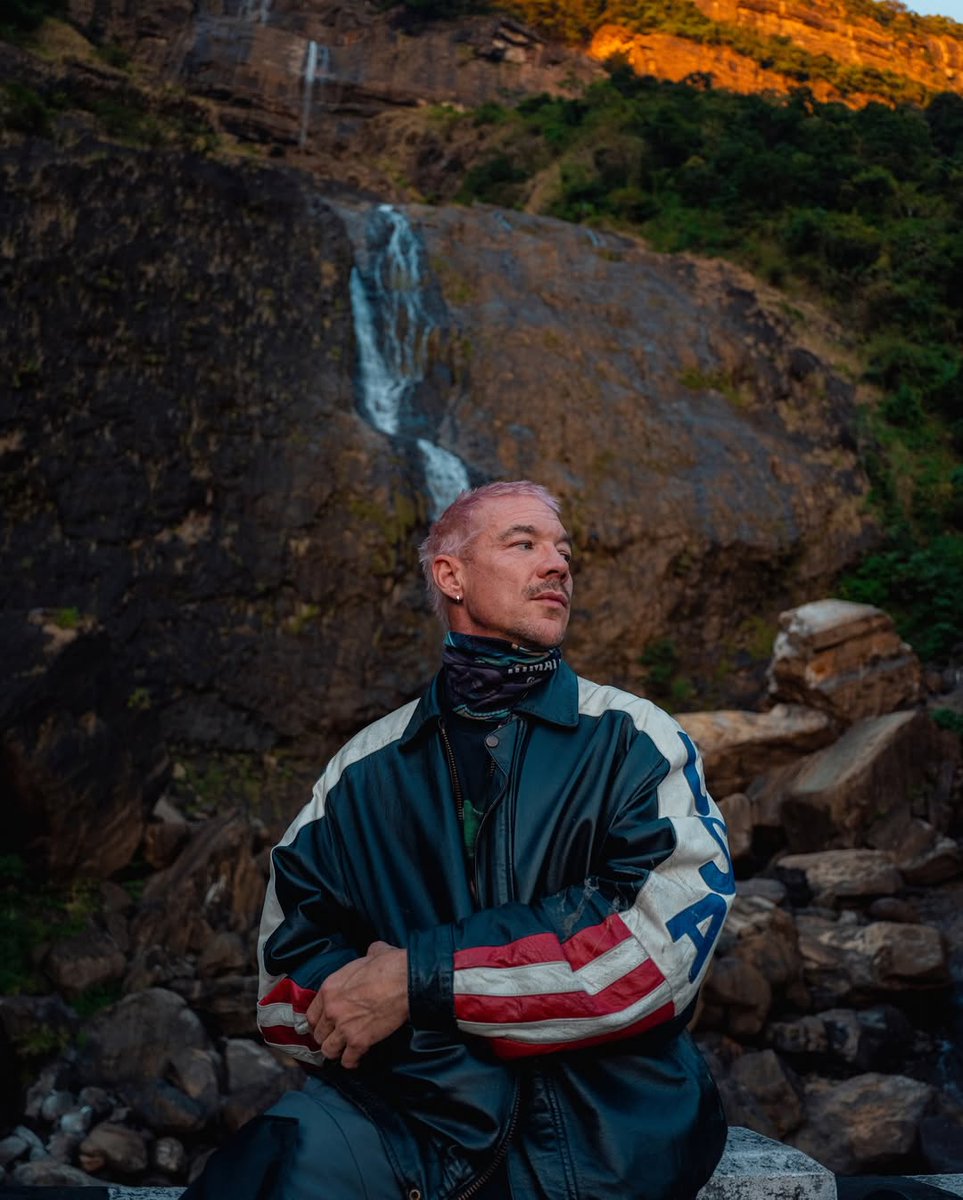
I was 20 when I first came to India with nothing but a restless mind and an old Enfield I bought from a friend in Delhi who taught me to ride in one dusty afternoon. He took my money, flew back to Florida, and left me with one rule: don’t hit a cow, and only ride between 2–6 a.m. if you want to survive the heat and smog. Somehow, that became a philosophy for everything that followed.
I crossed the country like a kid inside a dream — Calcutta to Delhi to Rishikesh — sleeping on the bike when I had to, chasing chai stalls to stay awake, tossing the bike on trains when I could afford it. I swam in the Ganges, did yoga with elders who moved like water, bought vinyl in back-alley shops, fell in love the way only your twenties let you, and wrote long confusing emails to my mom from glowing village internet cafés.
In Gujarat I stopped long enough to help with earthquake relief, eat thalis in strangers’ homes, and learn “Kem Cho” and “Majama.” India didn’t just teach me independence — it cracked me open creatively. It showed me how improvisation is its own kind of discipline, how getting lost is a form of education.
I never imagined I’d be invited back years later to collaborate with artists I once watched on café computers — working with actors like SRK, making videos like “Lean On” that crossed billions of views, nearly dying during spiritual side quests in Leh and Varanasi, falling for Bollywood sweethearts, and still believing every strange turn meant something.
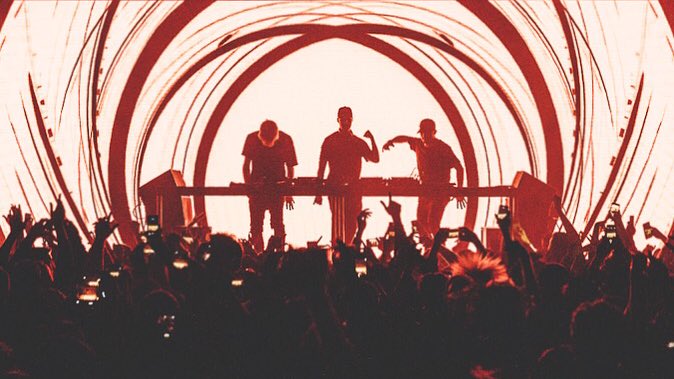
Twenty-five years later I returned to these roads, riding nine hours a day across the Himalayas on a much newer Enfield. And then — perfectly — I ended up performing at a massive Enfield festival in Goa and celebrating afterward in a motorcycle garage, as if time folded back on itself.
Two decades have changed India and me both. But every time I come back, I feel the same truth: growth happens when you surrender to the unknown, when the road teaches you more than any classroom could.
India was my beginning. And somehow, it still is.
CM Siddaramaiah gets angry at crowd as they started leaving..
“Why come if you can’t sit and listen to my speech for 1/2 hr ? Aei police, stop them from leaving” 😂😂
#MysuruDasara2025#Dasara
To,
Shri @RahulGandhi ji,
Hon’ble Leader of the Opposition in Lok Sabha,
Camp: Bengaluru.
Respected Shri Rahul Gandhi ji,
You are visiting Bengaluru Today, Friday, 8th August, to take part in a demonstration against the Election Commission organised by your party’s state unit at Freedom Park. You are free and you have every right to participate in any form of protest on any issue.
The BJP has nothing to say on that. However, the BJP demands a “credible and convincing” reply from you to the following valid questions. In fact, these questions have been bothering the people of Karnataka for a long time. We are only echoing and amplifying these questions.
@ACP_BANASWADI dear sir, the passport verification at Banaswadi is taking so much time despite the follow up at the station. Kindly help sir. The passport is required urgently
Please take necessary actions
There has to be a time in your life where you have.
- No girlfriend
- No side Chics
- Few friends
Just you and your grind.
That phase is called the Ghost Mode, and you can make the greatest comeback of your life.
Here is how to have a successful Ghost Mode......