King's Healthy Lifespan for All: Researcher Spotlight Series, showcases Dr Singh's pioneering research in brain cancer. Read more: https://t.co/TlJzLji6Uq
@CDCR_Mac@kingsmedicine
Members of Singh Lab showing support for Noah Lee and Brain Cancer Canada yesterday. For more details: https://t.co/T71wljCaih @braincancercan@SABCRCanada
Today marks World Cancer Research Day - an opportunity to recognise some of the outstanding research taking place including King's Faculty of Life Sciences & Medicine https://t.co/Ve37cKCUKP
@kingsmedicine
Moving Brain Cancer Research Forward, One Kilometre at a Time: This Sunday, Noah Lee will run 70km from the University of Toronto to McMaster University to raise $70K for life-saving brain cancer research, in honour of his mother Sejin Lee
https://t.co/dCPCKObLe7 @braincancercan
You may have seen in the news yesterday, promising new glioblastoma research from @KingsCollegeLon and @McMasterU in Canada, including our Scientific and Medical Advisory Board member Prof @sheilasinghlab. They've used personalised immunotherapy to target both cancer cells and immune cells within the tumour that can help it grow, attacking glioblastoma on two fronts. This is early research in the laboratory, and has not yet been tested in glioblastoma patients - although the approach has proved successful in other cancer areas.
Dr Karen Noble, @karen_noble72, of Research and Policy at Brain Tumour Research, @braintumourrsch said:
"Around 3,200 people are diagnosed with glioblastoma every year in the UK and devastatingly, just 4% of those diagnosed will survive five years or more. New treatment options that can tackle the complexity of this deadly cancer are vital. These results are really promising - particularly as CAR-T has been used successfully in other cancer areas and so hopefully this innovation can be translated rapidly for patients. Importantly, breakthroughs in the laboratory will only change the story for the brain tumour community once they are turned into treatments in clinics across the UK and research like this highlights the need for more investment to enable discoveries and accelerate the path to patients. That's why we are calling on Government to build a more attractive financial and regulatory environment in the UK for the life science industry, to ensure that more clinical trials can get underway and more patients can access these."
https://t.co/vWpYHUgDjN
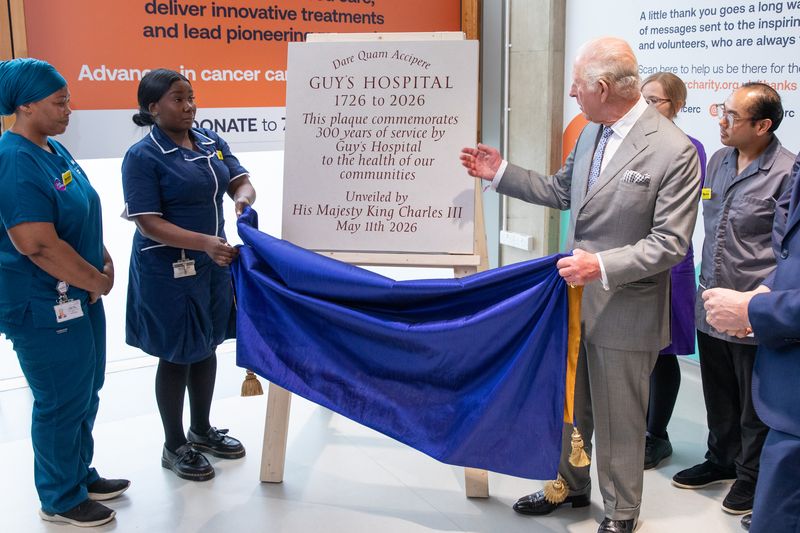
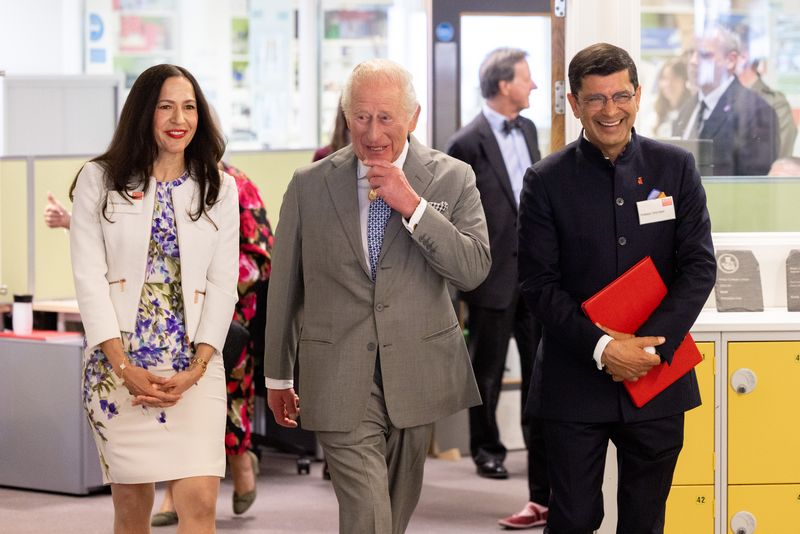
An exciting moment for the lab as Dr. Sheila Singh presented the Innovation Hub alongside Professor Shitij Kapur, Vice-Chancellor & President of King’s, to His Majesty The King during the 300th anniversary celebrations of Guy’s Hospital. @KingsCollegeLon
https://t.co/JapovlDfvh
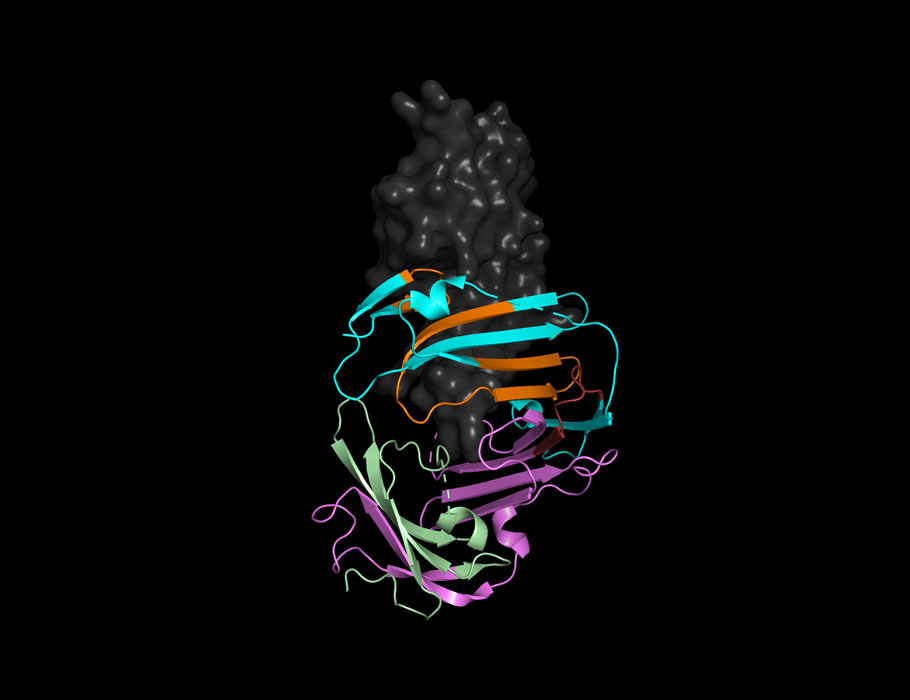
Drs. William Maich and co-authors from the @sheilasinghlab found that urokinase plasminogen activator receptor (uPAR) is expressed on #Glioblastoma (GBM)-associated #Macrophages, enabling uPAR CAR T cells to target GBM itself and cells in the TME.
🔗: https://t.co/ILUO6OA85P
📰: https://t.co/lBQBcZrM2o
Congratulations to @McMasterU scientists on an exciting @ScienceTM release! 👏
Researchers have discovered that #glioblastoma relies on the receptor uPAR for tumor initiation and growth and showed uPAR CAR T cells slow tumor growth in mice by neutralizing both cancer cells and supportive cells in the TME. @McMasterU@sheilasinghlab https://t.co/2sqj5miDzL
Very exciting publication from our lab! New drug candidate, uPAR CAR T, which targets glioblastoma at recurrence. @machealthsci@CDCR_Mac@ScienceTM
Heres the story: https://t.co/vYQo7vli7y
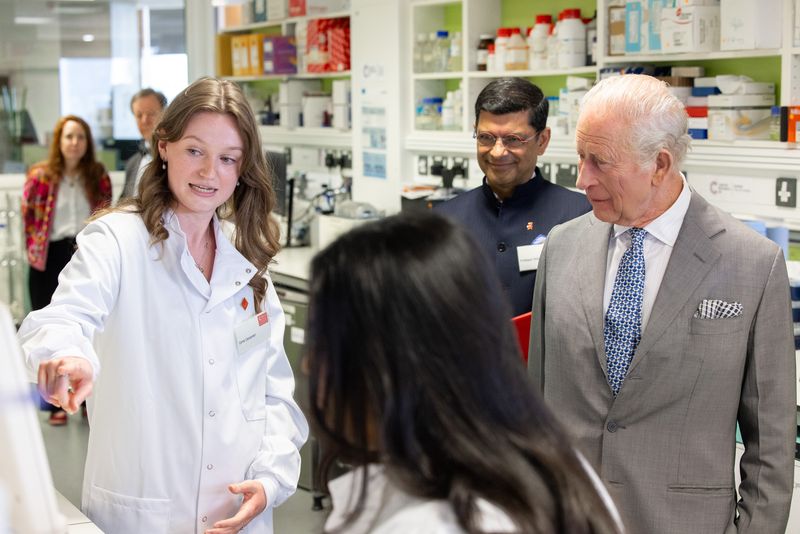
Today, His Majesty The King visited a pioneering Innovation Hub, where King’s College London scientists are driving research into cancer.
Taking place at Guy’s Cancer Centre, the visit formed part of the 300th anniversary of Guy’s Hospital.
https://t.co/gAjkU2vBtu
We are honored to receive The Emily McIntosh Brain Cancer Research Grant. We are committed to carrying forward Emily’s legacy through our research in glioblastoma and advancing immunotherapeutic treatment strategies.
https://t.co/ahklyz2YOi @braincancercan
New Publication Alert! Our study highlights the need to reassess autologous CAR-T therapy for glioblastoma and consider allogeneic approaches as potentially feasible therapeutic alternatives.
https://t.co/nOMW44I9yR
@IntJCanc@CDCR_Mac
In a new Review, researchers discuss emerging paradigms in the study of brain #metastases, including the inner wiring of these tumors and potential therapeutic strategies to exploit their metabolic vulnerabilities. @sheilasinghlab@McMasterU https://t.co/U1htGyJrtE
In a new @SciSignal Review, researchers discuss emerging paradigms in the study of brain #metastases, including the inner wiring of these tumors and potential therapeutic strategies to exploit their metabolic vulnerabilities. https://t.co/ACoeBGw2CZ
Happy to share our new publication!
https://t.co/cJPejum5pm
We are tackling a very large gap in medulloblastoma research: Better models to improve preclinical testing and accelerating therapeutic discovery. @OUPAcademic@CDCR_Mac
The Singh lab is pleased to announce our new review on the current and emerging insights into the study of brain metastases.
https://t.co/XHxRYE40p9
@aaas@CDCR_Mac
In a new Review, researchers discuss emerging paradigms in the study of brain #metastases, including the inner wiring of these tumors and potential therapeutic strategies to exploit their metabolic vulnerabilities. @sheilasinghlab@McMasterU https://t.co/U1htGyJrtE