Today and everyday, we recognize, honour, and celebrate the achievements past and present of First Nations, Inuit, and Mètis peoples. #NationalIndigenousPeoplesDay
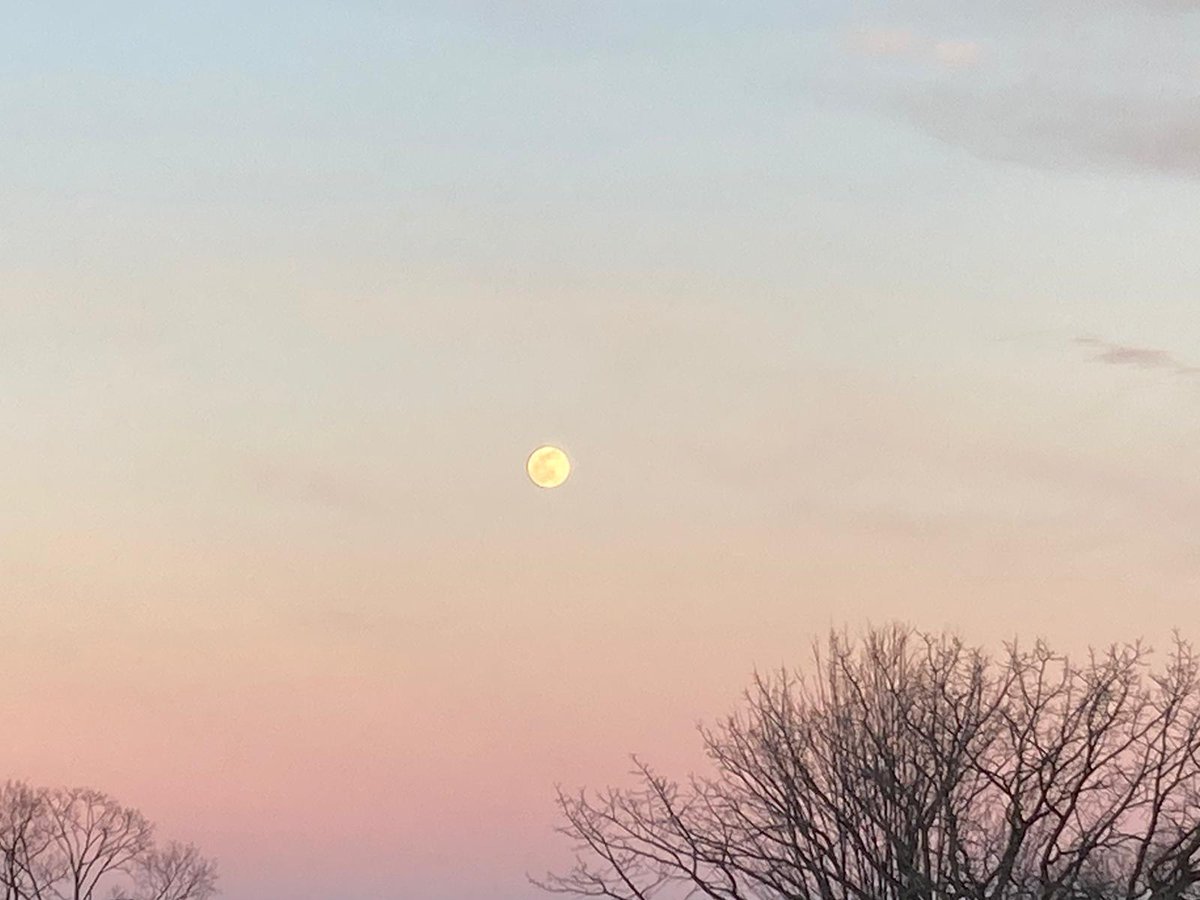
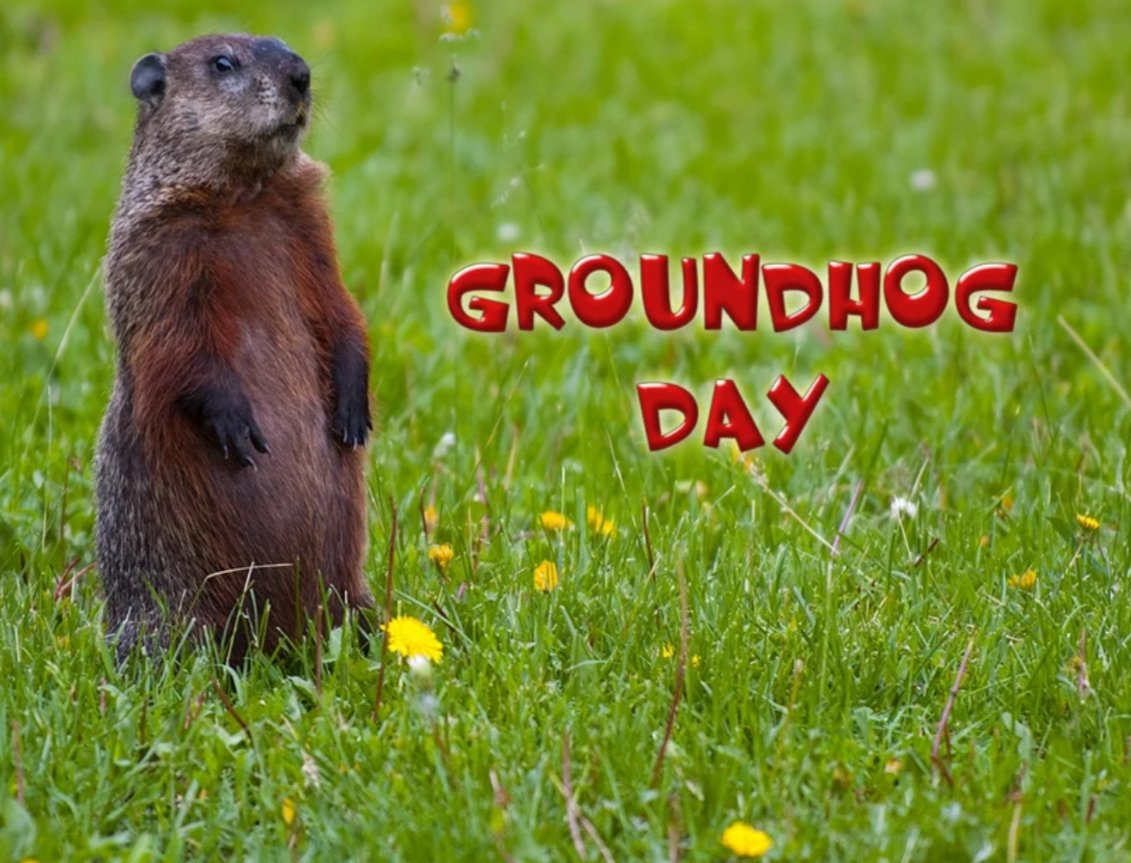
February's full moon tonight has a connection to animals. The Cree traditionally called this the Eagle Moon. The Ojibwe and Tlingit, Bear Moon, which refers to the time when cubs are born. Some Algonquin peoples named it the Groundhog Moon, and the Haida named it Goose Moon.
February 2nd, is also known in astronomy as a 'cross-quarter day. It occurs at the midpoint between a solstice and an equinox. Symbolically it is known as the point where light and life begin to take over from winter darkness.
A harvest Moon!
And on the mats—
Shadows of pine boughs.
–Takarai Kikaku (1661–1707)
(October has two full Moons this year: the Harvest Moon on October 1st and on Halloween!)
While our centre remains closed, our department is open and in full swing, ready to help you get your students outside!
https://t.co/CvbIOaipPu
#TOES_tdsb#EcoSchoolsTDSB#TDSB
The full moon visible tonight is sometimes called the Corn Moon because of it's timing, which coincides with the corn harvest. It will be at it's peak at 1:23 am. This year, the harvest moon will fall in October, closer to the equinox.
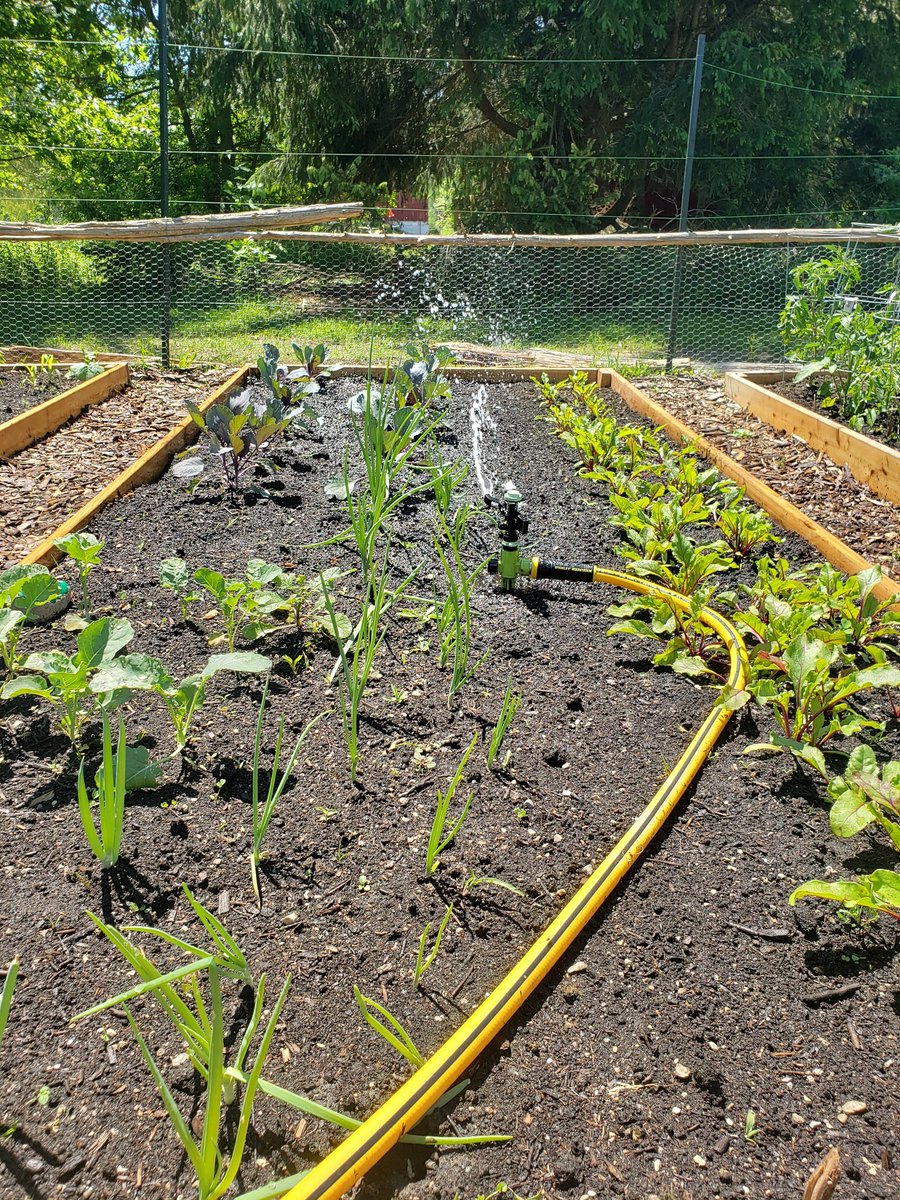
#farmtotable#EcoSchoolsTDSB#TOES_tdsb
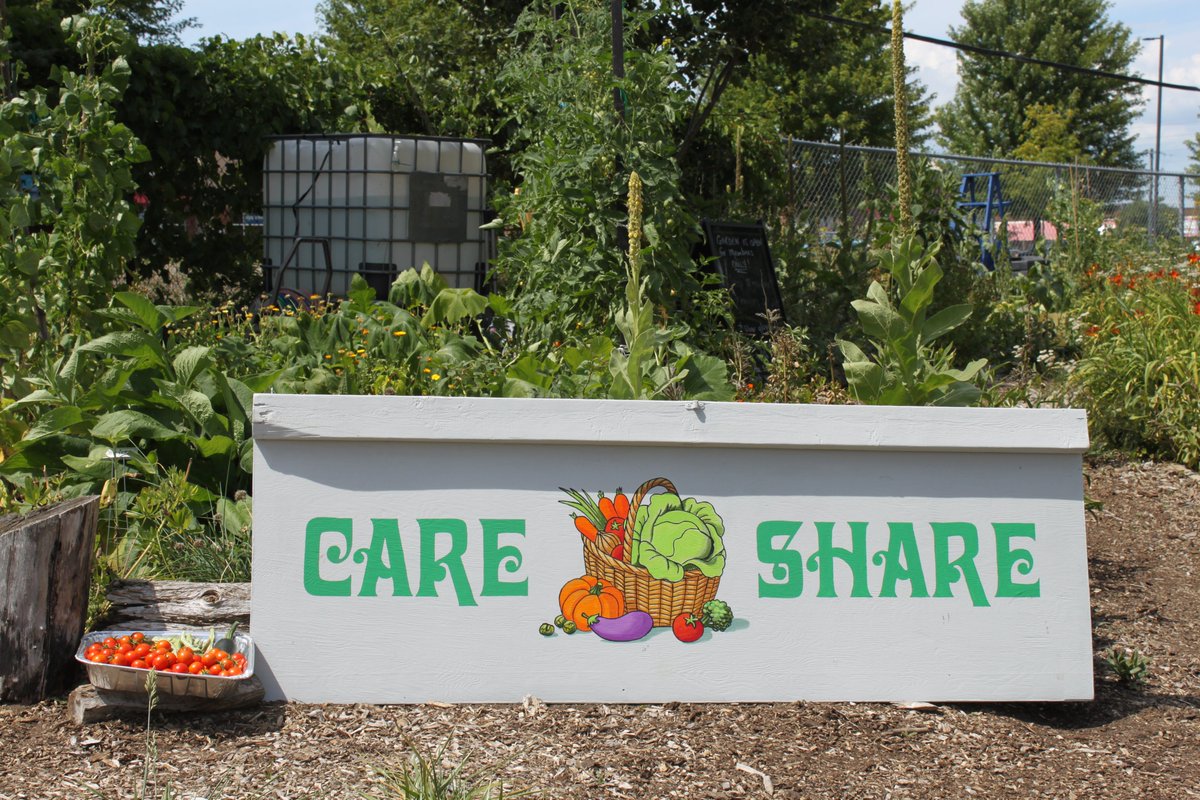
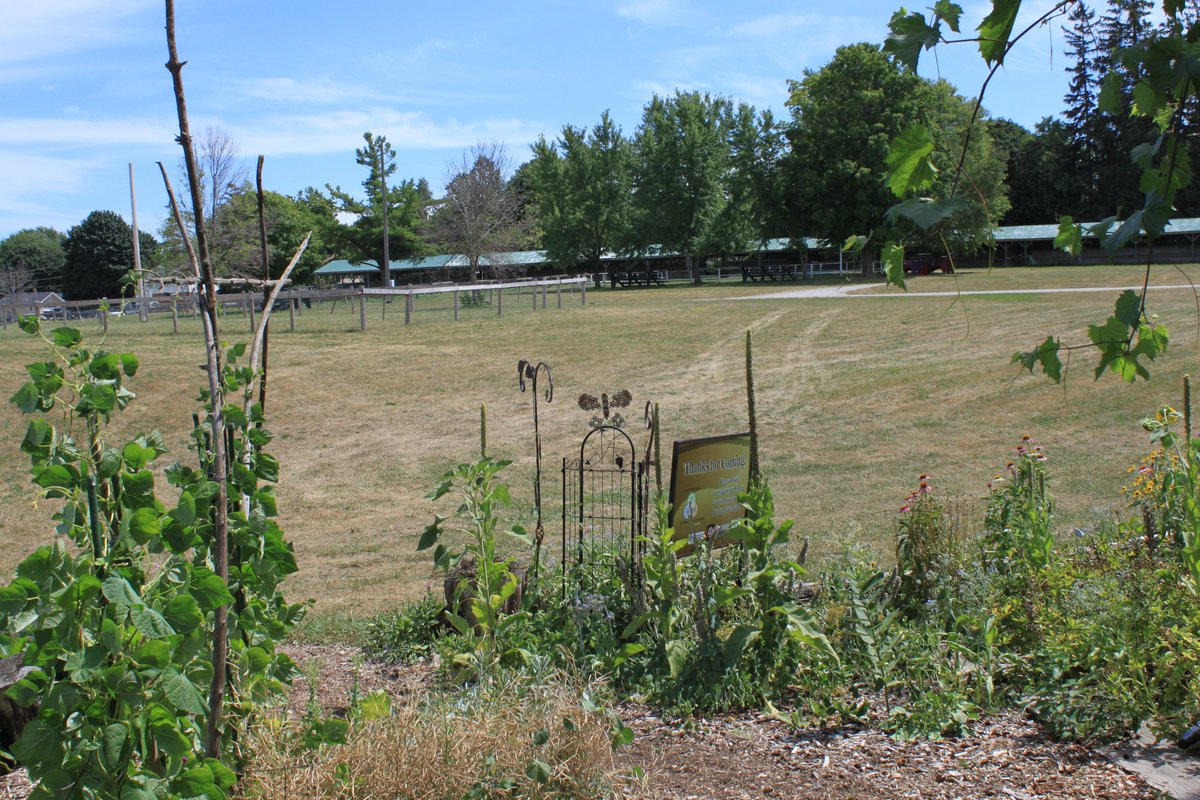
It's like a paradise next to a desert at Care & Share Community Garden in Port Perry, On. Native perennial gardens not only look amazing but attract beneficial insects, birds, lizards, (and people) to #communitygardens Keep up the amazing work Care & Share!
@ECAlertezON149
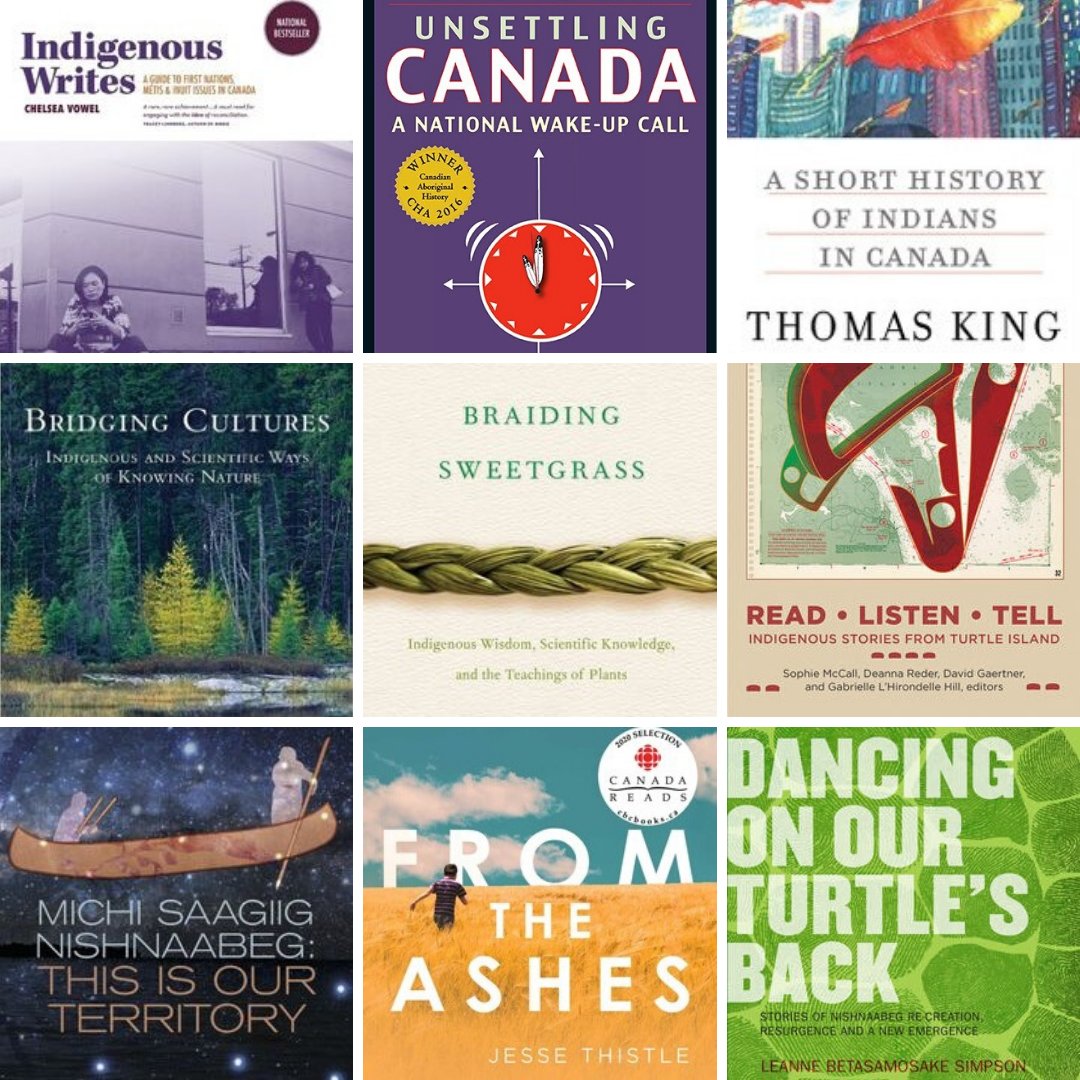
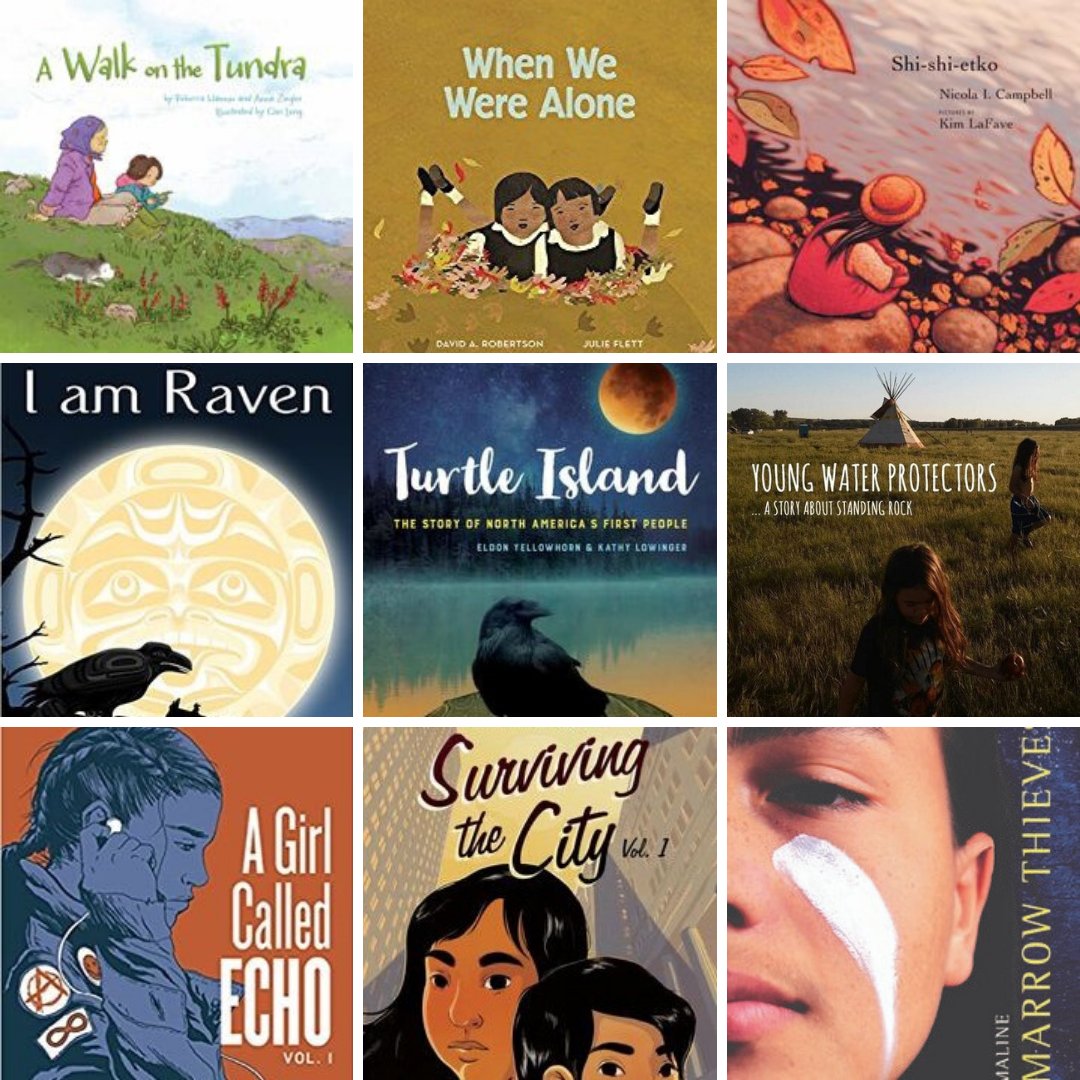
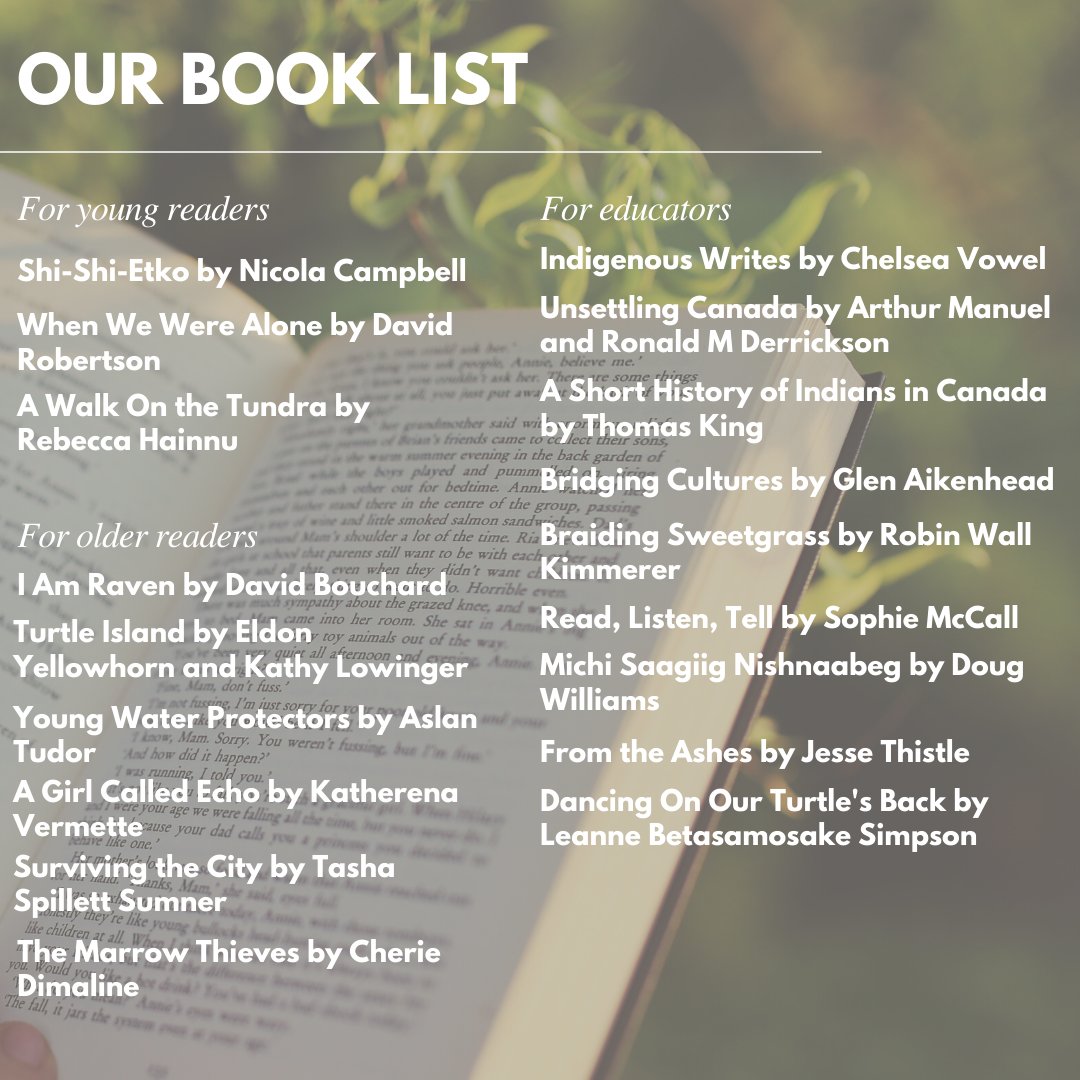
This #IndigenousPeoplesDay, we want to highlight some of our favorite reads, written by and about Indigenous people, and which center on their experiences both past and present.
Check out our June newsletter and our pinterest for more great suggestions - links in bio!
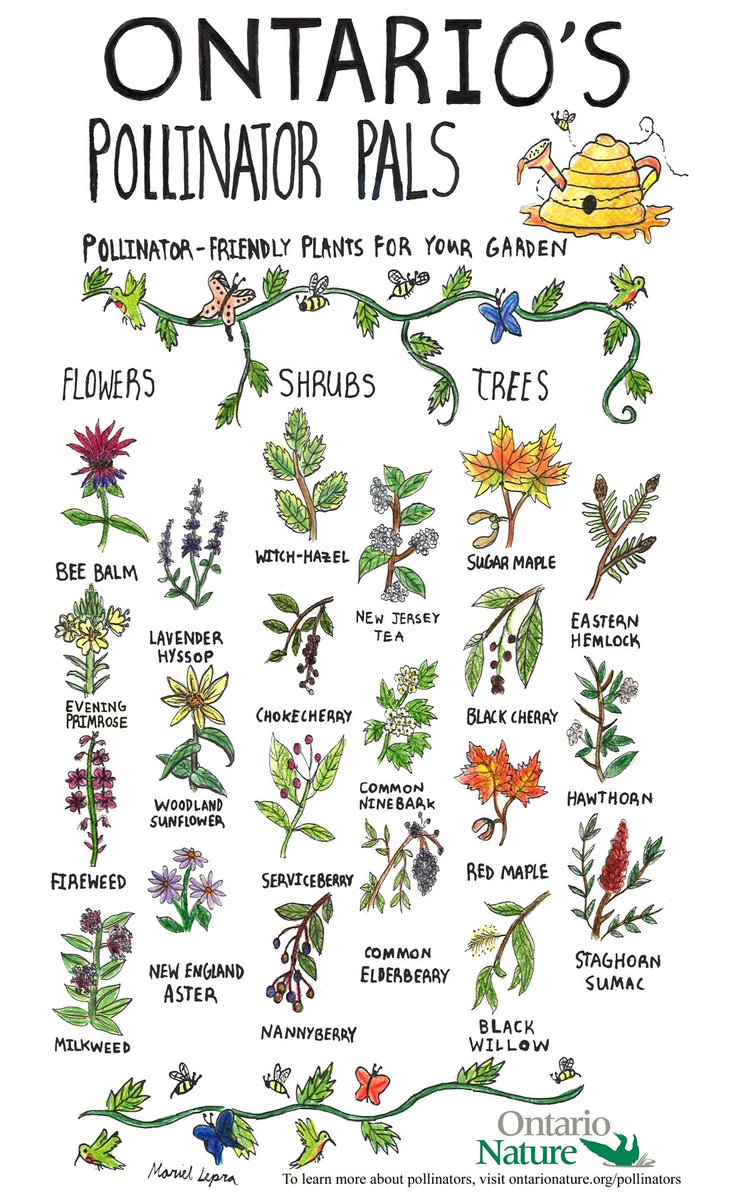
Without pollinators, much of the food we eat and the natural habitats we enjoy would not exist. With >700 native species in Canada, #bees are the most common #pollinator. Native plants for pollinators: https://t.co/DqqbAcFS1g
#NationalPollinatorWeek#StepIntoNature#HealthyHikes
Did you know that a bee has about 170 odour receptors, which means they have a great sense of smell! They use this to communicate within the hive and to recognise different types of flowers when looking for food. - National Geographic Kids
#NationalPollinatorWeek#TOES_tdsb
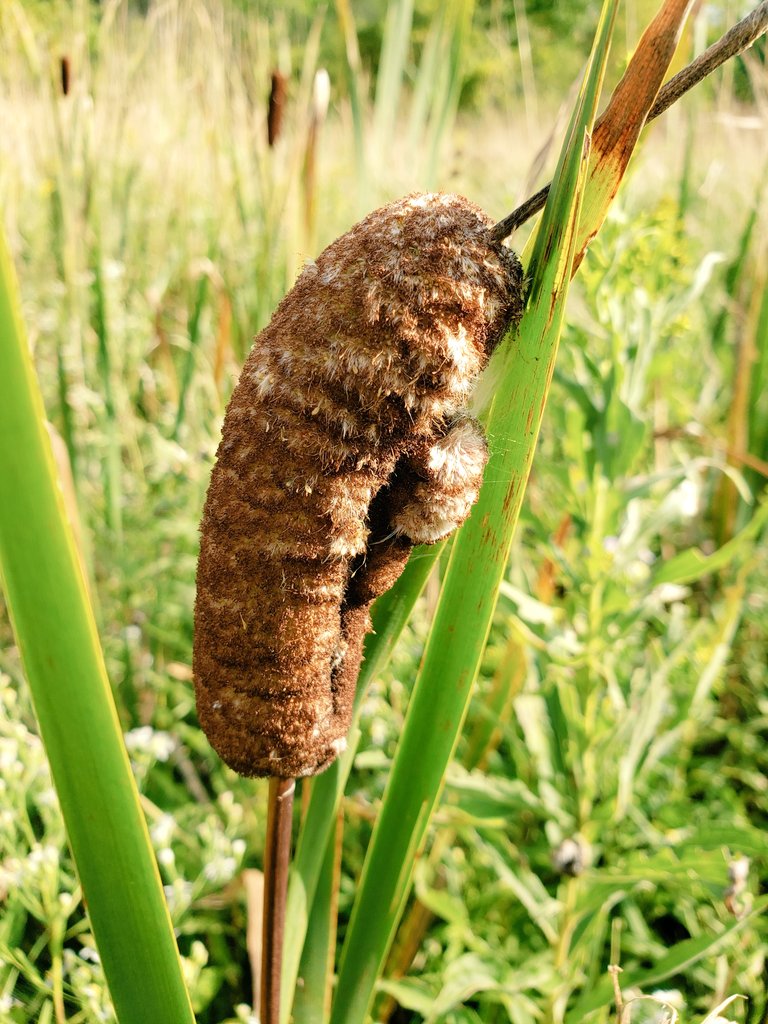
Can you answer this riddle?
My first is a verb; add to me one letter, and I become an insect; add another, and I become a kind of vegetable; add two more letters, and I become the name of another insect.
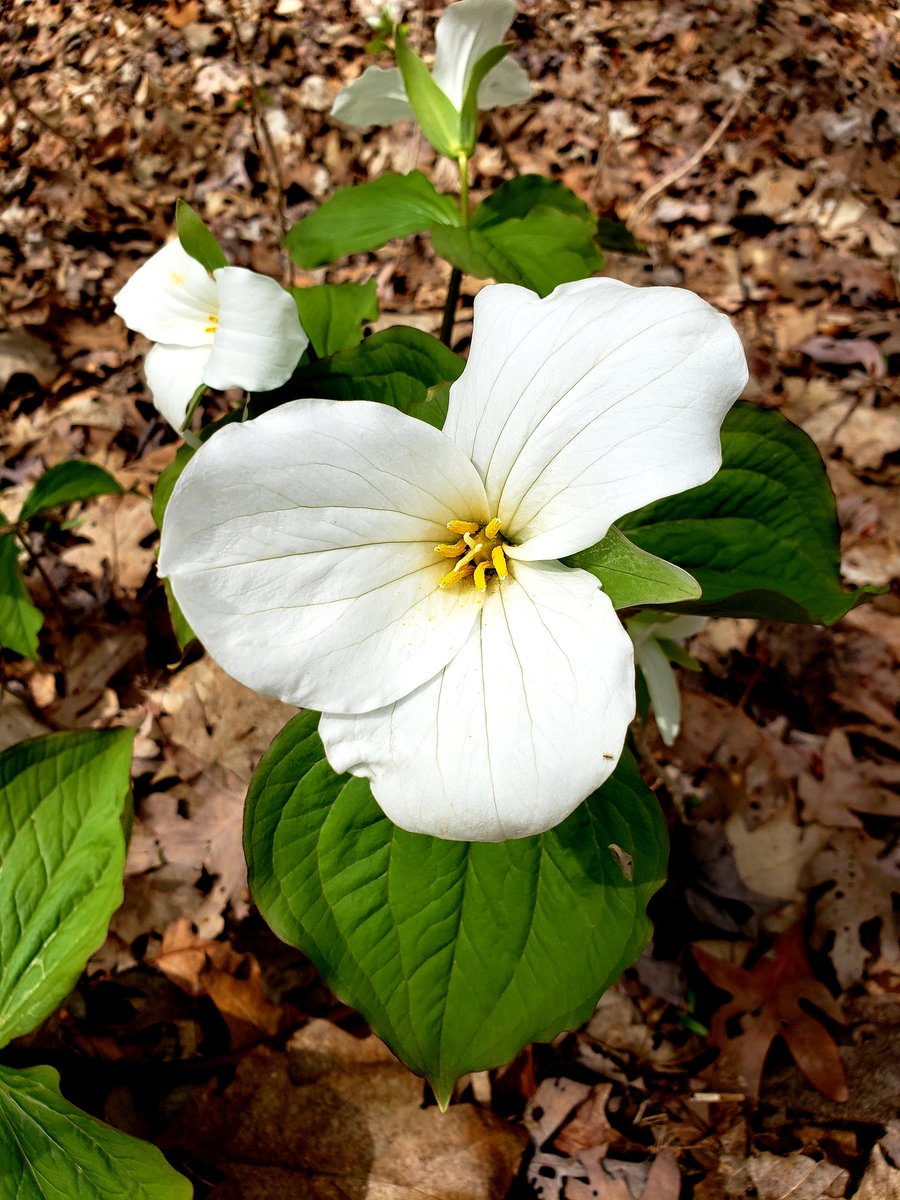
The earth is waking at the voice of May,
The new grass brightens by the trodden way,
The woods wave welcome to the sweet spring day,
And the sea is growing summer blue.
-Elizabeth Akers Allen (1832-1911)
#poetry#trillium#Ontario#OEmemories#TOES_tdsb#experiential
The last super moon of 2020 will be visible tonight if it's clear. Nicknamed the flower moon because if it's timing in May when many flowers bloom. Super moons can appear 30 percent brighter than regular full moons. #getoutside#SuperFlowerMoon#OEmemories#TOES_tdsb