Reading is rooted in science, as it is not a natural process of the brain. Pathways and connections are formed, and by majority, this is done through systematic and explicit instruction.
When we know better, we MUST do better.
https://t.co/bNVFJT2zfT
I reviewed 22 states' lists of approved curriculum to see if any Heinemann programs met requirements. None of its core reading programs were on those lists. https://t.co/L5sG70tKWu
Keynote speaker @ehanford on dyslexia: it always starts out with a parent saying something is not quite right. The school says, don’t worry, just read to your child and it will be all right. From that point, helping a struggling reader is a rich man’s game. #EIE22
"Lucy Calkins had an idea about how children learn. And I think that idea was influenced by privilege. Her idea was kind of romantic... I think I used to believe this too." - @ehanford
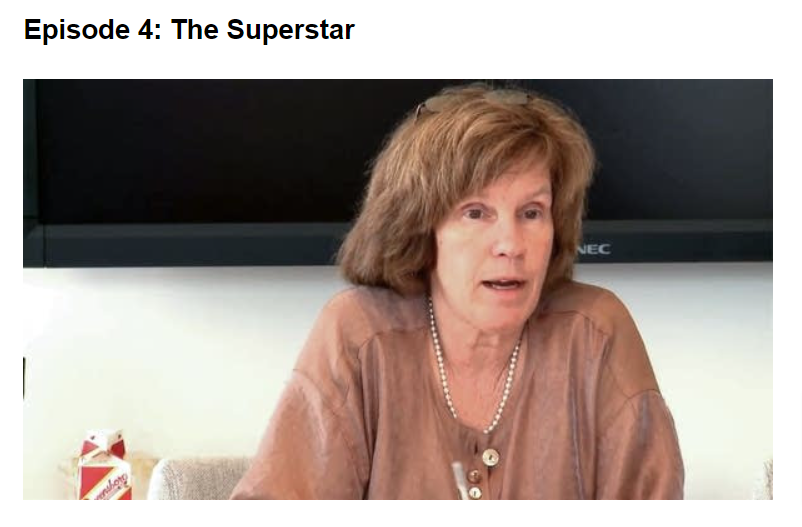
Episode 4: The Superstar
https://t.co/cTzS05A86H
🧵 When I set out to report Between the Lines, I needed to learn about Kentucky's literacy landscape. Who the main players were. Who was connected to which group. And how national figures have influenced what's happening here.
This is what I found:
In July, two (!!) meta analyses about phonemic awareness came out. What does the latest research tell us about teaching phonemic awareness? 🧵 on a few important things to know:
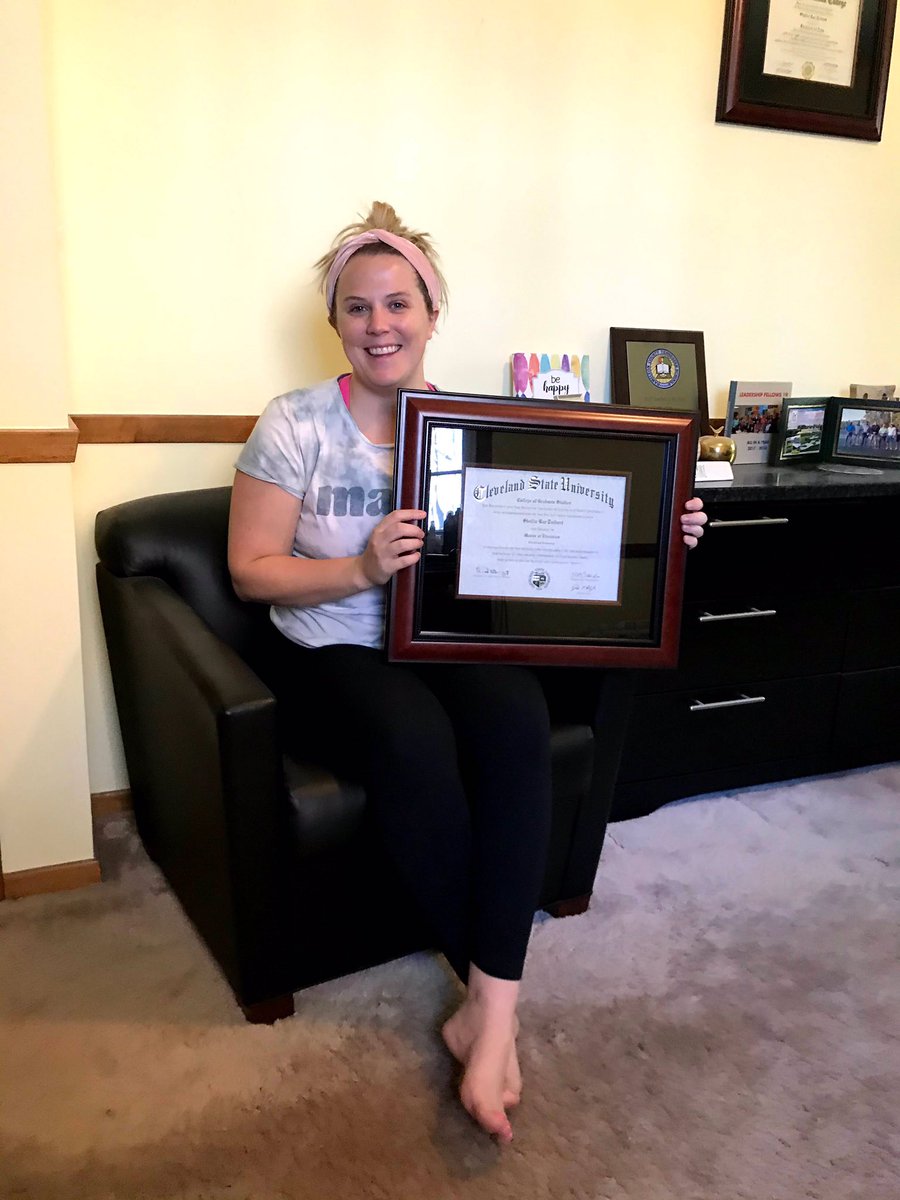
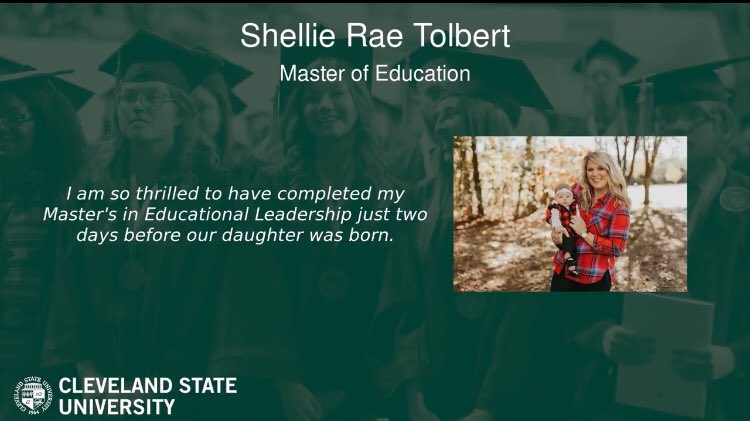
Adding another degree to the wall! A big thanks to my husband and family for being my rock through it all. I also want to thank @btrivelli and @jenfilomena for being AMAZING principal mentors! Back to mom life for now ☕️🍼. #futureprincipal