👉 7 tips to help prevent a ‘long lie’:
Getting stuck on the floor is unfortunately very common for older adults.
Sometimes it’s because the person is injured, but often it’s because they just can’t get themselves up
👉 Balance is task specific 👈
The difference between recovering from a sideways vs. backwards loss of balance is so different that they absolutely must be:
✅ Treated as separate skills
✅ Assessed individually, and
✅ Trained separately
People fall over because they can't step quick enough to establish a new base of support
(people don't fall because they can't hold a static position for longer)
Tandem stands, single leg stands, FTEC are NOT evidence-based exercises for falls prevention
According to the International Osteoporosis Foundation, 1/3 women & 1/5 men over the age of 50 will have sustained an osteoporotic fracture.
Check out this infographic from https://t.co/Xrx0aAhoY1! Read to learn tips & tricks to prevent osteoporosis & maintain good bone health!
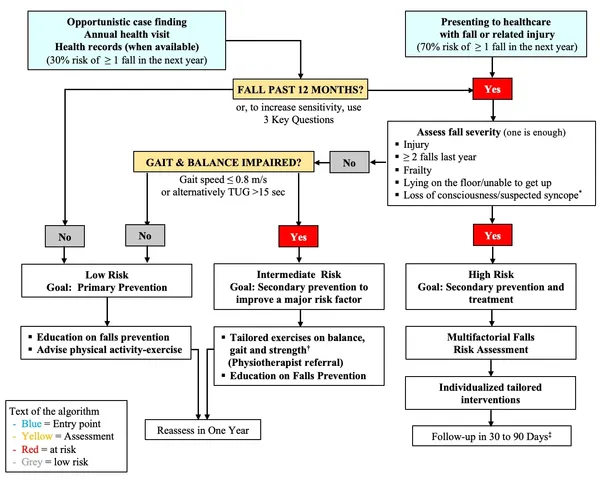
The algorithm from the World Falls Guidelines stratifies into Low, Intermediate and High risk - physiotherapists have advise and intervene at all levels #FallsAwarenessWeek
If someone is upper limb dependent for balance and unable to demonstrate integrated ankle-hip-step balance recovery strategies?
👉 The use of skill progressions enables a safe & systematic method to develop autonomy in that specific movement skill
18 of 30
#STEPtember
When it comes to preventing falls:
Balance Recovery Strategies > Balance Maintenance Strategies
👉Teach clients to step early & fast👈
15/30
#STEPtember
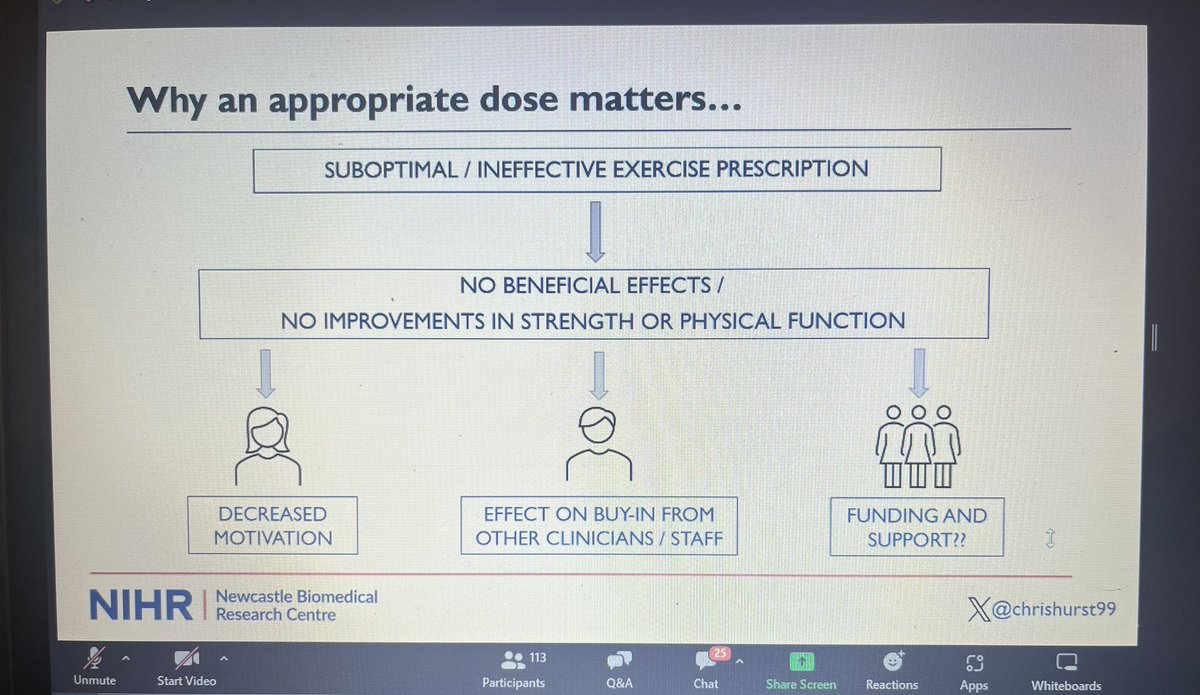
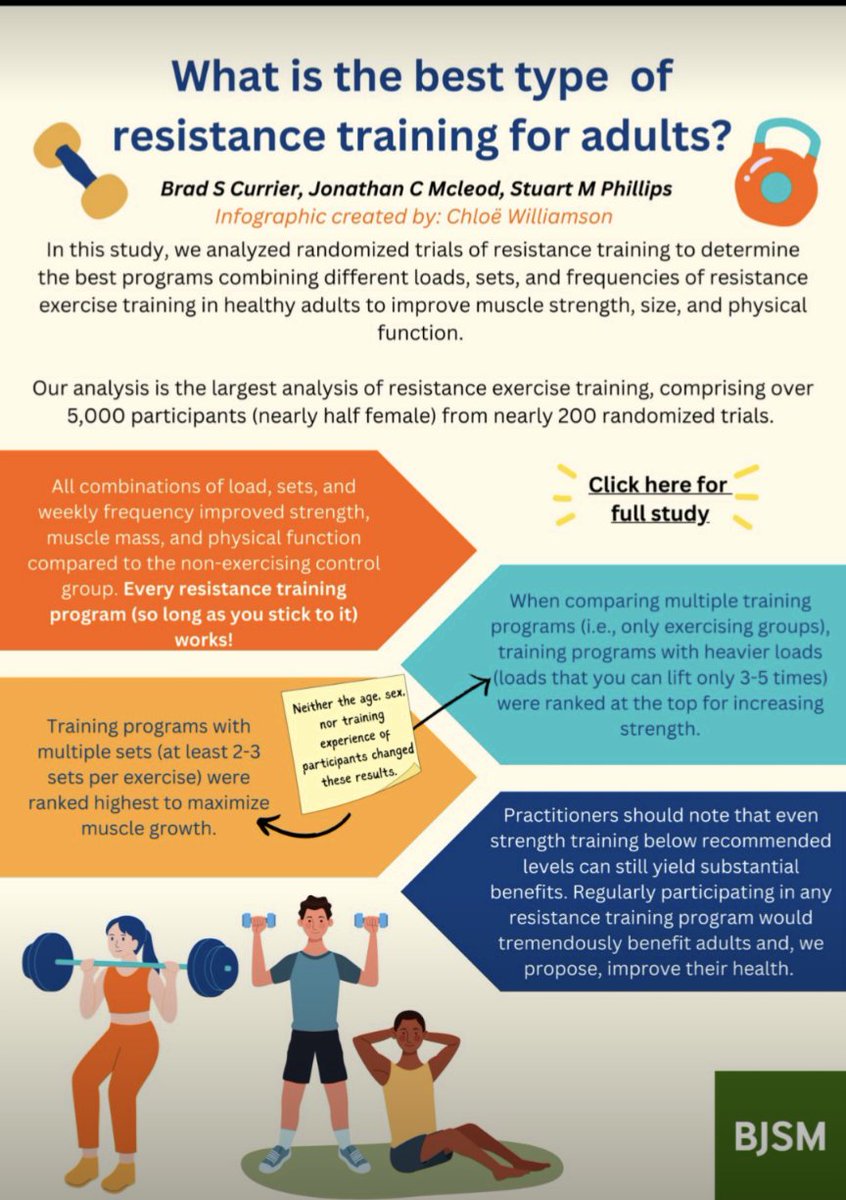
Great talk from @chrishurst99 discussing the importance of progressive overload and individualised exercise programmes to achieve meaningful benefits in patients with #sarcopenia and #frailty at @AGILECSP’s #BPOP event
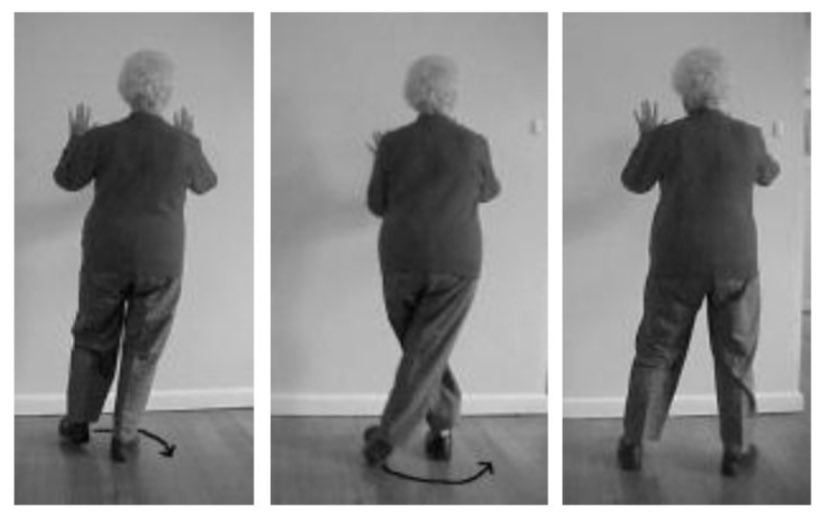
Sideways falls and landings have the biggest association with fractures...
...yet the ability to cross-and-step to recover from a sideways loss of balance is a skill that’s absent in most balance & mobility rehab programs
8 of 30
#STEPtember