Public school students in #Rwanda… this one is for YOU!!
Are you in S1–S2 or S4–S5? Then get ready for THE ORATOR 2026, a national English public speaking competition that will start from school level all the way to the national stage.
You will get the chance to compete, receive training, win awards at every stage, and if you win, stand a chance to travel abroad for international exposure (Destination to be revealed soon!)
So RUN and REGISTER through your school already! All the necessary information is available at your school.
Rwanda is addressing learning gaps and improving education outcomes through a nationwide remedial learning programme
Read More: https://t.co/MznBBgQfuU
“Icyagiye kigaragara ni uko abana bari ku kigero cya 46% bakoresha ikoranabuhanga bifashishije telefoni. Nibura hagati ya 30-35% batugaragarije ko iyo bari kuri murandasi bahura n'ibintu bibahungabanya mu buryo butandukanye.”
Minisitiri w’Ikoranabuhanga na Inovasiyo, Paula Ingabire. #RBAAmakuru #WaramutseRwanda
➡️ https://t.co/i7d1m7zT2q
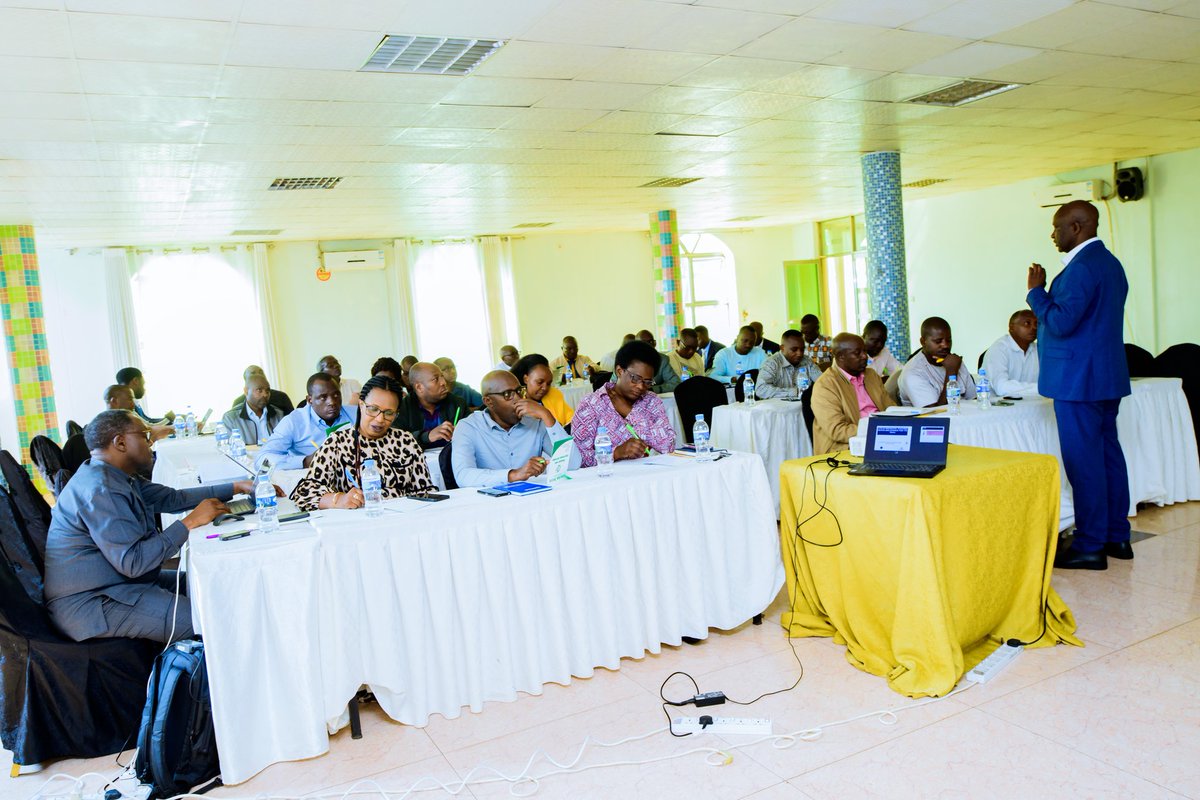
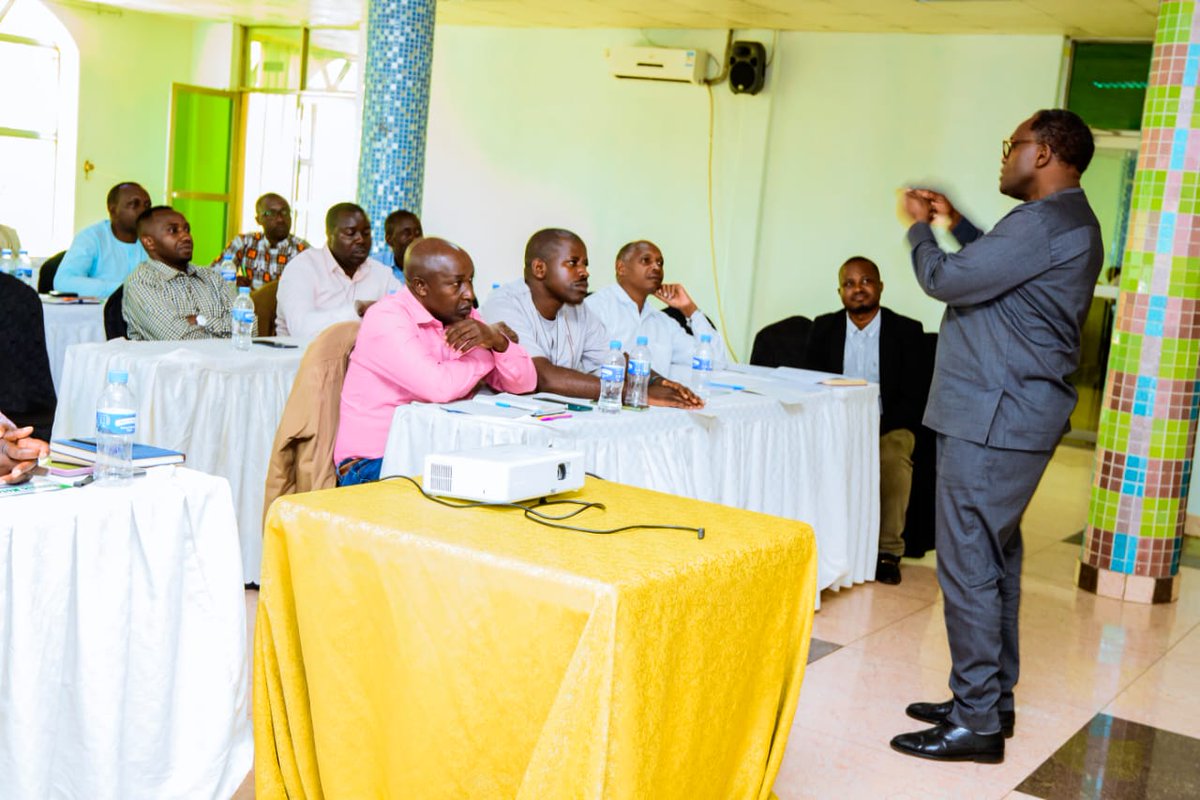
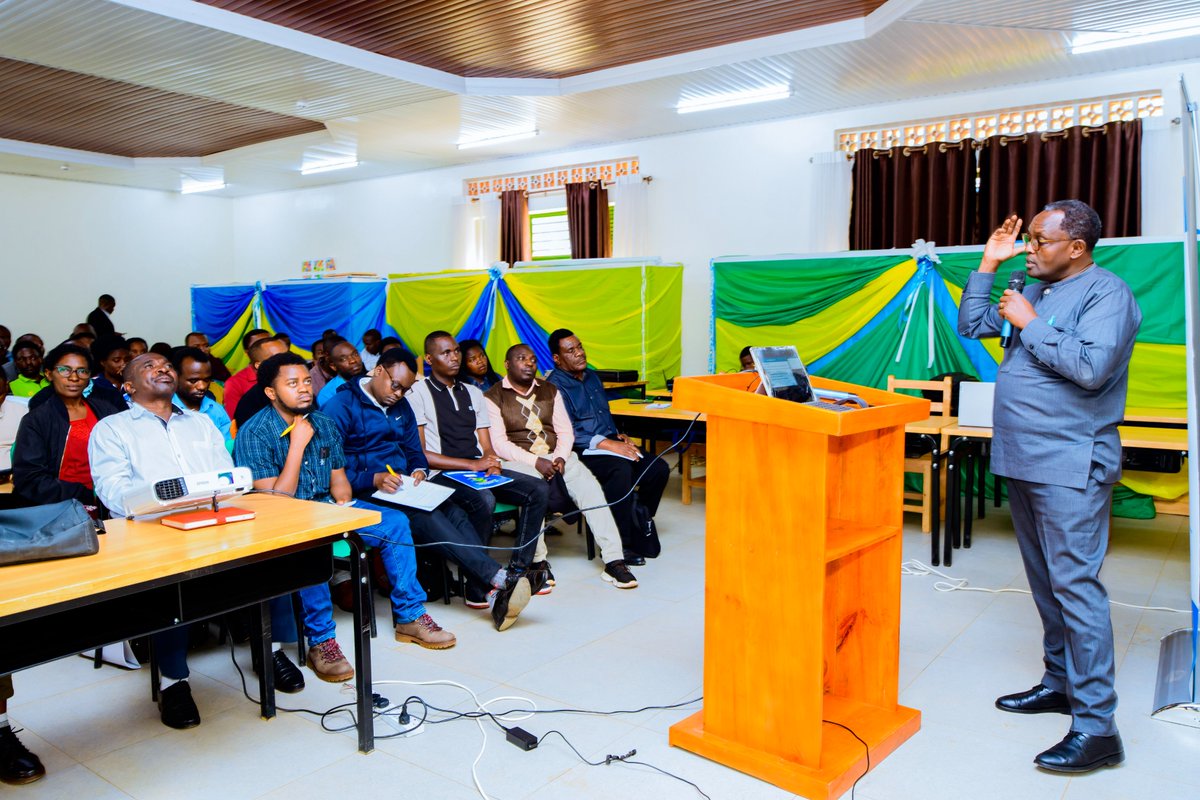
Today, Principals&Directors of Studies ( DoS) from all 16 TTCs met in Kigali with representatives from the @Uni_Rwanda-CE & @REBRwanda for a sensitisation on the CPD Certificate Programme in Innovative Teaching of Mathematics and Science (CPD-ITMS) for all STEM Tutors.
Our education future needs a stronger return to the humanities
Building citizens grounded in values, ethics, and responsibility requires deliberate investment in the humanities, especially at the secondary school level. While Rwanda has rightly prioritized science, technology, and technical skills to drive economic transformation, these alone are not enough to shape well rounded citizens in a rapidly changing world. Technical skills can become outdated as technologies evolve, but the core capacities developed through the humanities endure.
This reflection became even clearer as i attentively followed the Umushyikirano panel held on Friday this week, which brought together the minister of education , CEO of Rwanda Governance Board, Scovia from the media, Bruce Melody an artist and Ishimwe, an entrepreneur. The discussion focused strongly on skills development, the quality of education, and job creation. These are all critical priorities for Rwanda’s future. However, as i listened, i felt that something essential was missing from the conversation.
To build not just skilled workers, but truly grounded Rwandan citizens, we must consciously reinvest in the humanities, especially given our historical past. Subjects such as history, literature, civic education, philosophy, ethics and languages help students develop critical thinking, clear expression, ethical reasoning, and a deeper understanding of society. These skills enable young people to question assumptions, make sound judgments, and navigate uncertainty throughout their lives. Humanities can contribute towards improving service delivery due to ethics course.
Rwanda’s own experience shows the value of this approach. Initiatives such as Itorero and Ndi Umunyarwanda rely heavily on historical reflection, ethics, dialogue, and shared values, all of which are rooted in the humanities. As Rwanda accelerates digitalization and innovation, the humanities provide the moral and intellectual compass that guides how knowledge and technology are used. Strengthening humanities education is therefore not a distraction from development, but a necessary foundation for responsible citizenship, social cohesion, and sustainable national progress.
@Uni_Rwanda-CE in collabo with @REBRwanda today launched the CPD Certificate Programme on Innovative Teaching Mathematics & Science (CPD-ITMS) at TTC Nyamata, through orientation, registration & pre-test for STEM tutors from all 16 TTCs, under RQBEHCD project ,Sub-component 1.2.
Once upon a time, I knew a man called Ladislas. At one point, he presented himself as a great patriot, someone who loved this country more than the rest of us. He often told me, and others in CSOs, that we were too critical simply because, during technical working group discussions, we asked questions for clarification. Once, in a heated moment, he even told me he would crash me. I looked at him and calmly said, time will tell. And indeed, wherever he is today, time has taught him its own lessons.
Which country on earth has ever failed to develop simply because it had critics? Since when did honest conversations become the enemy of progress? A moving car doesn’t stop just because a dog is barking behind it.
Constructive criticism demands critical thinking. Critical thinking requires the ability to question, to listen, and to reflect. Why are we so uncomfortable with tough questions, and so quick to shut them down? Progress is not built on praise alone. If we only listen to good stories, we risk ignoring the hard truths that are meant to help us move forward.
Development can only be achieved through innovation, and innovation happens when people question what is working and why certain things are not working. At university, we were taught analytical tools for this very purpose: to think critically, to examine assumptions, and to improve outcomes.
In Isaiah 1:18, the Lord says, “Come now, let us reason together,” reminding us that faith is not the absence of thought. God invites dialogue, logic, and moral reasoning.
REB is rolling out a nationwide computer distribution, delivering 15,000 laptops to 483 schools. This initiative aims to enhance digital skills, support innovative teaching, and improve the quality of education for learners across Rwanda. The activity has commenced in @RwandaEast
Dear parents, please help your children to follow the edutainment episodes on daily basis with different episodes through REB Youtube channel , RTV, & on Radio &TV stations such as FLASH TV, TV10, TV1, BTN TV, & ISANGO STAR TV. Today' s content is for lower primary students.
Dear parents, please help your children to follow the edutainment episodes on daily basis with different episodes through REB Youtube channel on this link: https://t.co/koyV0lK1Qc , RTV, and on Radio &TV stations such as FLASH TV, TV10, TV1, BTN TV, & ISANGO STAR TV.
📷
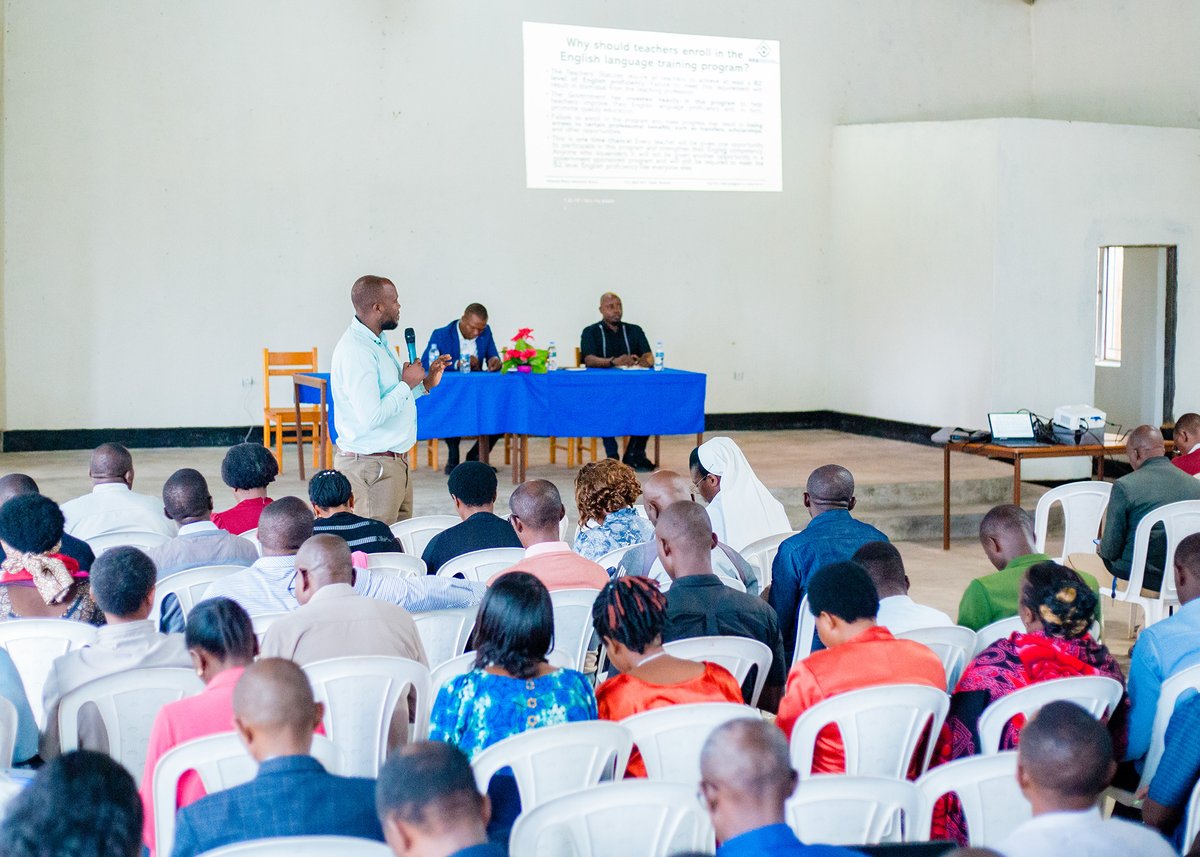
Today in @Nyamasheke, education leaders & HTs with teachers enrolled in the English Proficiency Training, met during the Sensitization & Accountability Meeting to reinforce leadership commitment and assess district- and school-level progress in supporting teachers’ participation.
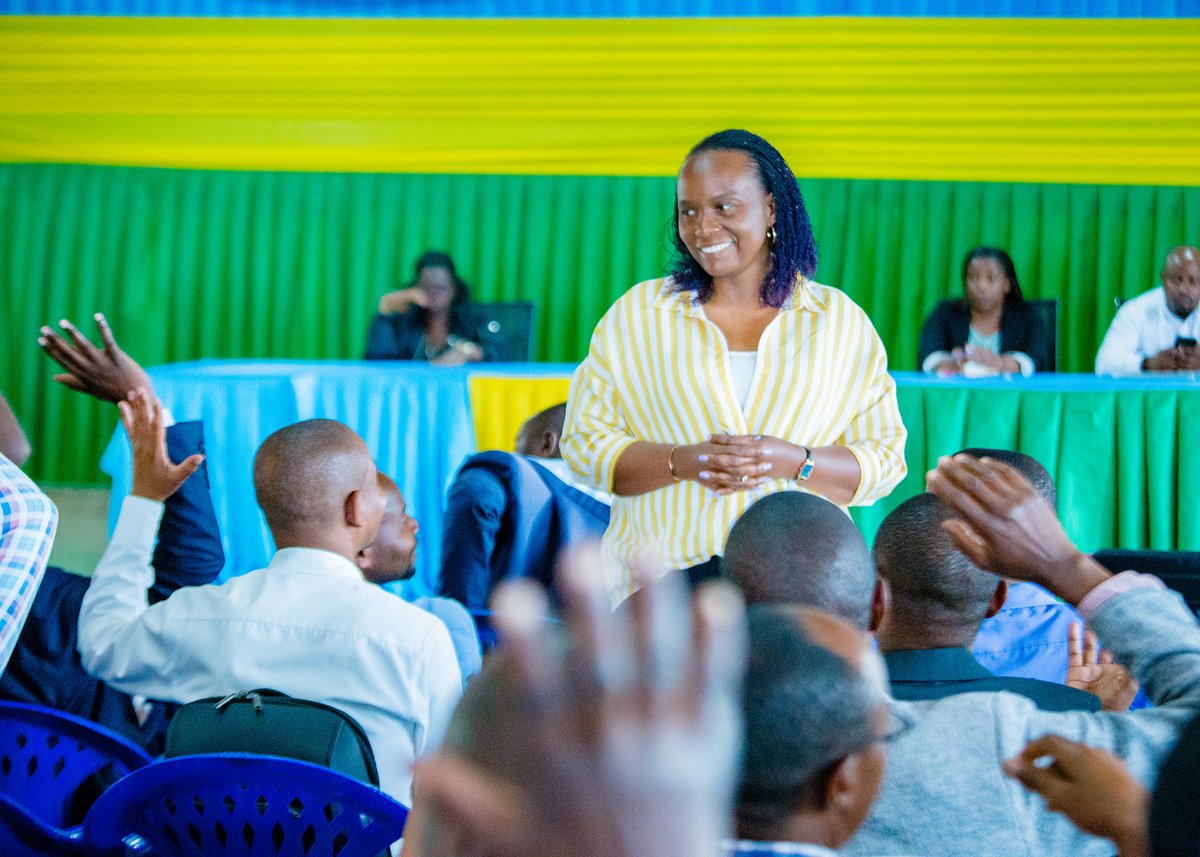
To open the meeting, the Vice Mayor for Social Affairs of @KarongiDistr reminded participants that strong commitment to the English Proficiency Training is essential, as it enables teachers to enroll & directly benefits them while contributing to the development of the country.
“Through regular attendance, live classes, self-study, & assessments, we can close classroom performance gaps by improving speaking,reading,listening, & writing skills that directly impact teaching&learning. Together we will achieve the required proficiency standards” @mutezigaju
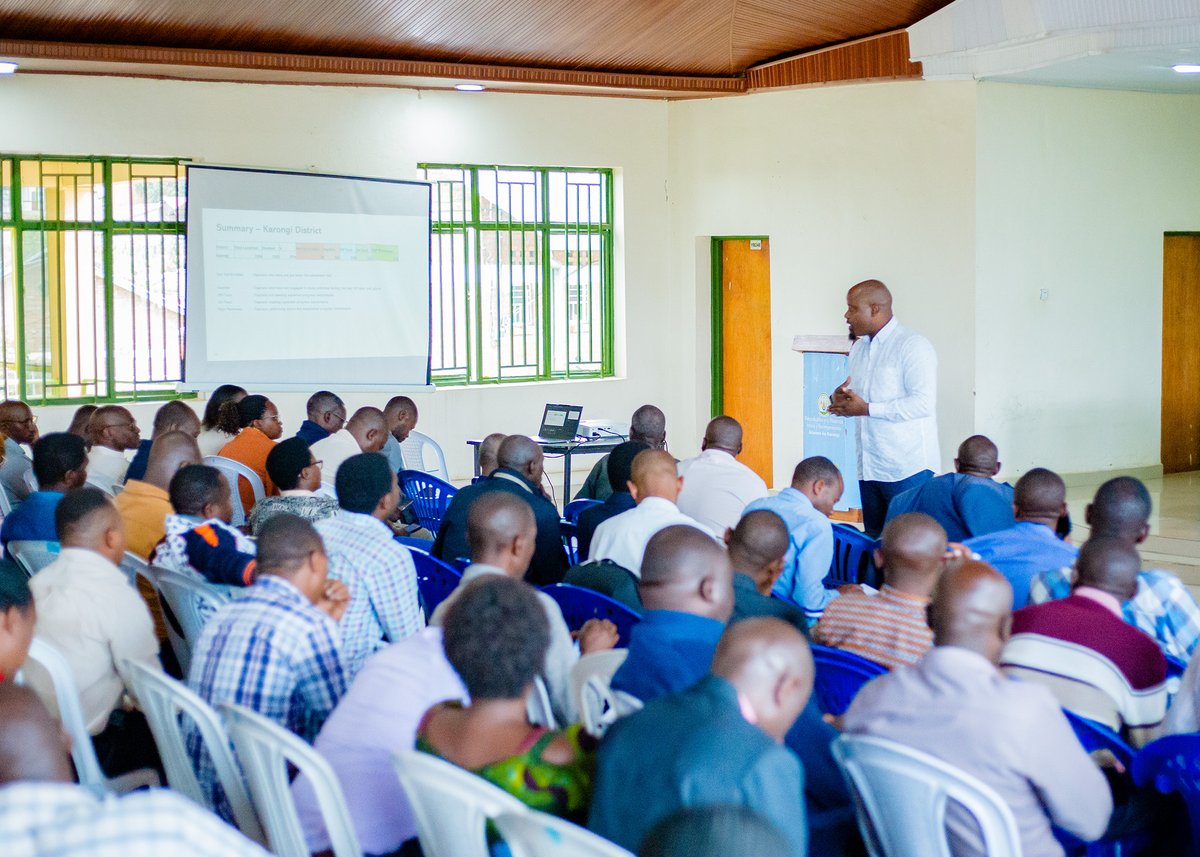
To address participants of the meeting,@mutezigaju emphasized that achieving B2 English proficiency is essential to teachers’ professional growth & career advancement, as it strengthens competence and confidence, supports performance evaluations, & opens up broader opportunities.
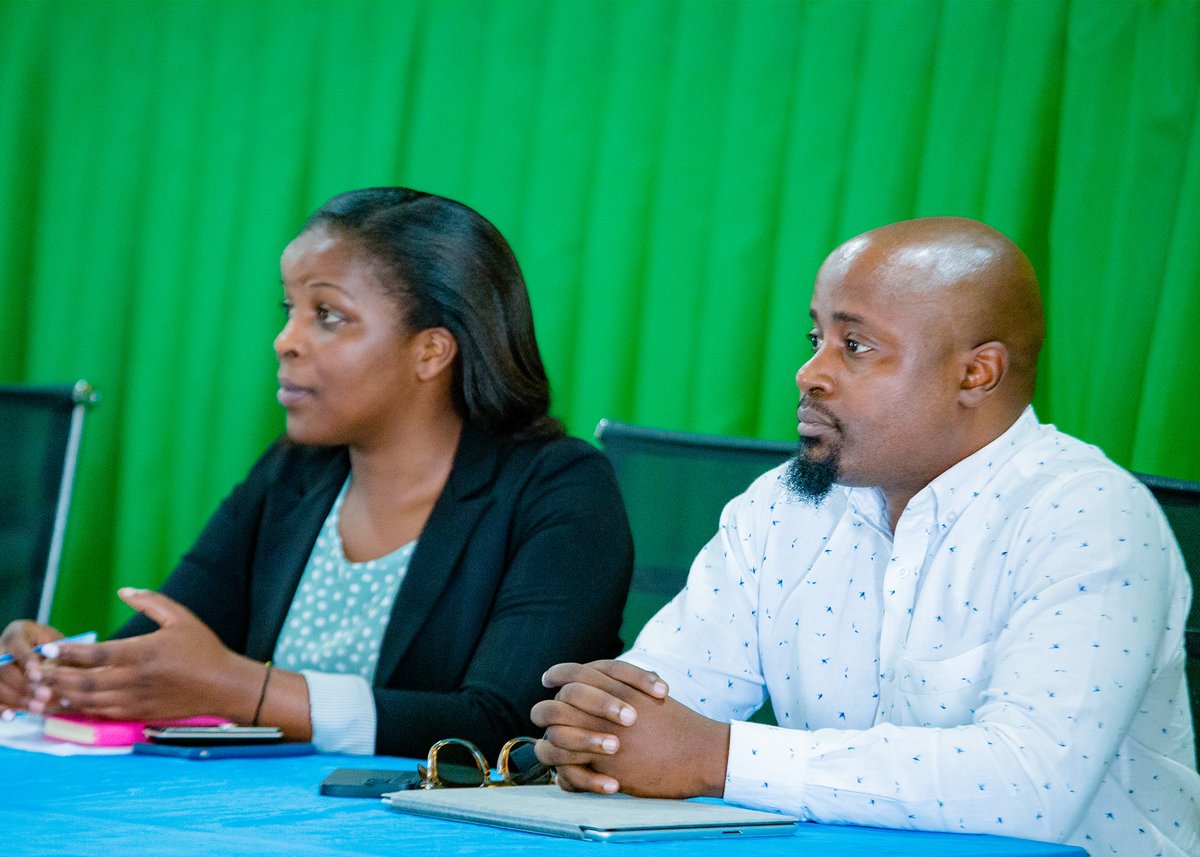
Participants of Sensitization and accountability meeting in @RwandaWest were Vice Mayor for Social Affairs of @KarongiDistr, SESs, SEIs, DEO and all Head Teachers with teachers enrolled in the English Proficiency Training. @mutezigaju
Today in @KarongiDistr, DDG REB @mutezigaju chaired the Sensitization & Accountability Meetings, focusing on strengthening leadership engagement and reviewing district- and school-level progress in supporting teachers’ participation in the English Proficiency Training.