🩺 CME INDIA | Clinical Pearls
🦶 GOUT: MORE THAN JUST FLARES
Biologics target the two fundamental components of gout—urate burden and crystal-driven inflammation.
🔹 1. Think dual pathology
Gout = hyperuricemia → MSU crystal deposition + NLRP3/IL-1β–mediated inflammation. Effective long-term management must address both.
🔹 2. Conventional therapy remains first-line
Allopurinol/febuxostat and conventional anti-inflammatory therapy remain appropriate for most patients. Biologics are specialized options—not routine replacements.
🔹 3. Pegloticase is a powerful urate-debulking option
For refractory/uncontrolled gout, pegloticase can produce profound urate reduction and facilitate tophus resolution.
🔹 4. Immunogenicity is the Achilles heel
Anti-drug antibodies can limit pegloticase response. Concomitant methotrexate or mycophenolate can reduce immunogenicity and improve sustained response.
🔹 5. IL-1 is a key inflammatory target
Anakinra has substantial off-label experience; canakinumab has regulatory approval in selected settings outside the US. IL-1 blockade is particularly relevant when conventional flare therapies are unsuitable.
🔹 6. NLRP3 inhibition is the emerging frontier
NLRP3 sits upstream of IL-1β. Agents such as OLT1177 (dapansutrile) and other NLRP3 inhibitors are under investigation—but remain developmental rather than routine gout therapy.
🎯 Therapeutic endpoint:
Serum urate <6 mg/dL + fewer flares + crystal/tophus dissolution + preserved function and quality of life.
💡 CME INDIA Take-Home
Treat the urate burden to modify the disease; control inflammation to protect the patient while the crystals disappear.
📚 Reference: Zhou Y, Zhang H, Liu N, et al. Biological Therapies for Urate Lowering and Inflammation Control in Gout Management. J Inflamm Res. Published March 16, 2026;19:592891. DOI: 10.2147/JIR.S592891.
🔗 Full article:
https://t.co/AFGGlds8hu
A new Clinical Practice article summarizes the classification, evaluation, risk stratification, and management of syncope. History, examination, electrocardiography, and orthostatic blood-pressure measurement identify the cause in most patients.
Read “Syncope” by Rose Anne Kenny, MD, DSc: https://t.co/69m7PyroLn
Ask AI Companion to provide a summary of this article for your patient. In Spanish.
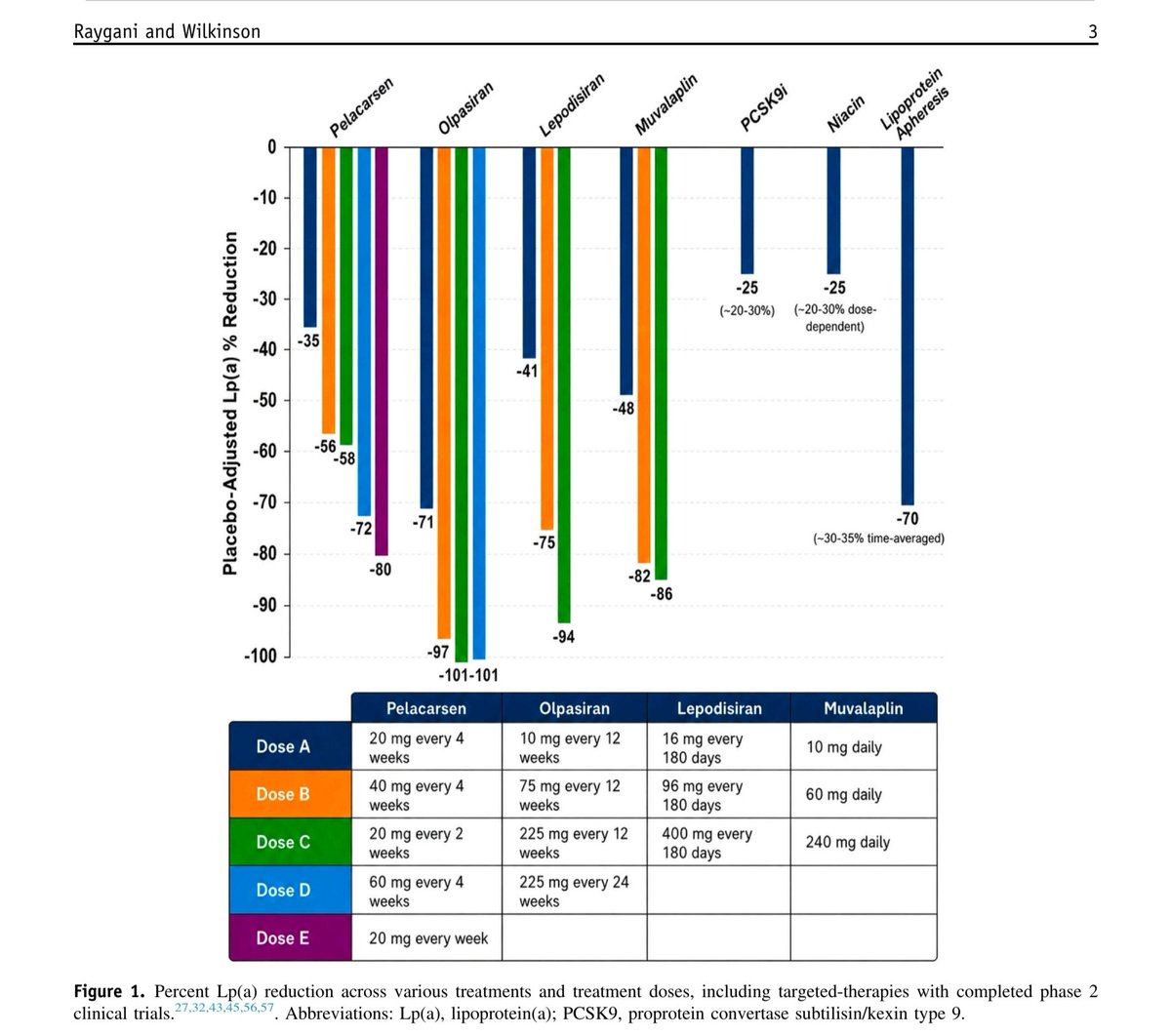
Emerging Therapies to Lower Lipoprotein(a): RNA Therapeutics and Beyond
Based on: Raygani S, Wilkinson MJ. Journal of Clinical Lipidology, 2026
🔹 Lp(a) is a genetically determined, independent causal risk factor for atherosclerotic cardiovascular disease (ASCVD) and calcific aortic valve disease, affecting nearly 20–25% of the global population.
🔹 Lifestyle modification has minimal impact on Lp(a) because circulating levels are largely genetically determined.
🔹 Current FDA-approved therapy: Lipoprotein apheresis remains the only approved treatment specifically for Lp(a) lowering, but it is expensive, invasive, and available only at specialized centers.
🔹 The 2026 ACC/AHA Dyslipidemia Guideline recommends one-time Lp(a) measurement in all adults, making Lp(a) testing a routine component of cardiovascular risk assessment.
🔹 PCSK9 inhibitors (evolocumab, alirocumab, inclisiran) lower Lp(a) by approximately 20–30%, but their primary benefit remains LDL-C reduction.
🔹 RNA therapeutics represent the most promising strategy by directly suppressing hepatic apo(a) synthesis rather than indirectly lowering Lp(a).
Emerging RNA Therapies
✅ Pelacarsen (antisense oligonucleotide)
Reduces Lp(a) by up to 80%.
Large HORIZON Phase 3 outcomes trial is expected to report in 2026.
✅ Olpasiran (siRNA)
Produces ~100% placebo-adjusted Lp(a) reduction in Phase 2 studies.
OCEAN(a)-Outcomes Phase 3 trial is ongoing.
✅ Lepodisiran (siRNA)
Achieves up to 94% reduction with prolonged activity, allowing very infrequent dosing (every 6 months in trials).
ACCLAIM-Lp(a) Phase 3 trial is underway.
✅ Zerlasiran (siRNA)
Produces up to 86% reduction in Lp(a).
Phase 3 development has been delayed.
Oral Therapy
🔹 Muvalaplin is the first oral small-molecule Lp(a) inhibitor, preventing apo(a)-apoB assembly instead of gene silencing.
🔹 Phase 2 studies demonstrated 70–86% reduction in Lp(a), with a favorable safety profile.
🔹 MOVE-Lp(a) Phase 3 cardiovascular outcomes trial is recruiting.
Future Directions
🔹 Gene-editing (CRISPR-based) therapies targeting the LPA gene may eventually provide single-dose, long-lasting treatment, although they remain in preclinical development.
🔹 The key unanswered question is whether profound Lp(a) reduction translates into fewer myocardial infarctions, strokes, and cardiovascular deaths. Multiple Phase 3 outcome trials will answer this over the next few years.
💎 CME INDIA Bottom Line
The field of Lp(a) management is undergoing a paradigm shift—from identifying elevated Lp(a) as a risk marker to directly treating it with highly effective RNA therapeutics. The results of ongoing Phase 3 outcome trials may establish Lp(a) lowering as the next major frontier in preventive cardiology.
https://t.co/DU6HmpwBk5
TOP 12 CLINICAL PEARLS
Adjunctive GLP-1 and Dual GLP-1/GIP Receptor Agonists in Type 1 Diabetes
Based on the 2026 International Consensus Report
1. GLP-1 therapy is an adjunct—not a replacement—for insulin.
These agents should never be used as substitutes for insulin in type 1 diabetes. Basal insulin must always be continued.
2. Choose the right patient.
The greatest benefit is expected in adults with obesity, overweight with comorbidities, insulin resistance, high insulin requirements, or significant insulin-associated weight gain.
3. Benefits extend beyond HbA1c.
Adjunctive therapy can improve Time in Range, reduce glycaemic variability, promote substantial weight loss, lower total daily insulin dose, and improve treatment satisfaction.
4. Start low and titrate slowly.
People with type 1 diabetes often require slower dose escalation than those with type 2 diabetes. Escalation should be guided by tolerance, appetite, weight loss, and glucose profile.
5. Reduce prandial insulin before basal insulin.
Meal-time insulin usually needs greater reduction than basal insulin. Insulin doses should be reviewed frequently as weight and food intake change.
6. Never discontinue basal insulin.
Even with excellent glucose control and marked weight loss, physiological basal insulin is essential to suppress ketogenesis. Excessive basal insulin reduction is the major trigger for ketosis and DKA.
7. Continuous glucose monitoring (CGM) is strongly recommended.
CGM enables safer insulin titration by tracking Time in Range, hypoglycaemia, glycaemic variability, and overnight glucose trends, allowing timely dose adjustments.
8. Ketosis is the major safety concern.
Reduced appetite combined with excessive insulin reduction can precipitate hyperglycaemic or euglycaemic diabetic ketoacidosis. Prevention requires education and close monitoring.
9. Blood ketones—not urine ketones—should guide evaluation.
Measure capillary β-hydroxybutyrate during persistent hyperglycaemia, illness, nausea, vomiting, abdominal pain, markedly reduced food intake, or suspected pump failure.
10. Do not mistake nausea for a simple drug side effect.
Nausea, vomiting, and abdominal discomfort may represent either GLP-1 intolerance or evolving DKA. Always assess blood glucose, ketones, and hydration before attributing symptoms to the medication.
11. Comprehensive patient education is mandatory.
Every patient should receive written guidance on insulin adjustment, ketone testing, sick-day rules, hydration, hypoglycaemia management, pump troubleshooting, and when to seek urgent medical care.
12. Long-term success depends on structured follow-up.
The optimal strategy is appropriate patient selection, conservative insulin reduction, CGM-guided titration, routine ketone monitoring, and regular follow-up rather than simply prescribing the drug.
Bottom Line
GLP-1 receptor agonists and dual GLP-1/GIP receptor agonists represent an exciting adjunctive option for selected adults with type 1 diabetes. The golden rule remains: Reduce insulin thoughtfully—but never stop basal insulin.
https://t.co/VcERi3ej3Z
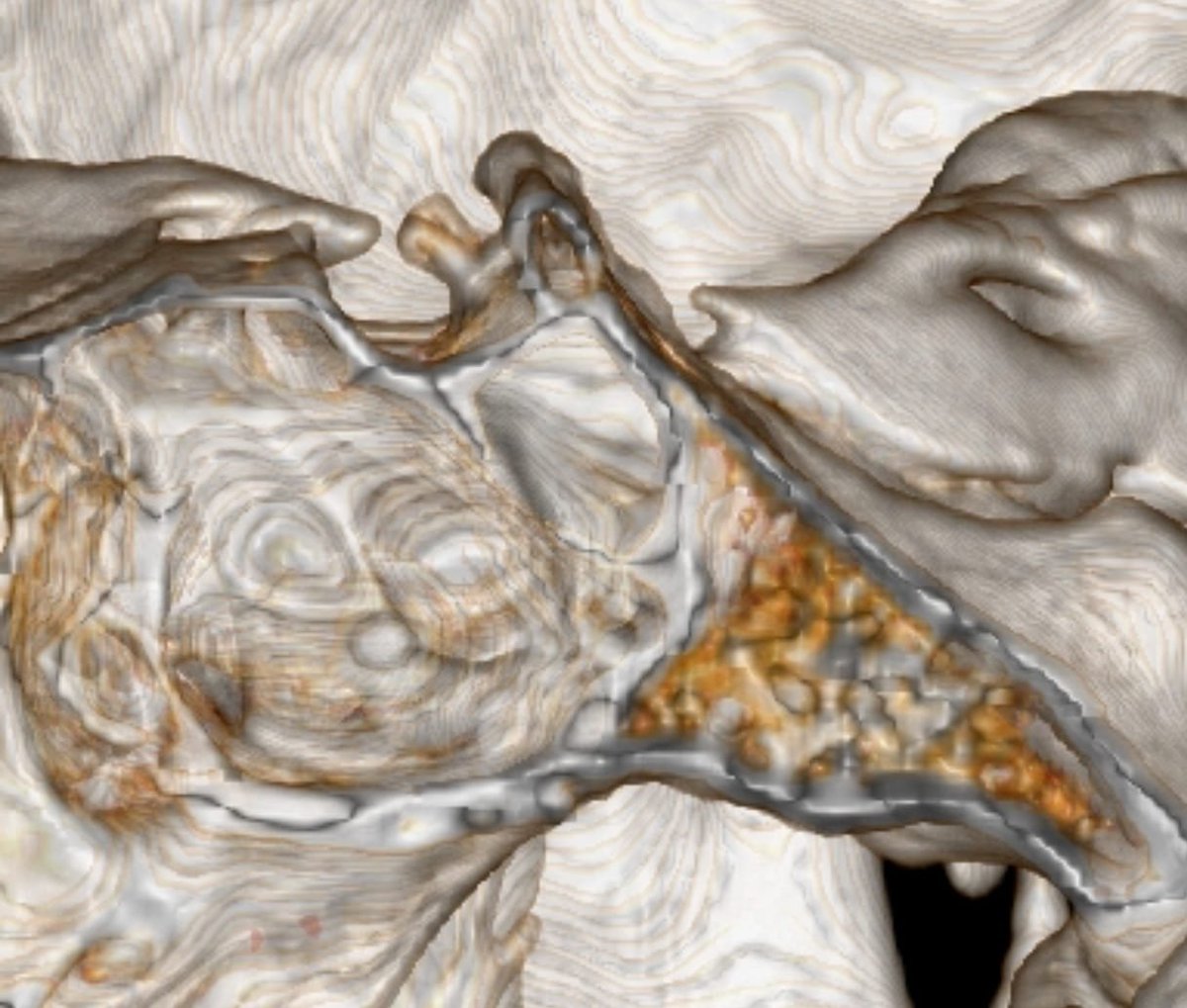
🧠 Spotting a rare variant: The **Sellar Spine**!
This rare (<0.1%) congenital bony spur projects from the dorsum sellae into the sella turcica. Most cases are entirely incidental and asymptomatic, but recognizing it is crucial to avoid misdiagnosis.
💡 **Neuroradiology Pearl:** The SINGLE most important sign is its **cortical continuity with the dorsum sellae**. While it appears as a low-signal focus on an MRI, a thin-section bone-window CT (the best modality) will easily confirm its benign, bony nature!
Check out the infographic to learn how to confidently differentiate it from pathological conditions like pituitary microadenomas, meningiomas, and Rathke cleft cysts. 👇
#Radiology #Neuroradiology #MedEd #FOAMrad #MedicalImaging #Anatomy
Fatty Pancreas Disorder (FPD): The Melbourne Consensus 2026
The first international consensus defining fatty pancreas as a distinct disease entity.
🔹 The One-Line Message
Not all fatty pancreas is innocent. Excess intrapancreatic fat is now recognized as a distinct pathological condition—Fatty Pancreas Disorder (FPD)—with important implications for diabetes, pancreatitis, and pancreatic cancer.
📌 What is Fatty Pancreas Disorder?
- FPD is a pathological state characterized by excessive intrapancreatic fat deposition (IPFD) that increases the risk of adverse health outcomes.
- It is not merely an incidental imaging finding and should be considered an organ-specific disease process.
---
🔬 What Constitutes Intrapancreatic Fat?
- IPFD comprises:
- Intrapancreatic adipocytes
- Lipid-rich inclusions within pancreatic cells
- Focal fat masses are excluded from the definition.
⚠️ Important Clinical Concepts
- A small amount of pancreatic fat is physiological.
- Pancreatic fat can increase:
- Without weight gain
- Without fatty liver
- Therefore, pancreatic steatosis should not be viewed simply as an extension of MASLD.
---
🩺 Two Distinct Types of FPD
Type 1 FPD
- Excess pancreatic fat without excess body fat
- Suggests mechanisms beyond obesity.
Type 2 FPD
- Excess pancreatic fat associated with excess body fat
- Reflects obesity-related pancreatic fat accumulation.
This classification may help personalize prevention and future therapeutic strategies.
---
🎯 Why Does It Matter?
FPD is associated with an increased risk of:
- Type 2 diabetes mellitus
- Acute and chronic pancreatitis
- Pancreatic cancer
- Exocrine pancreatic dysfunction
- Other pancreatic disorders under active investigation
---
🖥️ How Should We Diagnose It?
✅ MRI with voxel-wise fat quantification is the preferred diagnostic modality.
❌ Conventional endoscopic ultrasonography (EUS) should NOT be used to diagnose FPD, despite its widespread availability.
💡 Pathogenesis
- FPD usually reflects cumulative lifetime pancreatic insults rather than a single identifiable cause.
- The emphasis shifts from identifying one cause to understanding overall pancreatic fat burden and long-term risk.
⭐ Clinical Take-Home Messages
- Fatty pancreas is now a defined disease entity, not merely a radiological curiosity.
- Pancreatic fat should be evaluated independently of liver fat.
- MRI is the current gold standard for diagnosis.
- Recognition of FPD may improve risk stratification for diabetes, pancreatitis, and pancreatic cancer.
- Future research will determine whether reducing pancreatic fat translates into better clinical outcomes.
📚 Reference
The Melbourne Consensus on Fatty Pancreas Disorder (FPD). Nature Reviews Gastroenterology & Hepatology. 2026.
Article:
https://t.co/sjVVa33kCh
📚 CME INDIA Clinical Pearls
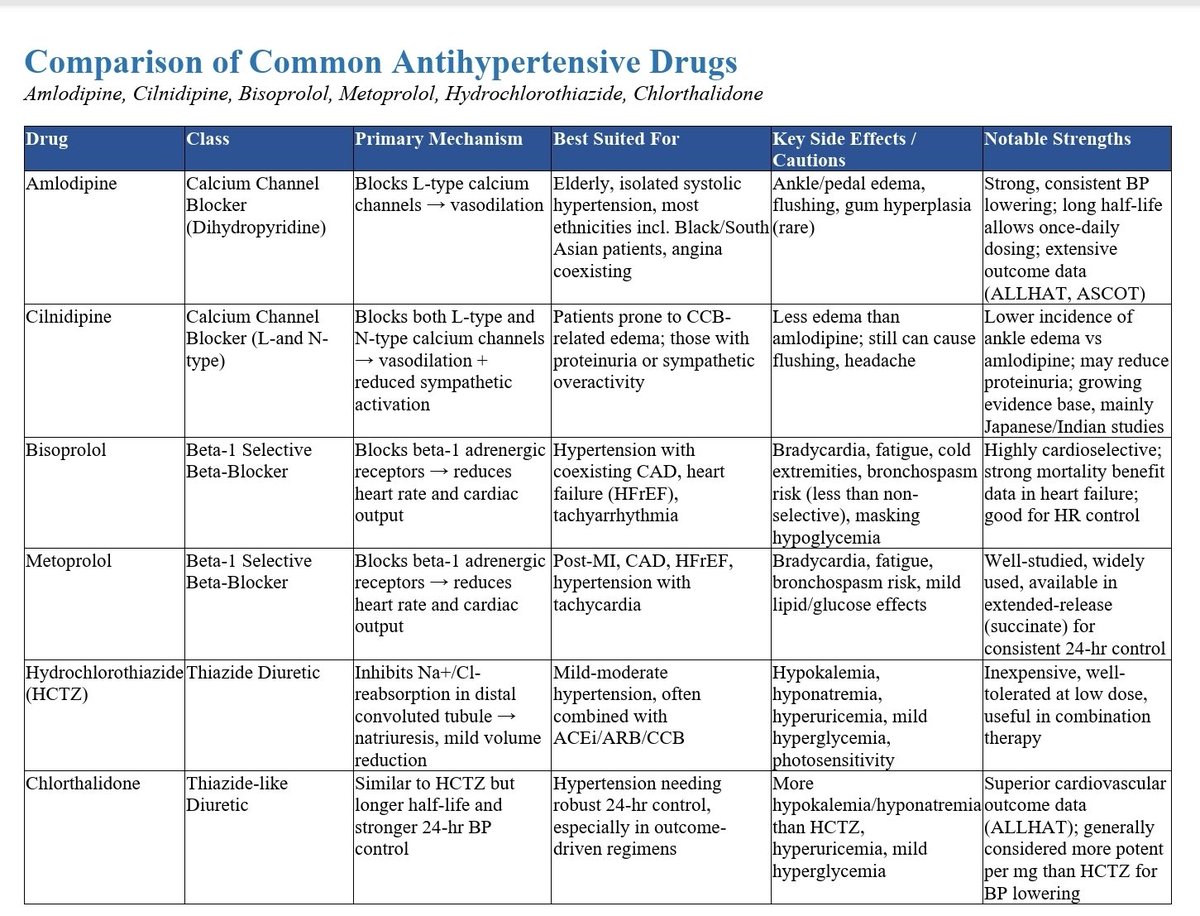
Comparison of Common Antihypertensive Drugs: Practical Bedside Selection
Based on the uploaded comparison chart
🔹 1. Amlodipine
Excellent first-line long-acting calcium channel blocker (CCB).
Particularly useful in elderly patients, isolated systolic hypertension, angina, and South Asian populations.
Major limitation: ankle edema and occasional gingival hyperplasia.
Strong cardiovascular outcome evidence (ALLHAT, ASCOT).
🔹 2. Cilnidipine
Blocks both L-type and N-type calcium channels, reducing sympathetic overactivity.
Causes less pedal edema than amlodipine.
May reduce proteinuria, making it attractive in hypertensive patients with CKD or diabetes.
Most evidence comes from Japanese and Indian studies.
🔹 3. Bisoprolol
Highly β1-selective beta-blocker.
Preferred when hypertension coexists with HFrEF, CAD, or tachyarrhythmias.
Watch for bradycardia, fatigue, and masking of hypoglycemia.
🔹 4. Metoprolol
Ideal after myocardial infarction, in CAD, HFrEF, and patients requiring heart-rate control.
Extended-release succinate provides smooth 24-hour control.
Not preferred as first-line therapy for uncomplicated hypertension.
🔹 5. Hydrochlorothiazide (HCTZ)
Widely used thiazide diuretic, often combined with ACE inhibitors, ARBs, or CCBs.
Monitor for hypokalemia, hyponatremia, hyperuricemia, and mild hyperglycemia.
Cost-effective and well tolerated at low doses.
🔹 6. Chlorthalidone
Longer half-life and more potent 24-hour BP control than HCTZ.
Superior cardiovascular outcome evidence from ALLHAT.
Higher incidence of electrolyte disturbances, especially hypokalemia.
💎 Key Clinical Take-Home Messages
✅ Drug choice should be individualized based on age, ethnicity, comorbidities, renal function, heart disease, and tolerability, rather than BP reduction alone.
✅ Current hypertension guidelines recommend ACE inhibitors/ARBs, long-acting dihydropyridine CCBs, and thiazide-type diuretics as preferred initial therapy for most patients. Beta-blockers should generally be reserved for compelling indications such as CAD, prior MI, HFrEF, or arrhythmias.
✅ Chlorthalidone provides longer BP control and greater potency than HCTZ, although the choice between them should consider electrolyte risk and patient characteristics.
✅ Cilnidipine is a valuable option in patients troubled by CCB-induced edema or those with diabetic kidney disease and proteinuria, though large outcome trials remain limited.
Courtesy: CME INDIA
🫀 CME INDIA Clinical Pearls
💊 FDA Approves LIPFENDRA® (Enlicitide): The First Oral PCSK9 Inhibitor
🔹 A historic milestone in lipid management!
The U.S. FDA has approved LIPFENDRA® (enlicitide) as the world's first once-daily oral PCSK9 inhibitor for adults with hypercholesterolemia, offering an oral alternative to injectable PCSK9 inhibitors.
📌 Key Clinical Pearls
✅ First-in-class
First and only once-daily oral PCSK9 inhibitor approved by the FDA.
✅ Mechanism of action
Oral macrocyclic peptide that binds circulating PCSK9, preventing LDL receptor degradation.
Increases hepatic LDL receptor recycling, leading to marked LDL-C reduction.
✅ Indication
Adults with primary hypercholesterolemia, including heterozygous familial hypercholesterolemia (HeFH).
Can be used with maximally tolerated statin therapy or when additional LDL-C lowering is required.
✅ LDL-C lowering efficacy
Produces approximately 55–60% reduction in LDL-C when added to background lipid-lowering therapy.
LDL reduction is rapid, sustained, and comparable to injectable PCSK9 monoclonal antibodies.
✅ Why is this important?
Eliminates the need for injections.
May improve patient acceptance, adherence, and long-term persistence with intensive lipid-lowering therapy.
✅ Safety
Generally well tolerated.
Common adverse effects were similar to placebo, including mild gastrointestinal symptoms and dizziness.
🎯 Clinical Implications
🩺 A potential game changer for:
Patients reluctant to take injectable PCSK9 inhibitors.
Individuals needing very low LDL-C targets despite statins ± ezetimibe.
Familial hypercholesterolemia.
High and very-high ASCVD risk patients requiring intensive LDL-C lowering.
⚠️ Important limitation
Approval is based on robust LDL-C lowering, while dedicated cardiovascular outcome trials evaluating reductions in myocardial infarction, stroke, and cardiovascular death are ongoing.
🏆 CME INDIA Take-Home Message
**LIPFENDRA® (enlicitide) ushers in a new era of lipid management by bringing highly effective PCSK9 inhibition into a convenient once-daily oral formulation. If long-term cardiovascular outcome trials confirm clinical benefit, it has the potential to substantially expand the use of intensive LDL-C lowering in routine practice.**
🩺 CME INDIA Clinical Pearls
🌿 GLP-1 Receptor Agonists in Hidradenitis Suppurativa (HS): Beyond Weight Loss
📚 Based on: JAMA Dermatology, July 2026 (Research Letter & Editorial)
🔹 Key Message GLP-1 receptor agonists may offer systemic benefits in patients with hidradenitis suppurativa (HS), particularly those with obesity and metabolic syndrome.
🔑 Clinical Pearls
✅ HS is strongly associated with obesity, insulin resistance, type 2 diabetes, and increased cardiovascular risk.
✅ Patients receiving GLP-1 receptor agonists had better clinical outcomes, including lower mortality and fewer major cardiovascular events, compared with matched controls in an observational analysis.
✅ Benefits are likely multifactorial: • Weight reduction • Improved insulin sensitivity • Reduced systemic inflammation • Possible direct immunometabolic effects.
✅ GLP-1 RAs should not yet be considered primary therapy for HS, but they may be an excellent adjunct in patients with coexisting obesity or diabetes.
✅ These findings support a multidisciplinary approach, addressing both the skin disease and its metabolic comorbidities.
🎯 CME INDIA Take-Home Message
Treat the patient—not just the skin. In hidradenitis suppurativa with obesity or diabetes, GLP-1 receptor agonists may provide dual benefits by improving metabolic health while potentially enhancing overall HS outcomes. However, randomized clinical trials are still needed before recommending GLP-1 RAs specifically as HS treatment.
📚 Reference JAMA Dermatology. GLP-1 Receptor Agonist Use and Clinical Outcomes in Patients With Hidradenitis Suppurativa. Published online July 1, 2026.
https://t.co/PnawkYL71O
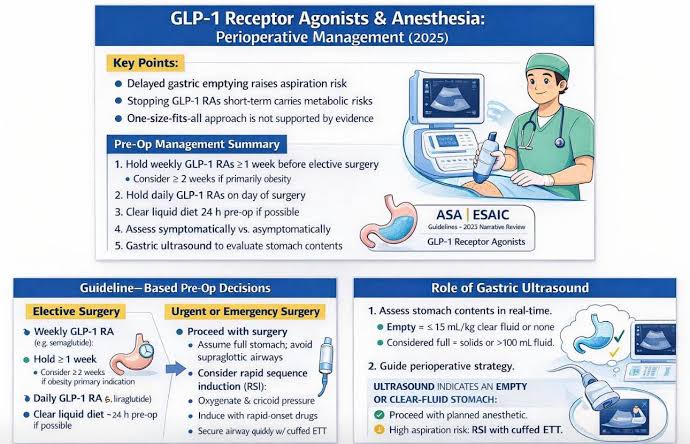
Semaglutide and Anesthesia.
Semaglutide causes delayed gastric emptying. Even with prolonged fasting, the drug slows the natural contraction of the stomach, leaving undigested food and gastric secretions in the digestive tract.
This significantly increases the risk of pulmonary aspiration if the patient is sedated or given general anesthesia.
Here are the specific reasons why this happens:
*As a GLP-1 receptor agonist, Semaglutide directly stimulates the brain and gut to delay stomach emptying.
This prolonged feeling of fullness is a key mechanism for both weight loss and blood sugar control.
*Semaglutide has a very long duration of action.
Its effects persist for days, meaning the stomach remains sluggish even if a patient fasts for 8–12 hours before a procedure.
*Routine preoperative fasting instructions are designed for the general population and typically assume normal gut motility.
Because of the drug, these timeframes are often insufficient for patients on Semaglutide.
Because of this hidden aspiration risk, the American Society of Anesthesiologists (ASA) has developed specific guidelines for managing GLP-1 medications prior to procedures.
https://t.co/KvkOAXMcbH
For those who do hospital-based medicine, the ritual of the daily exam discussed here. We're probably going to keep doing at least some of it even though it usually yields nothing. Here's why.
(Link in ⬇️) @NEJM@NEJMClinician