Boarded a flight and walked up to my seat. I was at 8A, but there was a young 20 something slightly built man already sitting there. He was in plain unbranded clothes. He asked me nervously 'yeh window seat aapki hai kya'. Generally I am adamant about sitting on my seat, especially with entitled folks. But saw this guy and felt what do I have to lose. Clearly this was his first flight. Let him have an experience. I said 'aap baith jaiye' and smiled. Whole flight the guy looked out of the window in awe and I kept getting that fuzzy feeling. On landing he again thanked me as I smiled and said 'No problem'. Then he got a phone call from someone and shouted '20 peti laga de Bharti Airtel pe. Marwadi hu yeh mauka jaane nahi dunga'.
Chu*iya kat gaya bc.
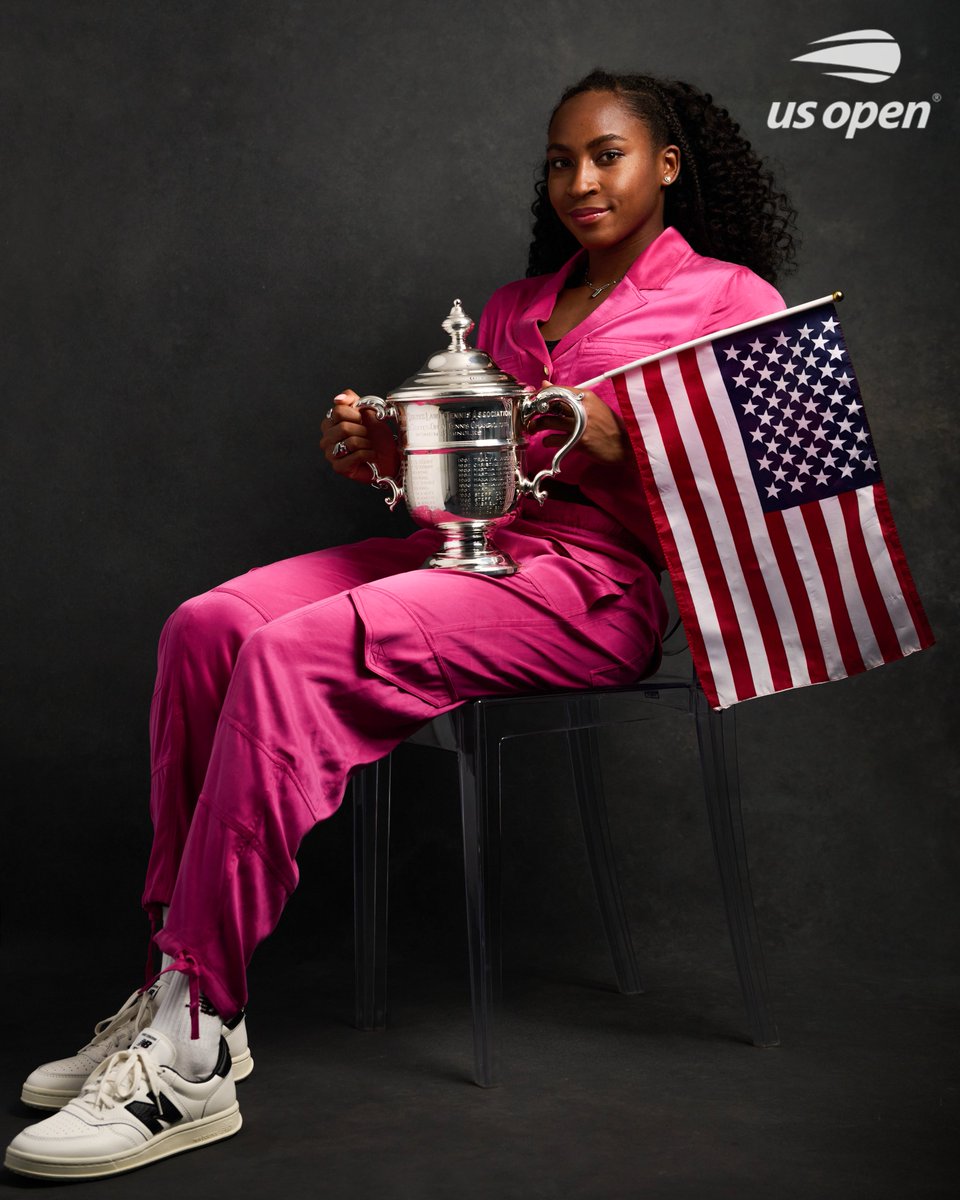
“Thank you to the people who didn’t believe in me. To those who thought they were putting water on my fire, you put gas on it.” - Coco Gauff 😍👍❤️👏👏👏👏
#A_StarIsBorn 🌟
Napoleon Bonaparte's death mask in bronze, cast 40 hours after his death on 5 May, 1821. During Napoleon's era, it was customary to create a death mask for prominent leaders who had recently passed away. Napoleon's own death mask, dated May 5, 1821, is believed to have been crafted, most likely, by Dr. Francesco Antommarchi, his personal physician who was present during his demise on Saint Helena Island in the South Atlantic.
The process involved applying wet plaster to Napoleon's face, allowing it to harden, and then carefully removing it to produce a mold from which copies could be made. However, a degree of mystery and controversy surrounds the original cast molds. Some argue that Francis Burton, a surgeon from the British Army's Sixty-Sixth Regiment stationed on St. Helena, conducted the autopsy and cast the original mold during the postmortem, with Antommarchi later producing a copy.
Numerous copies of the death mask were produced, with some given to close associates and family members, while others were sold or displayed in museums. This death mask is regarded as an accurate representation of Napoleon's appearance in death, showing his thin, drawn face with sunken cheeks and closed eyes.
Some speculations have arisen suggesting that the death mask may reveal traces of arsenic poisoning, a rumored cause of Napoleon's death, but this theory remains unproven.
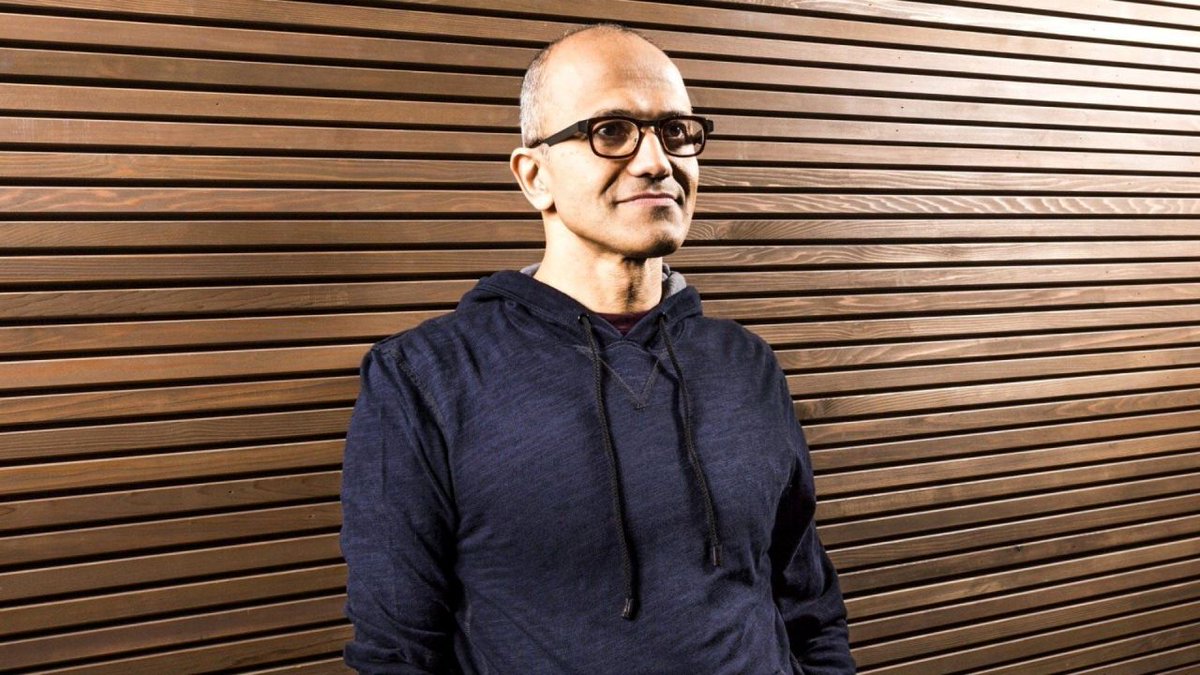
A personal story about Satya Nadella's superpower from a Microsoft VP:
"A few weeks after I joined Microsoft, Satya randomly called me and my manager to chat.
During those 30 minutes, he only asked questions. He asked about our thoughts on the product strategy, Microsoft’s culture, and what we thought needed change.
Here you have this CEO of a $2 trillion company just listening to two new employees instead of telling us what to do. That’s remarkable.
Later on, I realized that this is how Satya gathers signal.
He’s really good at getting different points of view from different sources and then connecting the dots on what needs to be fixed.
It’s remarkable that he can do this without falling into the temptation of telling you what to do."
As Satya himself wrote in his book, Hit Refresh:
"Listening is the most important thing that I accomplished each day because it would build the foundation of my leadership for years to come."
There’s a $13 billion fund that you likely have never heard of that has tripled the returns of the average hedge fund over the last 20 years.
The most surprising thing is that their investment strategy involves buying and selling the same few hundred stocks.
Let’s dive in!
Wknd 🧵- Modi the STEM genius
With Chandrayaan3 there is desperate hysteria amongst Modi fans to project him as some sort of a Science pioneer. Modi himself has become all sciencey in everything he says
Its time to put together some of his STEM gems: watch at leisure 😊
1/15
In 1954, American tap dancer Arthur Duncan made his debut on the Betty White show. Betty White faced criticism for featuring a Black performer, but she responded with, "I'm sorry. Live with it." She even gave Duncan more airtime. However, shortly after, her show was canceled.
Duncan had kind words for Betty, saying, "She [Betty] is probably one of the nicest, grandest, and greatest people I've had the chance to meet in my life. Whenever she walked into a room, it lit up. She was very thoughtful and helpful. She launched me into show business."
Reflecting on the time he spent on Betty's show, Duncan mentioned, "During my appearance on [Betty's] show, some viewers from different areas resented the inclusion of Black Americans and threatened to withdraw their support. I was unaware of these events at the time and only learned about them several years later after Betty wrote her book. She explained it this way: 'Needless to say, we used Arthur Duncan every opportunity we could.' She stood up for her beliefs, and that resolved the situation."
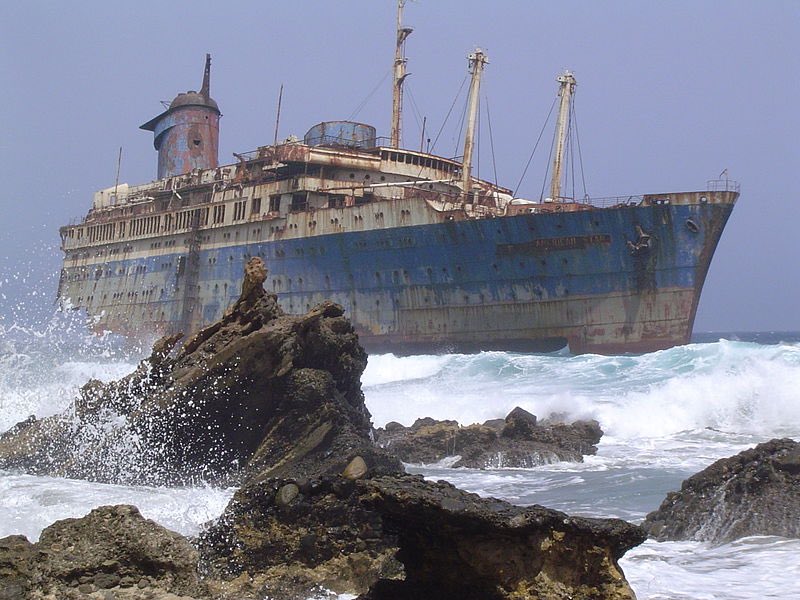
The SS America, a remarkable ocean liner and cruise ship designed by the renowned naval architect William Francis Gibbs, had a rich history spanning 54 years from its construction in 1940 until its tragic shipwreck in 1994.
In October 1992, the ship was sold with ambitious plans of transforming it into a luxurious five-star hotel ship off the coast of Phuket, Thailand. The grand vessel was renamed American Star and underwent significant modifications: its propellers were removed and placed on the deck at the bow, the funnel was painted red, and ladders were welded to starboard, all in preparation for the tow.
In December 1993, American Star embarked on its final journey, leaving Greece under tow by the Ukrainian tugboat Neftegaz-67. However, fate had other plans for the majestic ship. While sailing in the Atlantic, the vessel encountered a fierce thunderstorm, causing the tow-lines to snap. Desperate efforts to reattach emergency tow-lines proved unsuccessful, leaving the ship adrift.
In a daring rescue operation, the crew aboard American Star was evacuated by helicopter on 17 January 1994, just before the ship went aground in the Canary Islands at 6:15 am on 18 January. Amid ongoing discussions among the ship's owners, the towing firm, and the insurance companies, the once-grand vessel was left to the mercy of nature.
Within the first 48 hours of grounding, the relentless pounding surf of the Atlantic mercilessly broke the ship in two, just past the second funnel. The ship's tragic fate was sealed, and it was officially declared a total loss on 6 July 1994.
Received on WhatsApp from a brilliant friend:
Here is solid business startup idea :
The rates per kg for tomatoes as reported by tv channels are as follows:
NDTV - ₹ 120
AJ TAK - ₹ 100
News 18 - ₹ 80
DD News - ₹ 70/-
My business idea- let's buy tomatoes from DD News and sell them to NDTV!
I really don't like the X logo, so I changed it back to birdie using iOS shortcuts.
Here's how you can do it too: https://t.co/9UhelR0QzV
#x#twitter#automation
Most Test Matches
#OnThisDay in 2010, @sachin_rt became the most test capped player when he played his 169th Test (surpassing Steve Waugh’s record of 168 Test matches).
What’s your fav memory of Sachin Tendulkar’s Test career?
In Russia, during the Cold War, hundreds of old steam-engine trains were strategically parked on old tracks as a contingency plan in case the Russian electric grid faced any disruptions. The central Perm region of Russia is home to a unique sight - a train cemetery filled with dozens of steam locomotives from the 20th century, dating as far back as 1936 and as recent as 1956. Over the years, around 140 locomotives were stored there, but as technology advanced, steam engines were gradually replaced by electric power, rendering these reserve trains obsolete. As maintenance on the locomotives ceased, they fell into disrepair, succumbing to rust and overgrown vegetation.
In recent times, some of the abandoned trains have been purchased and removed by Chinese owners, while others have been restored and transformed into exhibits at various museums and memorials. This train cemetery remains as a testament to an era when steam locomotives played a vital role in Russia's transportation infrastructure during the Cold War.
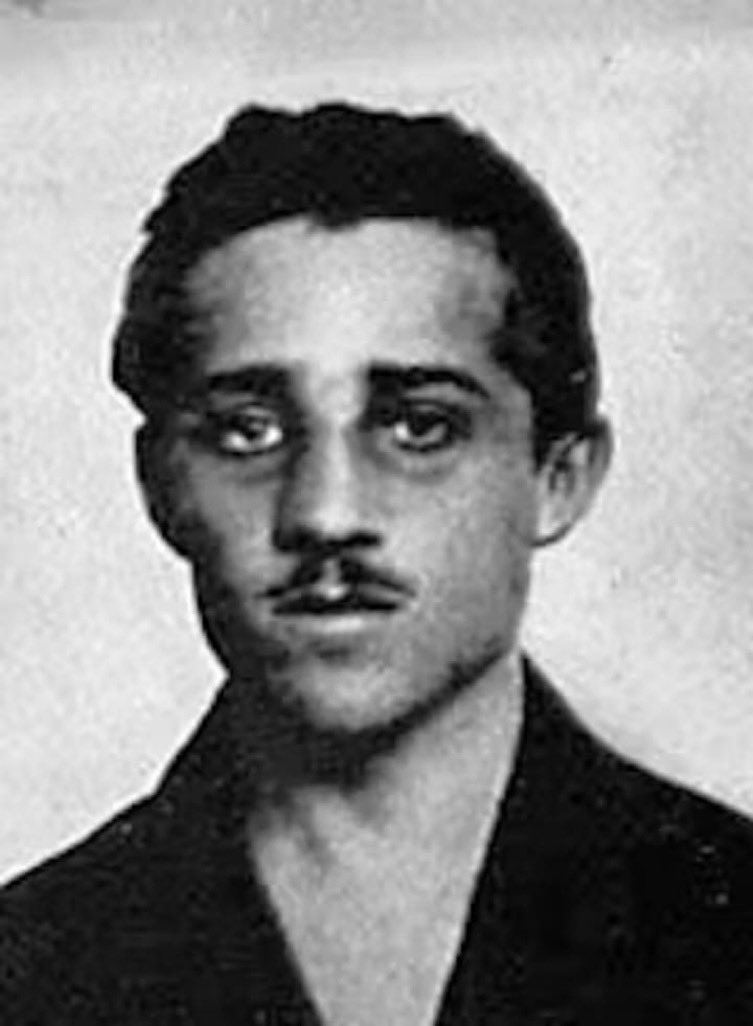
In 1914, a young Serbian nationalist named Gavrilo Princip assassinated Archduke Franz Ferdinand of Austria and his wife Sophie in Sarajevo, triggering the outbreak of World War I.
However, the assassination was not a simple act of fate, but rather a result of a series of coincidences and blunders. Princip was part of a group of six conspirators who had planned to kill the archduke as he drove through the city in an open car. However, their first attempt failed when one of them threw a bomb that bounced off the car and exploded behind it, injuring some bystanders.
The archduke's car sped away and the other conspirators lost their chance to shoot him. Princip, who had been stationed near a bridge, gave up and went to a nearby cafe to get a sandwich.
Meanwhile, the archduke decided to visit the hospital where the bomb victims were taken, but his driver took a wrong turn and ended up on the same street where Princip was eating. As fate would have it, the car stopped right in front of the cafe, giving Princip the opportunity to shoot the archduke and his wife at point-blank range.
The assassination precipitated the crisis which led to Austria-Hungary declaring war on Serbia and the start of World War I.
The first image is of Archduke Franz Ferdinand and his wife Sophie riding in an open carriage shortly before their assassination. The second photo is of the killer, Gavrilo Princip.
Stop scrolling! Don't shake this thread off!
Introducing...
Private equity firms as Taylor Swift looks! 🔥🔥
(Look what you guys made me do.)
Starting with:
BAIN CAPITAL
(1/16)









![historyinmemes's tweet photo. In 1954, American tap dancer Arthur Duncan made his debut on the Betty White show. Betty White faced criticism for featuring a Black performer, but she responded with, "I'm sorry. Live with it." She even gave Duncan more airtime. However, shortly after, her show was canceled.
Duncan had kind words for Betty, saying, "She [Betty] is probably one of the nicest, grandest, and greatest people I've had the chance to meet in my life. Whenever she walked into a room, it lit up. She was very thoughtful and helpful. She launched me into show business."
Reflecting on the time he spent on Betty's show, Duncan mentioned, "During my appearance on [Betty's] show, some viewers from different areas resented the inclusion of Black Americans and threatened to withdraw their support. I was unaware of these events at the time and only learned about them several years later after Betty wrote her book. She explained it this way: 'Needless to say, we used Arthur Duncan every opportunity we could.' She stood up for her beliefs, and that resolved the situation."](https://pbs.twimg.com/media/F4e6aycXkAARho4.jpg)