Under the leadership of PM Shri @narendramodi , India has emerged as a global leader in wetland conservation.
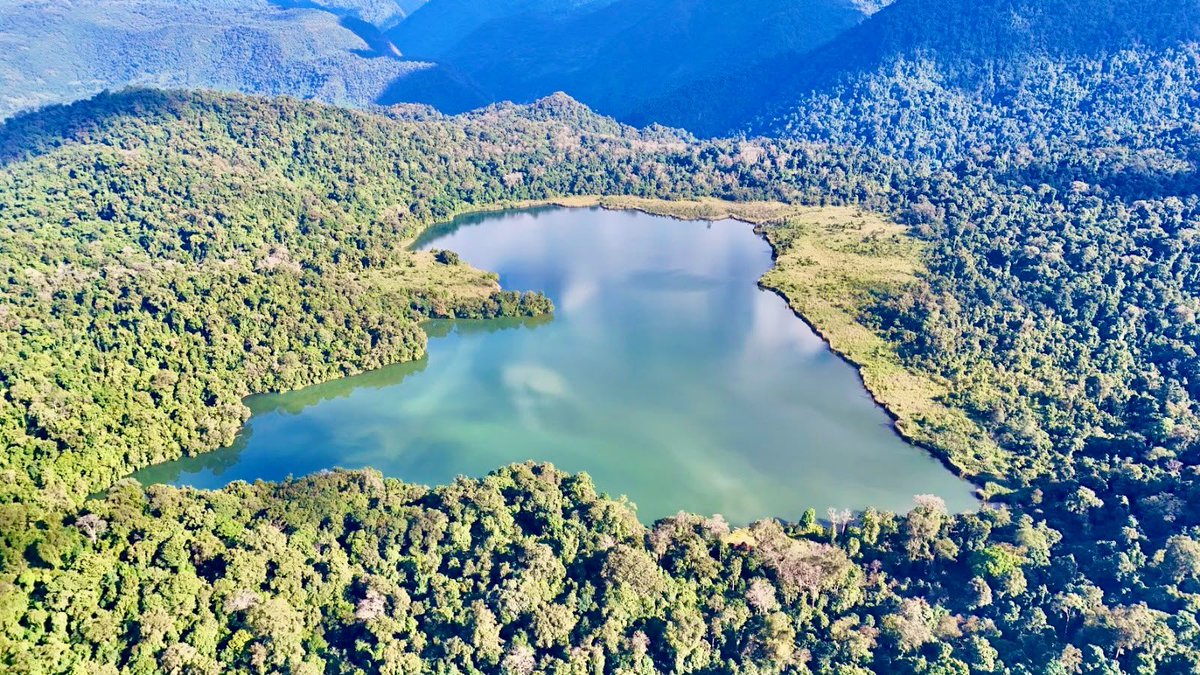
India's network of #RamsarSites has grown to 101 with the designation of Glaw Lake as Arunachal Pradesh's first Ramsar Site.
Situated within the Kamlang Tiger Reserve & Wildlife Sanctuary, this pristine freshwater lake in the Eastern Himalayas supports exceptional biodiversity, with over 150 tree species and 49 orchid species recorded within the site and its catchment.
The designation reflects India's continued commitment to wetland conservation, ecological sustainability, and environmental stewardship.
#Wetlands
A billionaire went on stage and explained in 42 minutes how the entire economy works. for free. Wall Street spent the next decade pretending nobody saw it.
he didn't sell a course. he didn't plug a fund. he stood at a whiteboard and drew three lines that explain every crash, every recovery, and every rate decision since 1929.
MBA programs charge $200,000 to teach frameworks he covered in the first 15 minutes. six of the models he drew on that board are still classified as proprietary at three major banks. he gave them away on YouTube.
the part nobody talks about: he predicted exactly what happened in 2020, two years before it played out. interest rates hitting zero, the central bank running out of tools, the money printer. he drew it on a whiteboard in 2018 like he was reading tomorrow's newspaper.
a portfolio manager at a top-five firm told me every new analyst on his desk watches this before they're allowed to open a terminal. not the CFA prep. not the internal training. this one lecture.
40 million people have seen it. almost none of them can name the three forces he draws in the first ten minutes.
it is still free.
Did you know? Sanya is the new island favorite for SEA travelers.
We've moved beyond the postcards to bring you the real vibes! With street interviews and local insights, let’s discover why this tropical escape is on Southeast Asians' radar.
🚖 Mumbai launches India’s first pod taxi project in Bandra Kurla Complex.
📍 The elevated Automated Rapid Transit System will feature 22 stations with driverless electric pods carrying 6 passengers each.
🚧 Tunnelling also begins for the Thane–Borivali Twin Tunnel, set to be India’s longest urban road tunnel.
⏱️ The corridor under Sanjay Gandhi National Park will cut travel time between Thane & Borivali to about 15 minutes.https://t.co/Nl94vfnMhz
Ma Ganga isn’t just flowing anymore, she’s now landing new possibilities too.
With seaplane trials touching down at Ganga Barrage, Haridwar, a new chapter of seamless regional connectivity is taking shape, bringing pilgrims, tourists, and regions closer than ever.
#Ganga #Haridwar #RegionalConnectivity #NamamiGange
Step into Ancient #Pella, the birthplace of Alexander the Great. 🏛️
Wander through ruins, admire mosaics, and discover a city that once shaped history.
#VisitGreece
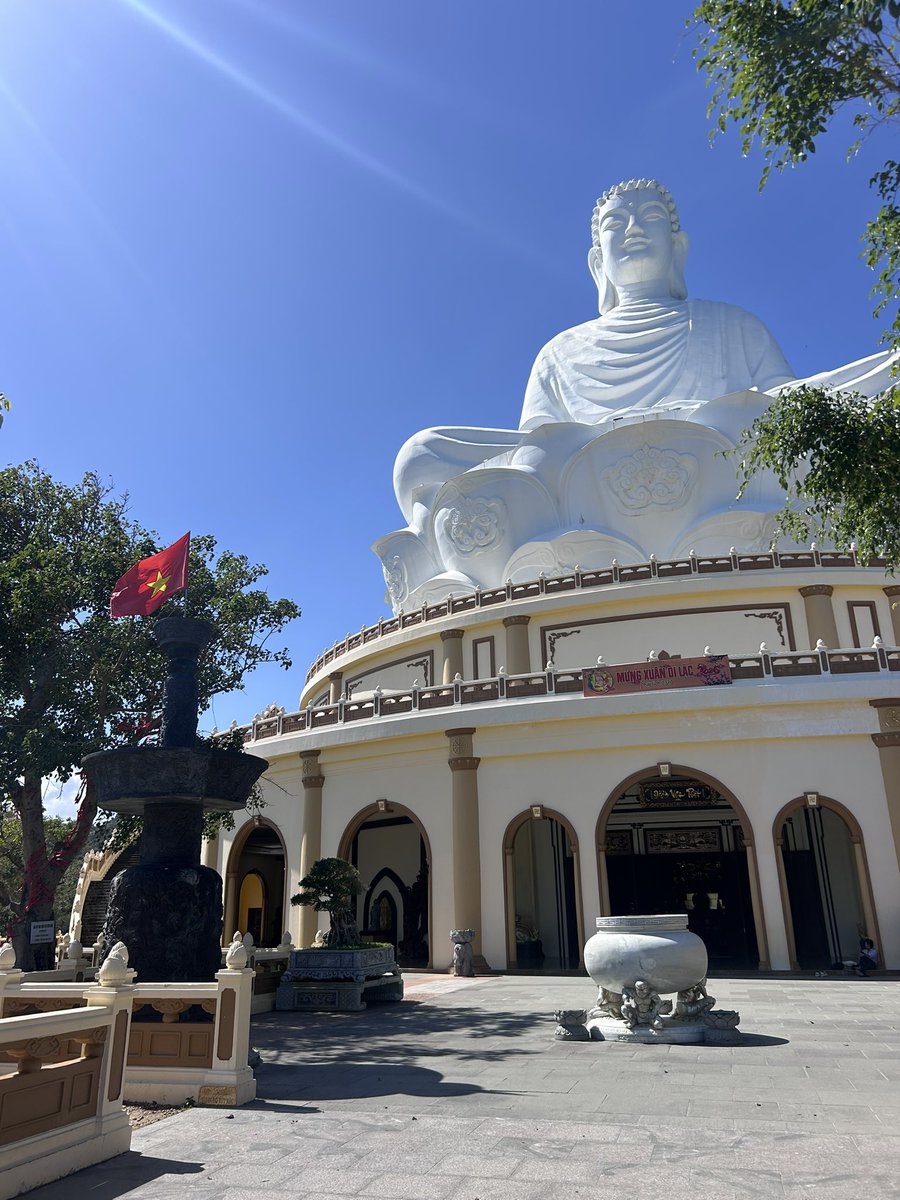
20 best places to visit in asia in april
1. 🇻🇳 Hanoi, Vietnam 🏙️
2. 🇻🇳 Nha Trang, Vietnam 🐚
3. 🇻🇳 Ninh Binh, Vietnam 🏞️
4. 🇻🇳 Hue, Vietnam 🏯
5. 🇻🇳 Da Nang, Vietnam 🏖️
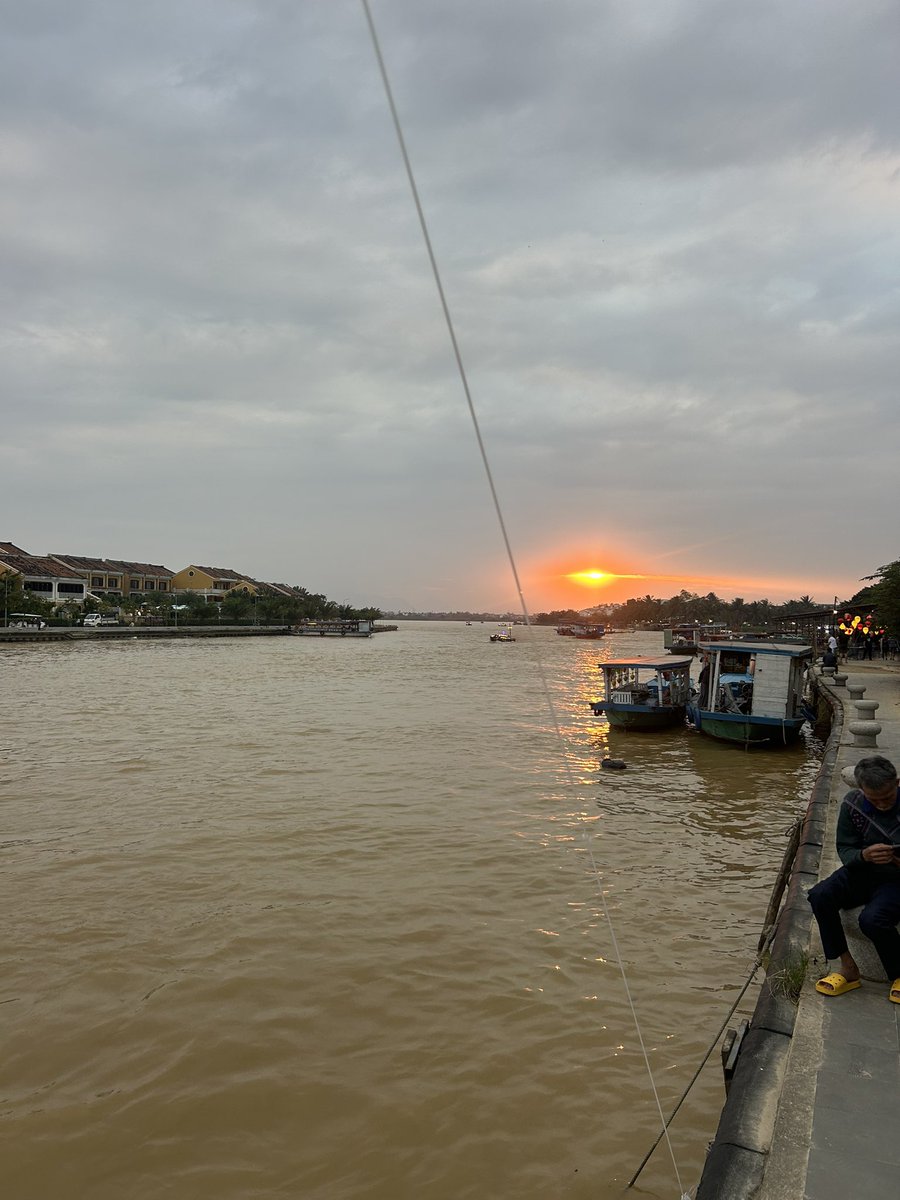
6. 🇻🇳 Hoi An, Vietnam 🏮
7. 🇻🇳 Quy Nhon, Vietnam 🌅
8. 🇻🇳 Ha Long Bay, Vietnam 🌊
9. 🇻🇳 Da Lat, Vietnam 🌲
10. 🇻🇳 Phu Quoc, Vietnam 🏝️
11. 🇻🇳 Ho Chi Minh City, Vietnam 🛵
12. 🇻🇳 Sapa, Vietnam 🏔️
13.🇻🇳 Mui Ne, Vietnam 🏜️
14.🇻🇳 Cat Ba, Vietnam 🌿
15.🇻🇳 Con Dao, Vietnam 🐢
16.🇻🇳 Phong Nha, Vietnam 🦇
17.🇻🇳 Ha Giang, Vietnam 🏍️
18.🇻🇳 Tam Coc, Vietnam 🚣
19.🇻🇳 Ba Na Hills, Vietnam ☁️
20.🇻🇳 Moc Chau, Vietnam 🌸
one country, twenty reasons to pack your bag 🇻🇳
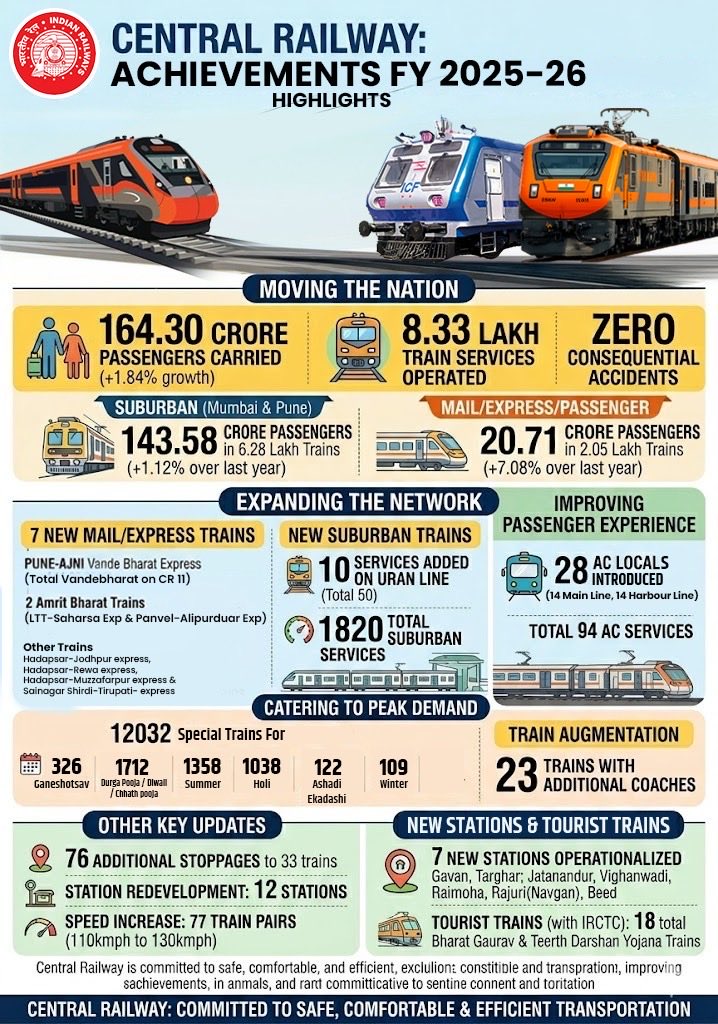
Central Railway continues to power India’s mobility with remarkable achievements in FY 2025–26.
🔹 164.30 Crore passengers carried
🔹 8.33 lakh train services operated
🔹 Zero consequential accidents.
Mumbai & Pune suburban lifeline carried 143.58 Crore passengers, while Mail/Express services served 20.71 Crore passengers.
Network expansion, new trains, AC locals, enhanced services, and improved passenger experience remain our priority.
Central Railway remains committed to safe, comfortable & efficient transportation.
@RailMinIndia
Girnar is not just about the view, it’s the vibe. Peace in the air, beauty in every direction and a calm that stays with you long after you leave.
📍Girnar, Junagadh
📹 welcome.junagadh (Instagram)
#Girnar#Junagadh#GujaratTourism
Mount Yoshino in Japan has been blooming with cherry blossoms for over a thousand years
More than 30,000 cherry trees were planted here in four groves at different altitudes so they would come into bloom at different times of the spring
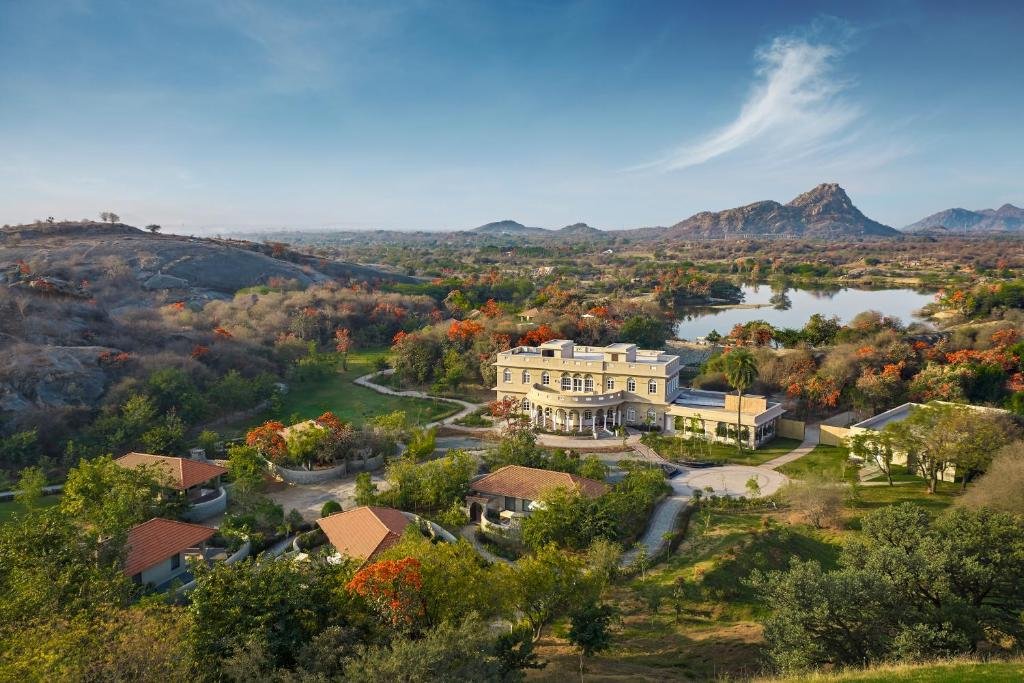
Kumbhalgarh Fort, known as the Great Wall of India, rises from the rugged Aravalli Hills in Rajasthan's Rajsamand district, roughly 84km from Udaipur - Rajasthan - India 🇮🇳
The fort's origins can be traced back to the 6th century, when it is believed to have been initially constructed by King Samprati, a grandson of the Mauryan Emperor Ashoka.
However, the fort as it stands today was commissioned in the 15th century by Rana Kumbha, the renowned ruler of the Mewar dynasty, from whom it takes its name.
He chose this hilltop location because of its height and isolation, as the Aravalli Hills made it extremely difficult for enemies to approach.
The fort was designed by the famous architect Mandan, who was known for his deep knowledge of ancient Indian architecture.
Rana Kumbha ordered construction to begin in 1448 AD, and the fort served as his second most favored capital.
The construction spanned several decades, finally completing in 1468, the year of Rana Kumbha's death at the hands of his own son, Uda.
The kingdom of Mewar greatly prospered under Rana Kumbha, who was not only a great warrior but also a patron of art and culture.
Rana Kumbha's kingdom of Mewar stretched from Ranthambore to Gwalior and included large tracts of what is now Madhya Pradesh and Rajasthan.
Out of the 84 forts in his dominion, Rana Kumbha is said to have built 32 of them, of which Kumbhalgarh is the largest and most elaborate.
According to legend, Rana Kumbha was repeatedly unsuccessful in his early attempts to build the fort wall, and a spiritual preceptor was consulted about the construction problems.
Eventually a pilgrim volunteered and was ritually decapitated, with a temple built where the head fell and the wall constructed where the body lay.
Today the main gate, Hanuman Pol, contains a shrine and a temple to commemorate that legendary sacrifice.
The fort's walls stretch 36 kilometers and stand 15 feet thick, earning the nickname the Great Wall of India.
The wide ramparts of the fort are said to have accommodated up to eight horsemen riding side by side.
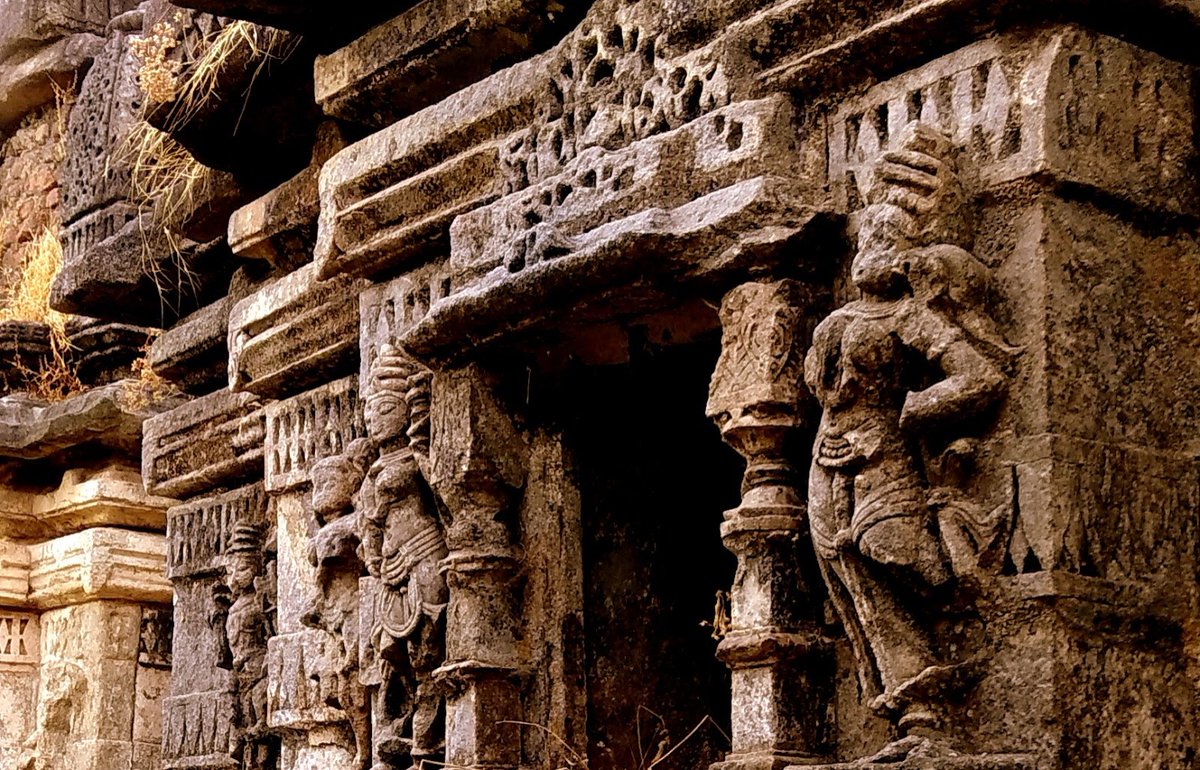
Kumbhalgarh has seven fortified gateways and over 360 temples within its walls, both Jain and Hindu.
The most notable of the gates is the Hanuman Pol, adorned with a statue of the Hindu deity Hanuman, installed by Rana Kumbha in 1458 CE.
The fort's complex layout, with its seven massive gates, numerous watchtowers, and intricate internal fortifications, made it a labyrinth for any invading force.
Strategically placed water reservoirs within the fort ensured self-sufficiency during prolonged sieges.
The ramp leading to the top of the hill features sharp turns, deliberately designed to impede the progress of enemy elephants and horses.
Ahmad Shah II of Gujarat attacked the fort in 1457 but found the effort futile, and there were further failed attempts in 1458 to 1459 and 1467 by Mahmud Khalji.
Although Chittorgarh was the capital of Mewar, it was Kumbhalgarh, tucked away amidst hills and forests, that acted as a place of refuge for the royalty during invasions.
A notable instance was in 1535, when the infant Prince Udai was smuggled into the fort while Chittaur was under siege, and he later succeeded to the throne and founded the city of Udaipur.
Kumbhalgarh was also birthplace of famous Maharana Pratap, who fought against the army led by Akbar at the Battle of Haldighati in 1576. Even after losing battles, Maharana Pratap never surrendered his kingdom or his principles, and the fort is closely tied to his enduring legacy.
Akbar's general Shahbaz Khan attacked the fort in October 1577 and after a six-month siege was able to capture it in April 1578, the only time the fort ever fell to a direct assault.
Mughals could only hold it briefly, as Maharana Pratap soon reclaimed his ancestral stronghold in 1583. The fort's defenses could be breached only that once, and primarily due to a critical shortage of drinking water rather than any weakness in its walls.
#drthehistories
Chasing sunsets and summer breezes in the heart of Madhya Pradesh!
There’s a special magic to Jabalpur when the sun lingers a little longer. Feel the cool mist of Dhuandhar Falls at Bhedaghat or find spiritual peace at Gwarighat, the city is the perfect way to unwind and recharge.
Step back in time at Chausath Yogini Temple, catch the breeze atop Madan Mahal Fort, or unwind by the tranquil waters of Payli Dam. Hidden gems like Swargdwari and Gau Bachha Ghat offer emerald waters and serene escapes. For scenic riverside views, visit Tilwara Ghat. At Lamheta Ghat, watch the sun dip into the river and enjoy the calm evening vibes. Finally, end your day by soaking in the lush greenery of Bhawartal Garden.
From roaring waterfalls to calm marble canyons, Jabalpur is the ultimate summer getaway.
Video credits: Ayush Sahu (Instagram Id - apna_pyara_jabalpur)