Cross-border B2B stablecoin transactions are scaling rapidly.
However, shifting volume to digital rails introduces fresh back-office friction that impacts margins.
Read on to understand what's happening, and how to mitigate 🧵
(1/8)
Payments are often more than a product feature.
💡This is a must read for finance teams, product leads and founders.
Most teams “integrate payments” after the product works. That's fine if payments are incidental.
But if you’re building stablecoin rails, on/offramps, B2B cross-border, payroll, or treasury infrastructure, the payment flow is the primary workflow.
Your differentiation is coverage, reliability, unit economics, and compliance posture. Not UI.
In this article, you’ll learn:
🔹Why early infrastructure is a key product decision
🔹How compliance architecture relates to product positioning
🔹How your treasury/liquidity design determines speed, FX and working capital needs
Read on ↓
The agentic economy could reach $450B by 2028, according to @Capgemini.
What's exciting is: stablecoins are the internet-native cash that allows agents to transact with the real world.
This inextricable synergy suggests AI could drive much of stablecoin volumes in the future.
Ask a crypto finance lead what month-end looks like and you get the same answer: CSV exports.
Bank. Exchange. Wallets.
Each month, finance teams must normalize and reconciliate across systems that were never designed to work together.
Here’s why 🧵
(1/7)
Ethereum is entering a new era: faster, cheaper, more interoperable.
Aero's July launch is fast approaching, so we're introducing three new features to Aerodrome to prepare for it:
1️⃣Upgraded Dynamic Fees
2️⃣Upgraded Gauges
3️⃣Metaswaps Beta
Full details 👇
https://t.co/cDqW2jbvv5
What are the main reasons holding CFOs back from adopting stablecoins operationally? ↓
We've been covering these challenges extensively in our recent articles.
Take a look for detailed insights!
For a crypto startup, operating with both stablecoins and fiat causes structural fragmentation.
Can you clearly answer:
🔹 How much cash you actually have
🔹 Where it is
🔹 When you can use it
🔹 What your set up is costing you
Most can't. Here's why ↓
Debanking is a real operational risk for crypto-native startups.
Have you ever asked yourself:
"What actually breaks when a core bank account is closed or frozen? And how badly does it set me back?"
Our latest article looks at debanking from an operator’s perspective:
→ what actually breaks in practice
→ how quickly it escalates across the business
→ why even well-run, compliant companies can still be exposed
A must read for CFOs, founders and crypto startup operators ↓
🚨 Reminder: eligible holders are still able to claim LSK tokens from our ERC-20 token migration, until May 21st 2026.
Read the article below for eligibility details, and step-by-step claim guidelines ↓
Imagine this:
Africa is set to reach $1T+ cross-border transactions by 2035. Yet today, sending $200 can still cost 8%+.
By 2035, that would mean $80B lost due to TradFi inefficiencies.
How can your team avoid bearing this cost?
Stablecoins are the answer. Read on ↓
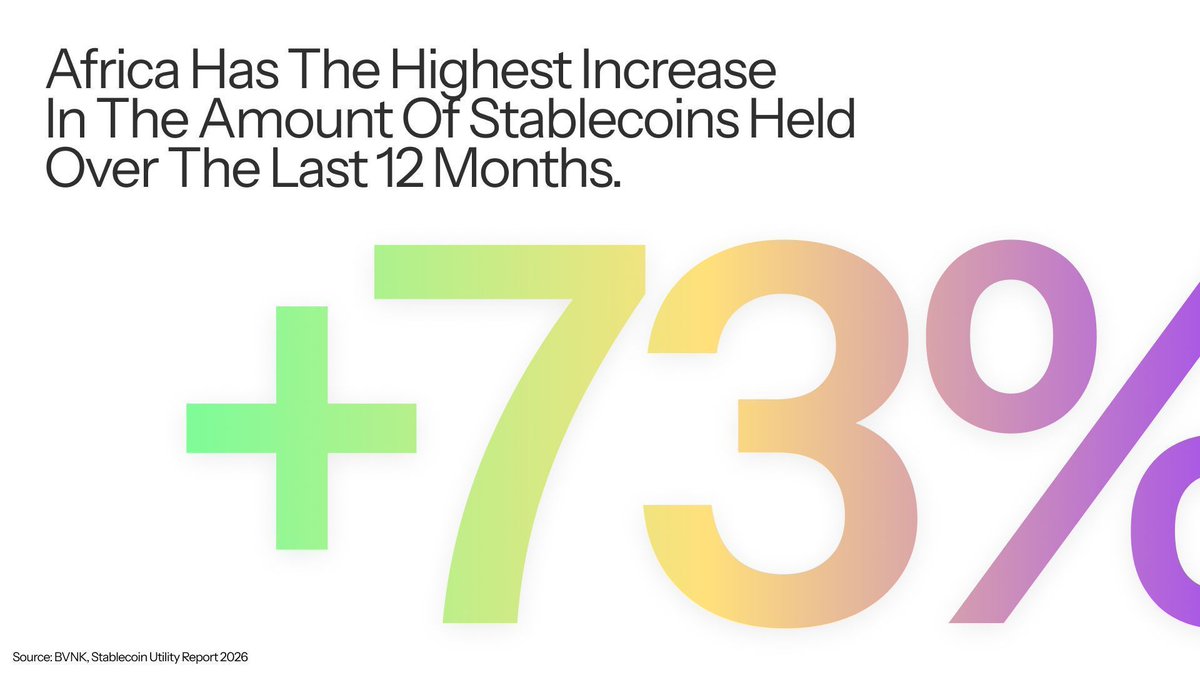
Emerging economies have the highest rate of stablecoin adoption, with Africa experiencing the fastest growth globally (73% annual growth).
So, how can you reach these stablecoin users as a Founder?
💡 Recent research shows it's essential to design your solution 'mobile-first'.
Building in emerging markets? 🌍
Your choice of stablecoin settlement layer isn't just a technical one, but also a strategic one.
This thread by @lisk explores the trade-offs between USD convenience and regional network effects.
Check out the breakdown 👇
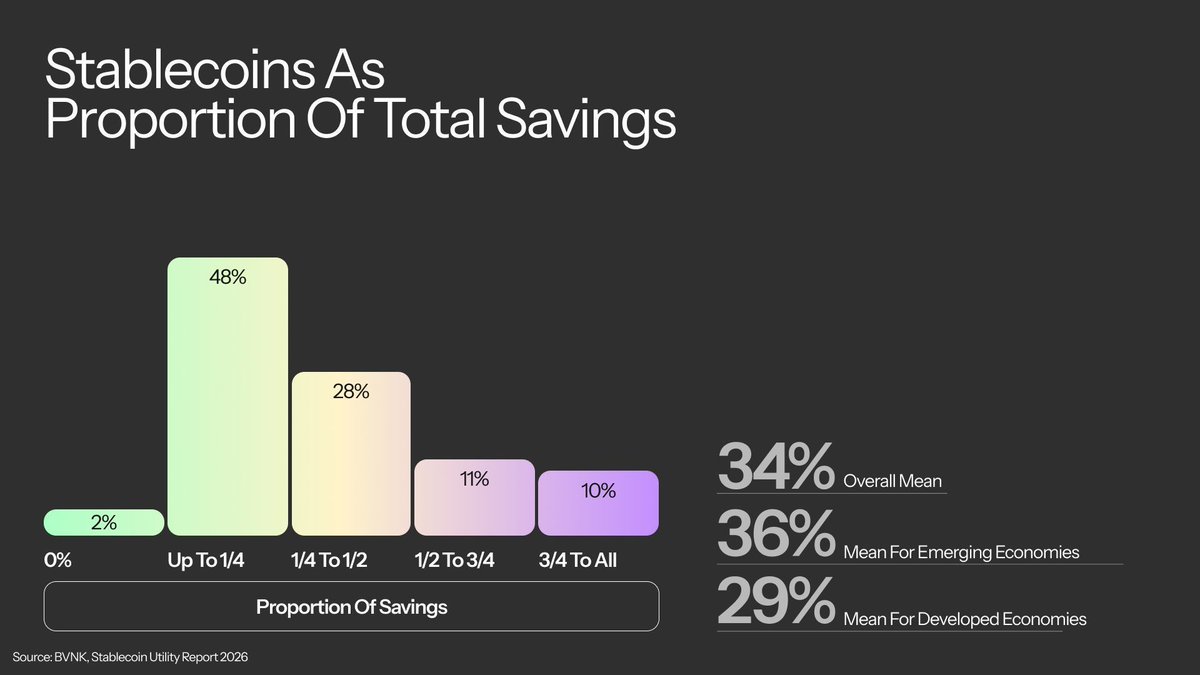
New research shows current and prospective stablecoin holders allocate about a third of their savings to crypto and stablecoins.
The lesson: stablecoins are increasingly becoming a core wealth allocation, especially in emerging countries where the number is highest (36%).
Stablecoin adoption in Africa is skyrocketing!
By the numbers, Africa has:
🔸 The highest stablecoin ownership rate globally (79%)
🔸 The steepest increase in stablecoin holdings over the last year (73%)
🔸 The strongest intent to acquire stablecoins over the next year (76%)
Q&A #1: Do I have to be from SEA to apply? 🌏🤔
Short answer: No, you don't.
Long answer: We only care about what you’re building and who you’re building it for. If your startup is solving real-world problems in Emerging Markets, the Da Nang residency IS YOUR PLAYGROUND.
🌐 Global Builders welcome: Whether you're in the US, Africa, LatAm, or Europe - if you're building for the EM and ready to scale, you belong here.
✅ Our Goal: 15 elite founders in one villa, building, shipping, and helping each other grow.
Don't let your location hold you back.
APPLY NOW → https://t.co/GyTk8Cu1Wx
In the last 24 hours, Aerodrome has generated more $EURC volume on @base than every other DEX on every other chain...
Combined.
Aerodrome is the home of FX onchain 🌎
The rise of stablecoins isn't a complete success.
🔹 On the on hand, you have a cryptocurrency segment worth hundreds of billions in market cap, and trillions in annual tx volume.
🔸 On the other hand, when you ask any company when they last paid with stablecoins, they'll probably look at you confused.
→ The truth is: the desire to use stablecoins is orders of magnitude higher than the actual usage.
Why? Because stablecoin adoption is being slowed down by operational friction: treasury and payroll management, payments, compliance...
Businesses want stablecoins' speed and cost-efficiency. But they also want their operating cash to be universally accepted, easy and safe to use.
Only when this gap gets closed, will businesses truly be empowered to use stablecoins.
🚨 Reminder: eligible holders are still able to claim LSK tokens from our ERC-20 token migration, until May 2026.
Read the article below for eligibility details, and step-by-step claim guidelines ↓