I took 1.7 million photos over 6 days to catch this photo of a commercial jet in front of the sun.
The moment it happened, TWO floating prominences were visible, making this not just my best aircraft transit photo, but one of the luckiest of my career! Videos of the transit 👇
A comet and its faint tail blaze past Earth, the Milky Way rises like a river of stars, and vibrant auroras dance across the edge of our world. Every snapshot taken from the orbital outpost reminds us how breathtaking our cosmic neighborhood truly is.
If you've ever wondered why most photographers shoot in RAW, this is why:
The first is the RAW photo, straight out of the camera. The second is the final photo. RAW photos save much more data than other formats, making it easier to pull out details not visible in the original.
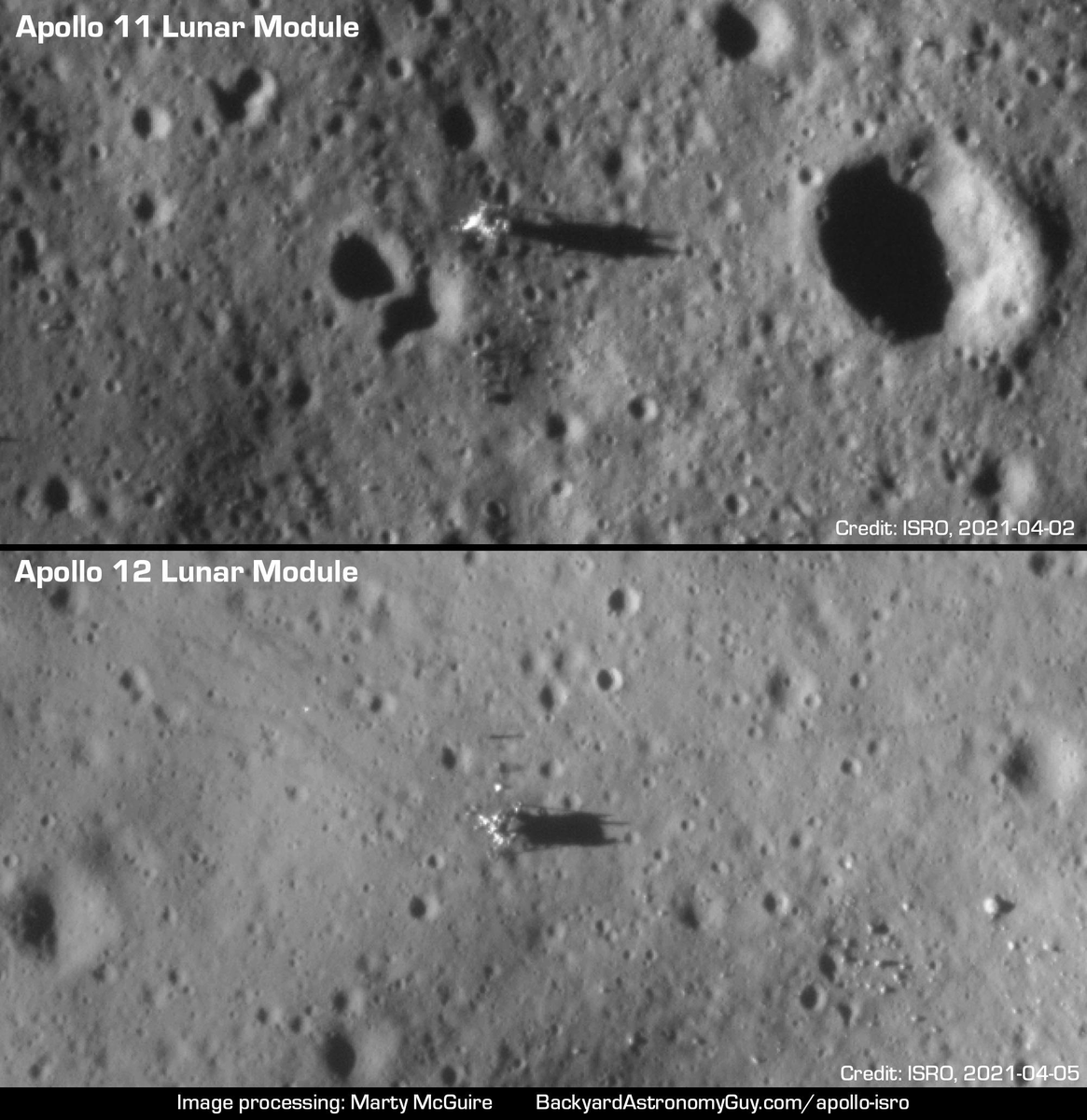
@Toddsmoth163999@imhorek@igeekbb These aren't from telescopes on Earth, they're from Orbiters around the moon. An example of this would be India's Chandrayaan2, which took these pictures.
The eclipse from Orion.
On April 6, external cameras attached to the Orion spacecraft's solar array wings captured the Moon backlit by the Sun during a solar eclipse.
That's us! 🌍
The Artemis II crew captured beautiful, high-resolution images of our home planet during their journey to the Moon. As @Astro_Christina put it: "You guys look great."
You'd think so, but nope! Going straight up will get you to space, but you'd fall right back down the moment you cut off your engines.
The way to get into "orbit" (which is how you stay in space and experience zero G without burning fuel) is by moving sideways fast enough that your sideways motion creates a ballistic arc that keeps your altitude above Earth. They're still in freefall, but moving so fast they "miss" the planet. From orbit, they can then burn the engines at the right time to break out of orbit and fall towards the moon once they get close enough, with precise heading that allows them to "miss" it and fall back down to the planet in what's known as a free return trajectory.
That's how this works in a nutshell, but orbital mechanics are tough to wrap your head around so I'd strongly suggest spending some more time reading about it!
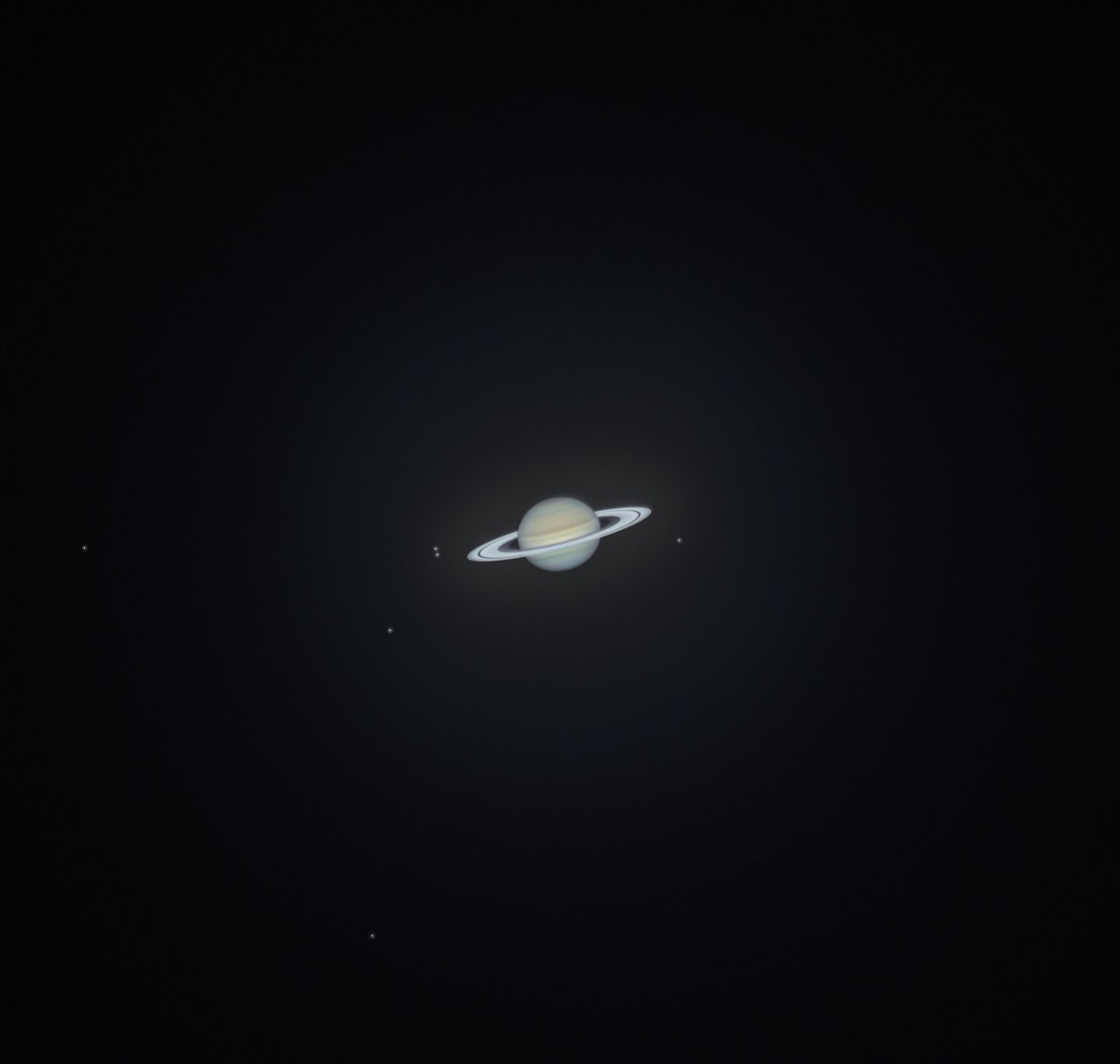
The planet Saturn, captured during it's closest approach to Earth from the top of a parking garage in the heart of Los Angeles.
You can do plenty of astrophotography from a big city!