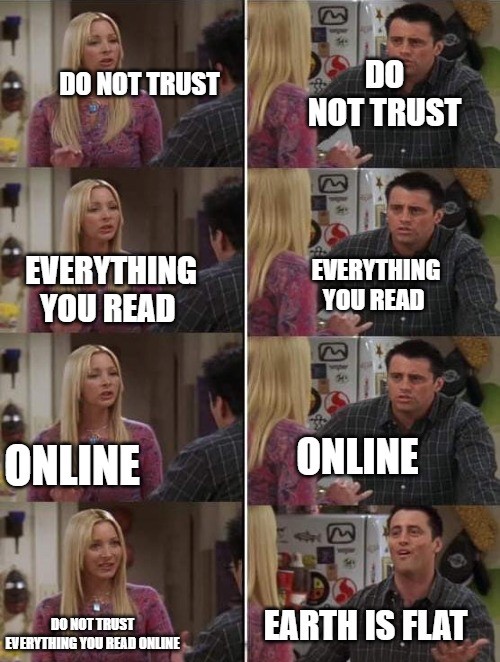
🎬 Our documentary 'Middle Rage – Social Media and the War on Democracy' is now live!
Exploring how social media, disinformation and online narratives shape democracy - focusing on middle-aged audiences.
Watch now 👇
https://t.co/Rr2OCsNGeP
#MiddleRage#SmidgeProject #Disinformation #MediaLiteracy #Democracy
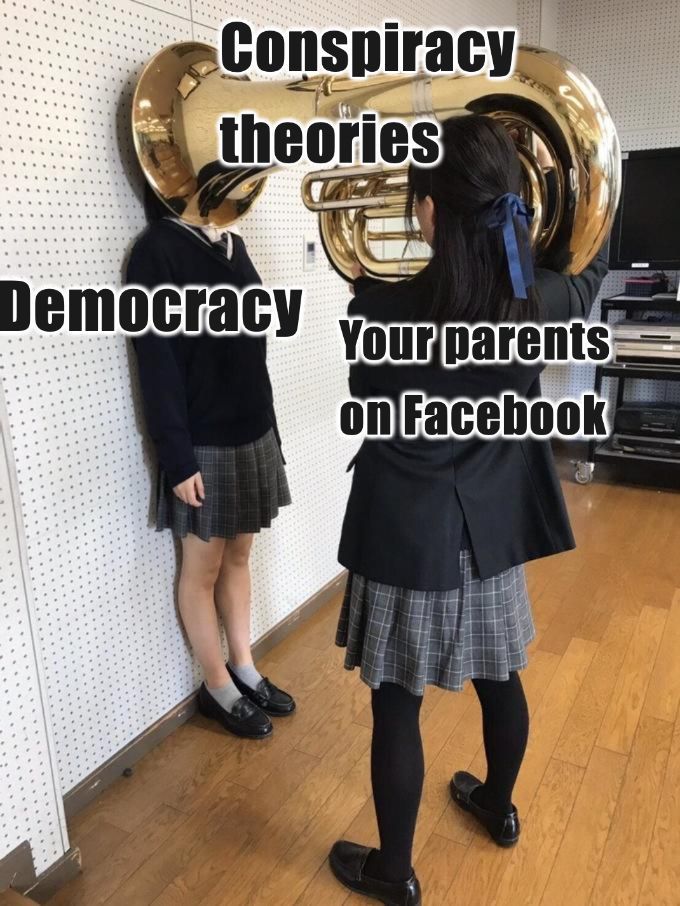
It rarely starts with one big conspiracy. It starts with curiosity. Then doubt. Then immersion. And before you know it…
You’ve been carried away.
#SmidgeProject#CounterNarratives
Sometimes the loudest explanations aren’t the most accurate ones.
Disinformation simplifies complex problems and redirects blame.
Asking better questions is the first step toward better answers.
#CriticalThinking#SmidgeProject#CounterNarratives
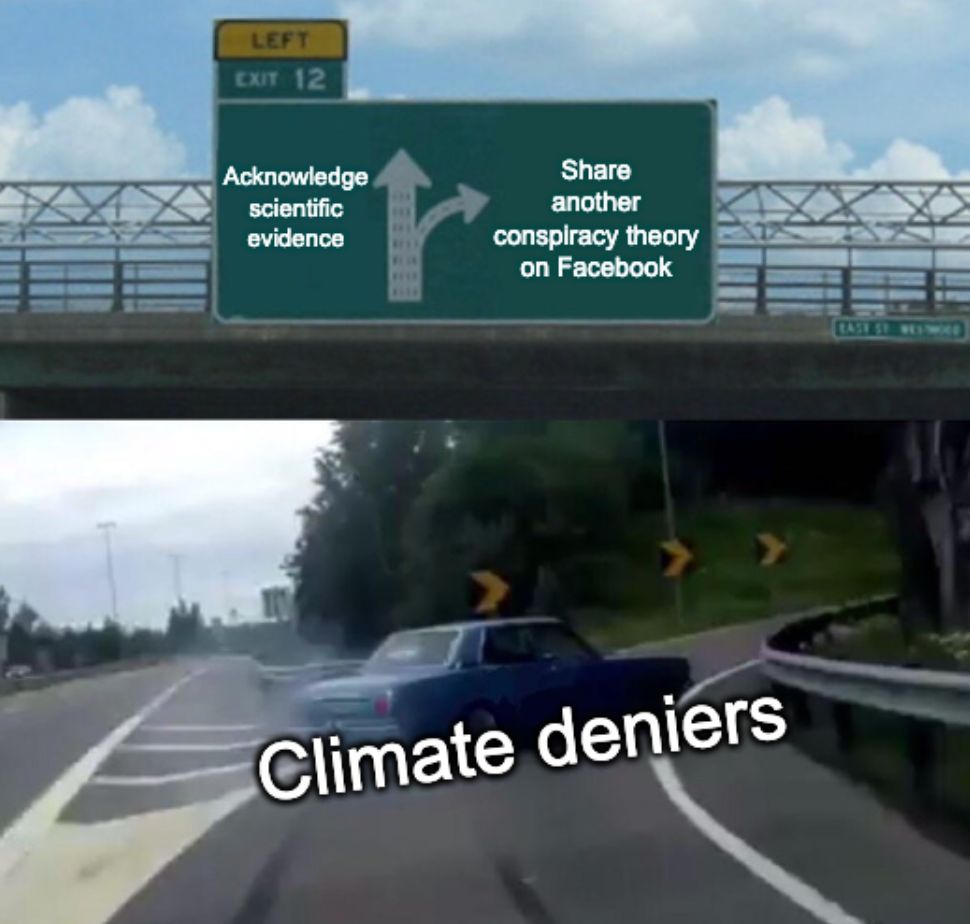
Every day online, we face small choices:
➡️ Follow evidence
➡️ Or follow what confirms what we already believe
Disinformation doesn’t spread by accident. It spreads by decision.
Which road would you take?
#MediaLiteracy#SmidgeProject#ConspiracyTheories
“This is fine.”
Sometimes denial isn’t loud. It’s quiet. Comfortable. Familiar.
But ignoring evidence doesn’t make the fire disappear.
What makes us accept comforting narratives over uncomfortable truths?
#SmidgeProject#CounterNarratives#Disinformation#ClimateChange
SMIDGE joined the ARENAS sister project seminar exploring how extremist narratives circulate within parliamentary debates.
Research presented showed that radical right discourse in the European Parliament centres on sovereignty, identity and defence, portraying the EU as distant, technocratic and disconnected from citizens.
Such narratives mobilise emotions like fear, pride and belonging, demonstrating how extremist messaging operates not only online but also within formal democratic institutions.
#SMIDGE #ARENAS #Extremism #EU #Democracy #ResearchImpact
📢 Who shapes online debates but is rarely included in extremism research or policy responses?
The “invisible middle” - adults aged 45–65.
SMIDGE research shows this group:
• relies heavily on social media for news
• is highly active in family & community networks
• is frequently targeted by misinformation and conspiracy narratives
• but is largely overlooked in prevention strategies
If we ignore them, we miss a key part of the problem.
Our new policy briefs provide tailored guidance for policymakers, platforms, journalists and institutions.
Read more: https://t.co/mpPQLM8ppr
#SMIDGE #Disinformation #MediaLiteracy #DigitalPolicy
A reminder that our event “Addressing Extremism in Middle Age” is taking place on Tuesday, 24 February, in Westminster.
We will share findings from the SMIDGE project examining an under-researched demographic: middle-aged adults who are increasingly exposed to online extremist content. The discussion will reflect on methodological challenges, emerging evidence, and implications for policy and practice.
🔗 You can register to confirm your attendance here:
https://t.co/ttCcycGXIm
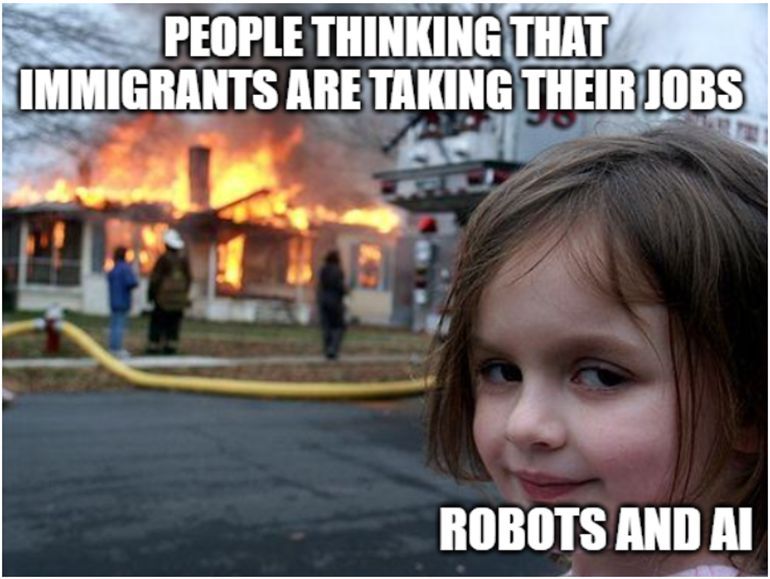
As part of the SMIDGE project’s counter-narrative work, the University of Copenhagen @koebenhavns_uni has produced 27 pieces of micro-content, including memes and a GIF, addressing the spread of #misinformation, #disinformation, and conspiracy theories across social media platforms.
Informed by findings from previous work packages, surveys, and focus groups, this collection operationalises the theoretical and empirical knowledge developed throughout the project. It also reflects the broader challenge of designing effective counter-messages while remaining attentive to the ambiguity, humour, and vernacular style that characterise memetic communication.
🔗 The full SMIDGE Memes & Micro-Content Gallery is available here: https://t.co/ZZqeyVabI6
📣 Join us in Westminster on 24 February!
Organised by De Montfort University, this final event of the SMIDGE project brings together policymakers, researchers, civil society, media and security experts to tackle a critical gap in extremism prevention: how online extremist narratives reach and influence middle-aged adults.
The event is open to Members of the UK Parliament, representatives of UK and EU institutions, policymakers and practitioners working on extremism prevention, digital policy and cybersecurity, as well as researchers, academics, NGOs, journalists, fact-checkers, media professionals and digital platform stakeholders.
🔗 Register here: https://t.co/ttCcycGXIm
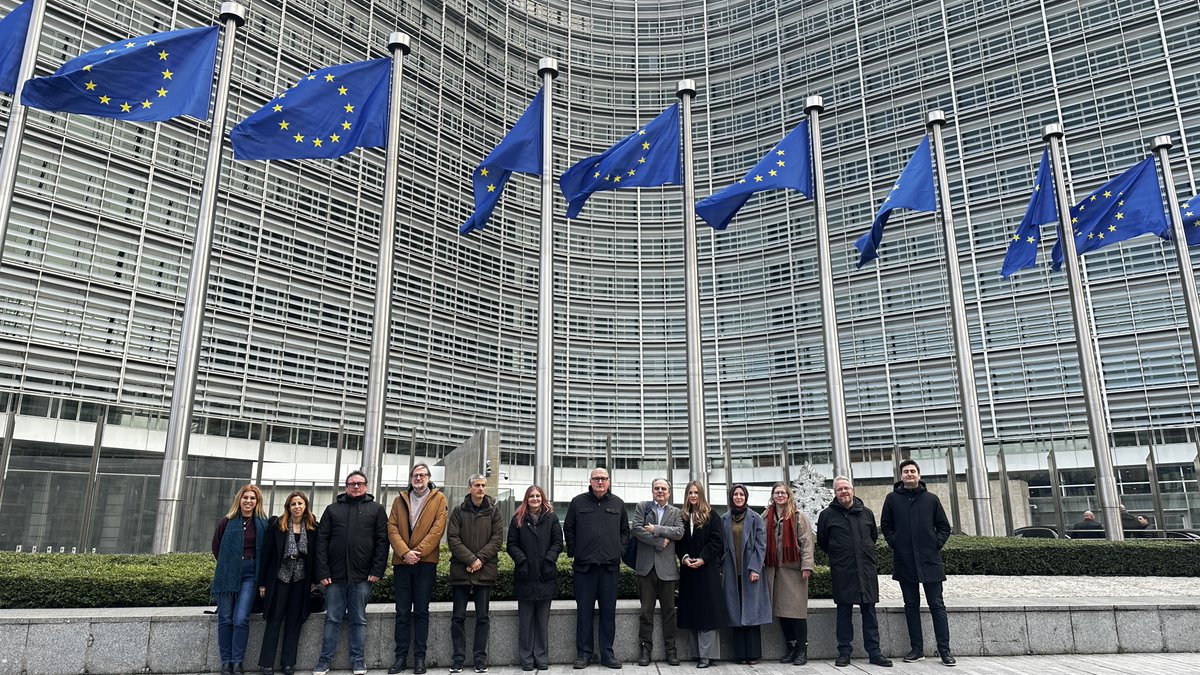
On 29 January, the SMIDGE International Conference was held in Brussels, marking a key milestone after three years of research into online extremism among middle-aged adults in Europe.
Hosted by @inclusive_eu_ , the conference focused on “The Invisible Middle: Understanding Online Extremism in Middle-Aged Adults in Europe.” Participants examined how disinformation, polarisation, and extremist content circulate within this demographic, and why middle-aged adults play a strategic role in shaping and amplifying online narratives across digital platforms.
A consortium meeting between project partners took place the day after the conference, providing an opportunity to collectively reflect on the project’s findings and outcomes.
🔗 Read the full article: https://t.co/2DHmDAOhXd
🎥 Watch the conference recordings: https://t.co/oJC2LkRCTd
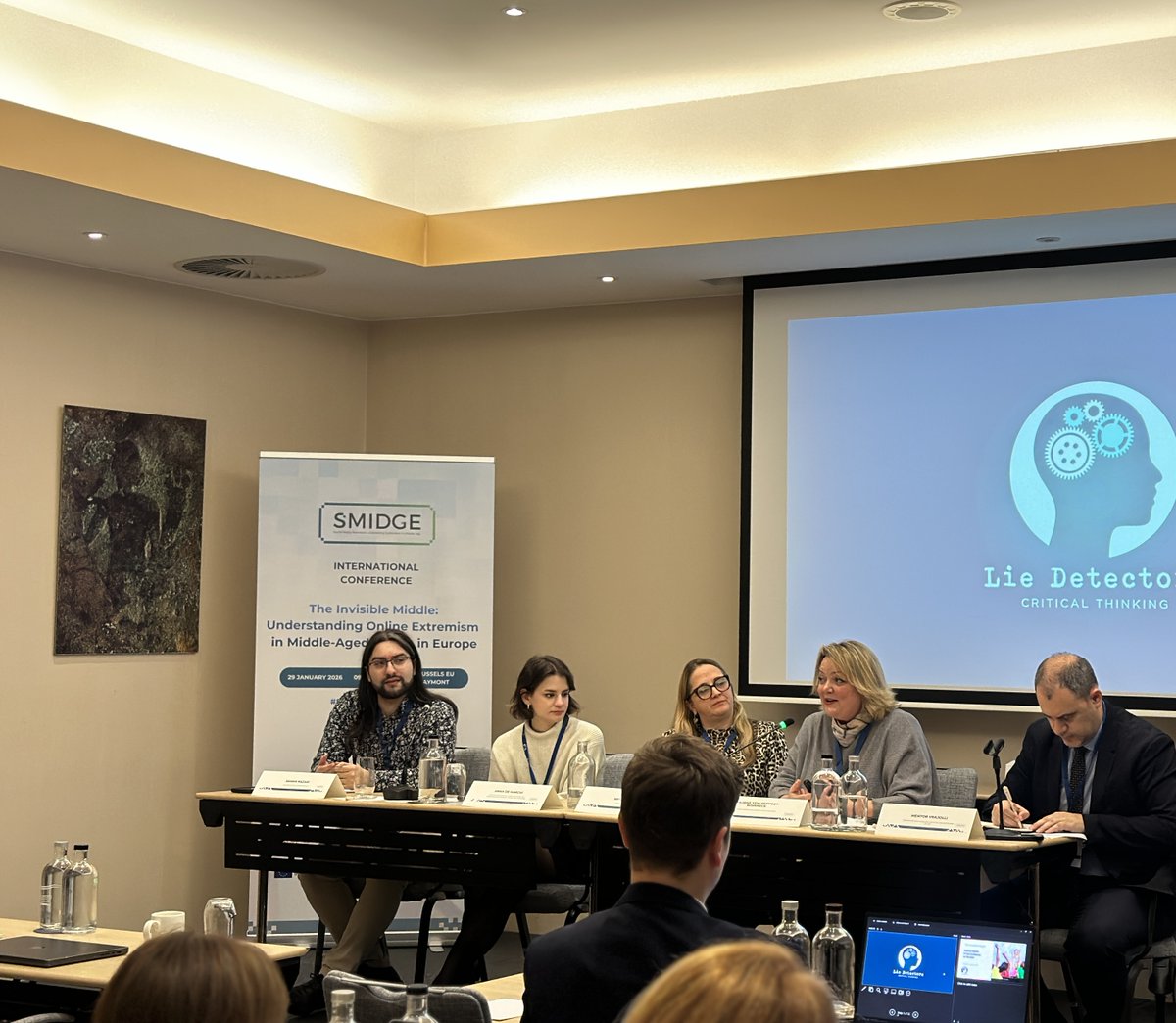
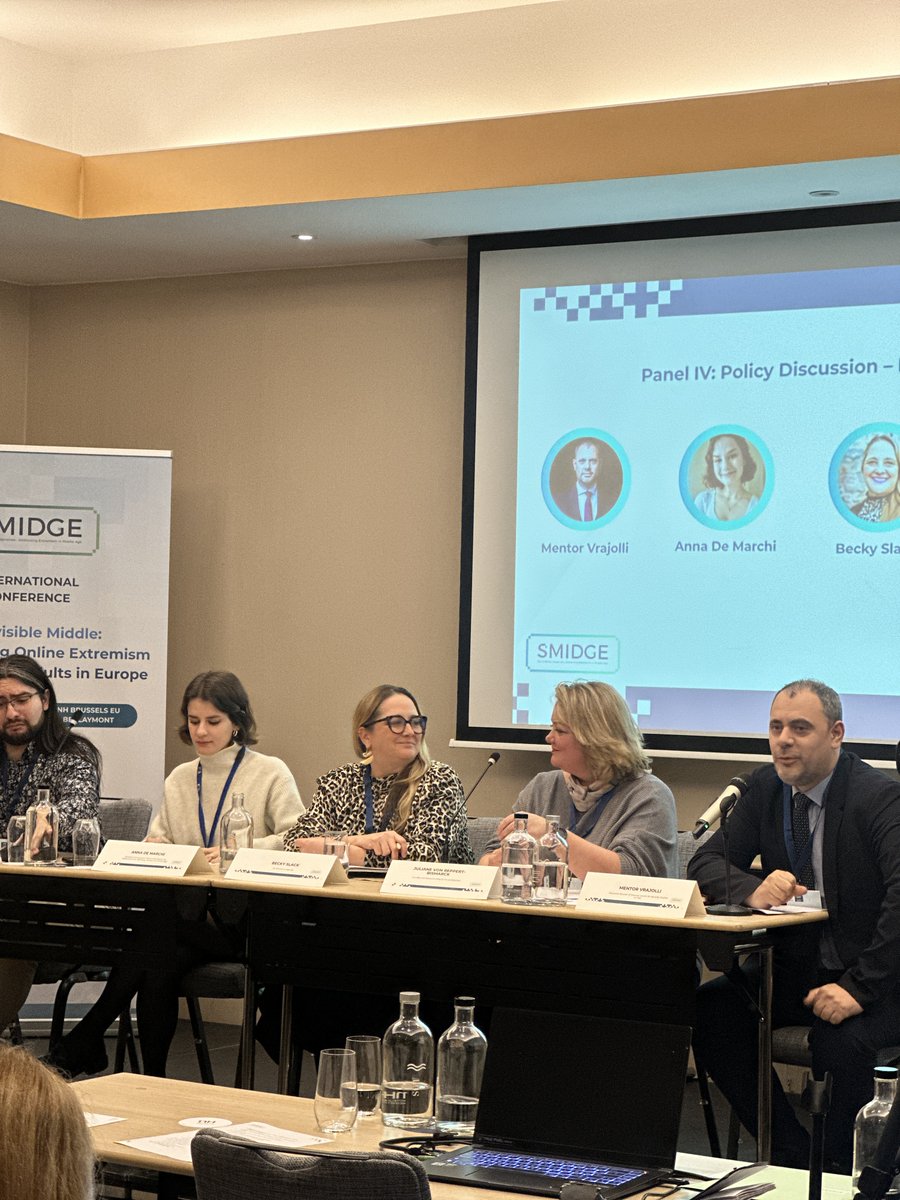
Juliane von Reppert-Bismarck from @LieDetectorsOrg highlighted their work on tackling disinformation and polarisation by addressing both demand (how people engage with and share polarising content) and supply (the drivers behind disinformation).
Lie Detectors pairs trained professional journalists with classrooms so that students and teachers can learn firsthand how to spot misinformation, understand ethical journalism and think critically about what they see online.
Teachers are especially important as multipliers of media literacy, though Juliane noted that while interest among educators is growing, there is still a lag in systematic media literacy teaching in schools.
The last panel of the #SmidgeConference, moderated by @MentorV (@KCSSQKSS), brings together policymakers, journalists, platform experts and civil society representatives to translate research findings into actionable policy and governance responses.
Discussions focus on strengthening digital resilience, addressing online harms, and aligning research evidence with EU policy and platform accountability.
#SmidgeProject #InvisibleMiddle #OnlineNarratives
She also stressed that offline strategies matter. Online extremism tends to thrive in contexts where local journalism is weak, community ties are fragile, and policy responses have fallen short.
@Becky_Slack , Co-Director of Agenda, brought in the communications perspective, focusing on the role of strategic messaging in tackling online extremism. While fact-checking remains an important tool, she noted that its impact is often limited. In today’s digital environment, emotionally resonant content tends to be more persuasive than factual corrections, and cross-checking information can be time-consuming and ineffective at scale.