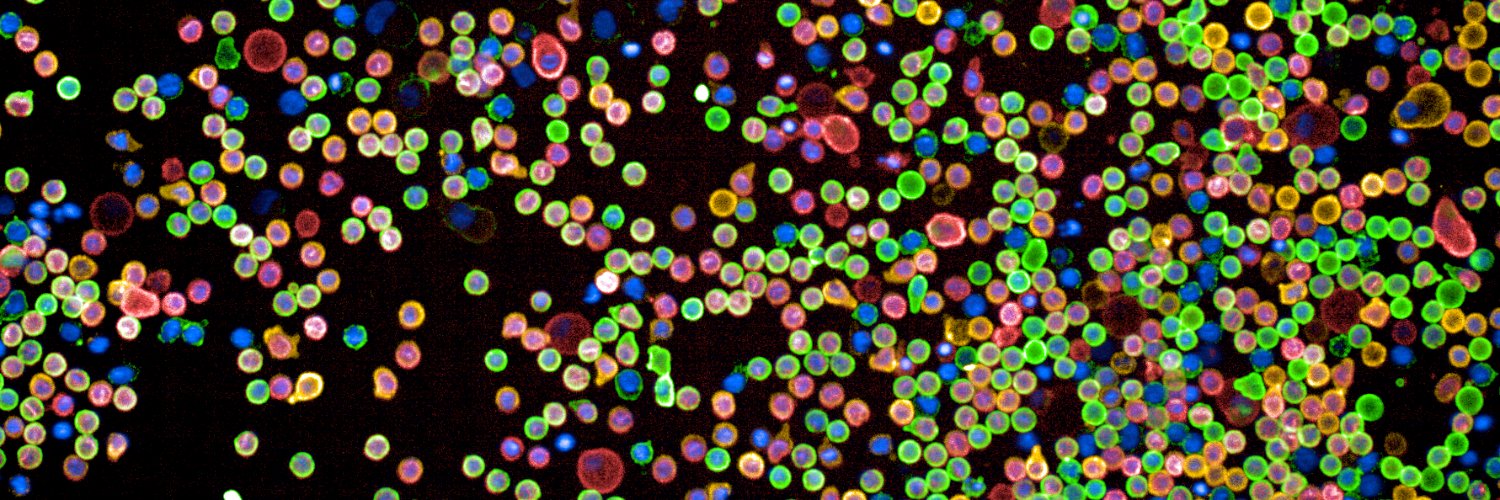
We are beyond proud of our newest @NatureMedicine paper! Using pharmacoscopy & in-silico drug MoA discovery, we show that the antidepressant Vortioxietine is effective in #Glioblastoma primary patient material and in mouse models.
https://t.co/MehHhQQOvR
#PersonalizedMedicine
A single-cell ex vivo screening of repurposable drugs in #glioblastoma coupled with machine learning show that anti-tumour neuroactive drugs converge on the AP1-BTG pathway and identify the antidepressant vortioxetine as a potential therapeutic agent.
https://t.co/JQEOa5iz8f
We are beyond proud of our newest @NatureMedicine paper! Using pharmacoscopy & in-silico drug MoA discovery, we show that the antidepressant Vortioxietine is effective in #Glioblastoma primary patient material and in mouse models.
https://t.co/MehHhQQOvR
#PersonalizedMedicine
Researchers at ETH Zurich have used a drug screening platform they developed to show that an #Antidepressant, currently on the market, kills #Tumour cells in the dreaded #Glioblastoma – at least in the cell-culture dish. https://t.co/Eaofxblvgq
We are happy to announce that the PHRT-funded clinical study “RAPID 01”, which includes patients with acute myeloid leukemia (AML) is moving into the next phase: Soon, the first patient will be recruited. Read more about it here: https://t.co/CMaiHDHGj2
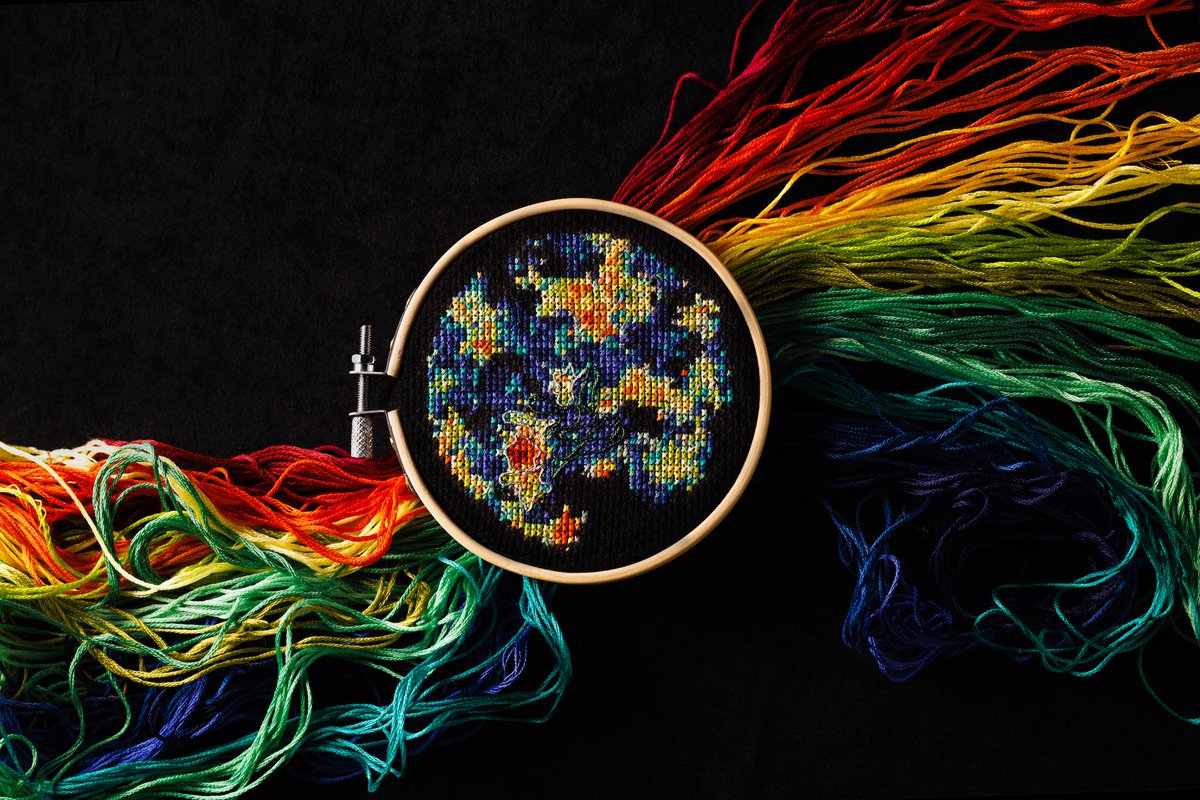
This beautiful image illustrates our new paper on 13C-SpaceM, a new method tracing metabolic activity in single cells in @NatMetabolism 😁 First, about the paper https://t.co/tiqTIWespA 📜:
🦓 This week: 'stripy' #Tcells!
A recent @ScienceMagazine article from Dr. Ben Hale and a team in Dr. @BerendSnijder's lab suggests that T cell architecture is a key determinant of TCR signaling & #CellFate.
@SnijderLab
📑: https://t.co/PW0OWEWVwL
🎤: https://t.co/Zqajx1YCcV
Researchers identify key differences in inner workings of immune cells: more than half of all killer T cells exhibit nuclear invaginations, or folds in the cell’s nuclear envelope.
https://t.co/TkA9axzTbd
#Tweetorial for our paper in @ScienceMagazine
It's still largely unknown how naïve T cells decide to become either effector or memory T cells during viral infection. We show that these decisions are built into the cellular architecture of our T cells. 1/9
https://t.co/yOQgVaPgot
Looking forward to talking about #StripyTcells and our recent @ScienceMagazine publication with @thalexandrov, his team, and you (if you want)! The talk is public, so feel free to join: https://t.co/7F6GEPa4BN
Big thanks to Theodore & co. for the invitation!
Our findings suggest that #TCellArchitecture is a key determinant of TCR signaling & cell fate. This understanding could help predict & optimize T cell responses for better infection protection & disease treatment. Read the paper for more details!🔬 #Immunotherapy#Immunology 9/9
#Tweetorial for our paper in @ScienceMagazine
It's still largely unknown how naïve T cells decide to become either effector or memory T cells during viral infection. We show that these decisions are built into the cellular architecture of our T cells. 1/9
https://t.co/yOQgVaPgot
Furthermore, ex vivo #SingleCell fate tracking revealed that Tø cells form large colonies of effector-like T cells following activation. By contrast, cells with To architectures were slower to divide and gave rise to memory-like T cells. 8/9