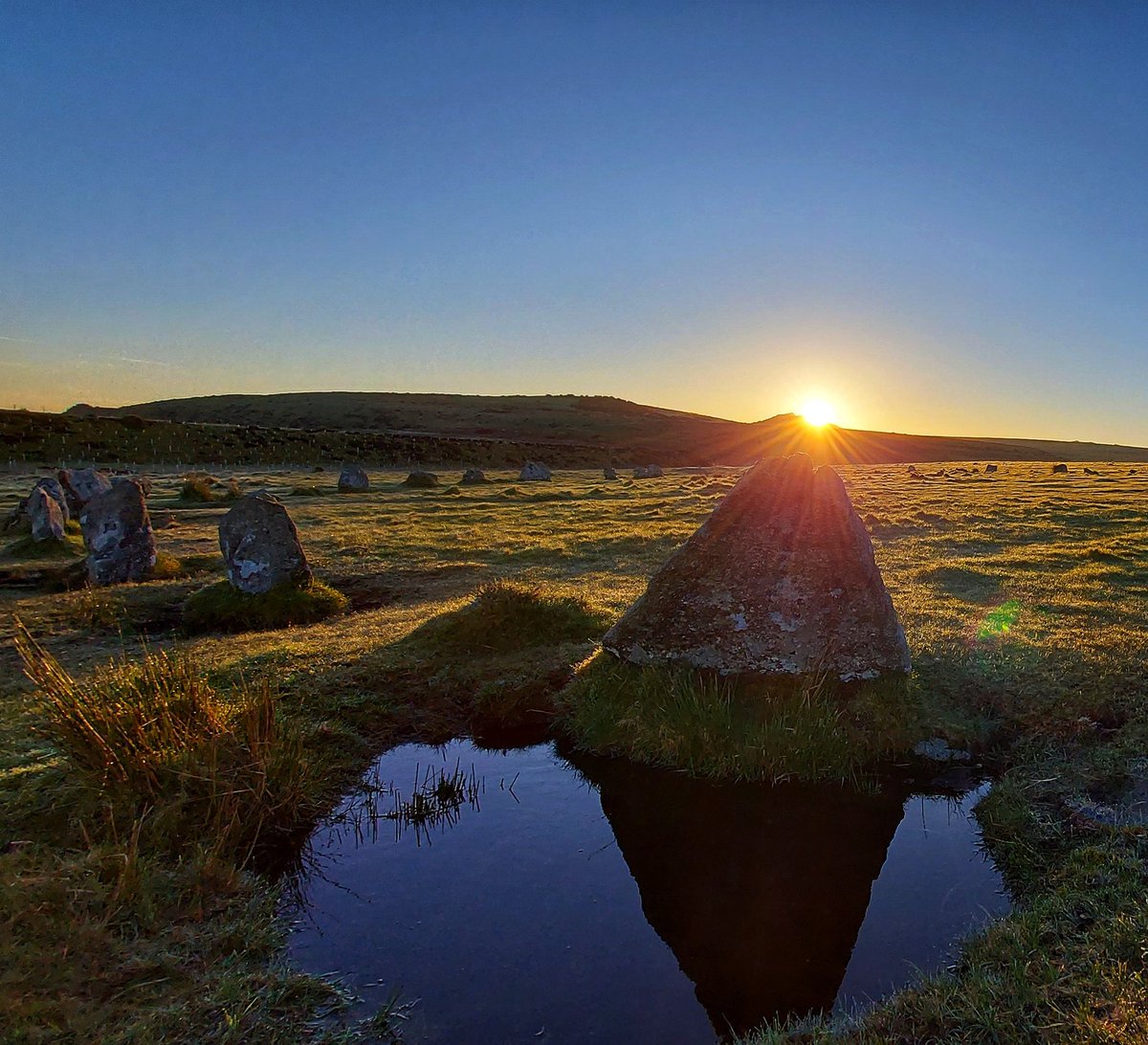
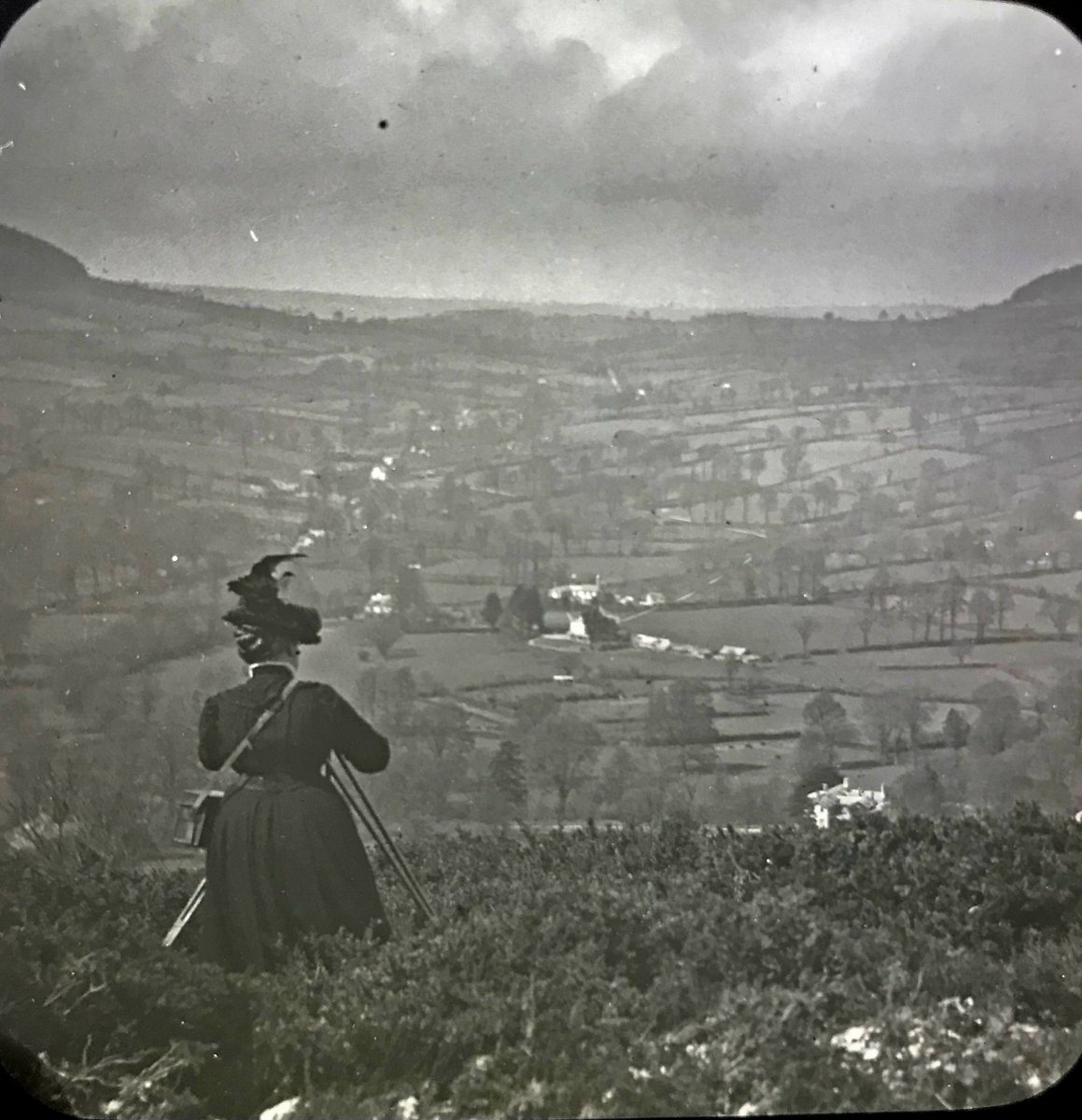
If you're heading to Norman Lockyer Observatory for their SW Astrofair, pick up a copy of my new pamphlet. Revisiting Norman Lockyer's work on stars and stones with modern interpretations. All illustrated with Mary Lockyer's and my own photos.
Goodness! @SocHistAstro have featured me on the cover of their journal - 'The Antiquarian Astronomer'! I am most humbly obliged to them for publishing an essay by @NikkiLee143 revealing new information about my life and family. A riveting read if I do say so myself! xox MB
pp91-94 Edmond Halley's tenure as editor, and, after his appointment in 1719, the difficulties of being Astronomer Royal, editor, and Savilian Professor of Geometry at Oxford all at the same time. Free download.
Congratulations to @AileenFyfe, @NoahMoxham, Julie McDougall-Waters, and @CRostvik! Their #openaccess book A History of Scientific Journals: Publishing at the Royal Society, 1665-2015 publishes today! https://t.co/U3ppxpQSge @AHRCPhilTrans
Great photograph showing the instruments used by the British expedition when observing the 1919 total solar eclipse in Brazil.
Part of the collections at the Science Museum.
#Brazil#astronomy#astrophotography#photography#archives
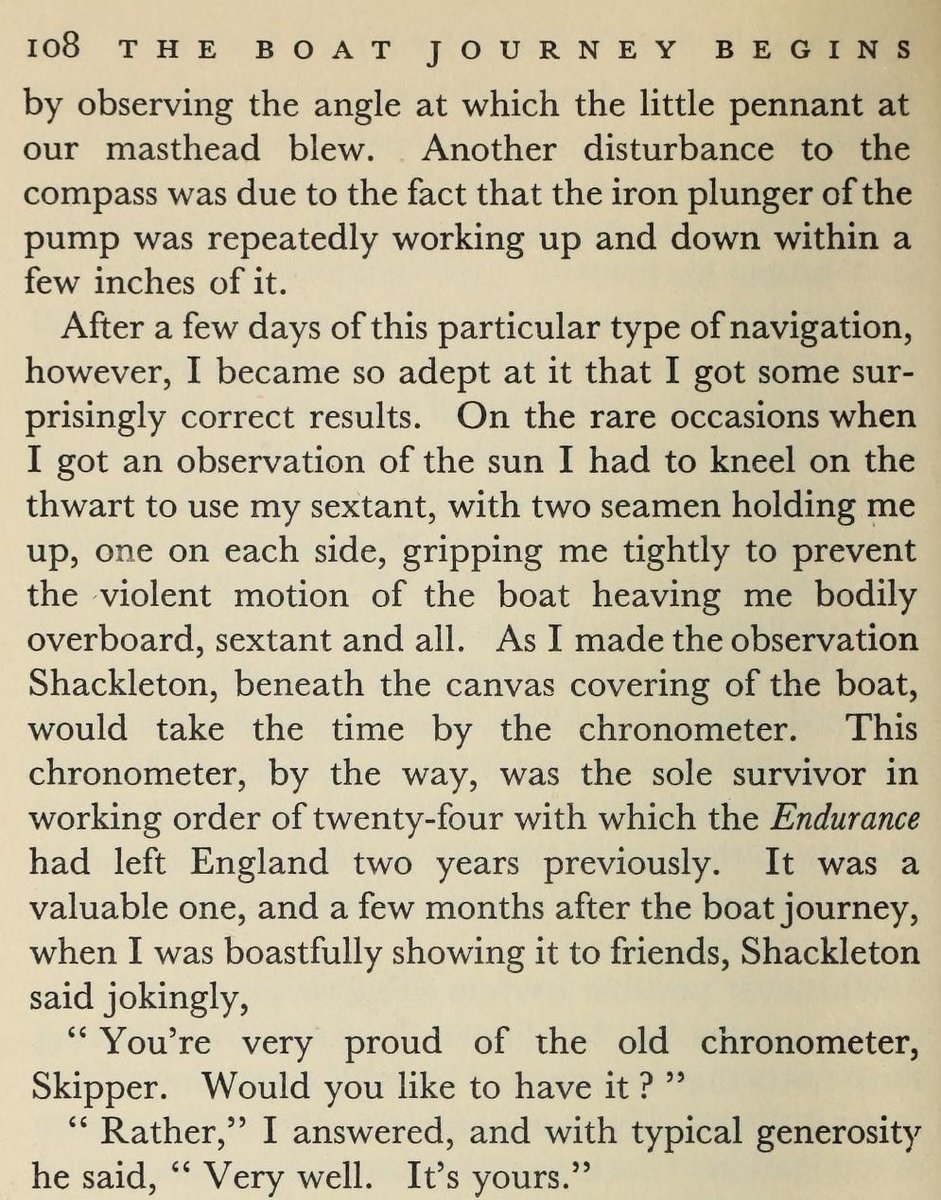
30 August 1916 #OTD members of Ernest Shackleton's crew, who had spent 4 1/2 months on Elephant Island were rescued. Frank Worsley's account of using sextant & chronometer on 'James Caird', boat used to get help for the rescue. Sextant now at @scottpolar https://t.co/zSOJsvkPWe
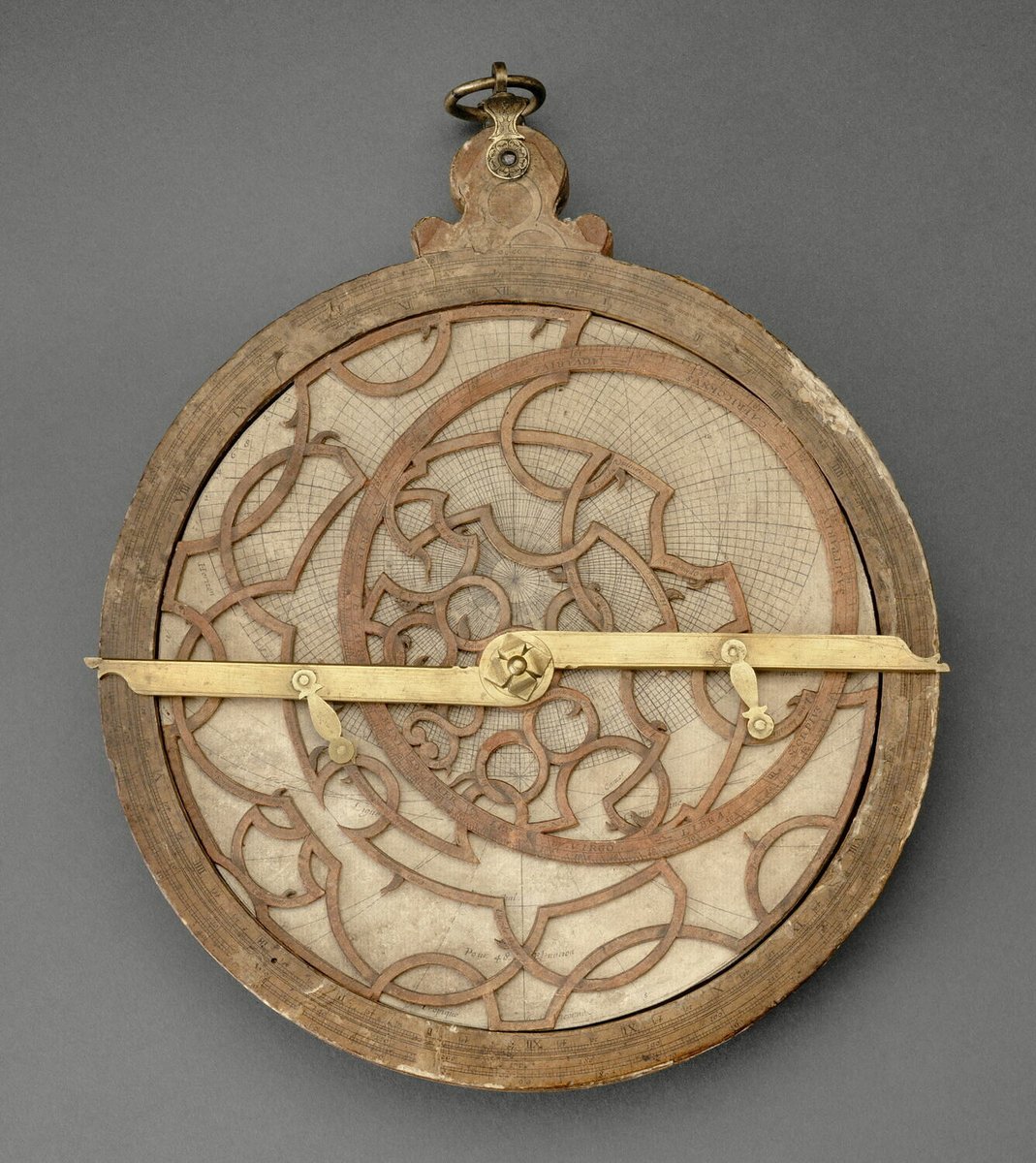
Planispheric astrolabe decorated with circular motifs, made Claude Picquet, Paris, 1627; walnut, cardboard, polychrome paper, and copper alloy @MuseeLouvre https://t.co/ztPJ1BKTob
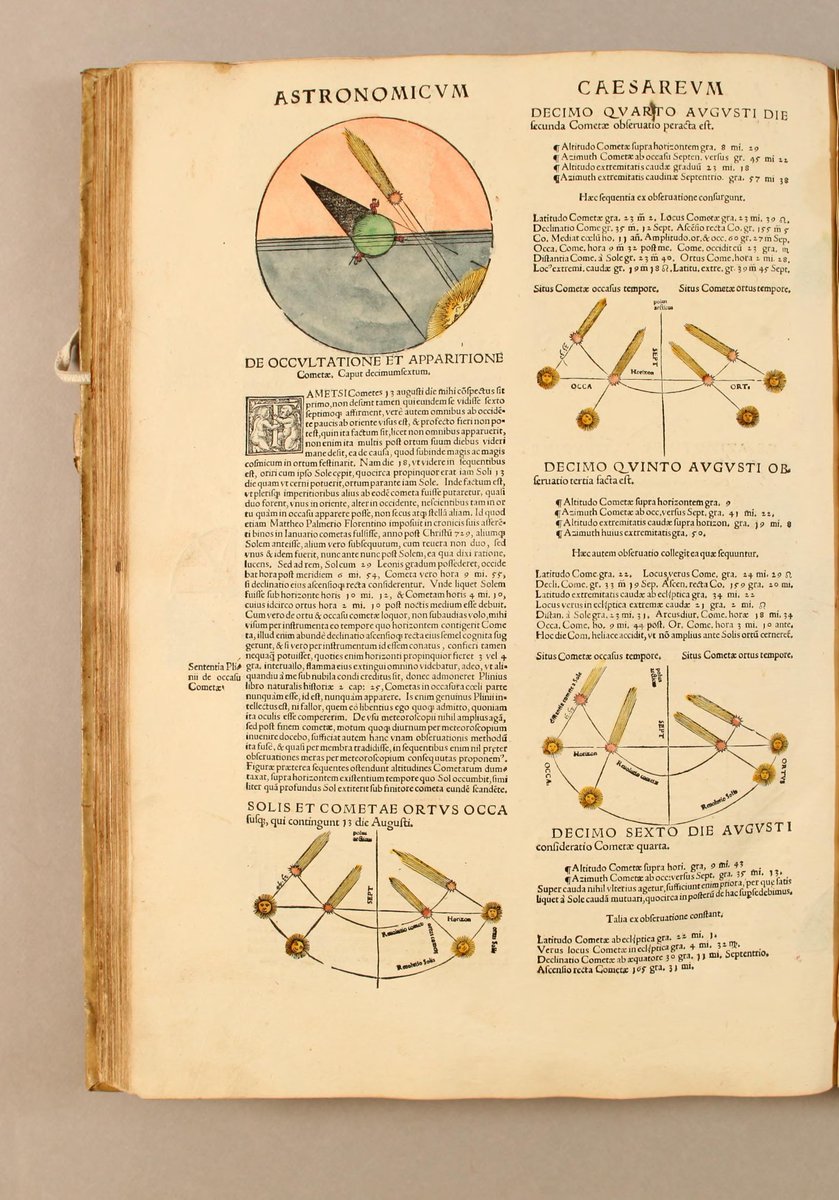
Petrus Apianus (1495–1552) observations of a comet in August, 1531. He noted that the tail always pointed away from the Sun. These were some of the observations that Halley used to calculate the orbit of the comet now named after him.
Source: https://t.co/jnzH5BaB6G
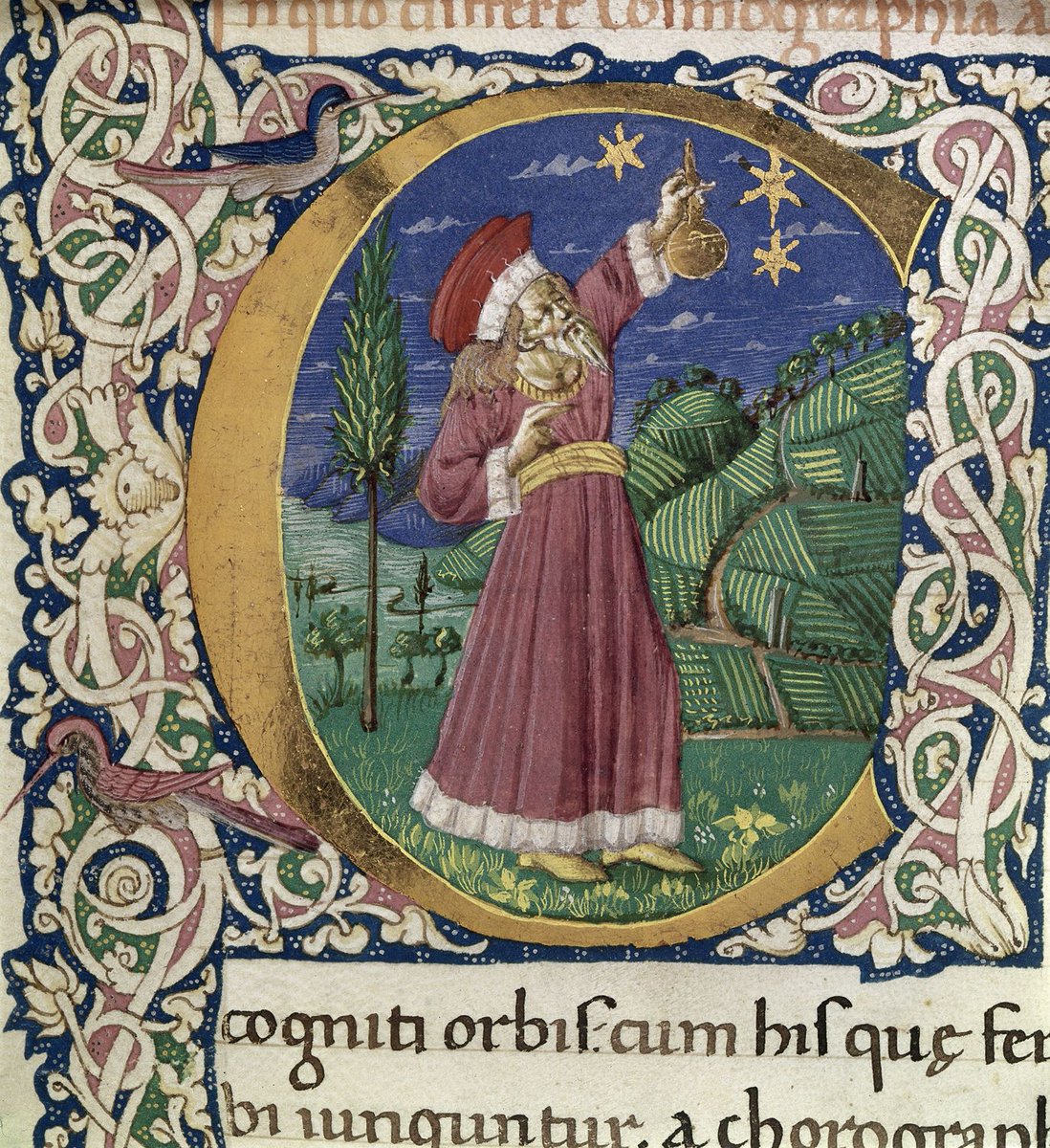
Detail of a historiated initial 'C'(osmographia) with a portrait of Ptolemy holding an astrolabe aloft (f. 2); from a Latin translation of his Geography (Florence, 3rd quarter of the 15thC); Harley 7182 @britishlibrary https://t.co/rnfv4nWsgi
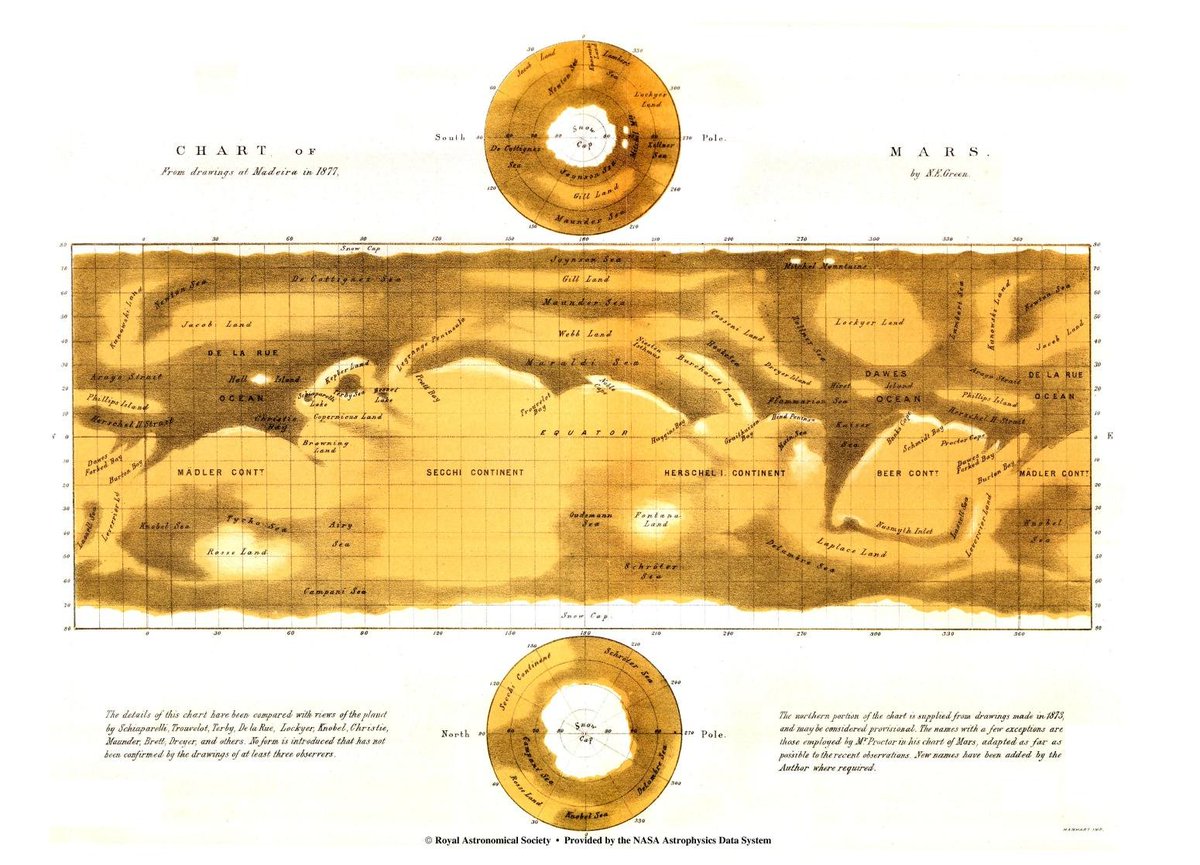
Nathaniel Everett Green was born on 21 August 1823. #otd He was President of the @BritAstro 1896–1898. In 1877 he observed Mars from Madeira. His drawings were published in Memoirs of the @RoyalAstroSoc, including a Chart of Mars. (Image source: https://t.co/9jrCLVzJM2)
NY Times: A Watermark, and ‘Spidey Sense,’ Unmask a Forged Galileo Treasure
"One of the University of Michigan Library’s most prized possessions, which appeared to be a Galileo manuscript, is now thought to be the work of a 20th-century forger."
https://t.co/sQteooDhfW
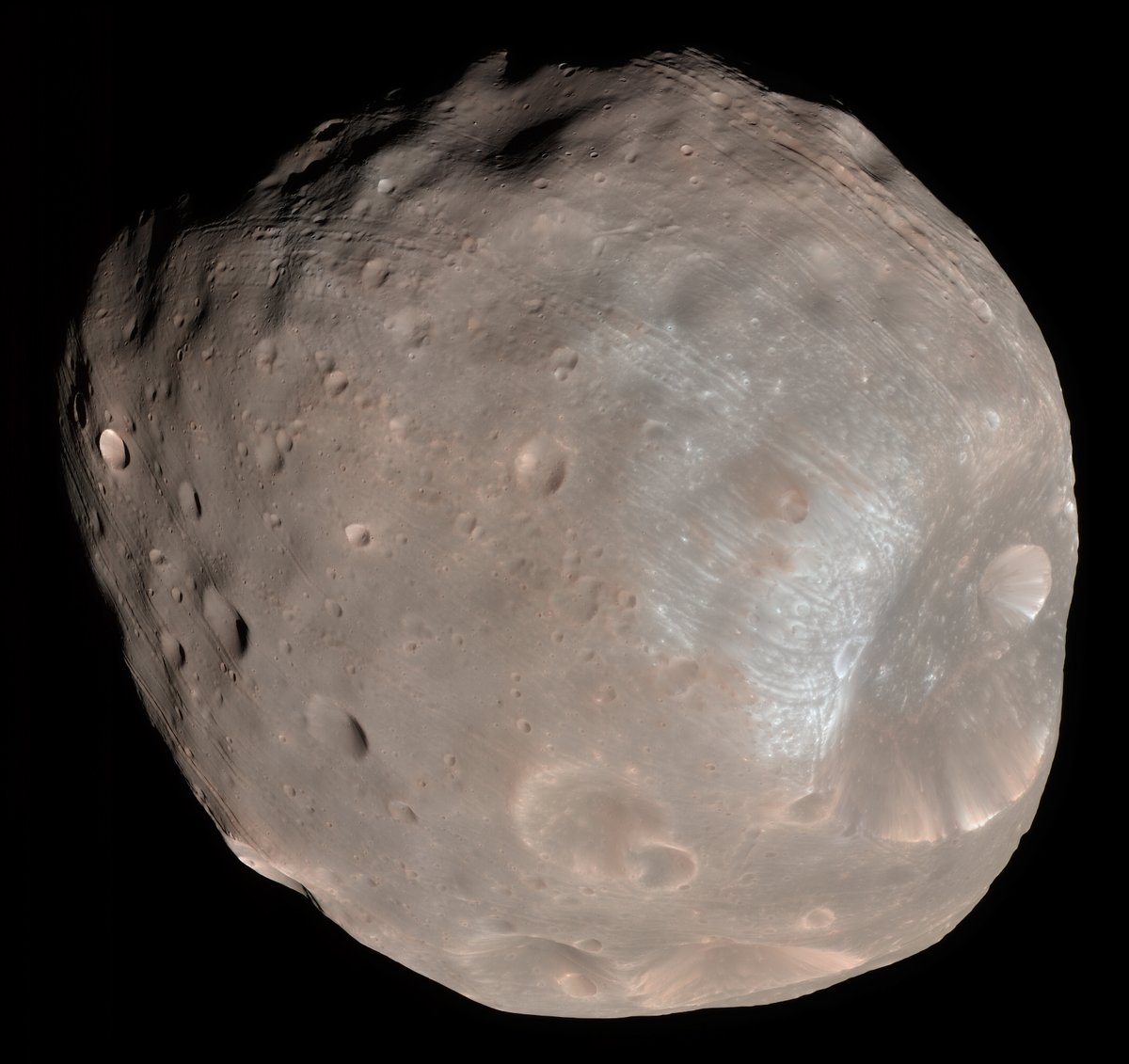
Phobos, imaged by Mars Reconnaissance Orbiter, 23 March 2008. Discovered on 18 August 1877 by Asaph Hall at the United States Naval Observatory, Washington, DC. Ready to give up, he was encouraged to continue to search by his wife, Angeline Stickney. #otd
https://t.co/OUtvea2fgI
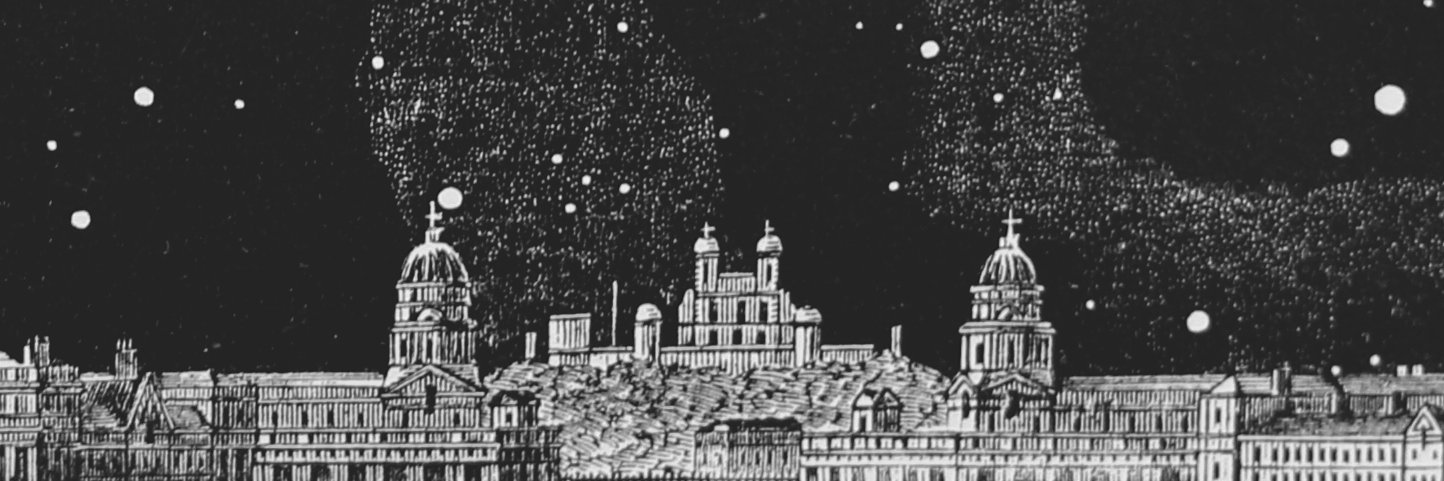
#OnThisDay in 1675, the foundation stone of the Royal Observatory, Greenwich was laid. This building, designed by Christopher Wren FRS, was arguably the first purpose-built scientific research facility in Britain and home to the first Astronomer Royal, John Flamsteed FRS.
A good example of why scientists need historians, to my mind, is the oft-repeated fallacy that the discovery of extraterrestrial life would have people losing their minds and challenge our deepest assumptions about ourselves, because it would be so existentially unsettling
For International Day of Light (laser invented 16 May, 1960) Ibn al-Haytham's (c 965 – c 1040) influential Book of Optics.
https://t.co/3PN4ph7Hav
#IDL2022#DayLight2022